Workup Health Guide
Personalized wellness insights powered by Workup’s AI — designed to help you explore health solutions aligned with your goals.
Profile Overview
Disclaimer: This report was produced using Workup’s AI recommendation engine, which evaluates your demographic and health information to identify potentially relevant products and services from vetted partners. Workup does not practice medicine, and this content is for informational purposes only. Consult your physician or licensed practitioner before making any healthcare decisions.
Overview
This preventive health guide is designed for a 32-year-old male in NYC, focusing on optimizing testosterone levels and boosting energy. It provides tailored advice to support your health and wellness goals.
Diagnostics & Screenings
You’re a 32-year-old man without known conditions, aiming to optimize testosterone and energy. Focus on core cardiometabolic screening (blood pressure, lipids, glucose), organ function checks (kidney/liver, blood count, thyroid), an inflammation marker (hs-CRP), targeted lifestyle-risk screening (sleep apnea), and age-appropriate cancer detection (skin). Add symptom-triggered hormonal testing for testosterone. Reassess intervals based on results and personal risk factors (family history, weight, medications, alcohol). Plan to add colorectal cancer screening at 45 and discuss prostate cancer screening around 45–50 depending on family history and preferences.
Screening Overview
| Tier | Test | Risk Area | Frequency | Why It Matters |
|---|---|---|---|---|
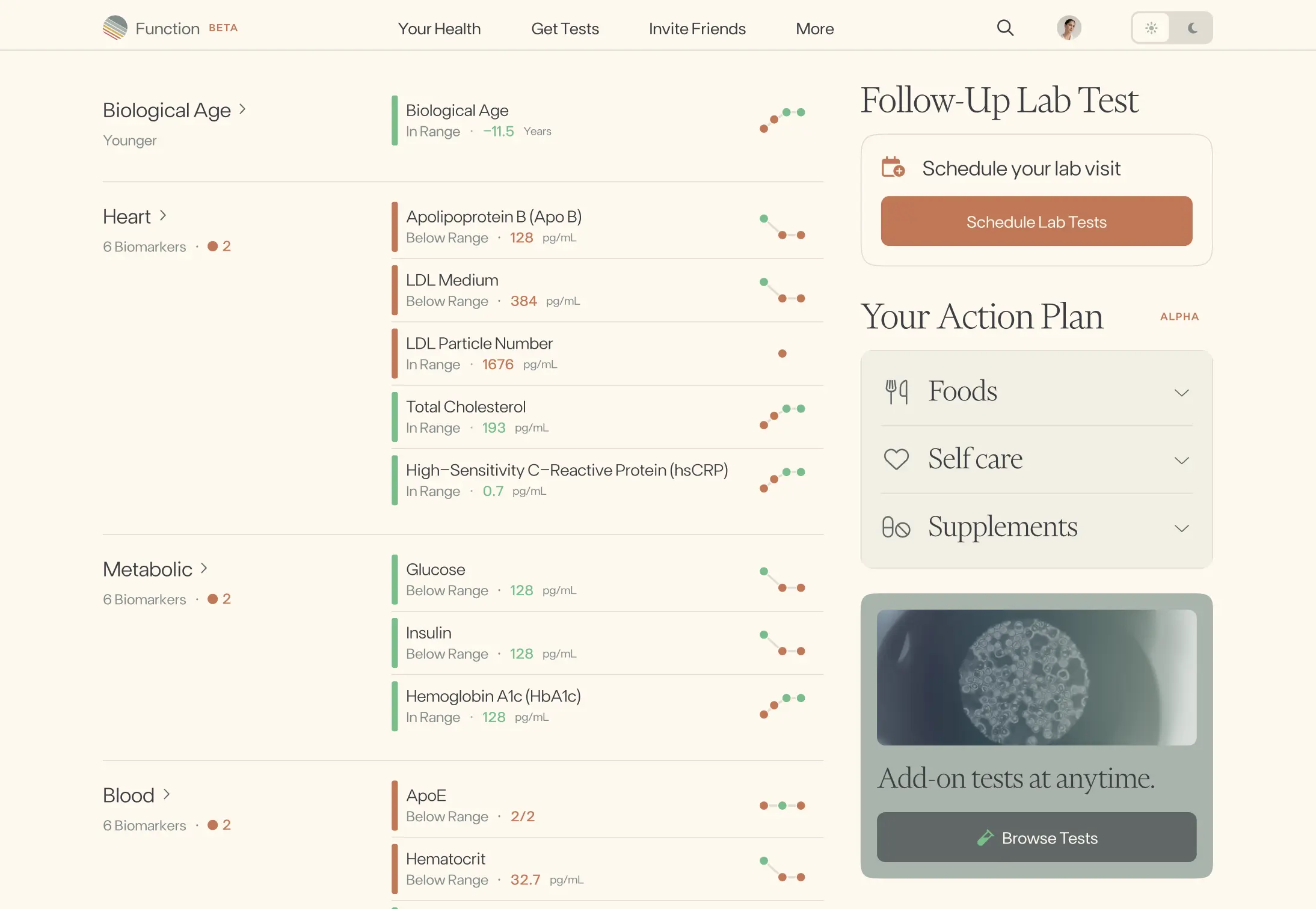
| Cardiovascular | Blood pressure measurement | Hypertension and cardiovascular disease | Check at every routine visit; at least every 2–3 years if previously normal and low risk, and yearly if readings are ≥120/80, you’re overweight, or have a family history. | About 1 in 3 adults has high blood pressure, often without symptoms; controlling it cuts heart attack and stroke risk by 20–30%. |
| Cardiovascular | Fasting lipid panel (Total, LDL, HDL, triglycerides) | Atherosclerotic cardiovascular disease | Every 5 years if normal; every 1–3 years if borderline/high, you smoke, have diabetes risk, or a family history of early heart disease. | Roughly 38% of U.S. adults have high LDL cholesterol; lowering LDL reduces major cardiovascular events by ~20–25% per 39 mg/dL reduction. |
| Metabolic | Hemoglobin A1C (diabetes screen) | Prediabetes and type 2 diabetes | Baseline now if you have fatigue, are overweight, or have a family history; otherwise begin by age 35. If normal, repeat about every 3 years; yearly if you have prediabetes. | Over 1 in 3 adults has prediabetes and most don’t know it; lifestyle changes can cut progression to diabetes by ~58%. |
| Organ Function | Comprehensive metabolic panel (kidney and liver function, electrolytes) | Chronic kidney disease and fatty liver/metabolic dysfunction | Every 1–3 years if healthy; annually if you take regular medications, drink alcohol, or have metabolic risk (overweight, high BP, abnormal lipids). | Nonalcoholic fatty liver disease affects ~25% of adults and chronic kidney disease about 15%, often without symptoms until advanced. |
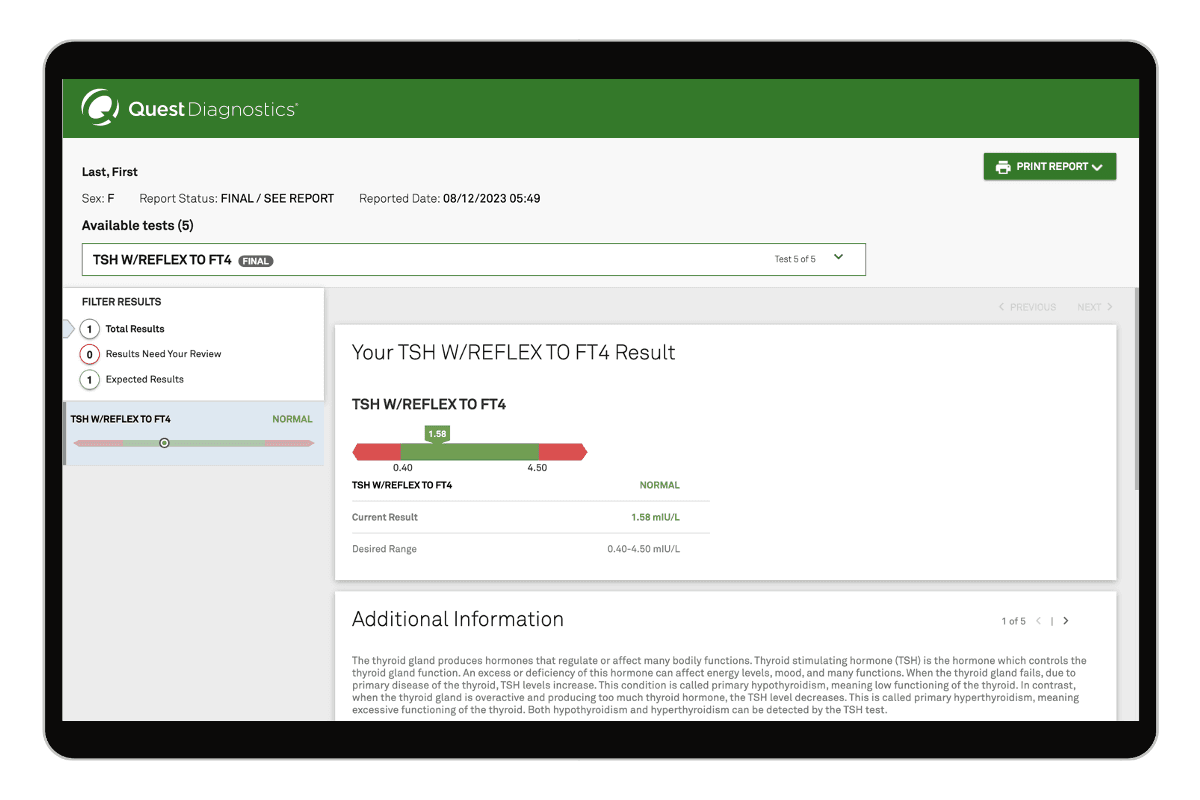
| Endocrine | Thyroid function (TSH; reflex free T4 if abnormal) | Hypothyroidism and other thyroid disorders affecting energy | Baseline now given energy goals; if normal, every 3–5 years or sooner if symptoms change (fatigue, cold intolerance, weight gain). | Approximately 5% of U.S. adults have hypothyroidism, which commonly causes fatigue and can be effectively treated once identified. |
| Hematology | Complete blood count (CBC) | Anemia or other blood disorders contributing to fatigue | Baseline now for energy concerns; then as needed or every 2–3 years if you remain asymptomatic and results are normal. | Anemia affects about 5% of U.S. adults and can cause low energy and poor exercise tolerance, yet is readily detectable with a CBC. |
| Inflammation | High-sensitivity C-reactive protein (hs-CRP) | Systemic inflammation and cardiovascular risk stratification | Consider once as a risk-enhancing test if your cholesterol is borderline or you have a family history; repeat every 3–5 years or if risk changes. | Higher hs-CRP levels are linked to roughly double the risk of heart attack and stroke independent of cholesterol levels. |
| Lifestyle Risk | Obstructive sleep apnea screening (STOP-BANG or similar) | Sleep apnea driving fatigue, low testosterone, and cardiometabolic risk | Screen now if you snore, have daytime sleepiness, resistant fatigue, or weight gain; repeat if symptoms persist or weight increases. | Up to 1 in 5 adults has obstructive sleep apnea, most undiagnosed; treatment improves daytime energy and lowers blood pressure. |
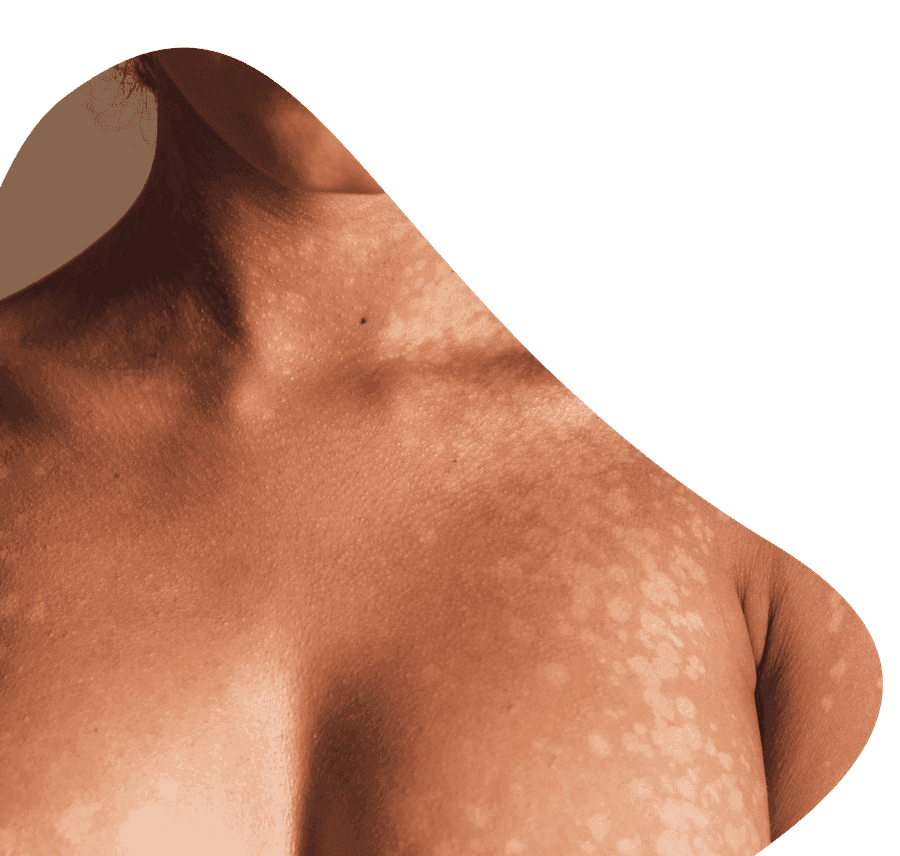
| Cancer | Skin cancer exam (clinical) plus monthly self-checks | Melanoma and nonmelanoma skin cancers | Do monthly self-skin checks; get a clinical skin exam every 1–2 years if you’re fair-skinned, have many moles, or high sun exposure; otherwise discuss timing with your clinician. | Skin cancer is the most common cancer; about 1 in 5 Americans develop it by age 70. Early melanomas have >98% 5-year survival when caught thin. |
| Endocrine (Goal-Directed) | Morning total testosterone (with confirmatory repeat) | Hypogonadism contributing to low energy, libido changes, or erectile symptoms | Not for routine screening—test only if symptoms suggest low testosterone. If indicated, measure early morning on two separate days; if borderline, add free testosterone/SHBG. Recheck every 6–12 months if abnormal or on therapy. | Low testosterone can reduce energy and libido; obesity and sleep apnea increase risk. Up to 1 in 4 men with obesity have low testosterone; confirmation on two morning tests is required for diagnosis. |
Recommended Products



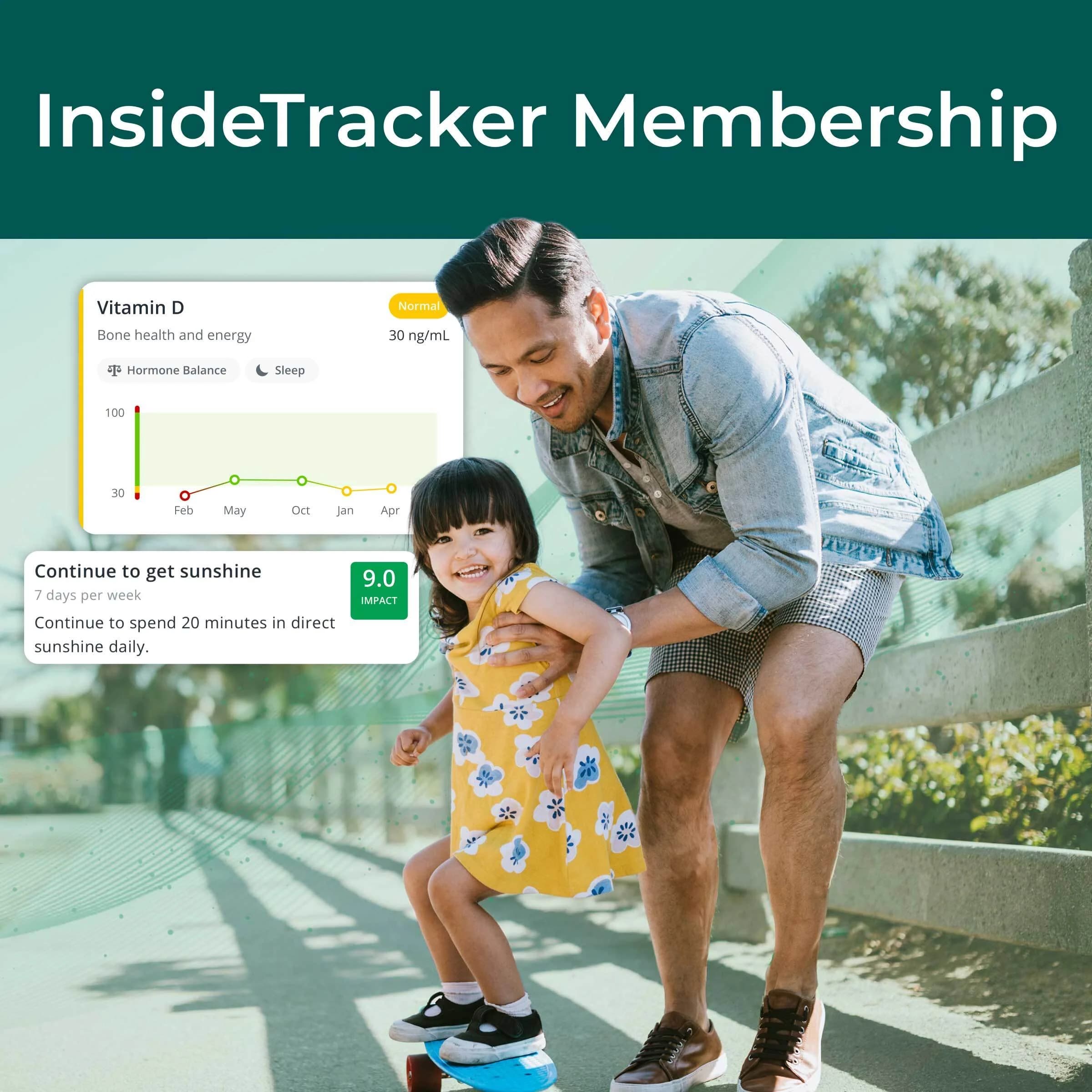

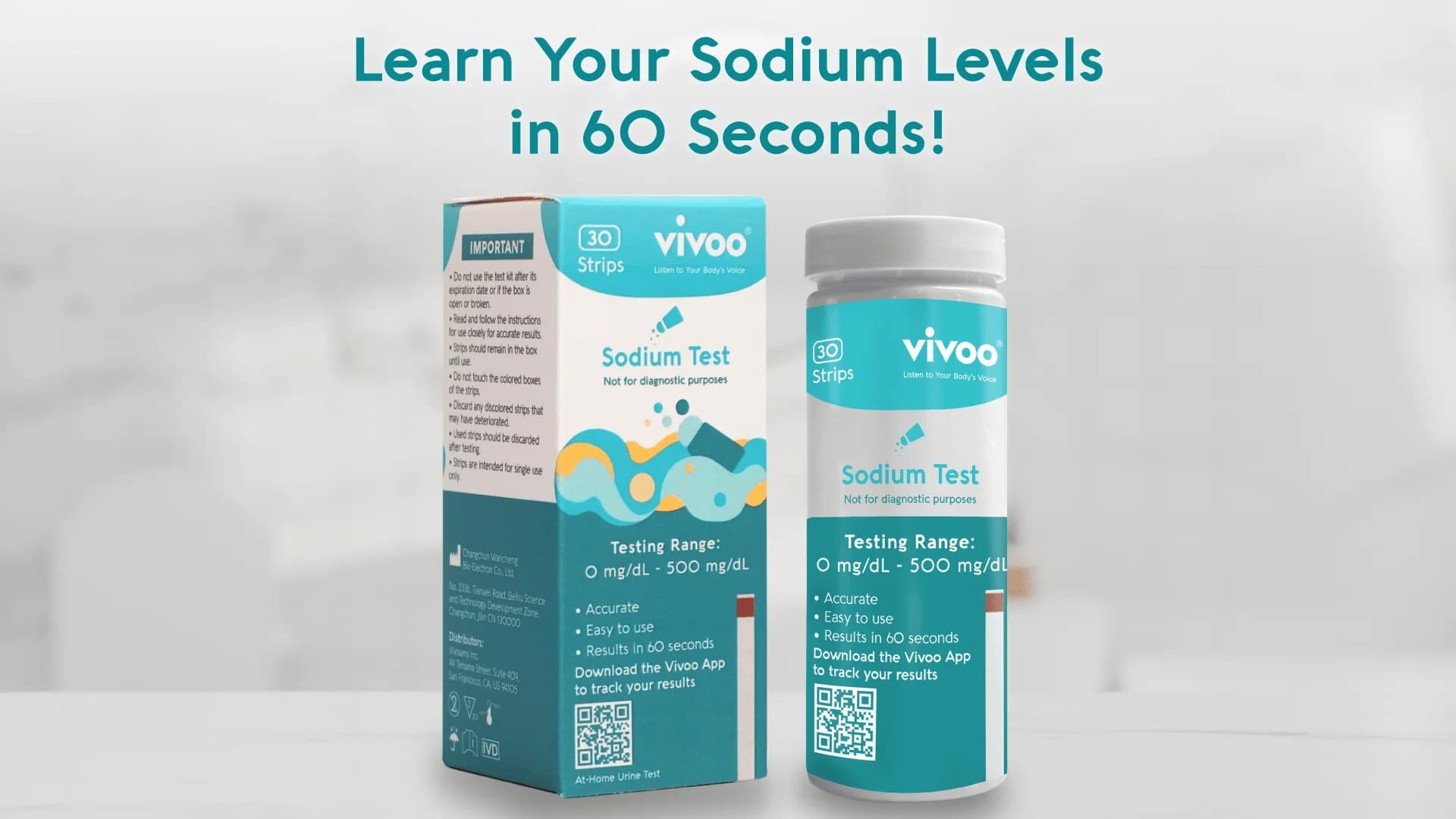











Nutrition & Dietary Focus
For a 32-year-old male focused on testosterone and steady energy, prioritize sufficient protein, healthy fats (with omega-3s), and key micronutrients (vitamin D, zinc, magnesium, selenium). Use a low-glycemic, high-fiber meal pattern, smart workout fueling, and caffeine/hydration timing that protects sleep. In NYC, pay special attention to winter vitamin D status; consider creatine to enhance training capacity that supports hormonal health.
Recommendations
Hormonal Health (Protein)
Aim for 1.6–2.2 g protein per kg body weight daily, split into 3–4 meals (25–40 g each) from eggs, fish, poultry, Greek yogurt, and legumes.
Hormonal Health (Fats)
Get ~30–35% of calories from fat emphasizing extra-virgin olive oil, avocado, nuts, whole eggs, and dairy; include some saturated fat from eggs/dairy and avoid trans fats.
Key Micronutrients for T
Check 25(OH)D; in low-sun months take vitamin D3 1,000–2,000 IU/day. Meet zinc 11 mg/day via foods (oysters, beef, pumpkin seeds). Consider magnesium glycinate providing 200–400 mg elemental Mg in the evening. Get selenium from 1–2 Brazil nuts/day (~50–100 mcg) or a modest supplement. Avoid high-dose zinc/selenium and do not take iron unless prescribed.
Omega-3 & Inflammation
Eat fatty fish (salmon, sardines) at least 2 times/week or use an omega-3 providing 1–2 g/day EPA+DHA.
Metabolic Balance & Energy
Build each meal with protein + 8–10 g fiber (vegetables, beans, oats) + slow carbs (quinoa, sweet potato, brown rice) + healthy fats; keep added sugars under ~25 g/day.
Workout Fueling
Pre-workout (60–90 min): 30–60 g carbs + 15–25 g protein. Post-workout (within 3 h): 20–40 g protein + 1–1.2 g/kg carbs; include sodium/potassium if sweating heavily.
Caffeine, Alcohol & Sleep Support
Delay caffeine 60–90 min after waking; cap at 200–300 mg/day and avoid after 2 pm. Limit alcohol to ≤2 drinks on any day and avoid within 3–4 h of bedtime. In the evening, include magnesium-rich foods (leafy greens, nuts).
Evidence-Backed Ergogenic Aid
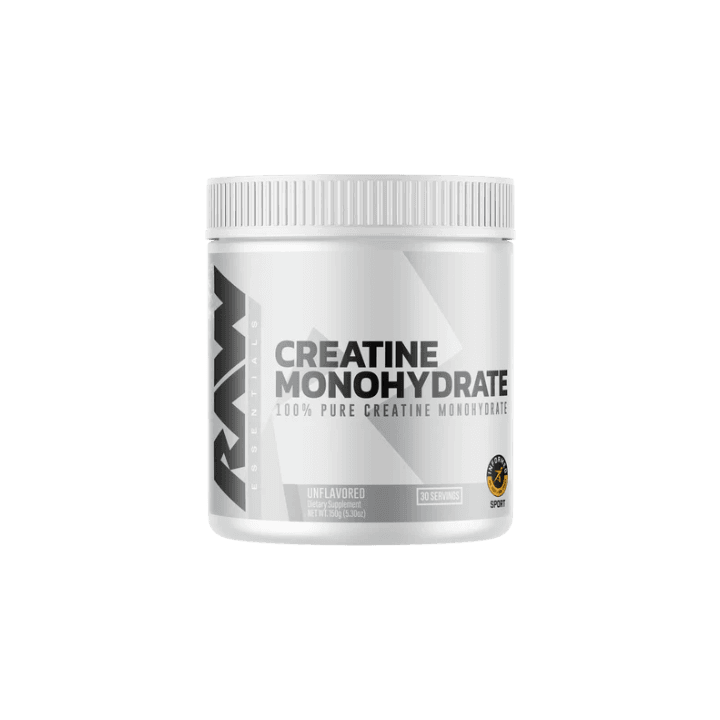
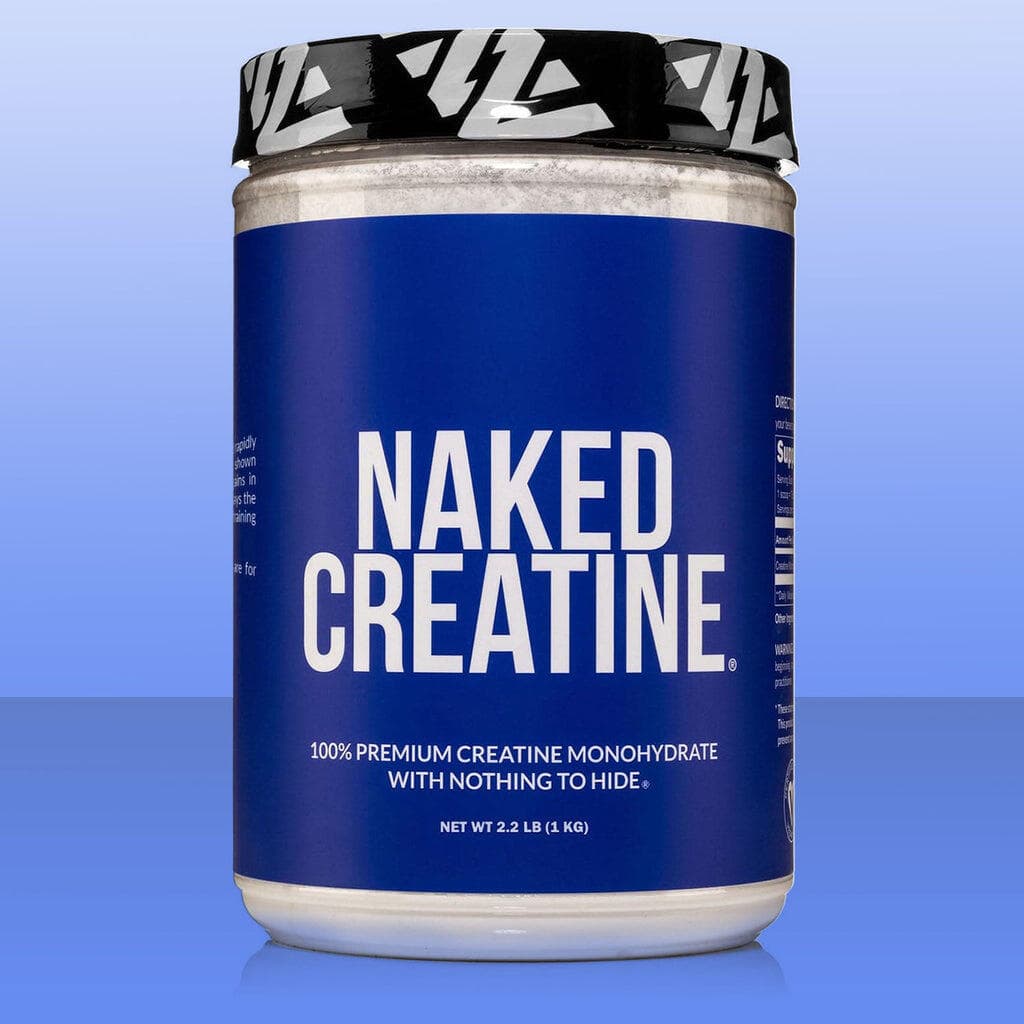
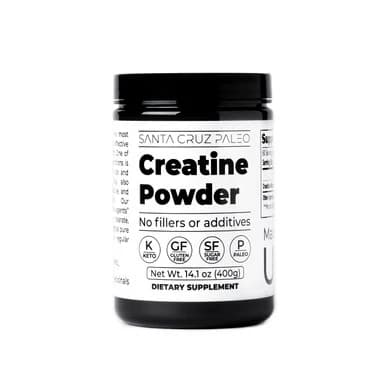
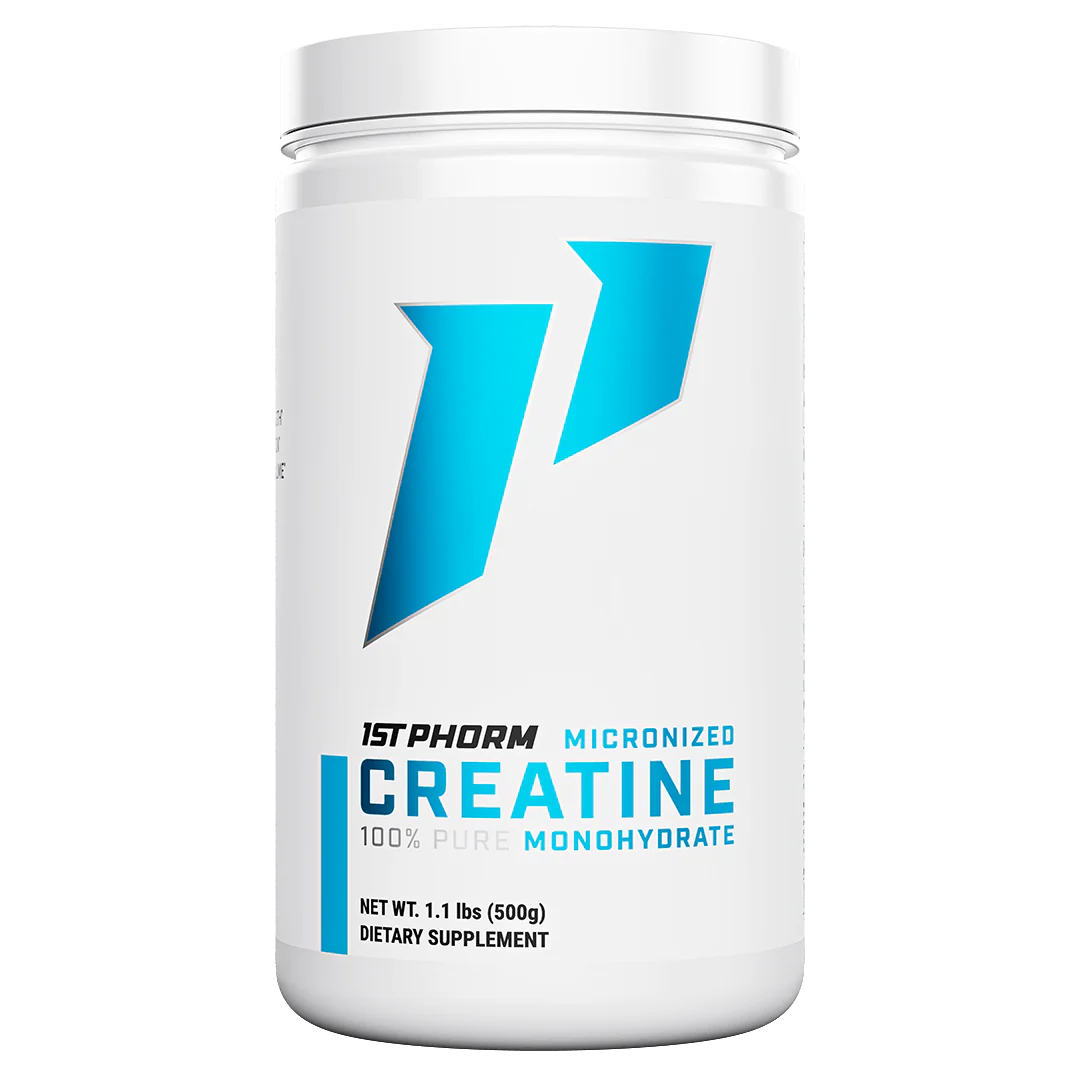
Consider creatine monohydrate 3–5 g daily with a meal; stay well hydrated.
Recommended Products






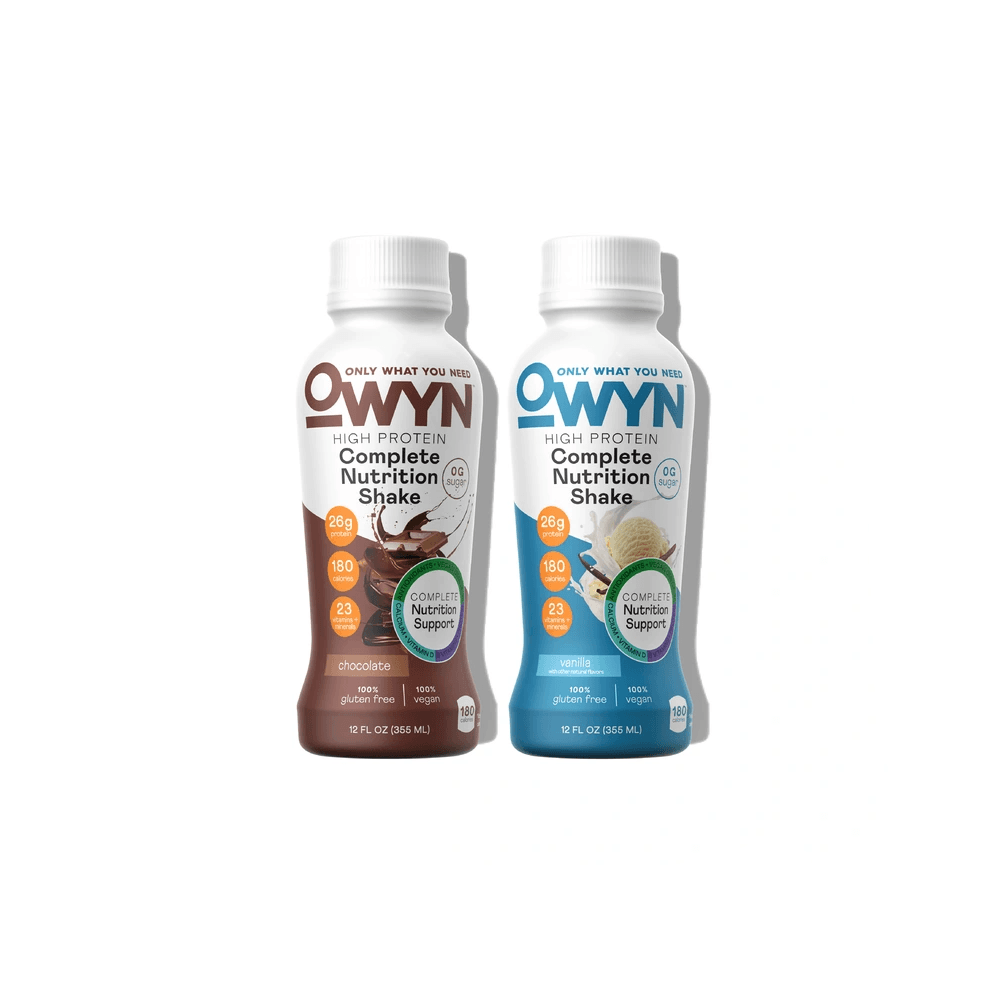

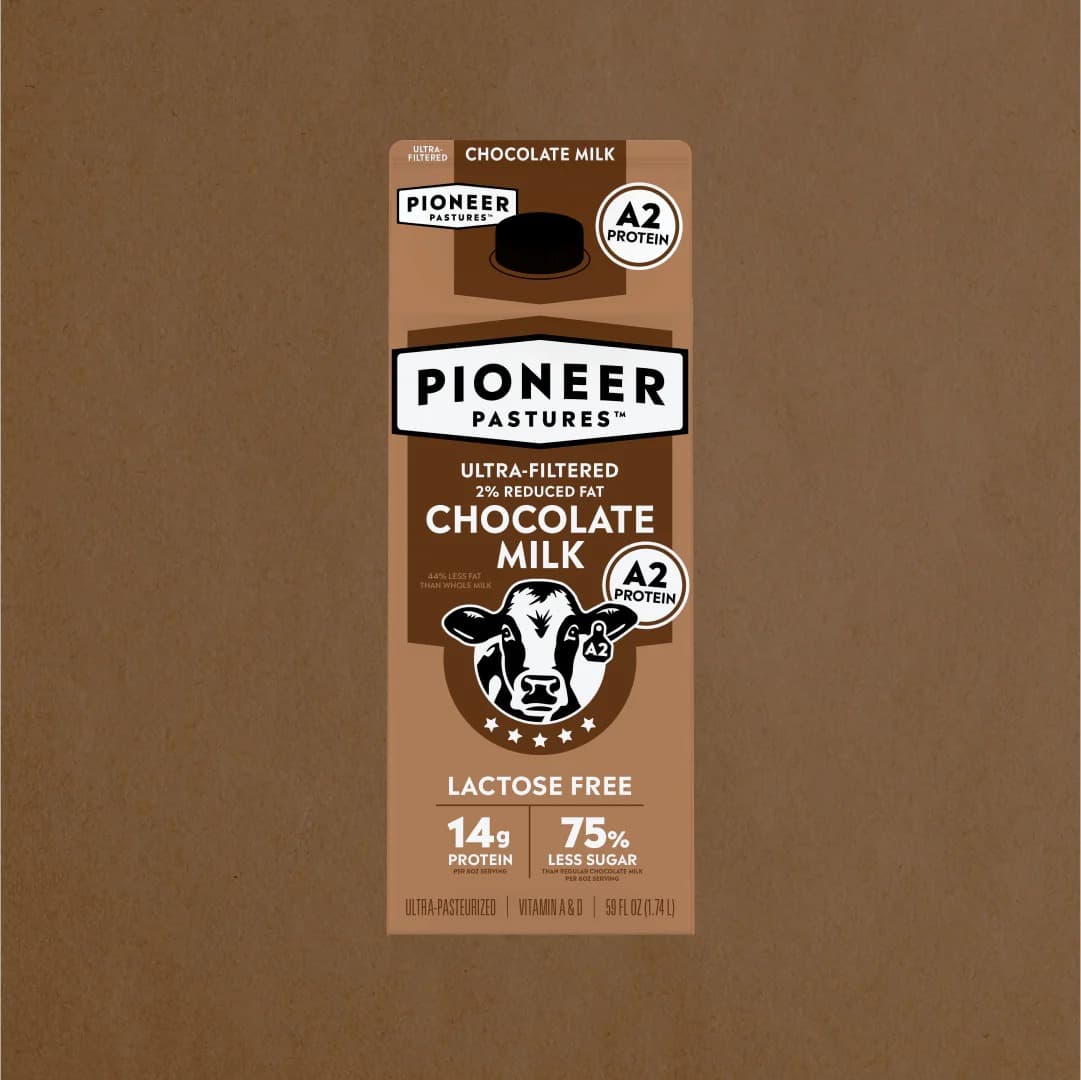

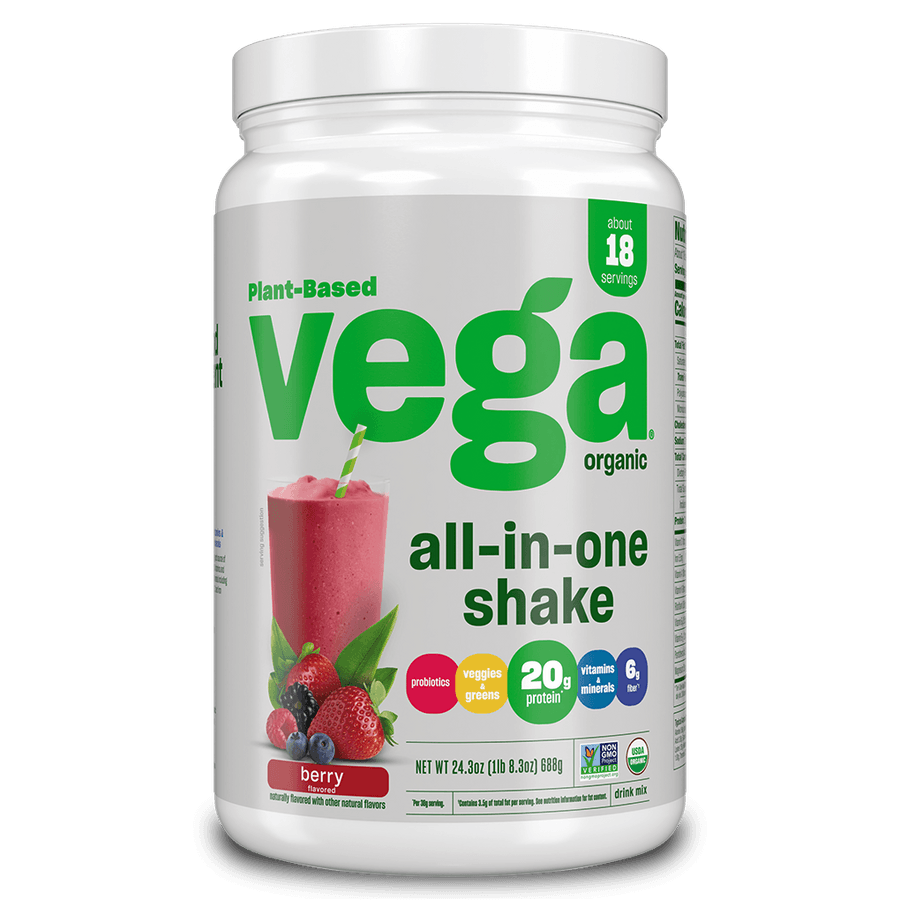



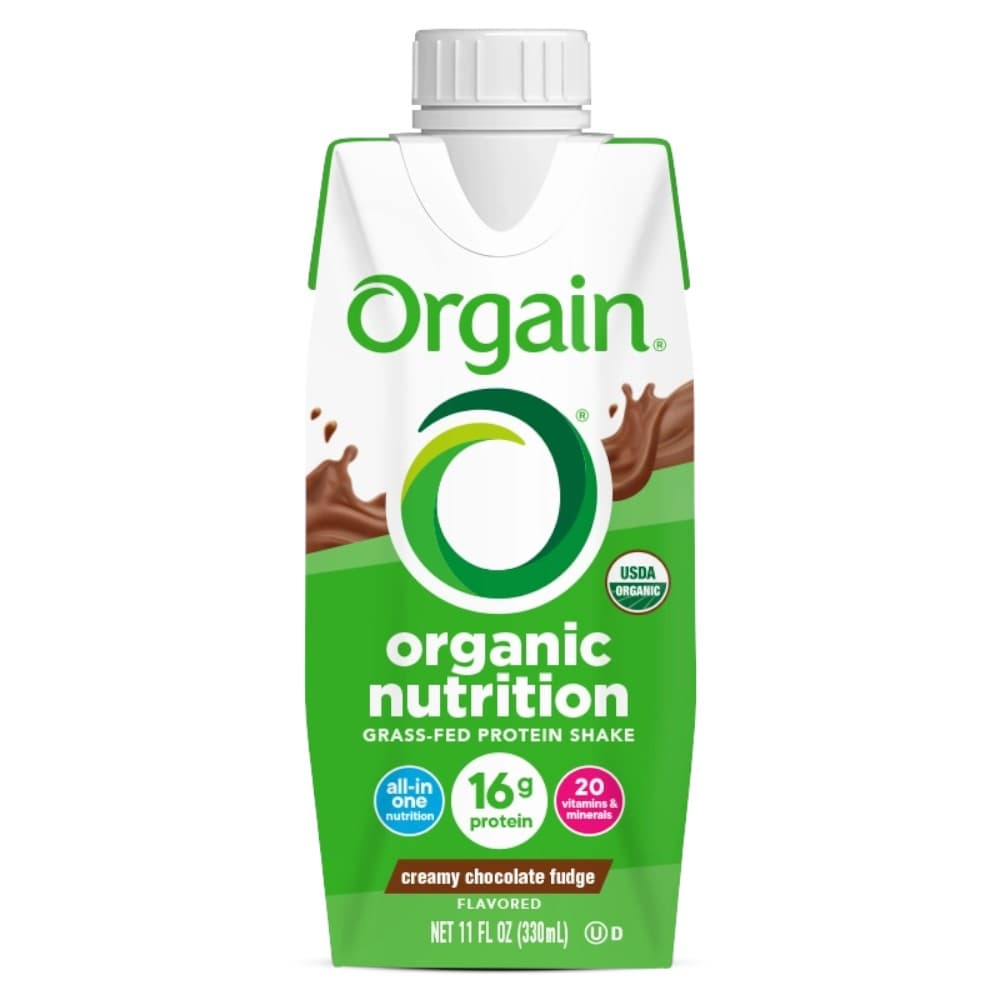





Supplement Strategy
For a healthy 32-year-old male targeting testosterone and steady energy, prioritize fundamentals that support androgen production, stress resilience, and mitochondrial ATP output. This stack emphasizes vitamin D3 (NYC sun gap), zinc and magnesium for hormone enzymatics and sleep quality, omega-3s for inflammation control, creatine and CoQ10 for cellular energy, plus ashwagandha and low-dose boron for modest, evidence-based testosterone support.
Supplement Recommendations
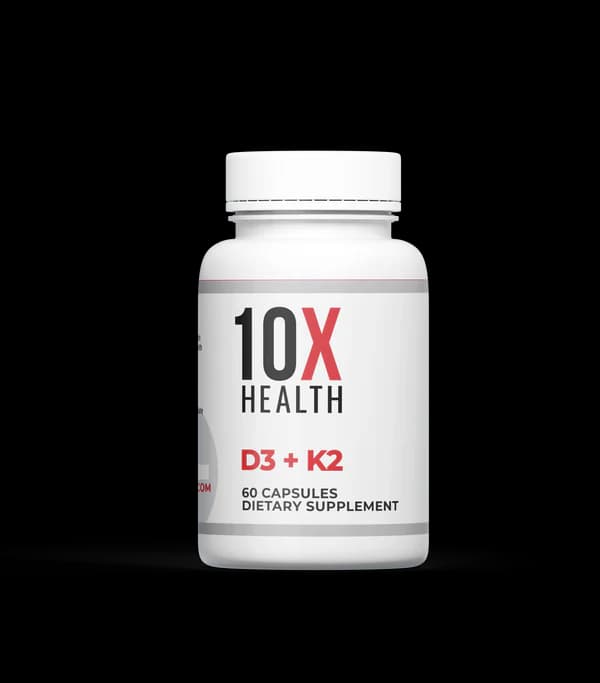
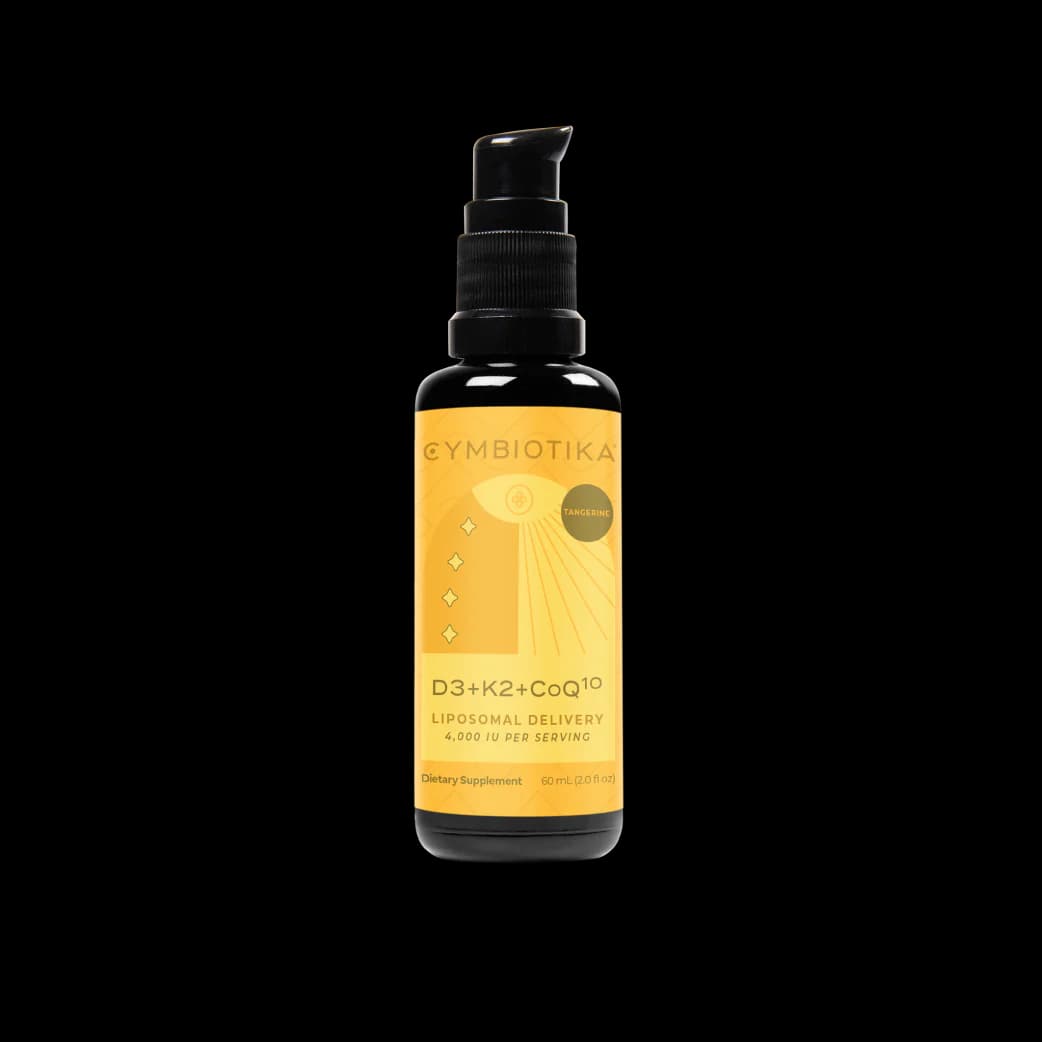
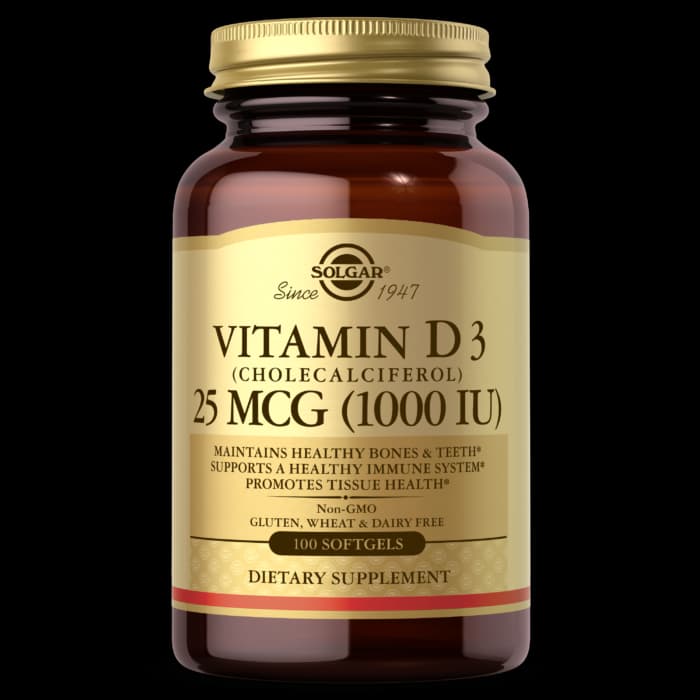
Vitamin D3 (cholecalciferol)
•Hormone Health1,000–2,000 IU daily with a meal containing fat; adjust to maintain 25(OH)D ~30–50 ng/mL
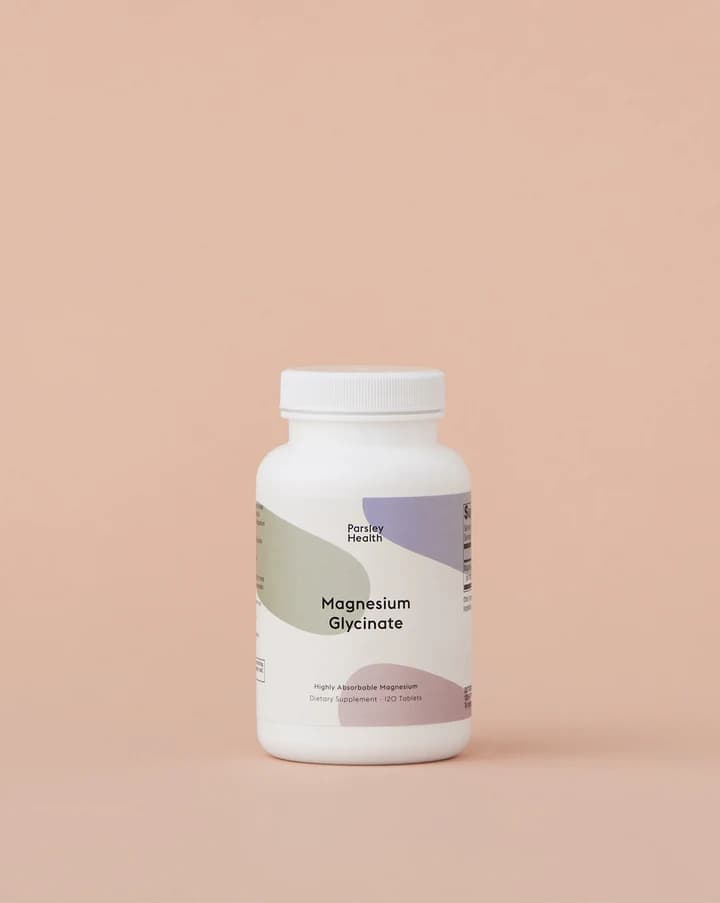
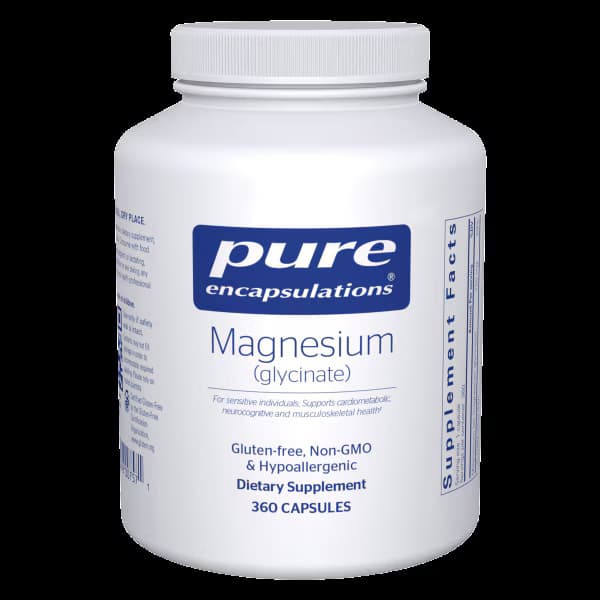
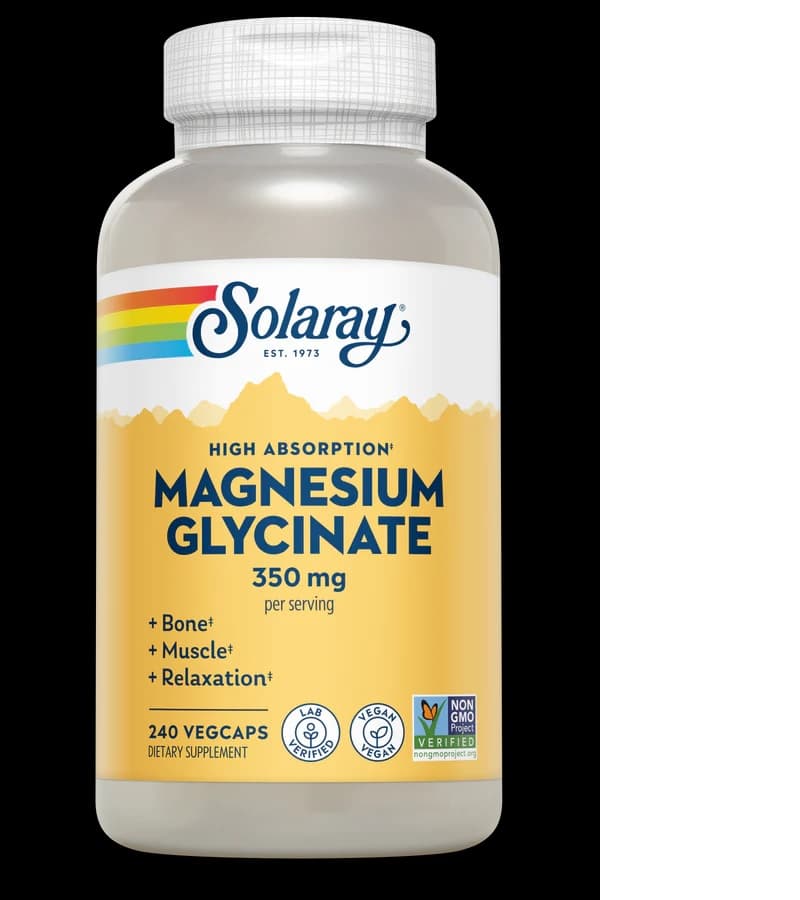
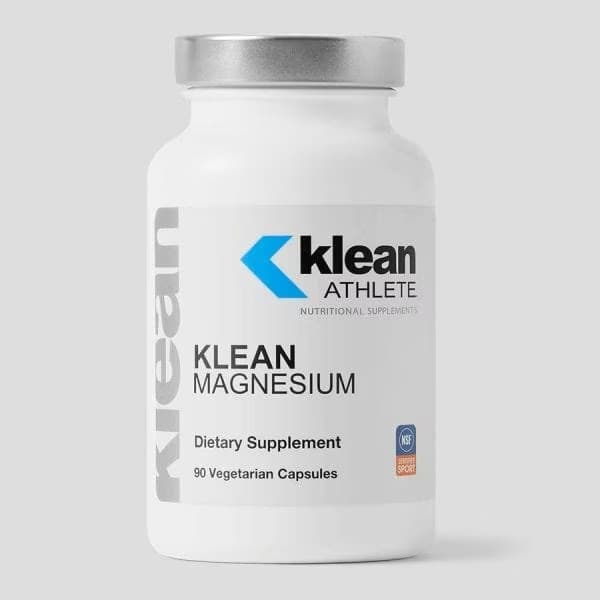
Magnesium glycinate
•Hormone Health & Recovery200–400 mg elemental magnesium nightly
Zinc (picolinate or citrate)
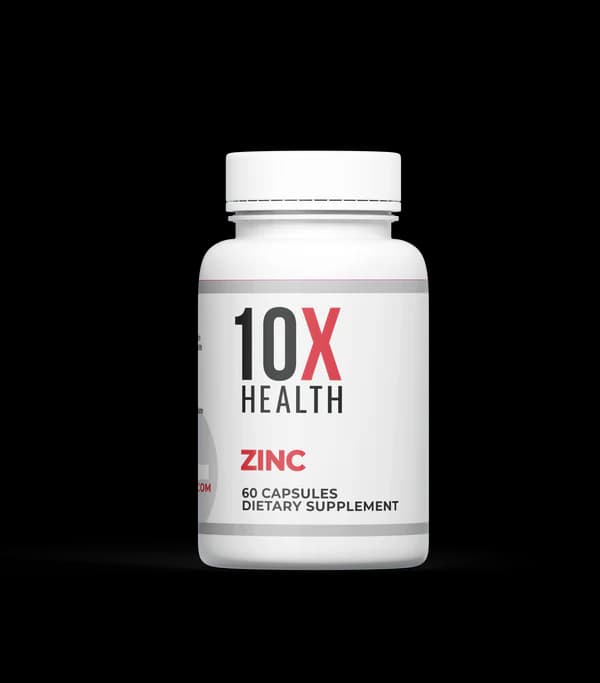
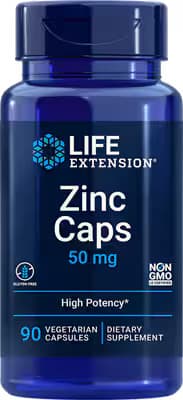
•Hormone Health8–15 mg daily with food
Omega-3 fish oil (EPA/DHA)
•Metabolic & Inflammation Support1–2 g/day combined EPA+DHA with meals
Ashwagandha (KSM-66 or equivalent root extract)
•Stress & Hormone Health600 mg/day total, typically 300 mg twice daily with meals
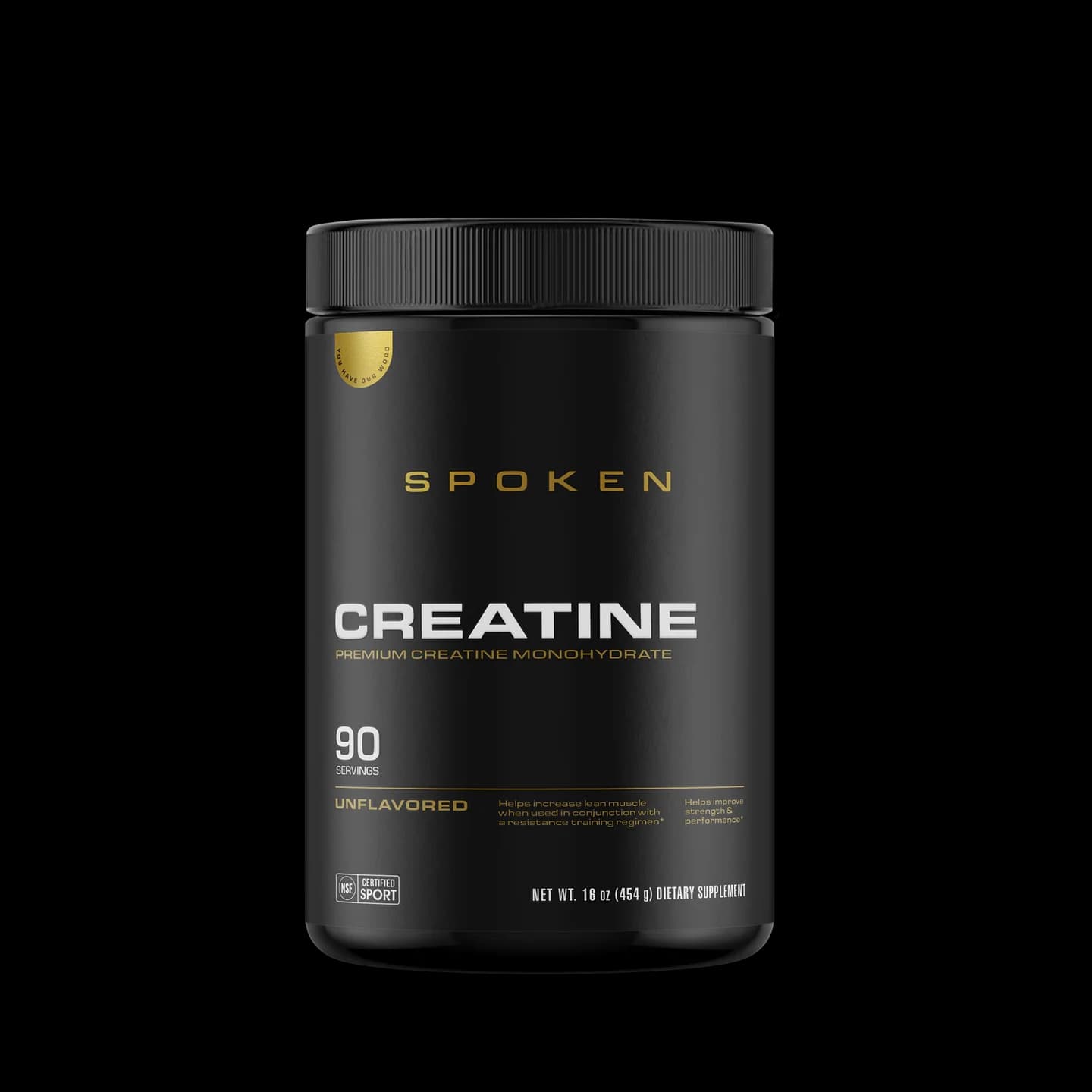
Creatine monohydrate
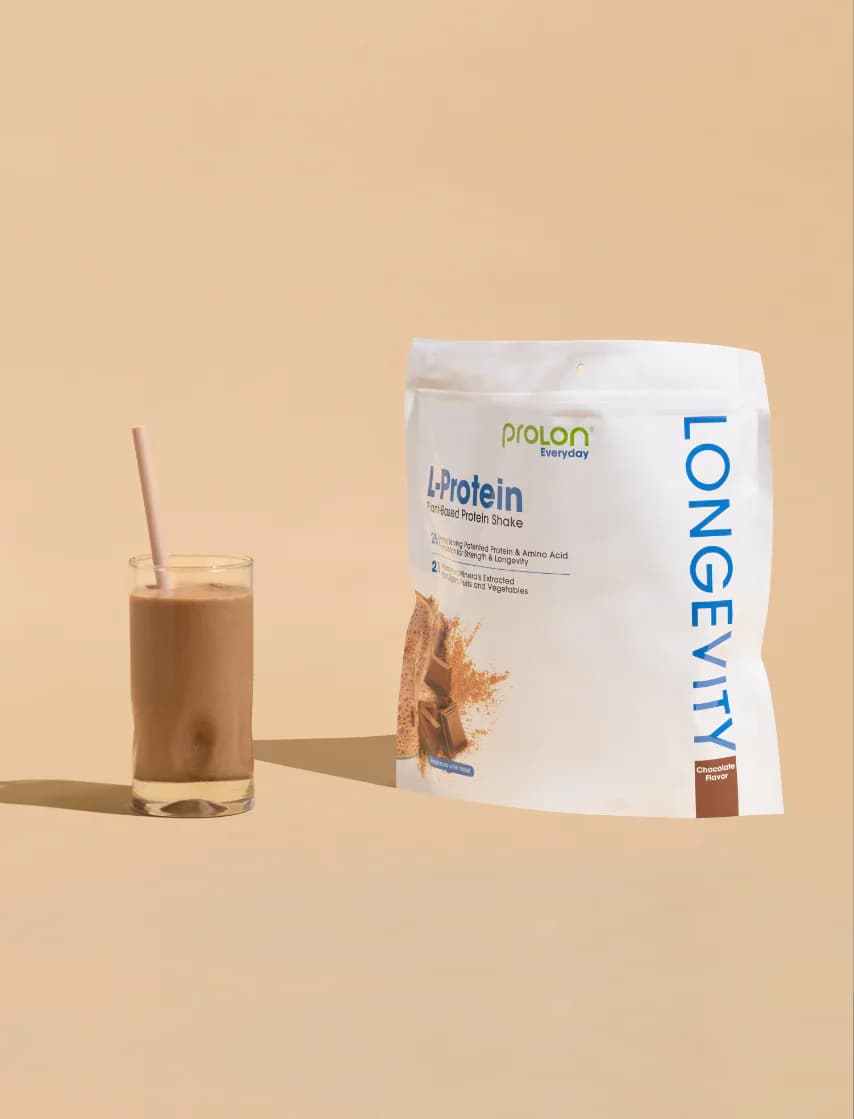
•Energy & Performance3–5 g daily (no cycling needed), powder mixed in water
CoQ10 (ubiquinol preferred)
•Mitochondrial Energy100–200 mg daily with a fat-containing meal
Boron (as boron glycinate/citrate)
•Hormone Health3 mg daily with food
Recommended Products










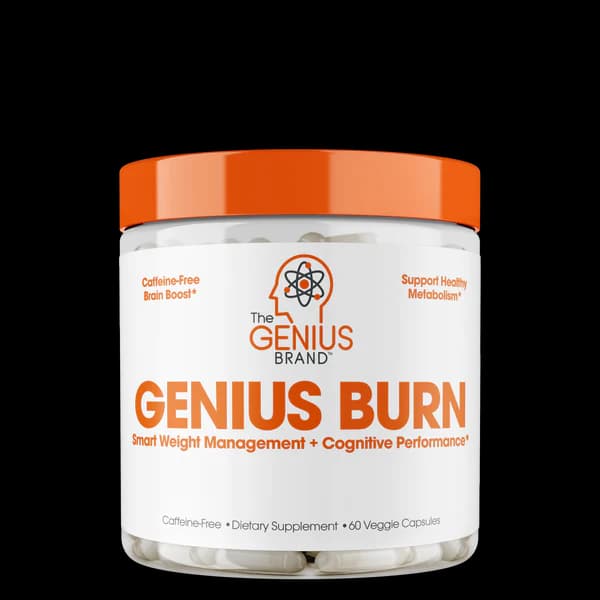

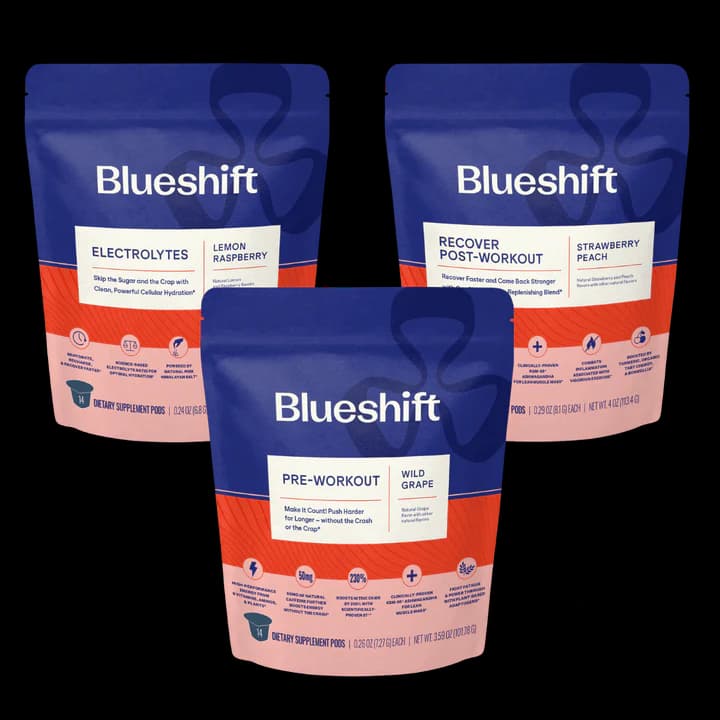

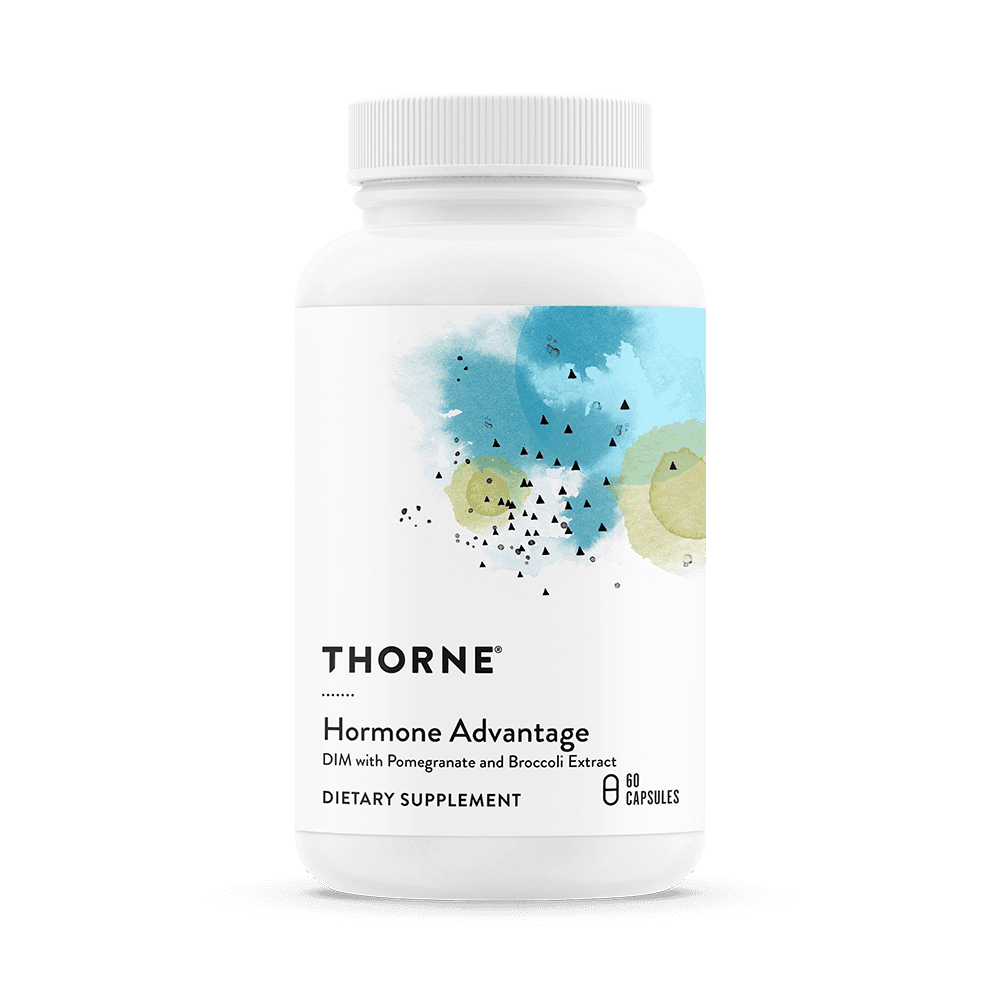




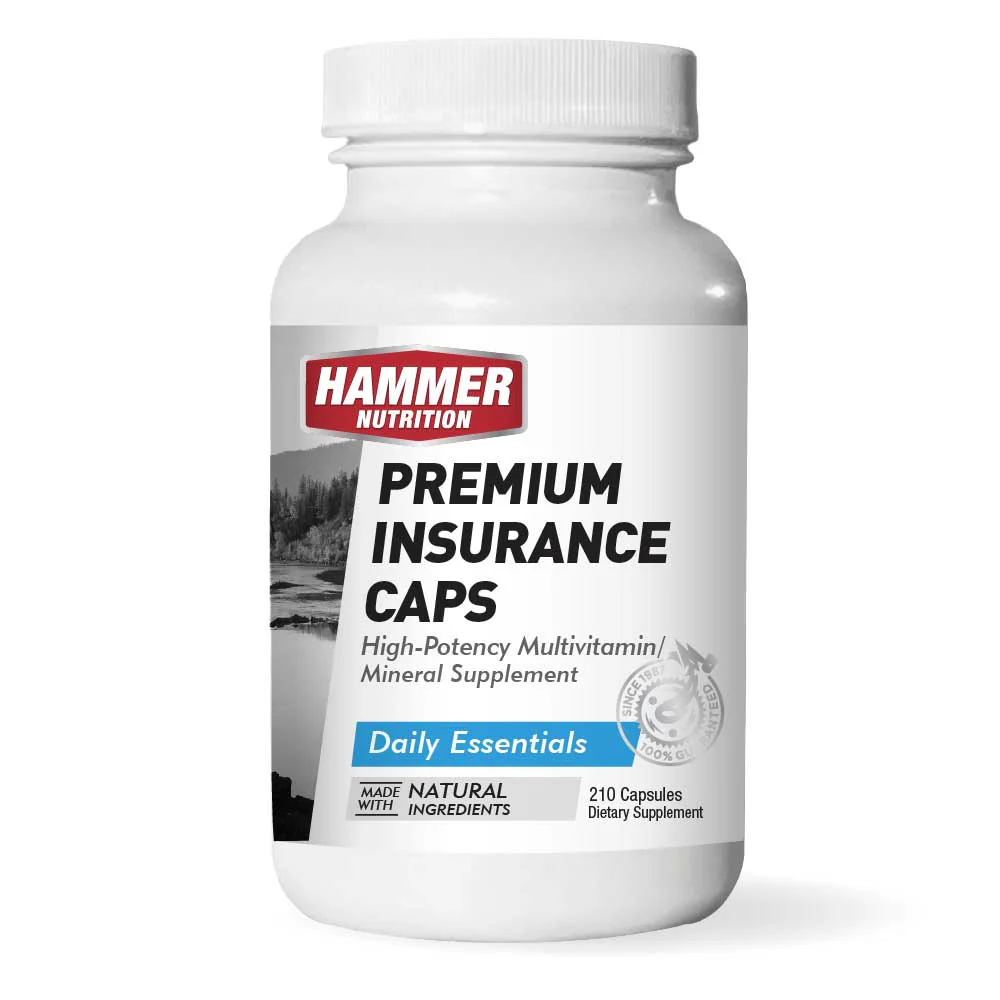



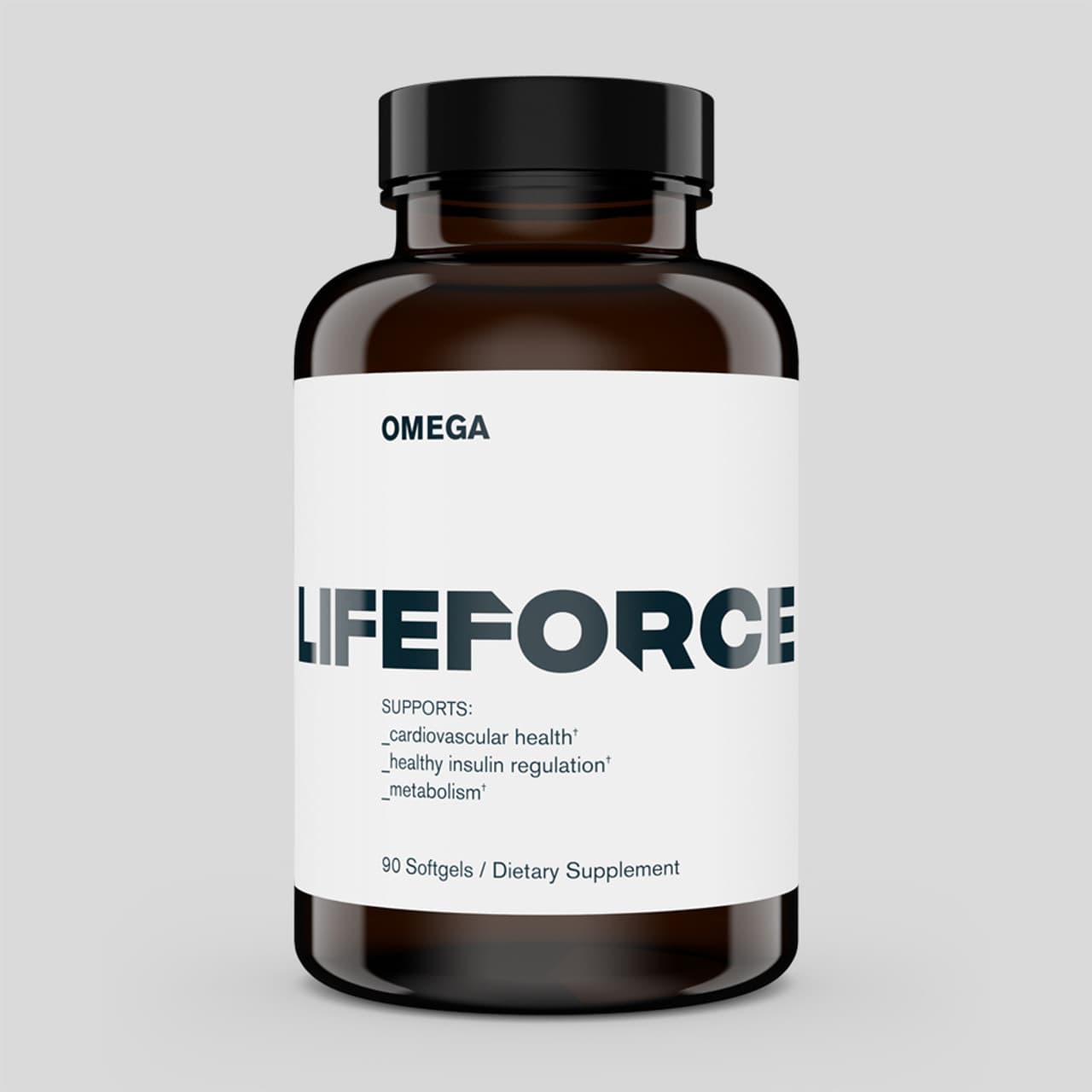

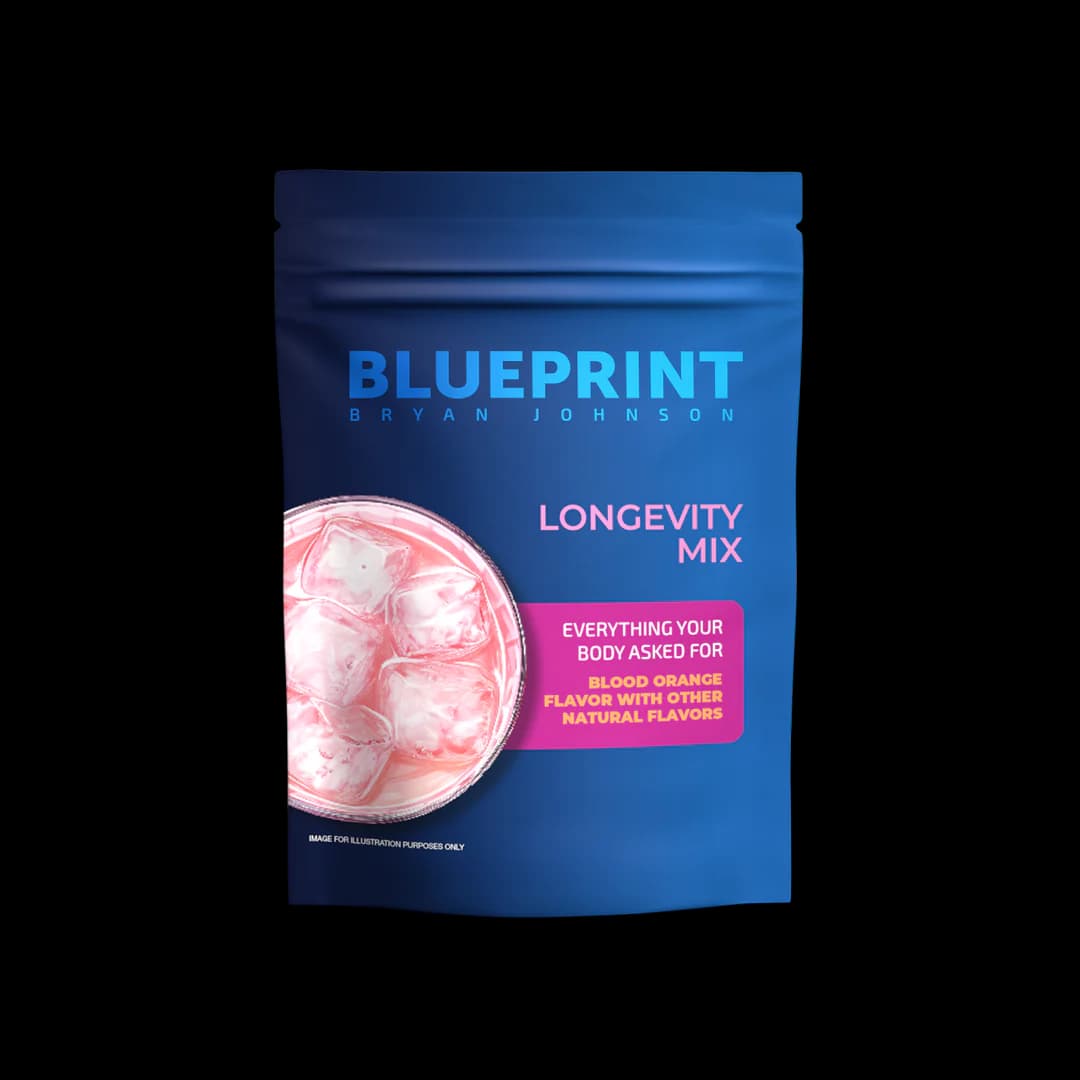

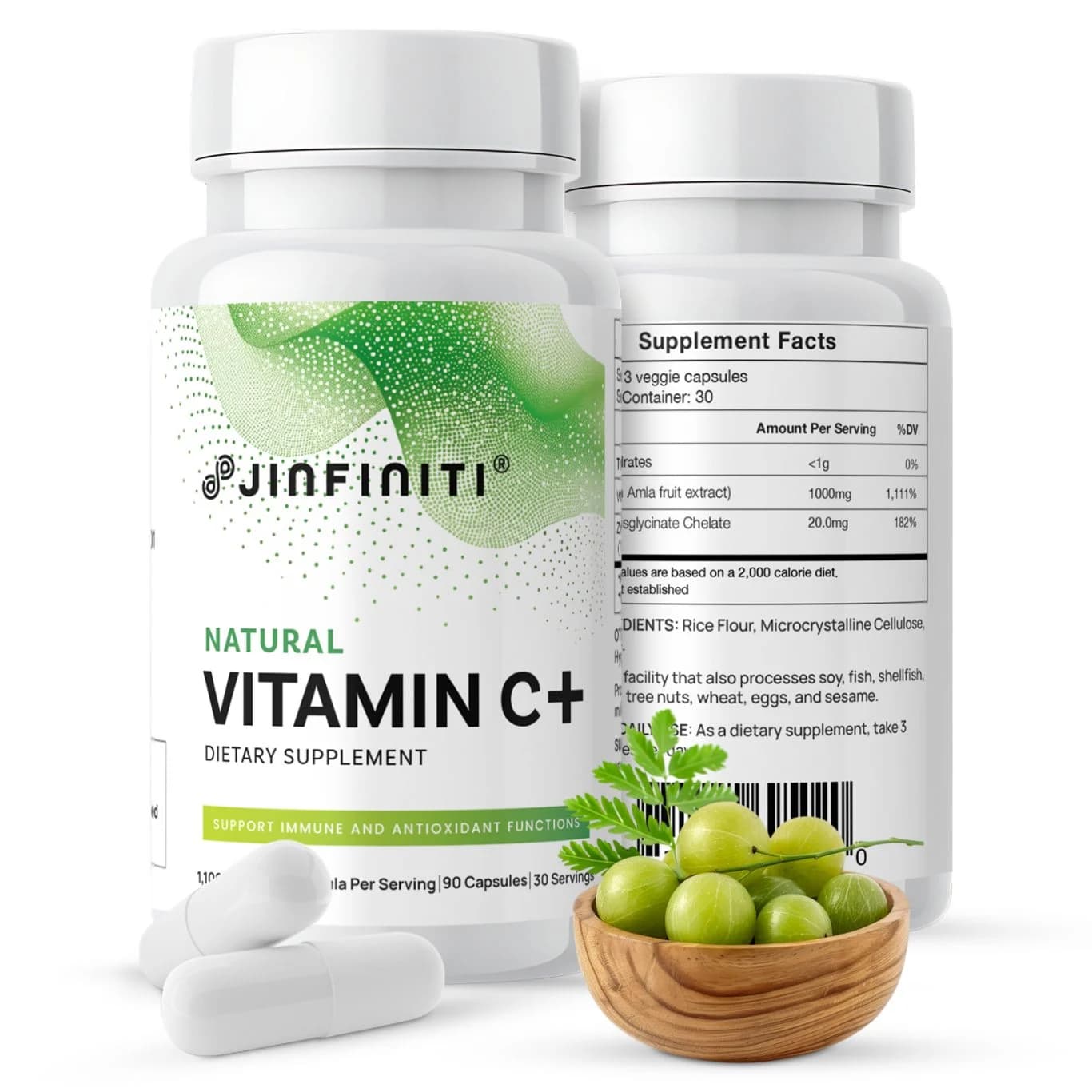



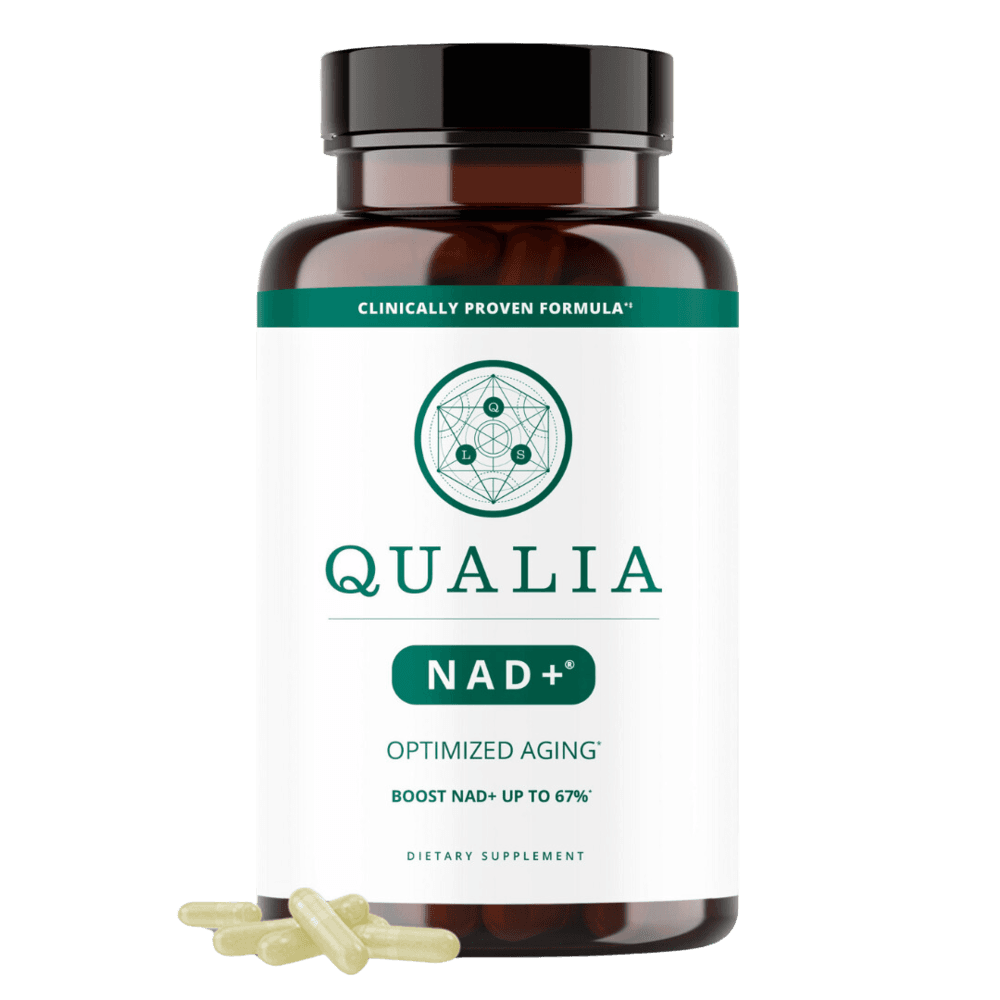

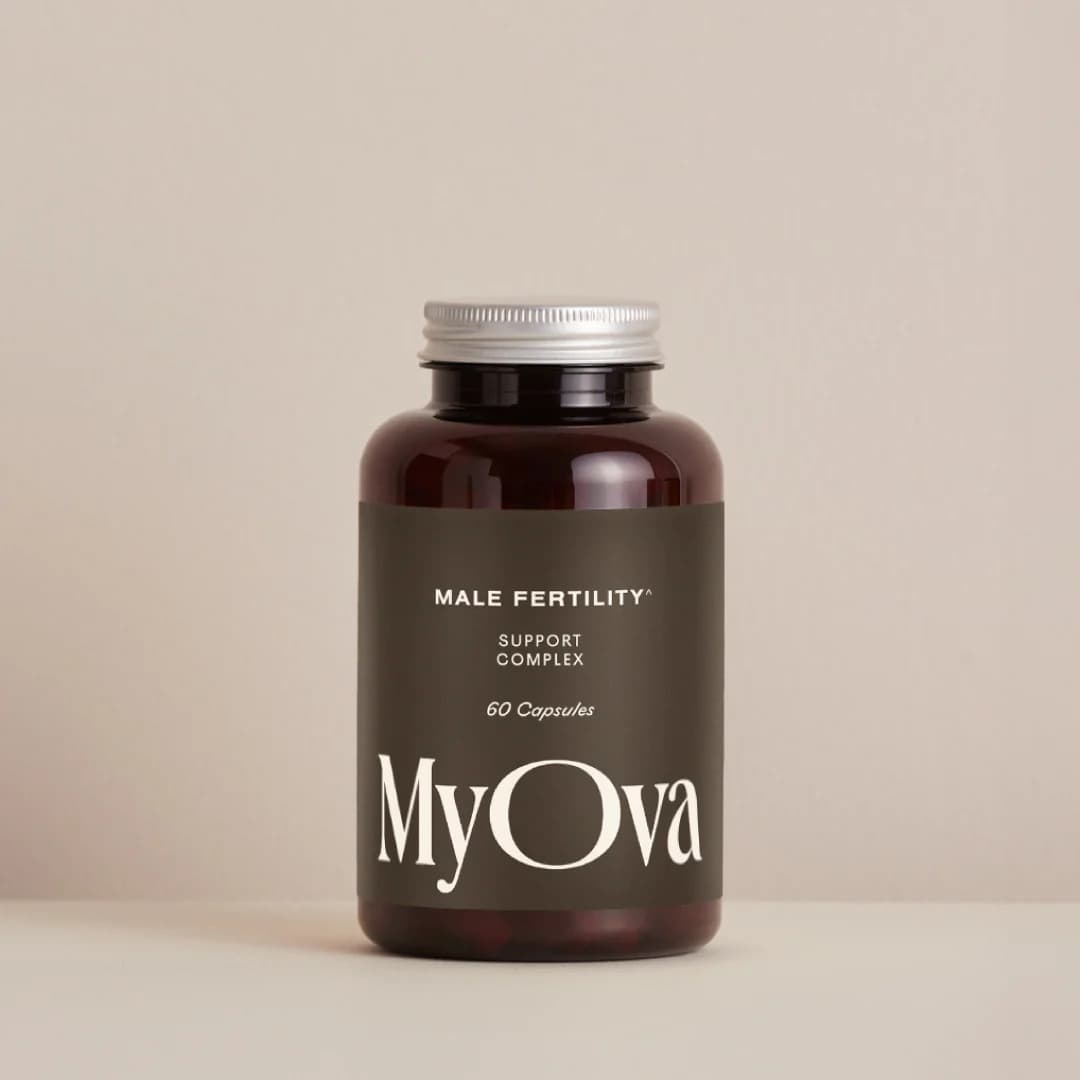

Gut Health & Microbiome
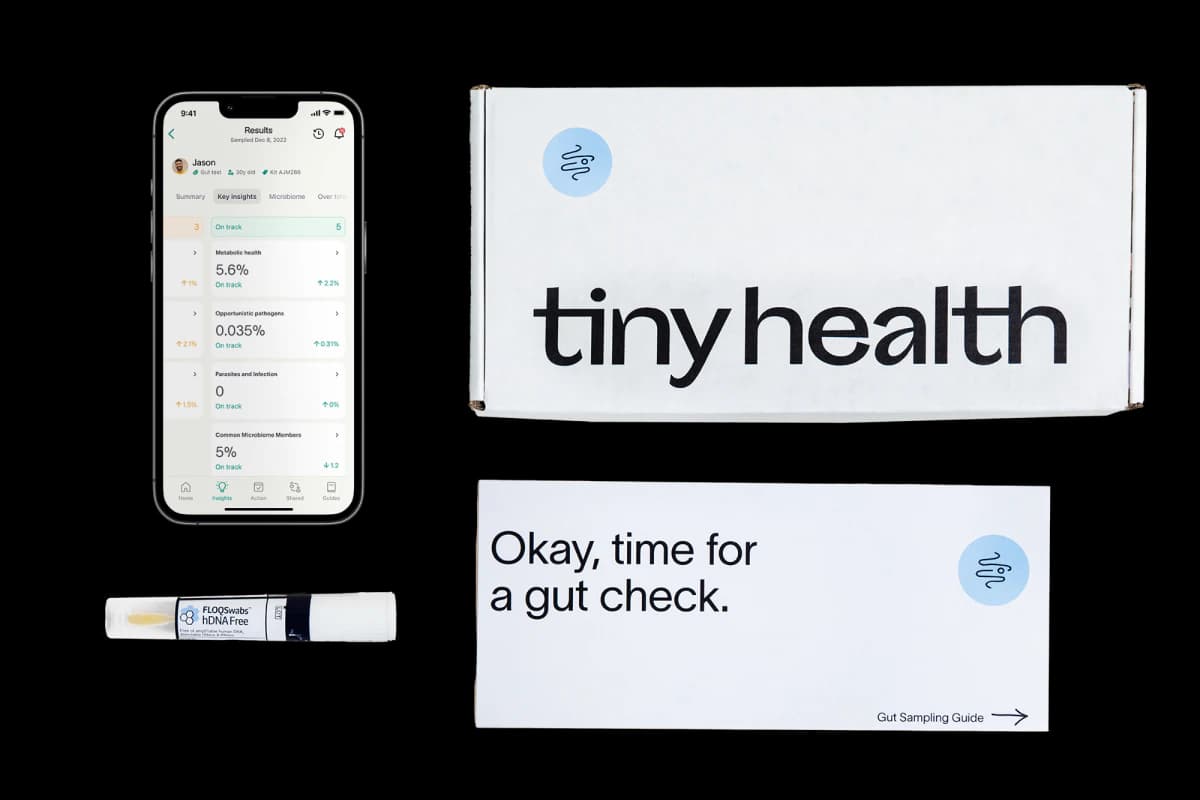
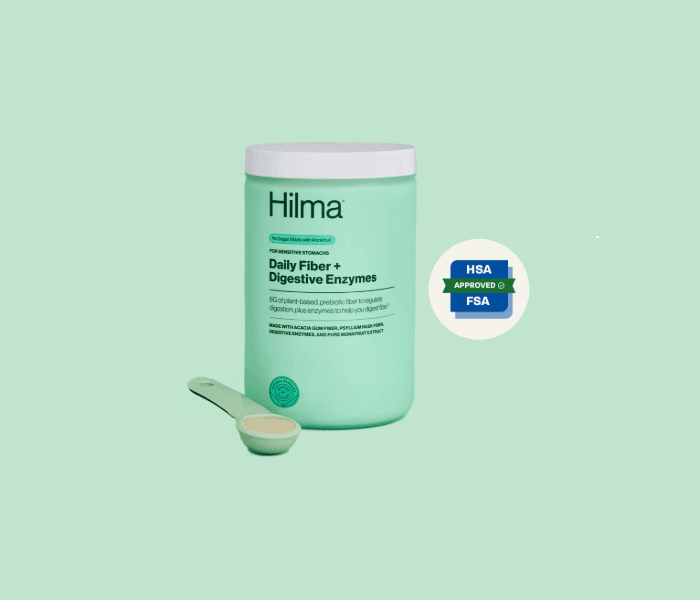
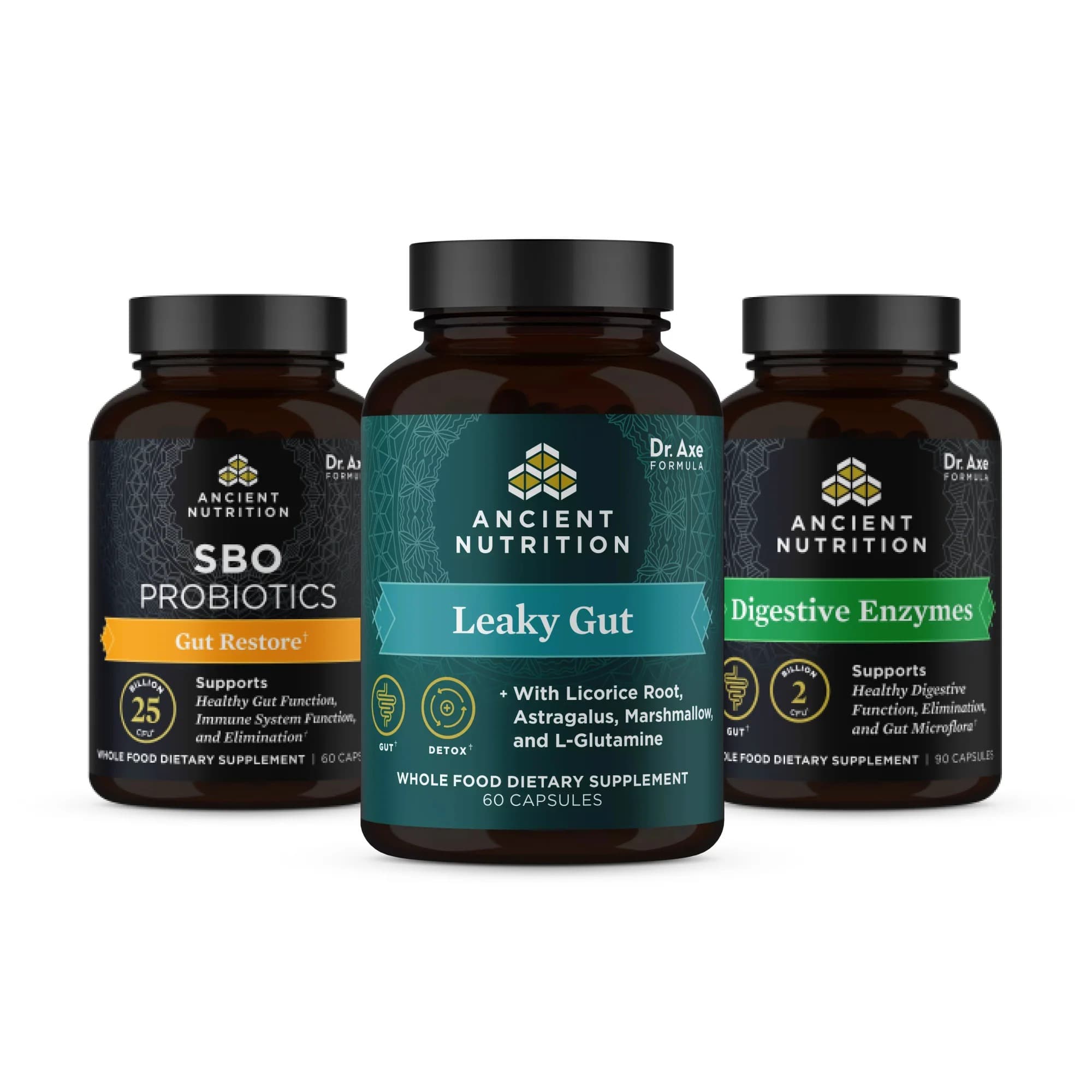
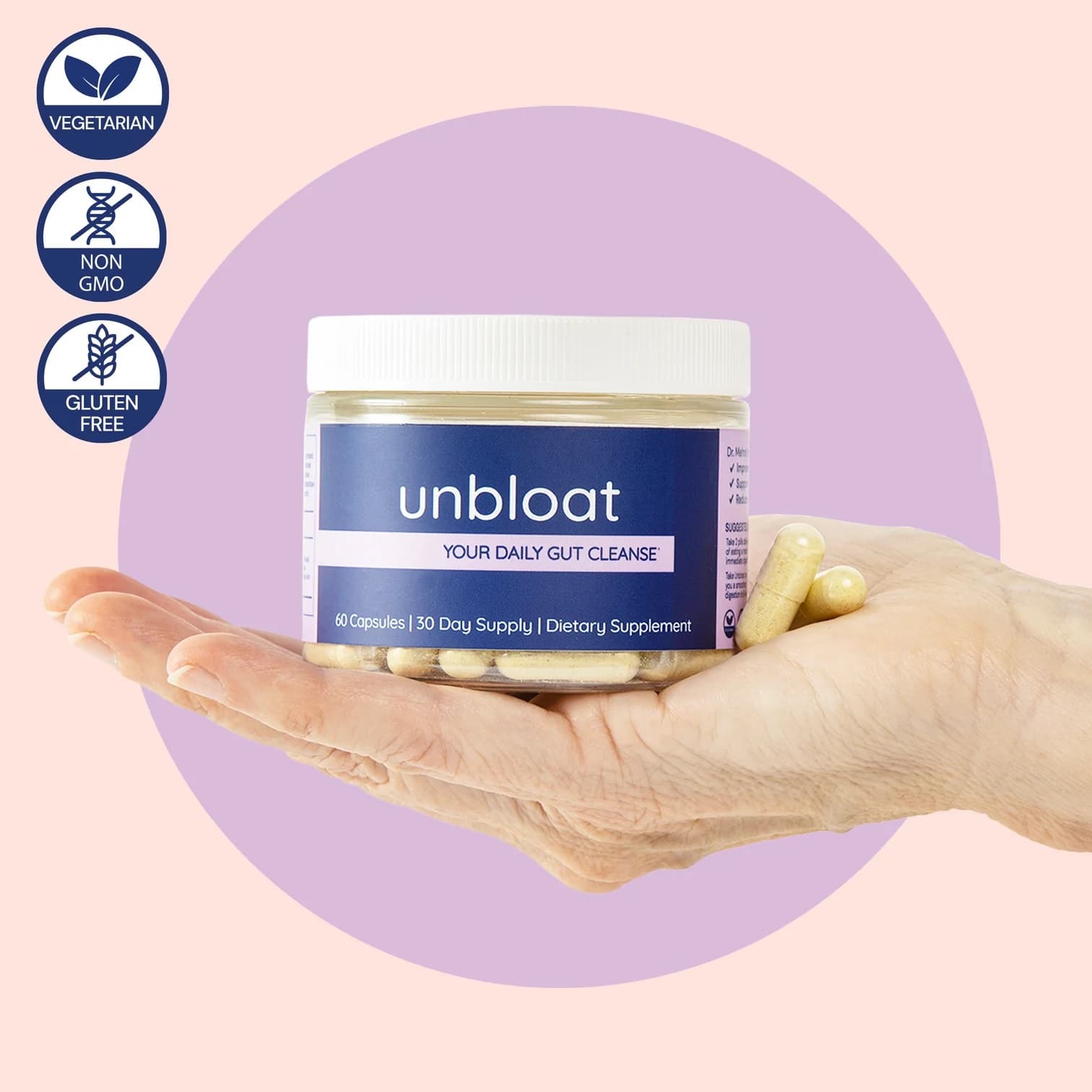
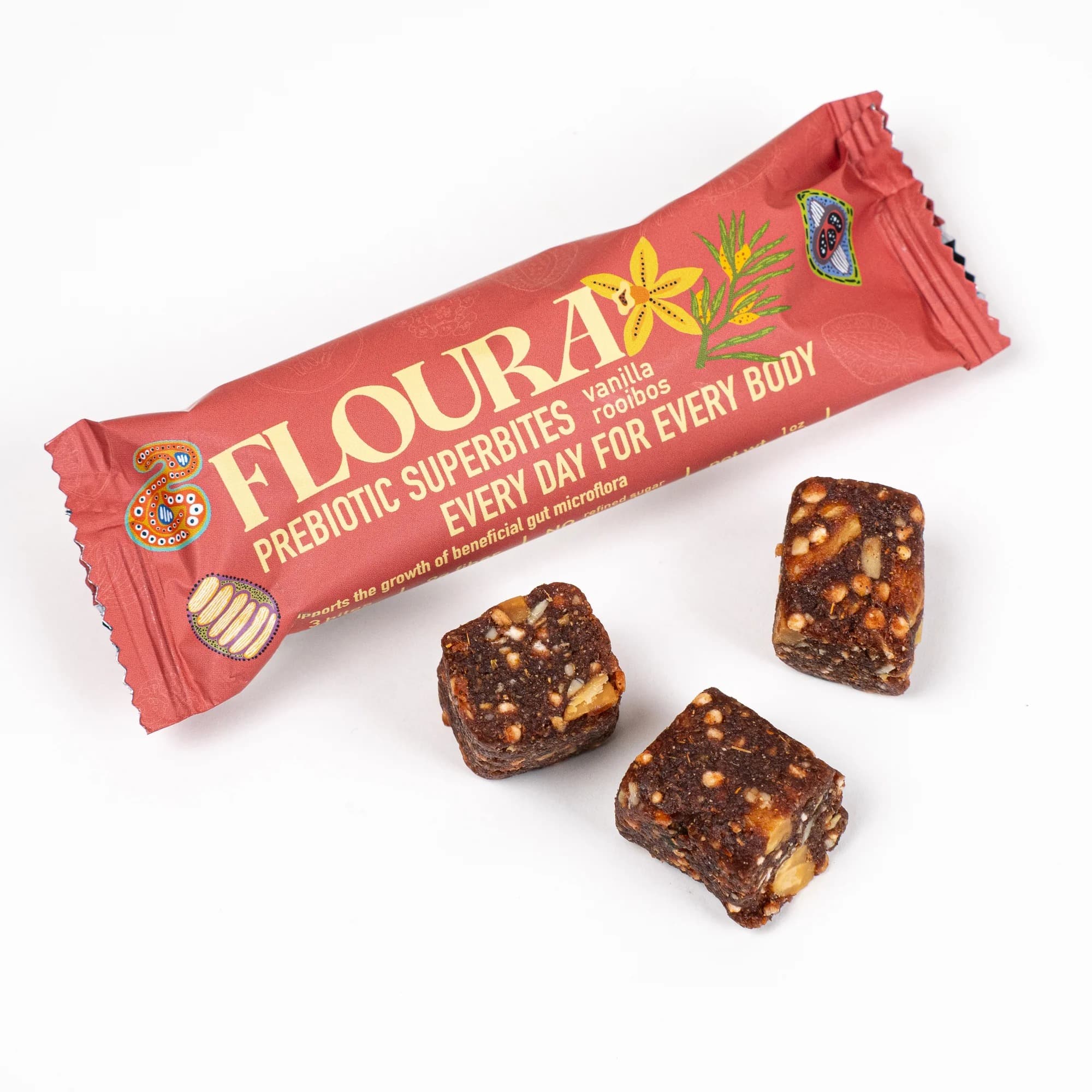
For a 32-year-old male aiming to support testosterone and steady energy, prioritize a diverse, fiber-rich microbiome (including fermented foods), consistent gut–brain rhythm, strong digestion and nutrient absorption, lowered gut-driven inflammation, and steady motility after meals.
Recommendations
Microbiome Diversity
Hit ~30 different plant foods weekly and include 5–7 servings of fermented foods (e.g., kefir, yogurt, sauerkraut, kimchi). Rotate choices to broaden exposure.
Prebiotic Fibers & Resistant Starch
Add 1–2 daily prebiotic sources (onion, garlic, asparagus, oats, legumes) and 3–4 times/week resistant starch (cooled potatoes/rice, green banana flour). Increase gradually to comfort.
Probiotic Strategy
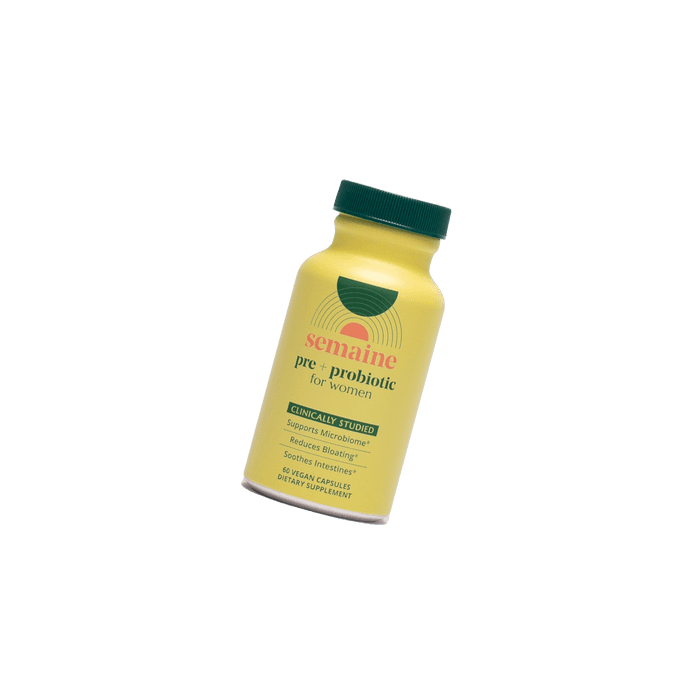
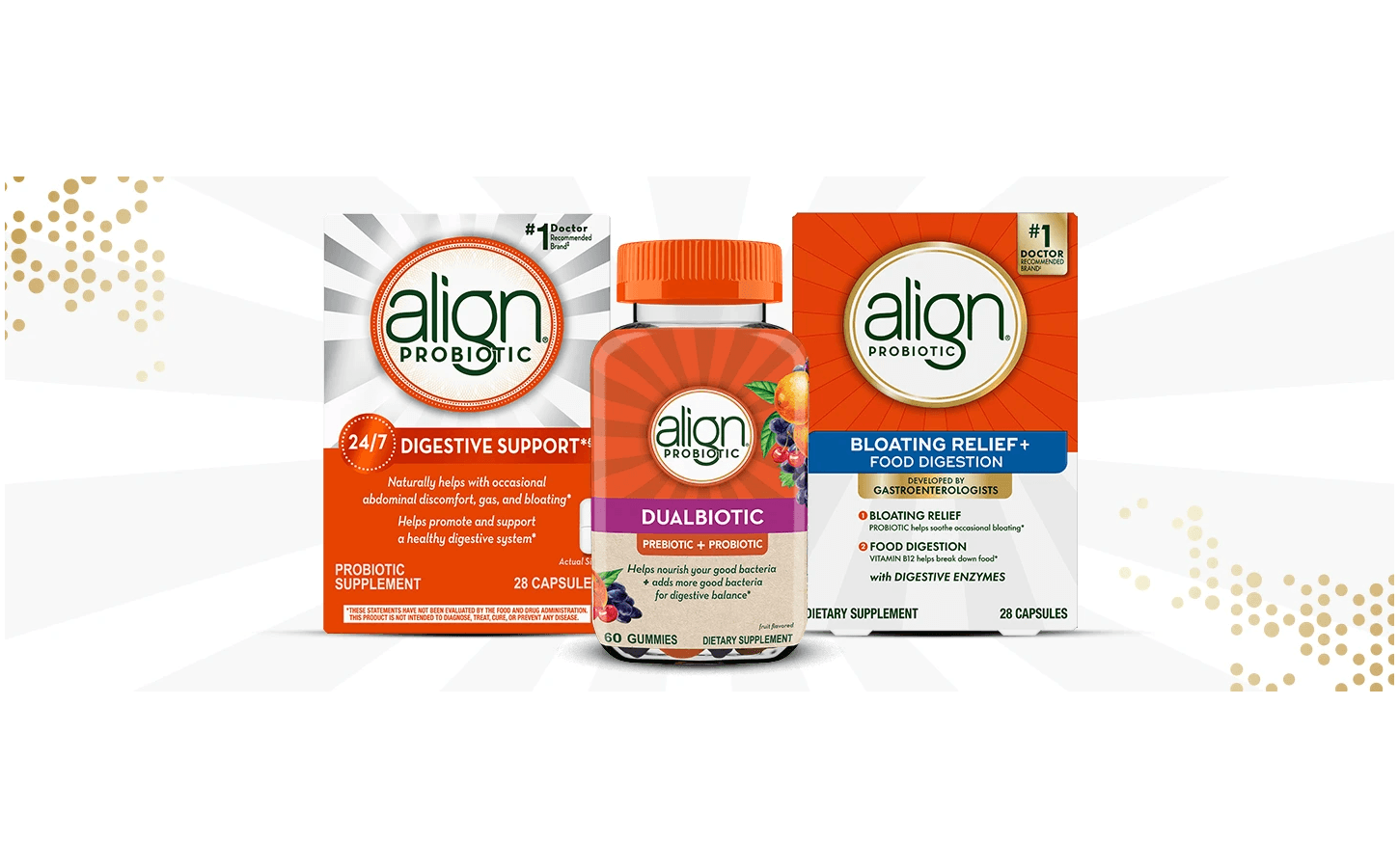
Use daily fermented foods; if not tolerated, consider a 4‑week trial of a multi‑strain Lactobacillus/Bifidobacterium probiotic with meals and track symptoms/energy.
Gut–Brain Axis & Circadian Rhythm
Get morning daylight, keep consistent meal times, and finish dinner 2–3 hours before bed; practice 2–5 minutes of slow nasal breathing before meals.
Digestive Function & Nutrient Absorption
Prime digestion with bitter greens (arugula, dandelion) or a few drops of digestive bitters before main meals; eat seated, chew thoroughly, and avoid rushing.
Inflammation & Barrier Protection
Limit alcohol to ≤3–4 drinks/week and avoid binge episodes; minimize ultra‑processed foods, especially those with emulsifiers (e.g., polysorbate‑80, carboxymethylcellulose).
Post‑Meal Motility
Take a relaxed 10–15 minute walk or light movement within 30 minutes after meals; stay upright and hydrate between meals.
Recommended Products
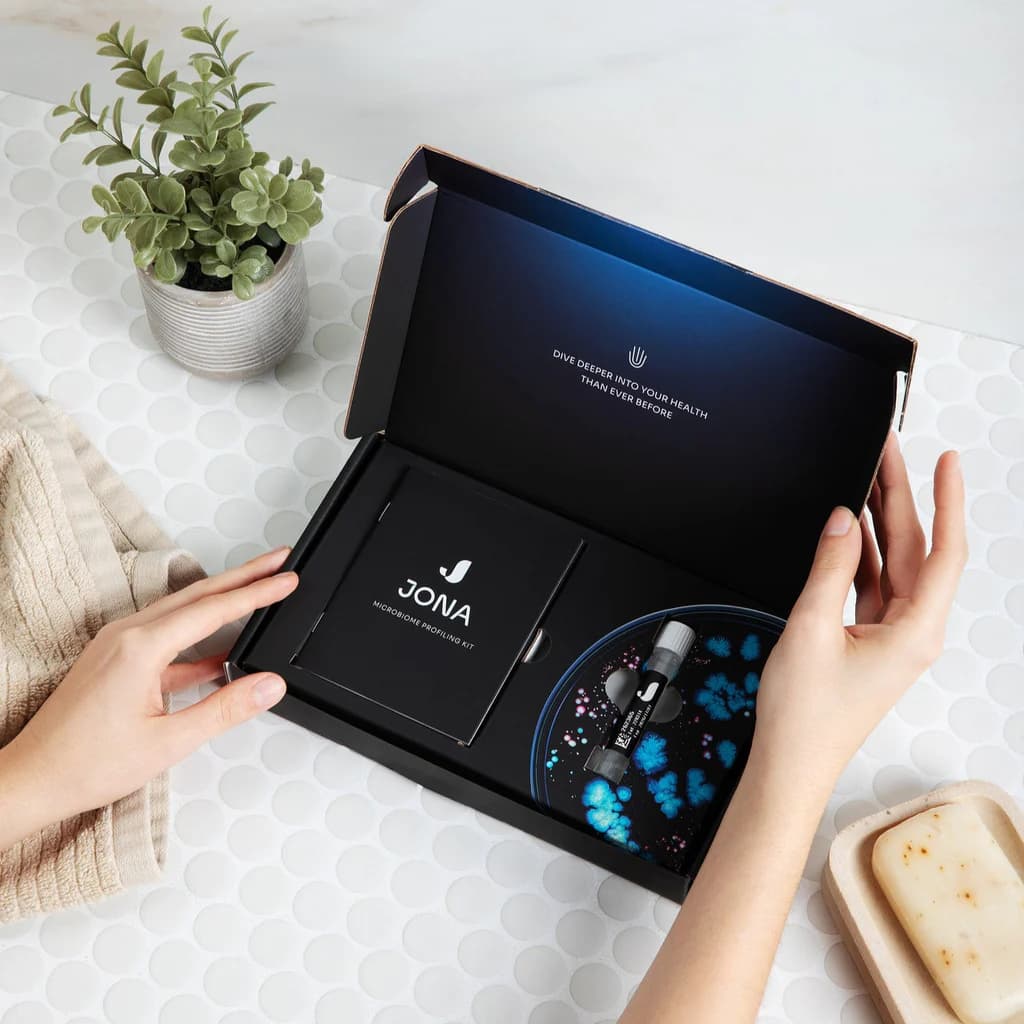

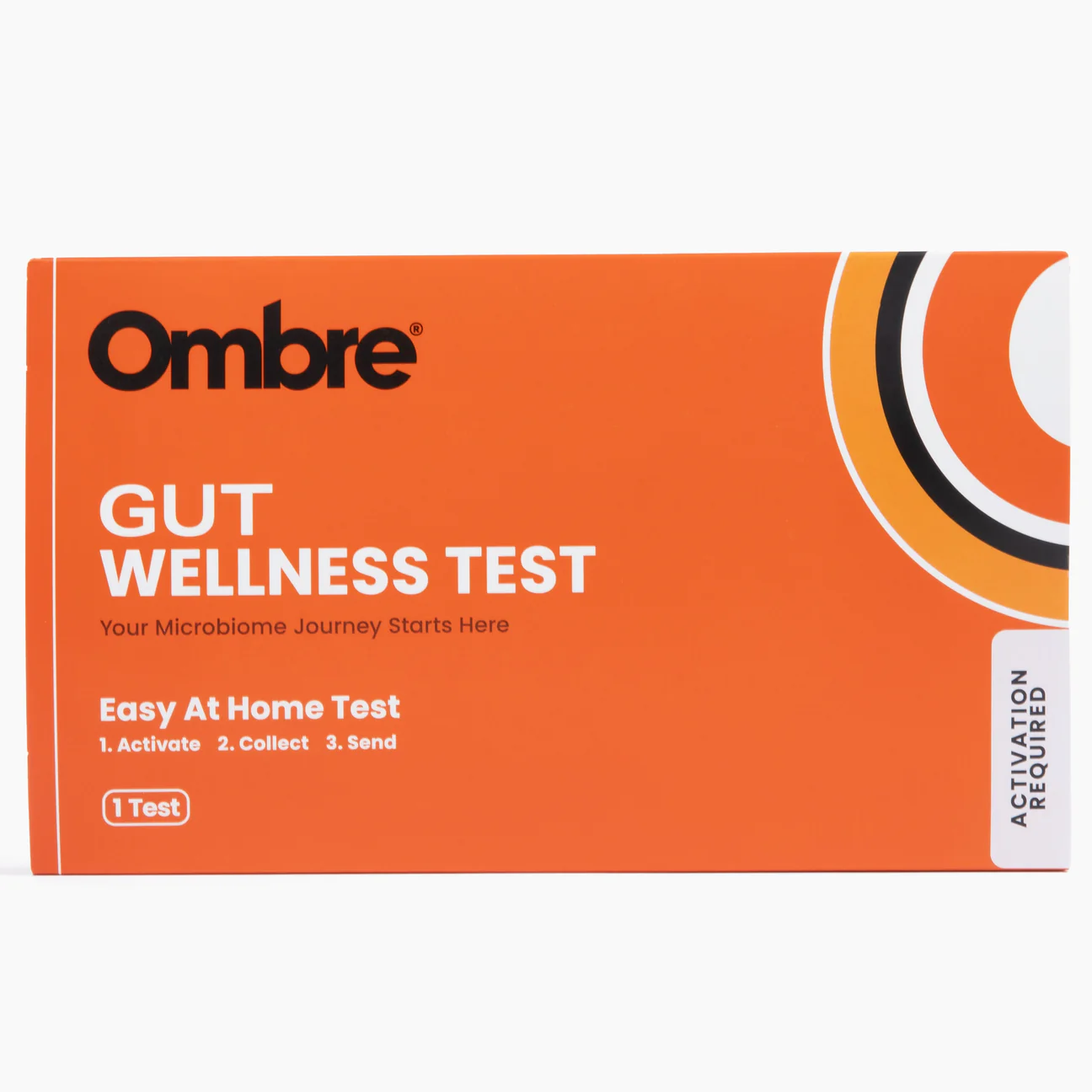













Energy
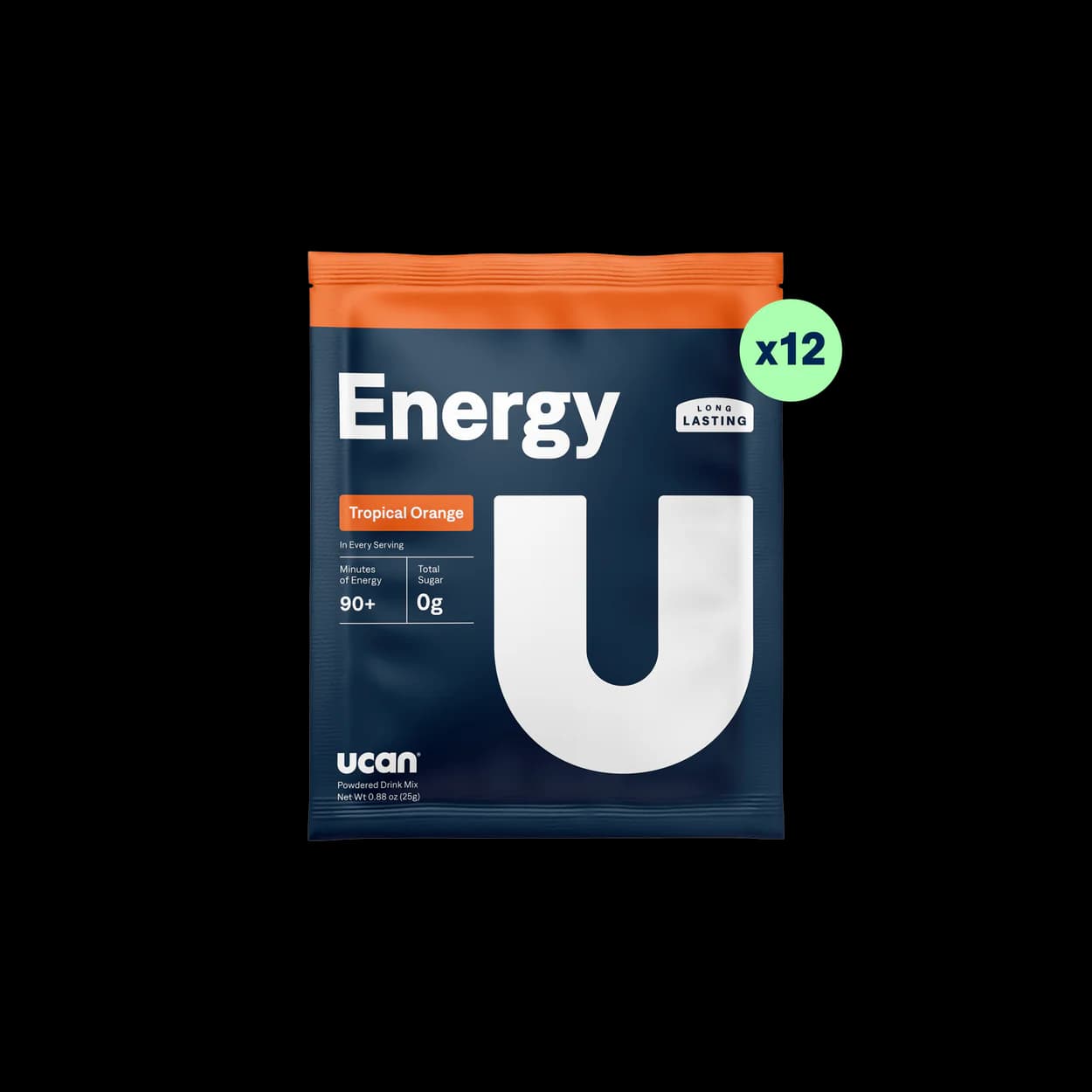
Energy plan for a 32-year-old male in NYC: anchor sleep and morning light, use caffeine strategically, eat steady-fuel meals, hydrate with electrolytes, train for mitochondrial and hormonal support, and consider a few evidence-based supplements that also align with testosterone goals.
Recommendations
Sleep and circadian alignment
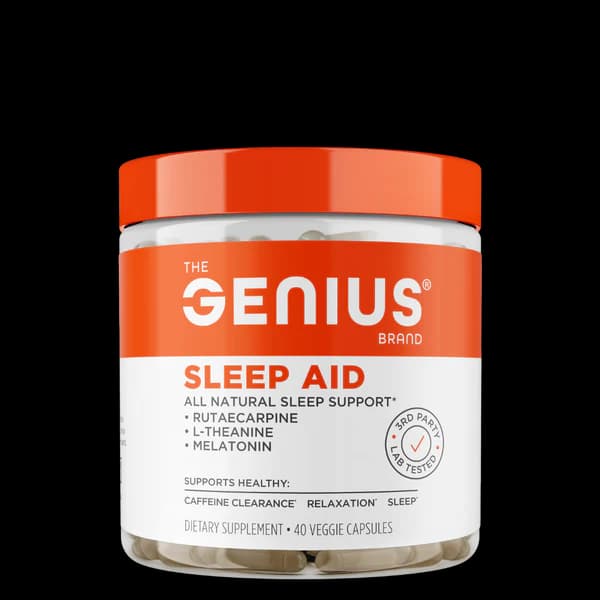
Set a consistent 7.5–9 h sleep window; get 10–20 minutes of outdoor morning light within 60 minutes of waking (even on cloudy NYC days); dim lights/screens 60 minutes before bed; keep the bedroom cool, dark, and quiet (blackout curtains, white noise).
Caffeine and stimulant strategy
Delay the first coffee 90–120 minutes after waking; cap total caffeine at ≤300 mg/day and stop by 2 pm; swap late-day coffee for decaf/herbal tea or a 5–10 minute brisk daylight walk.
Steady-fuel meals
Prioritize a protein-rich breakfast (30–40 g) and build meals with 1/2 vegetables, 1/4 lean protein, 1/4 high‑fiber carbs plus healthy fats; eat every 3–5 hours; avoid heavy refined‑carb lunches that spike and crash energy.
Hydration and electrolytes
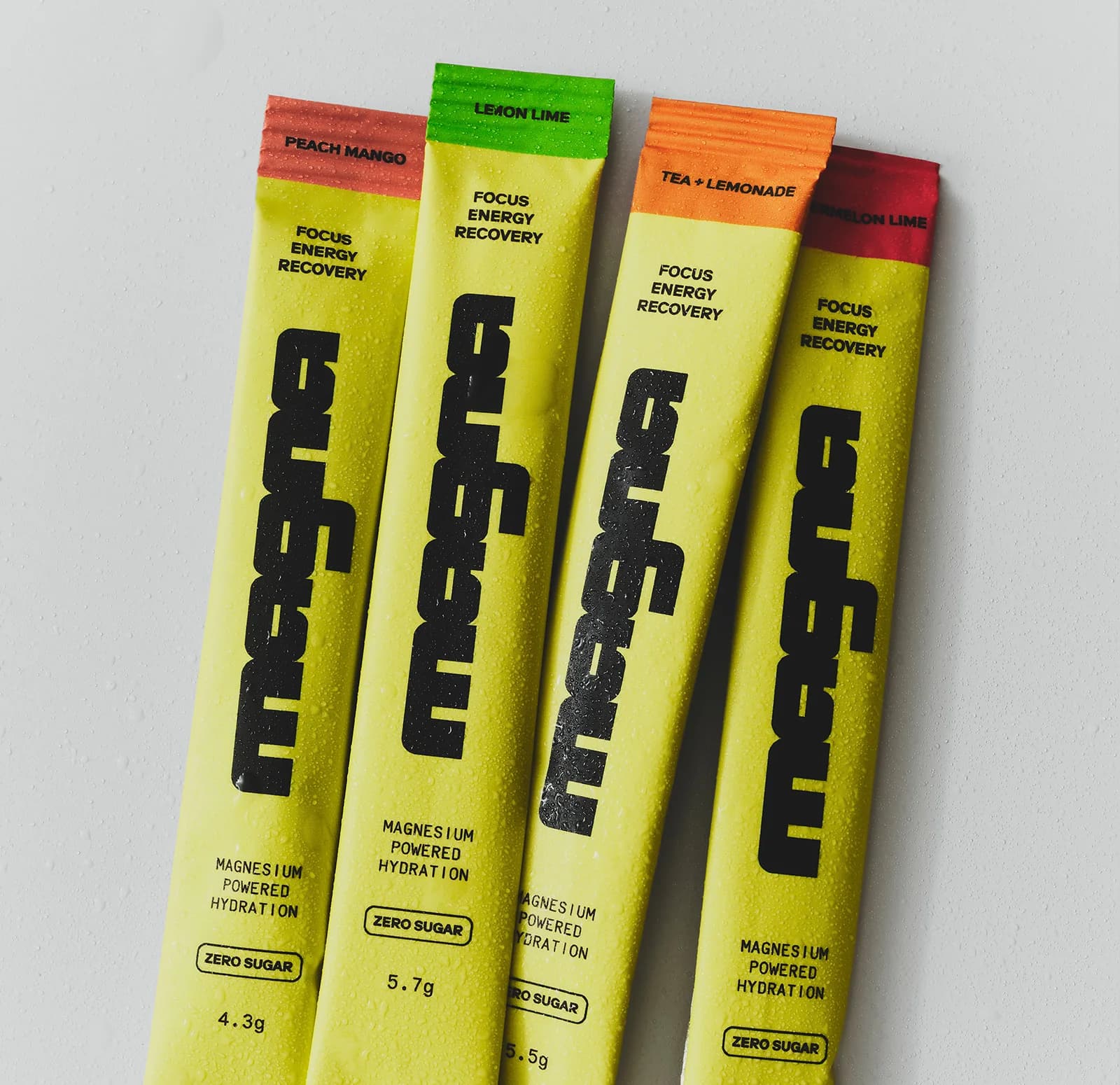
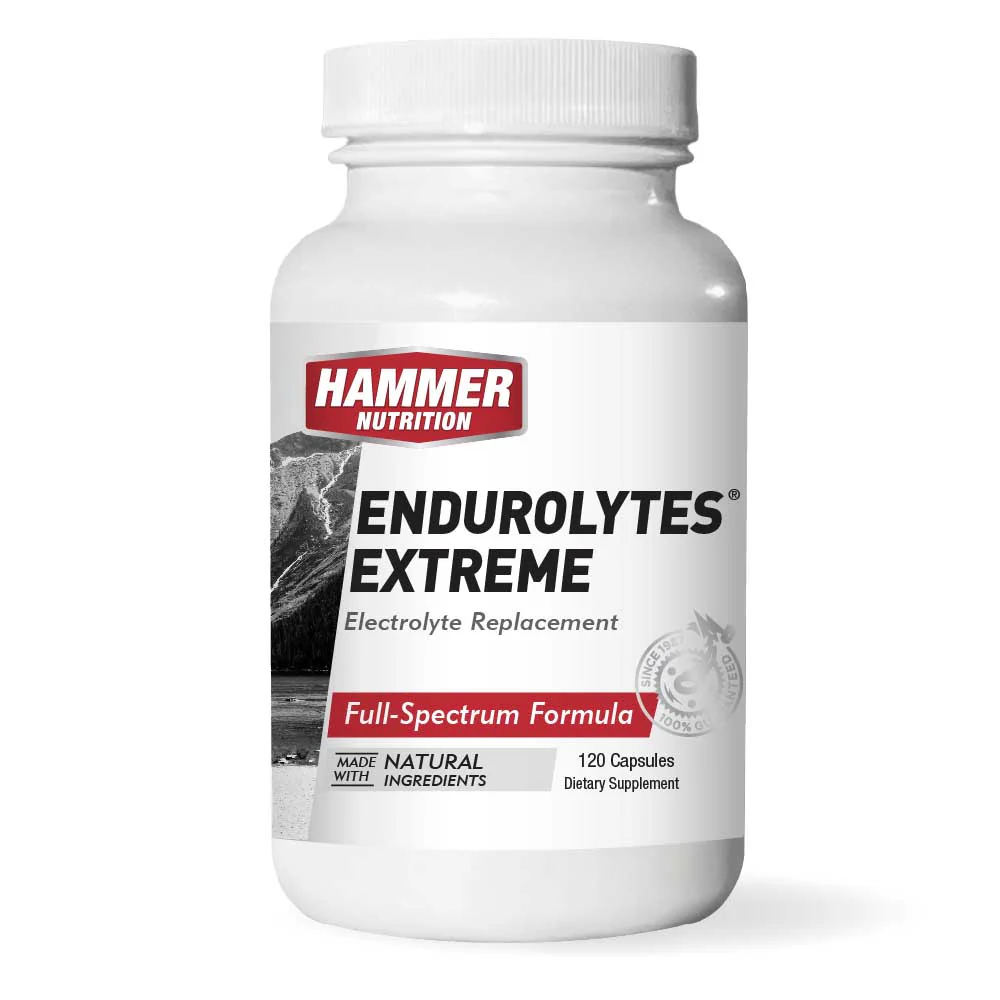
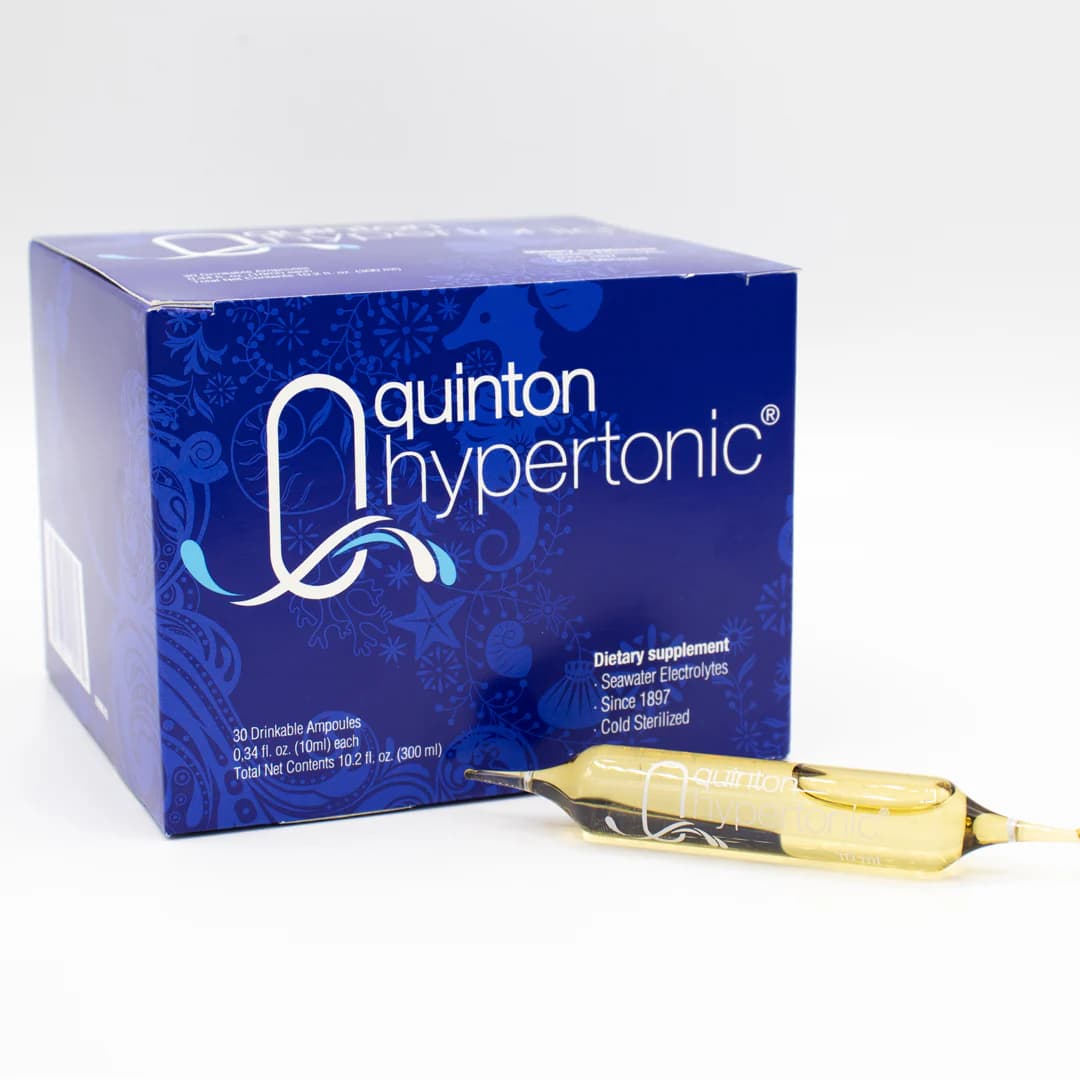
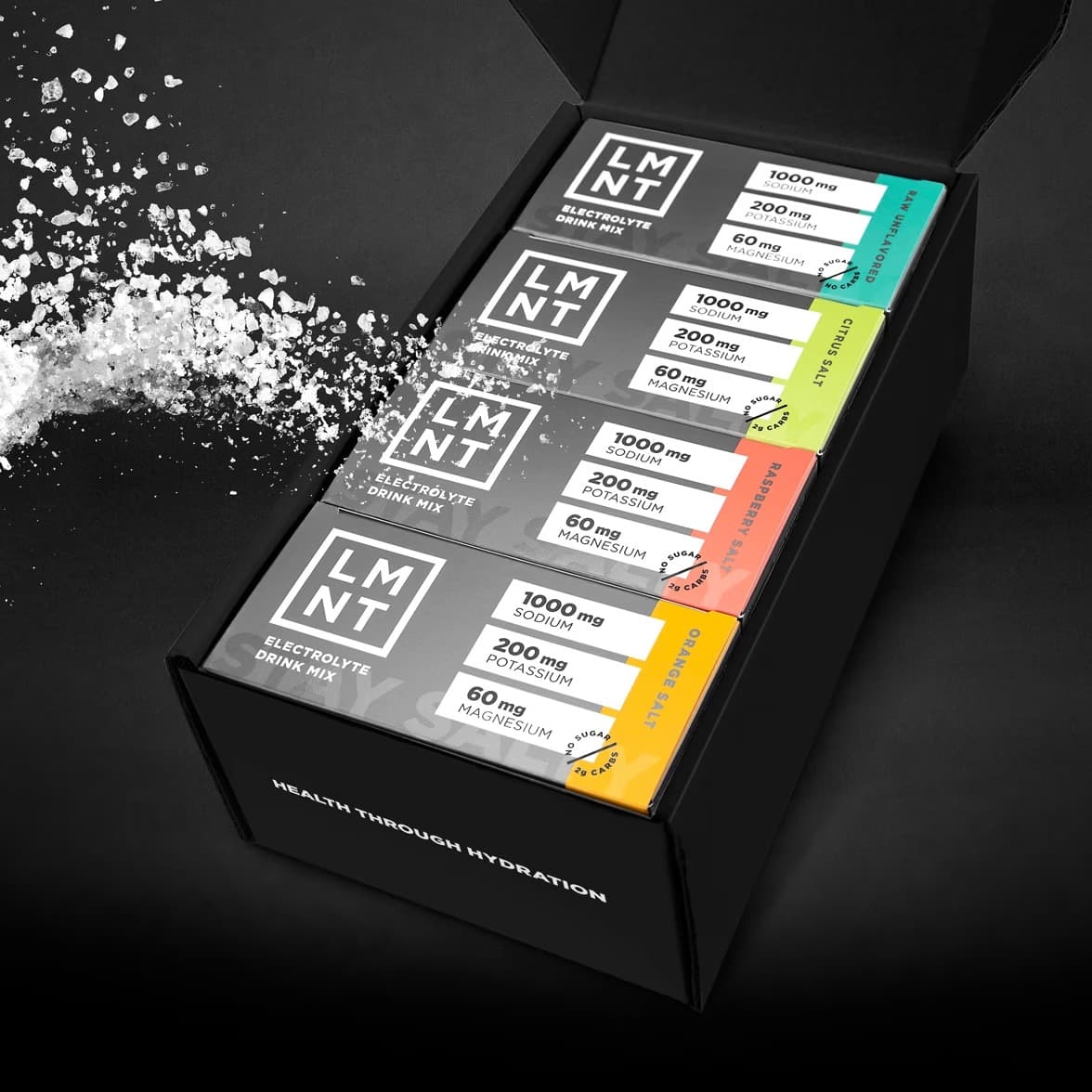
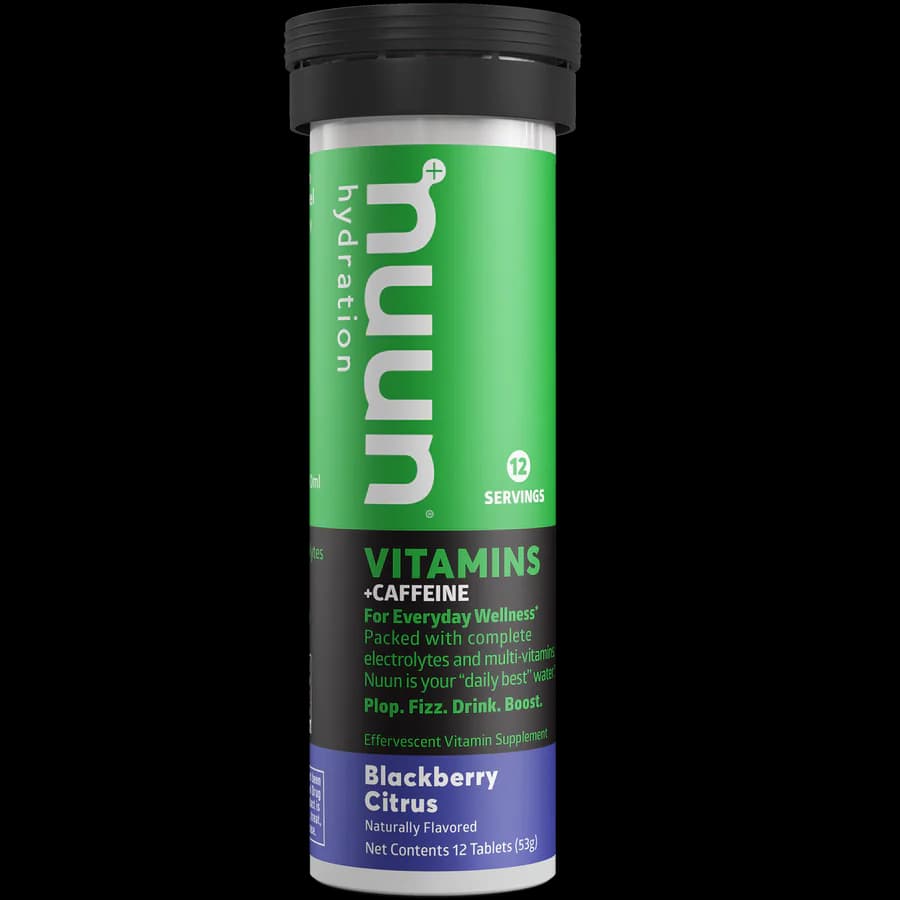
Aim for pale‑yellow urine (~2–3 L fluids/day); add an electrolyte mix on training days or hot/humid commutes; limit weeknight alcohol to ≤1 drink.
Training for energy and testosterone
Do 3–4 resistance sessions/week (compound lifts 45–60 min) plus 2–3 zone‑2 cardio sessions (20–40 min); avoid hard sessions within 2–3 hours of bedtime; add brief outdoor walking breaks midday.
Targeted supplements (as appropriate)
Consider creatine monohydrate 3–5 g daily; vitamin D3 1,000–2,000 IU/day in winter or with low sun; magnesium glycinate 200–400 mg in the evening. Consult a clinician if you have kidney disease, take medications, or for individualized dosing.
Recommended Products

























Testosterone
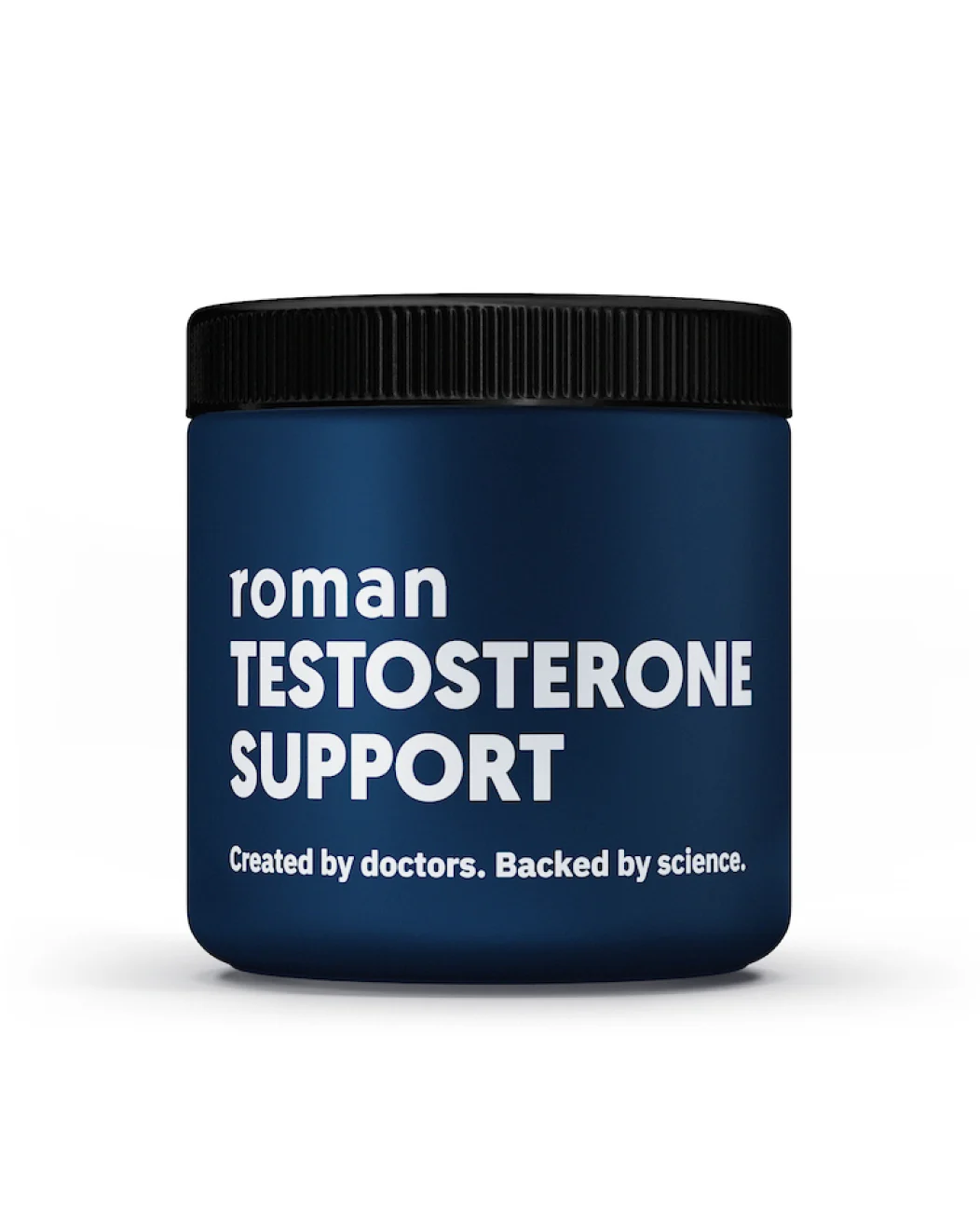
Priority: naturally raise testosterone while boosting daily energy for a healthy 32-year-old male in NYC. Emphasize heavy strength training, sleep/circadian alignment, adequate calories/fats/protein, correction of common micronutrient gaps (especially vitamin D in northern winters), stress control, and moderating alcohol. Consider simple, evidence-based supplements only as needed.
Recommendations
Resistance training
Train 3–5 days/week with progressive overload: prioritize compound lifts (squat, deadlift, bench, row, overhead press) in the 5–12 rep range, add 1–2 short HIIT/sprint sessions, and limit long (>75–90 min), high‑volume endurance work.
Sleep & circadian
Aim for 7–9 hours nightly; fixed sleep/wake times; get 10–20 minutes of outdoor morning light (even in NYC winters), dim screens/blue light 1–2 hours pre‑bed, keep room cool/dark, and stop caffeine by early afternoon.
Nutrition & macros
Eat enough calories to maintain or slowly lean out (avoid chronic steep deficits). Target protein 1.6–2.2 g/kg/day; keep dietary fat at ~25–35% of calories with olive oil, eggs, dairy (if tolerated), nuts, and fatty fish 2x/week; place most carbs around training.
Key micronutrients & vitamin D
Ask your clinician for labs if energy or low‑T symptoms persist: morning total T (twice), free T/SHBG, LH/FSH, prolactin, thyroid panel, ferritin, B12, 25‑OH vitamin D, magnesium, zinc. In winter, consider D3 1,000–2,000 IU/day; magnesium glycinate 200–400 mg at night; emphasize zinc‑rich foods (oysters, beef). If supplementing zinc, use 15–30 mg short‑term with 1–2 mg copper.
Alcohol & recovery
Cap alcohol at ≤7 drinks/week, avoid binge drinking, and keep 3+ alcohol‑free nights weekly; avoid late‑night drinking that disrupts sleep.
Stress management & optional aids
Do 10–20 minutes/day of breathwork, mindfulness, or a brisk outdoor walk. Optional: ashwagandha extract 300–600 mg/day (standardized), and creatine monohydrate 3–5 g/day for training performance. Check with your clinician if you have thyroid issues, are on meds, or have kidney disease.