Workup Health Guide
Personalized wellness insights powered by Workup’s AI — designed to help you explore health solutions aligned with your goals.
Profile Overview
Disclaimer: This report was produced using Workup’s AI recommendation engine, which evaluates your demographic and health information to identify potentially relevant products and services from vetted partners. Workup does not practice medicine, and this content is for informational purposes only. Consult your physician or licensed practitioner before making any healthcare decisions.
Overview
This guide offers a personalized preventive health strategy for a 38-year-old female living in Denver, CO, focusing on reducing inflammation, supporting immunity, and repairing gut health, in the context of managing an autoimmune condition.
Diagnostics & Screenings
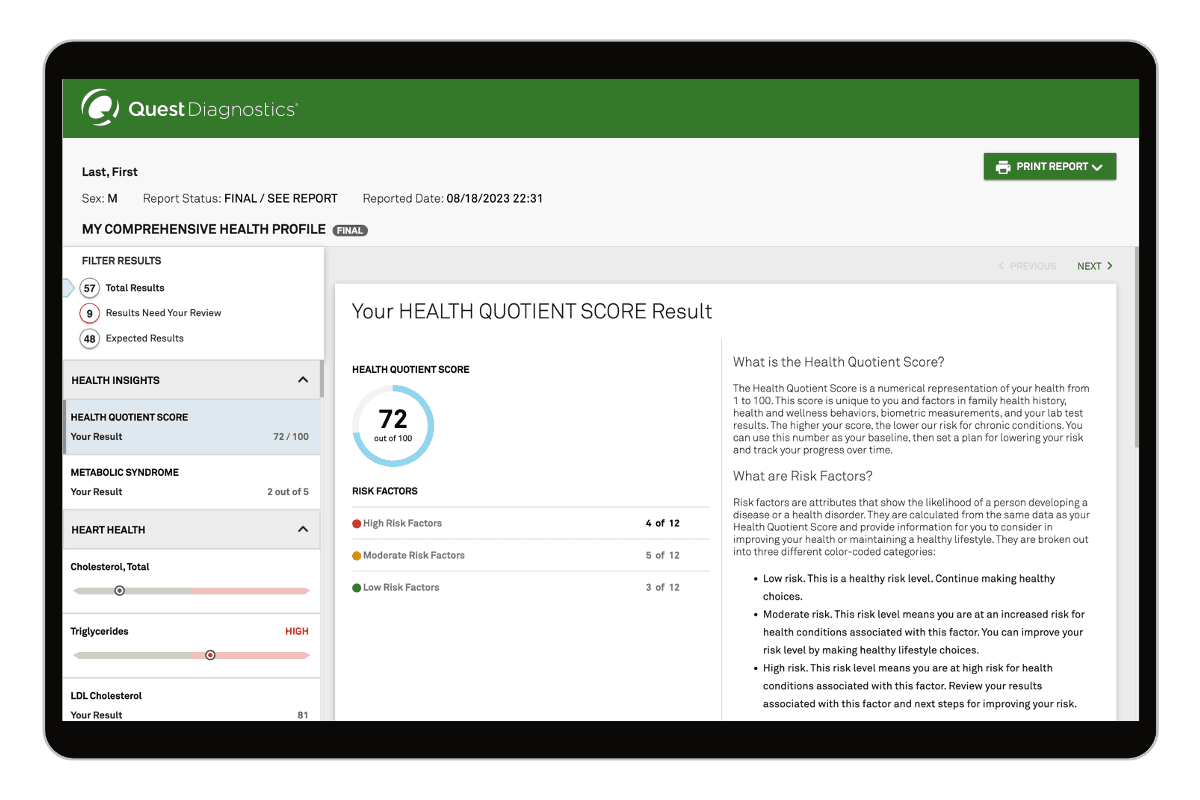
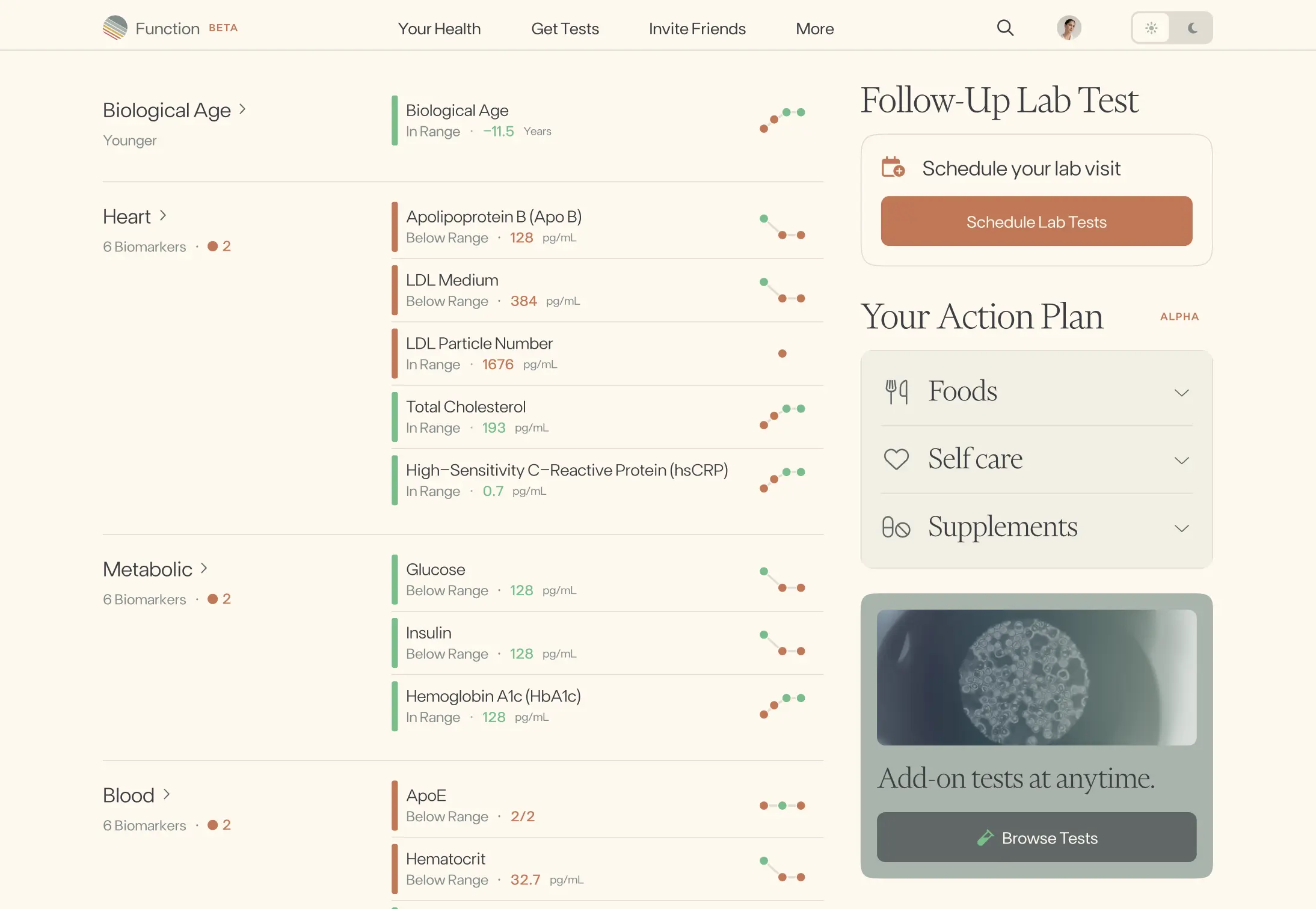
You’re 38, female, and living with an autoimmune condition. This plan focuses on (1) core cardio‑metabolic risk checks, (2) inflammation and thyroid/autoimmune surveillance, (3) gut‑related screening aligned with your “gut repair” goal, and (4) age‑appropriate cancer prevention—while avoiding tests not indicated before age 40–45. Timing emphasizes annual baselines with tighter intervals if results are borderline, symptoms flare, or if you use immunosuppressants or steroids. Living at altitude (Denver) also informs sleep and oxygen‑related risk screening.
Screening Overview
| Tier | Test | Risk Area | Frequency | Why It Matters |
|---|---|---|---|---|
| Cardiovascular | Blood Pressure (clinic and/or validated home cuff) | Hypertension and stroke/heart disease risk | At least once a year if prior readings are below 120/80; check at home monthly if readings are elevated, you have headaches, or a family history of hypertension. | About 1 in 2 U.S. adults has elevated blood pressure or hypertension, a leading cause of heart attack and stroke, and it often has no symptoms. |
| Cardiovascular | Comprehensive Lipid Panel (TC, LDL‑C, HDL‑C, TG, non‑HDL) | Atherosclerotic cardiovascular disease (ASCVD) | Every 5 years if optimal; every 1–2 years if LDL is borderline/high, you have inflammation from autoimmune disease, or other ASCVD risks. | High LDL drives plaque buildup; lowering LDL by ~39 mg/dL is associated with about a 20% reduction in major cardiovascular events. |
| Metabolic | Hemoglobin A1C (consider fasting glucose if A1C borderline) | Prediabetes/diabetes and steroid‑related dysglycemia | Every 3 years if normal and low risk; annually if BMI is elevated, there’s family history, or you use steroids for autoimmune flares. | Roughly 1 in 3 U.S. adults has prediabetes and most are unaware; early detection prevents progression to diabetes and cardiovascular complications. |
| Organ Function | Comprehensive Metabolic Panel (CMP: liver enzymes, electrolytes, kidney function) | Medication safety, liver disease (including fatty liver), and kidney disease | Annually; every 3–6 months if on NSAIDs, immunosuppressants, or other liver/kidney‑active medications. | Chronic kidney disease affects about 15% of U.S. adults and fatty liver disease about 1 in 4; both are often silent until advanced. |
| Thyroid/Autoimmune | Thyroid Function with Autoimmunity (TSH with reflex free T4; add TPO antibodies) | Autoimmune thyroiditis and hypothyroidism | Annually given autoimmune history or sooner with symptoms (fatigue, weight change); if TPO positive, monitor thyroid function every 6–12 months. | Women are 5–8 times more likely to develop thyroid disease; thyroid autoantibodies can precede dysfunction and are common in autoimmune conditions. |
| Organ Function | Complete Blood Count (CBC) with indices and ferritin if fatigued | Anemia, infection, and medication‑related bone marrow effects | Annually; sooner if heavy menses, fatigue, shortness of breath, or on medicines that affect blood counts. | Iron‑deficiency anemia affects roughly 10% of women of reproductive age and can impair energy, cognition, and exercise capacity. |
| Inflammation/Immunity | High‑sensitivity C‑reactive protein (hs‑CRP) | Systemic inflammation and cardiovascular risk | Every 6–12 months to trend inflammation, especially around autoimmune flares or therapy changes. | Higher hs‑CRP signals systemic inflammation; levels above 2 mg/L are linked to roughly double the risk of cardiovascular events in primary prevention cohorts. |
| Cancer (Age‑appropriate) | Cervical Cancer Screening (primary HPV test preferred; Pap or co‑test acceptable) | HPV‑driven cervical precancer and cancer | Every 5 years with primary HPV (preferred) or every 3 years with Pap alone, age 30–65, if prior results are normal. | HPV causes the vast majority of cervical cancers; regular screening can cut incidence and deaths by more than 50% through early detection of precancer. |
| Gut/Autoimmune | Celiac Disease Serology (tTG‑IgA with total IgA; add EMA if needed) | Gluten‑triggered autoimmune enteropathy, malabsorption, and anemia | Screen once if you have GI symptoms, iron‑deficiency, dermatitis herpetiformis, or other autoimmune disease; repeat every 2–3 years if symptoms persist or new risk arises. | Celiac disease affects about 1% of people and is frequently undiagnosed; untreated disease leads to nutrient deficiencies, anemia, and bone loss but improves with diagnosis and diet. |
| Risk/Lifestyle | Sleep Apnea Screening (STOP‑Bang/NoSAS; home sleep apnea test if high risk) | Obstructive sleep apnea, cardiometabolic strain, and altitude‑related desaturation | Screen now if snoring, witnessed apneas, morning headaches, or daytime sleepiness; repeat if weight changes, pregnancy, or symptoms evolve. | OSA affects an estimated 6% of adult women and is underdiagnosed; untreated OSA raises blood pressure and insulin resistance, and high altitude can worsen nighttime oxygen drops. |
Recommended Products














Nutrition & Dietary Focus
Personalized plan for a 38-year-old woman with an autoimmune condition focused on lowering inflammation, supporting immune balance, and repairing the gut. Emphasizes an anti-inflammatory Mediterranean-style pattern, omega-3s, vitamin D optimization (especially in Denver winters), microbiome support with fermented foods and diverse fibers, adequate protein, key micronutrients (selenium, zinc, magnesium), and altitude-aware hydration while limiting ultra-processed foods and added sugars.
Recommendations
Anti-inflammatory foundation
Center meals on a Mediterranean-style pattern: 2+ tbsp/day extra-virgin olive oil; fish, legumes, nuts/seeds; at least 5–7 servings/day of colorful vegetables and fruits; herbs/spices (especially turmeric with black pepper). Limit ultra-processed foods, refined oils, and added sugars.
Omega-3s (EPA+DHA)
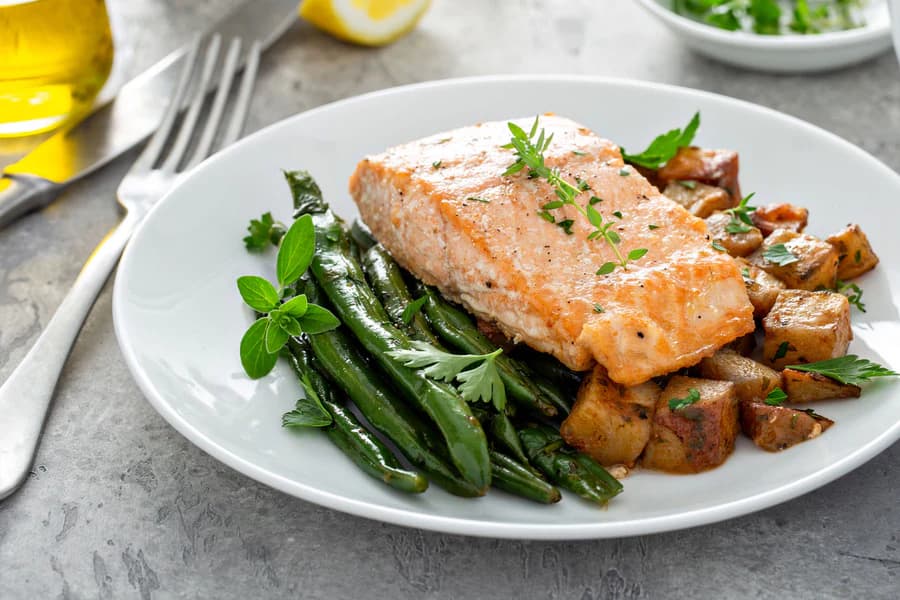
Eat fatty fish (salmon, sardines, mackerel, trout) 2–3 times/week. If intake is low, consider 1–2 g/day combined EPA+DHA from a purified fish oil; choose third-party–tested, low-oxidation products.
Vitamin D optimization
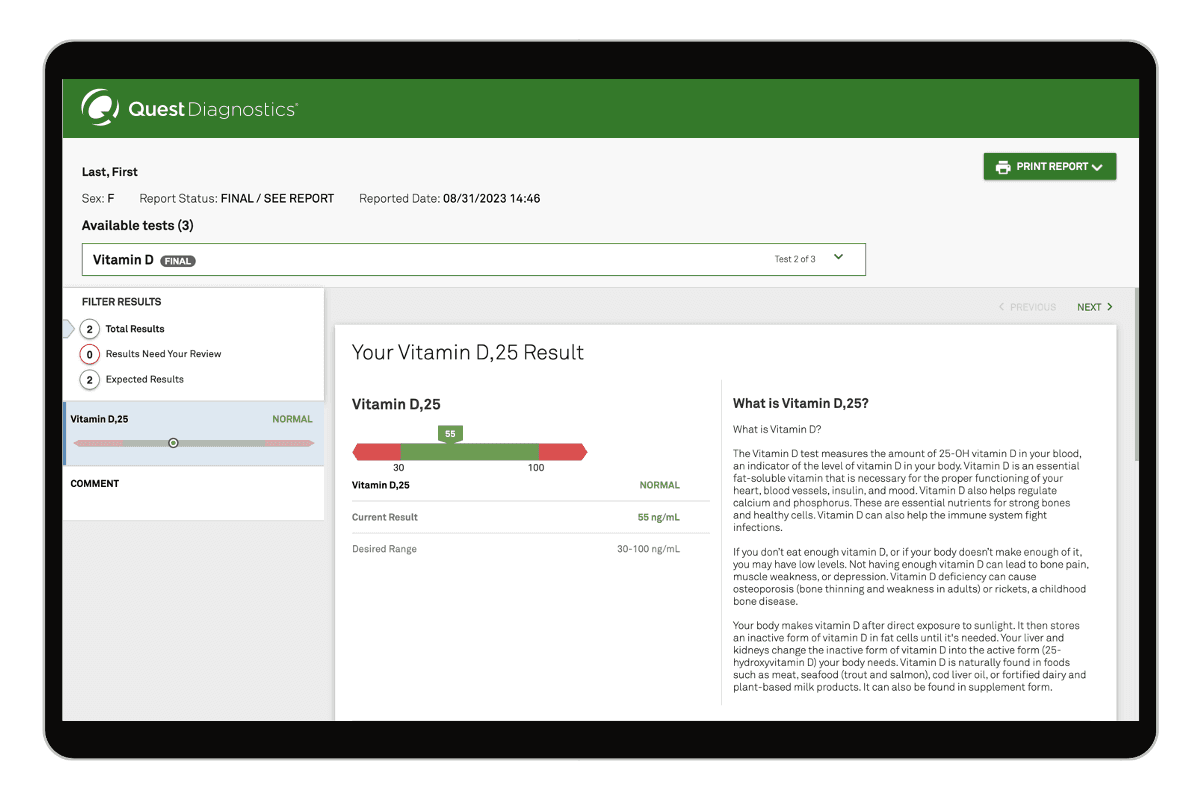
Ask your clinician to check 25(OH)D, especially before/through winter in Denver. Typical maintenance is 1,000–2,000 IU vitamin D3 daily with a meal containing fat; personalize to labs. Pair with calcium- and K2-rich foods (leafy greens, fermented dairy if tolerated).
Gut microbiome support
Include 1–2 servings/day of fermented foods (yogurt/kefir if tolerated, kimchi, sauerkraut, kombucha) and consider a multi-strain probiotic (10–20B CFU Lactobacillus/Bifidobacterium) if you have GI symptoms. Start low and monitor tolerance.
Fiber diversity & prebiotics
Aim for 25–35 g fiber/day and ~30 different plant foods/week (vegetables, fruits, legumes, whole grains, nuts/seeds). Include prebiotic fibers (onions, garlic, asparagus, oats, green bananas) or a gentle prebiotic supplement; increase gradually with fluids. If you notice symptom flares, consider a 4–6 week gluten and/or dairy elimination with guided reintroduction.
Protein for repair & immune function
Target ~1.2–1.6 g protein/kg body weight/day spread across meals (e.g., 25–35 g/meal) from fish, eggs, poultry, tofu/tempeh, and well-tolerated legumes; include collagen-rich cuts or bone-in/skin-on poultry if tolerated.
Key micronutrients for autoimmune health
Meet needs via food first: selenium (1 Brazil nut most days; eggs, seafood), zinc (oysters, beef, pumpkin seeds), magnesium (leafy greens, beans, nuts). Avoid high-dose iodine supplements unless prescribed; use iodized salt moderately. Supplement only if labs/diet indicate gaps.
Altitude-aware hydration & lifestyle
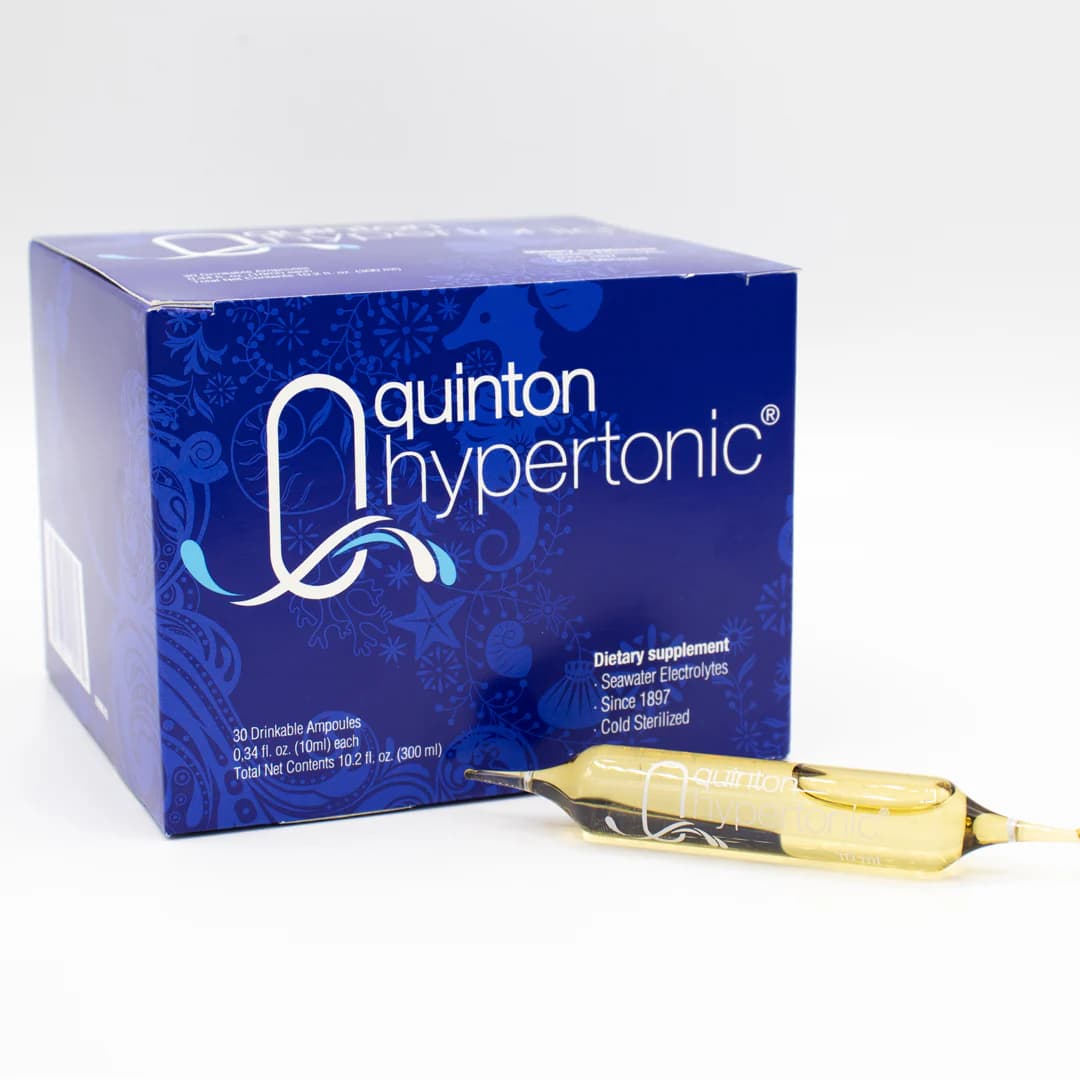
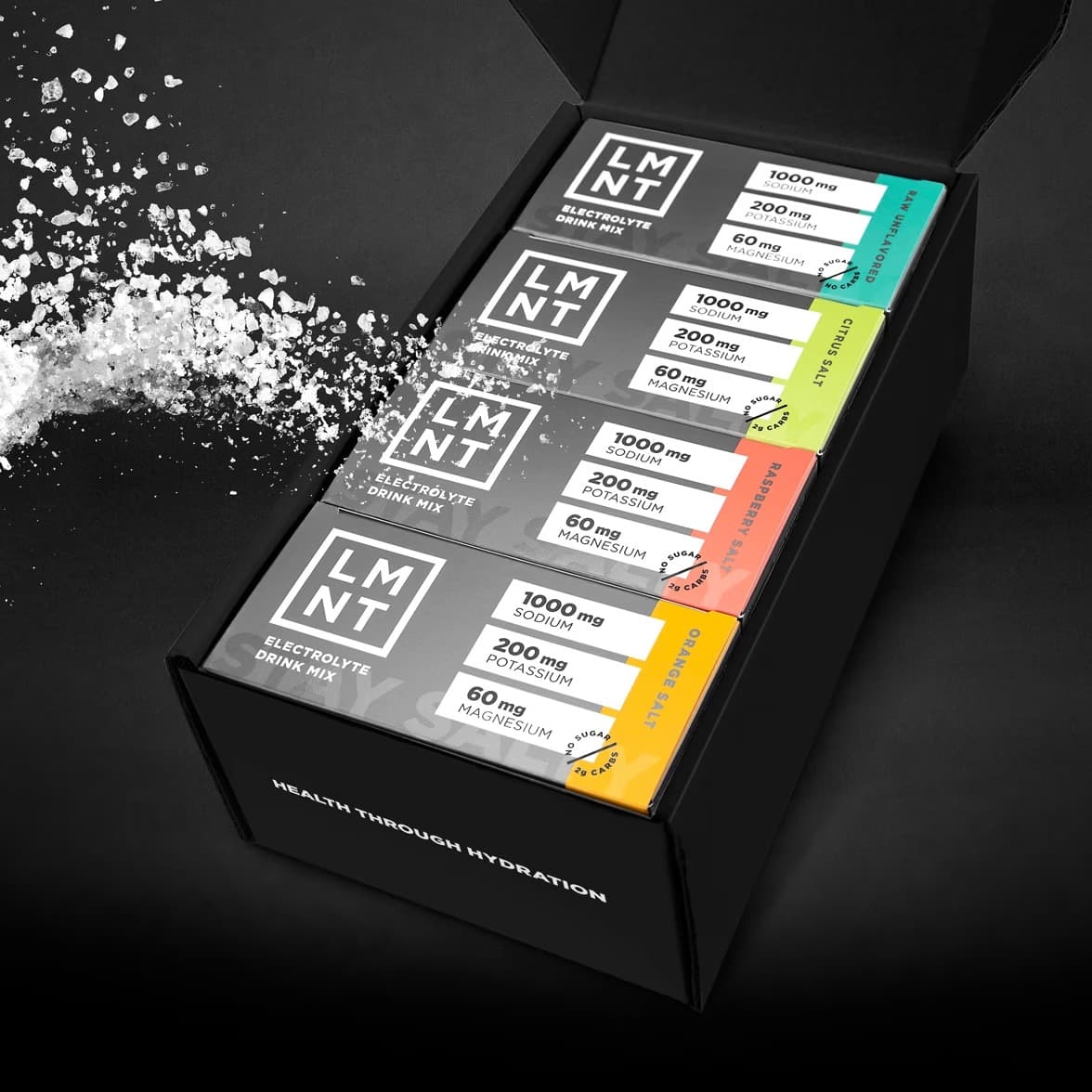
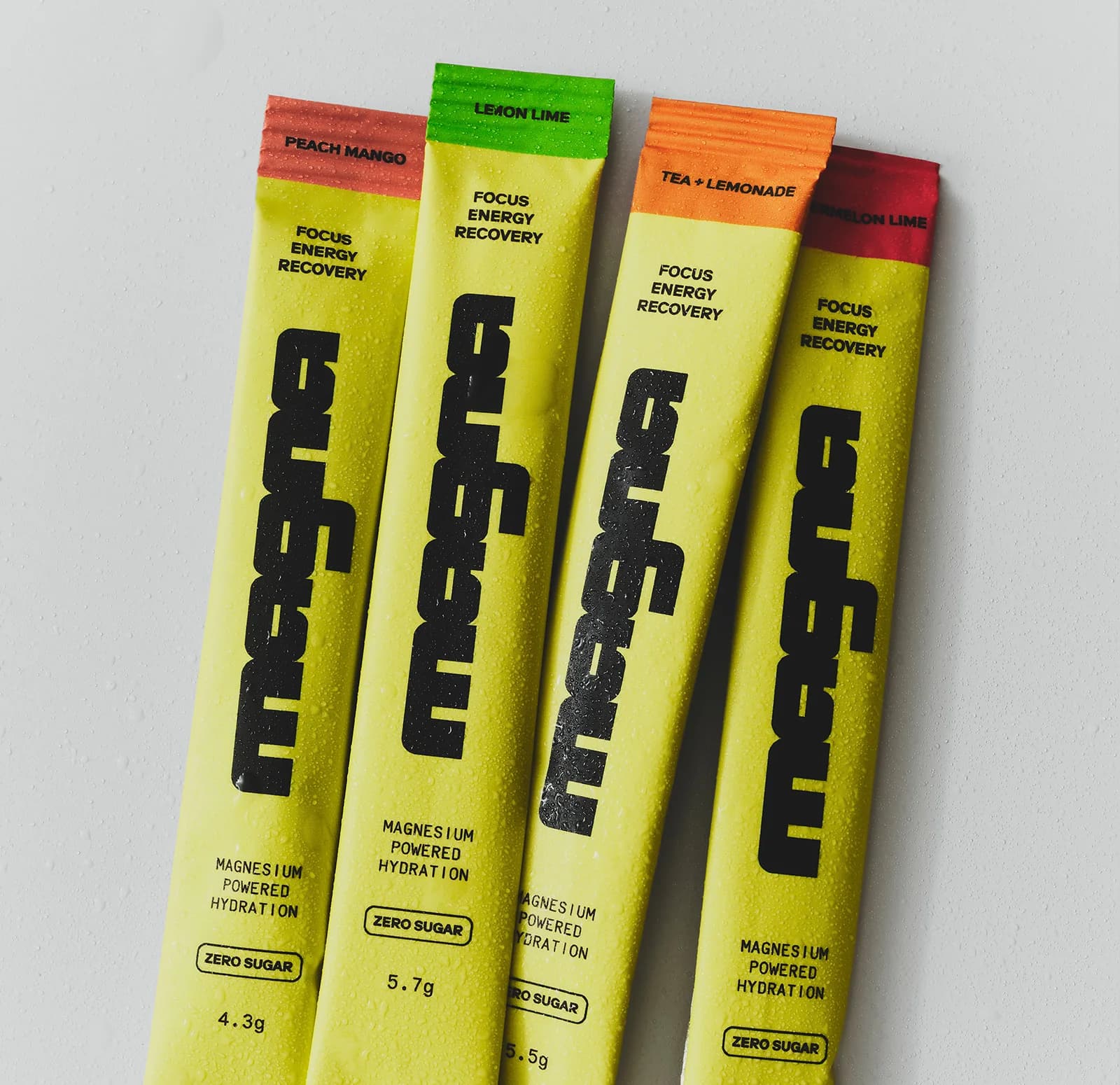
At Denver’s altitude, aim for ~2–2.5 L fluids/day (more with exercise) and consider a sugar-free electrolyte mix during longer workouts. Prioritize sleep, manage stress (breathwork, yoga), and limit alcohol to 0–1 drink/day, with alcohol-free days each week.
Recommended Products

























Supplement Strategy
For a 38-year-old woman with an autoimmune condition aiming to reduce inflammation, support immune balance, and repair the gut, this stack emphasizes immune modulation (not stimulation), anti-inflammatory lipids and polyphenols, and targeted gut-barrier nutrients. Given Denver’s latitude and winter sun, optimizing vitamin D is key; omega-3s, curcumin, and NAC address inflammatory and oxidative stress, while a probiotic and glutamine focus on mucosal integrity. Doses are set for efficacy with good tolerability for long-term health and longevity support.
Supplement Recommendations
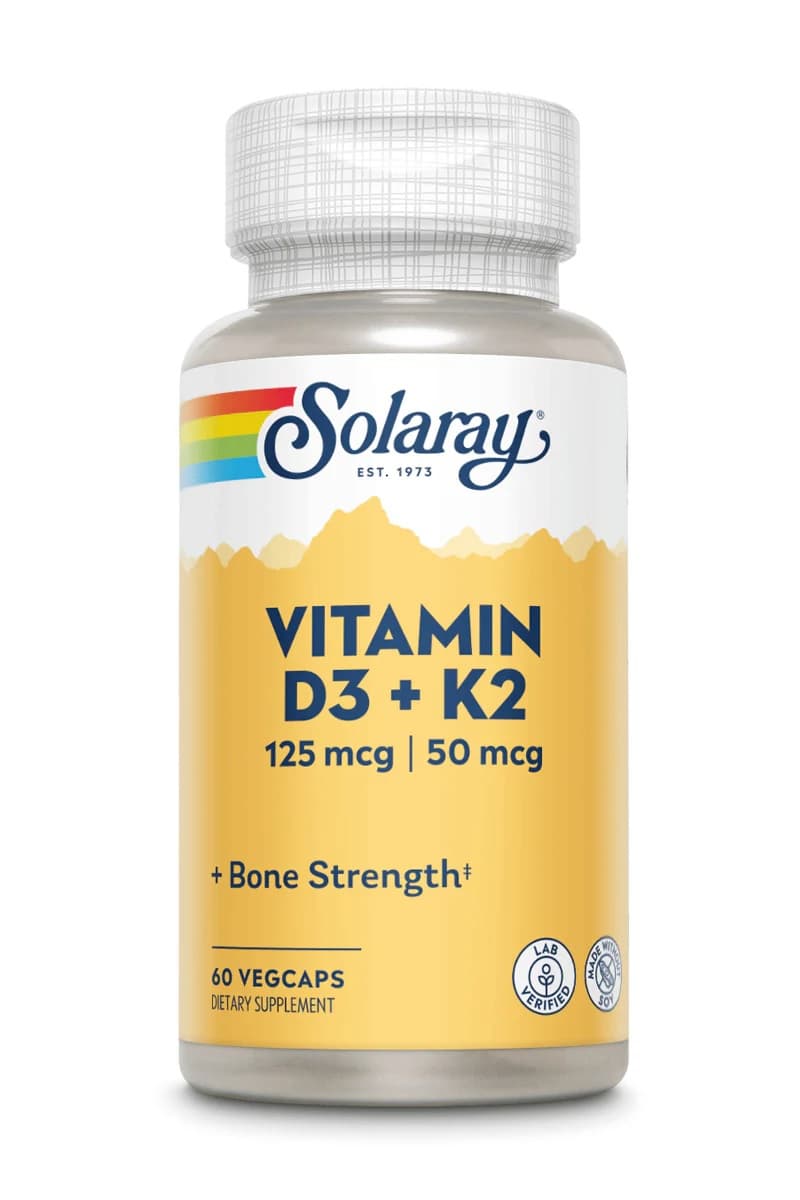
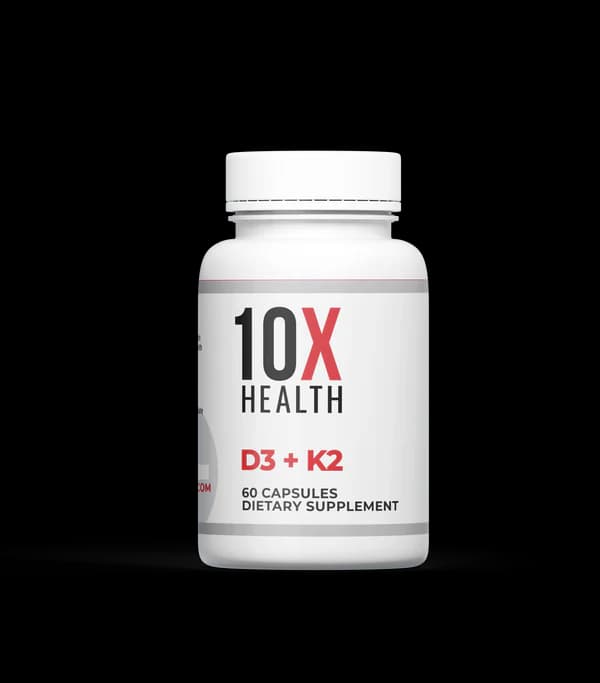
Vitamin D3 (with K2 MK-7)
•Immune Modulation & Bone Health2,000 IU D3 daily + 90–120 mcg K2 MK-7 (softgel); adjust to maintain 25(OH)D at ~40–60 ng/mL.
Omega-3 EPA/DHA (Fish Oil)
•Inflammation Reduction1,500–2,000 mg EPA+DHA daily with meals; triglyceride or re-esterified triglyceride form softgels or liquid.
Curcumin (enhanced-absorption)
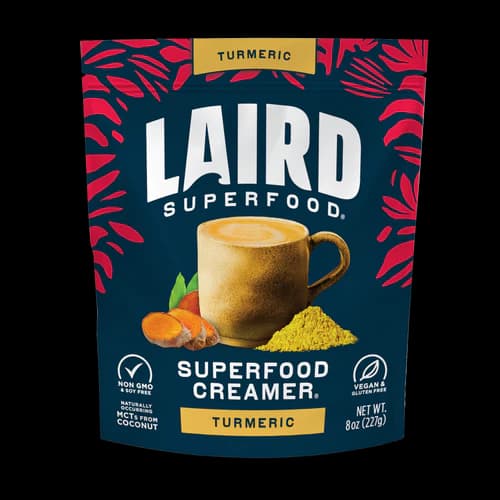
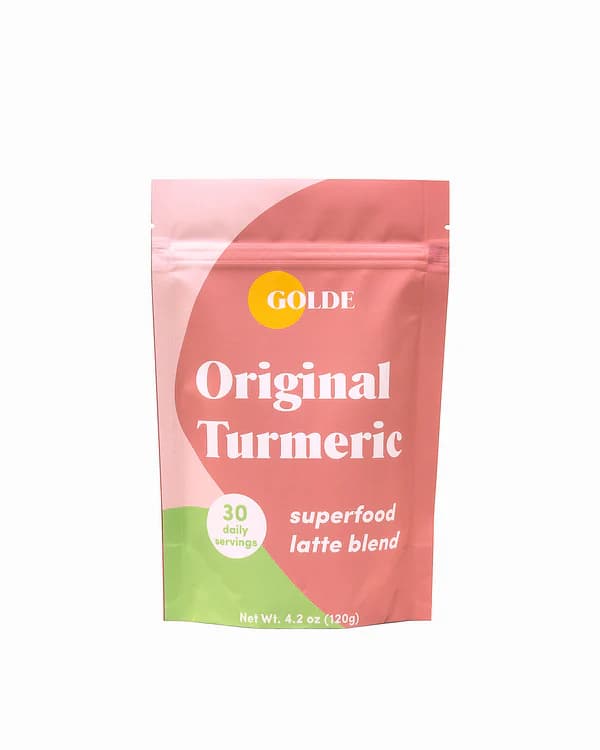
•Inflammation Reduction & Gut Repair500 mg twice daily of phytosomal (e.g., Meriva) or BCM-95/Longvida with food.
L-Glutamine
•Gut Repair5 g powder 1–2 times daily away from meals for 8–12 weeks.
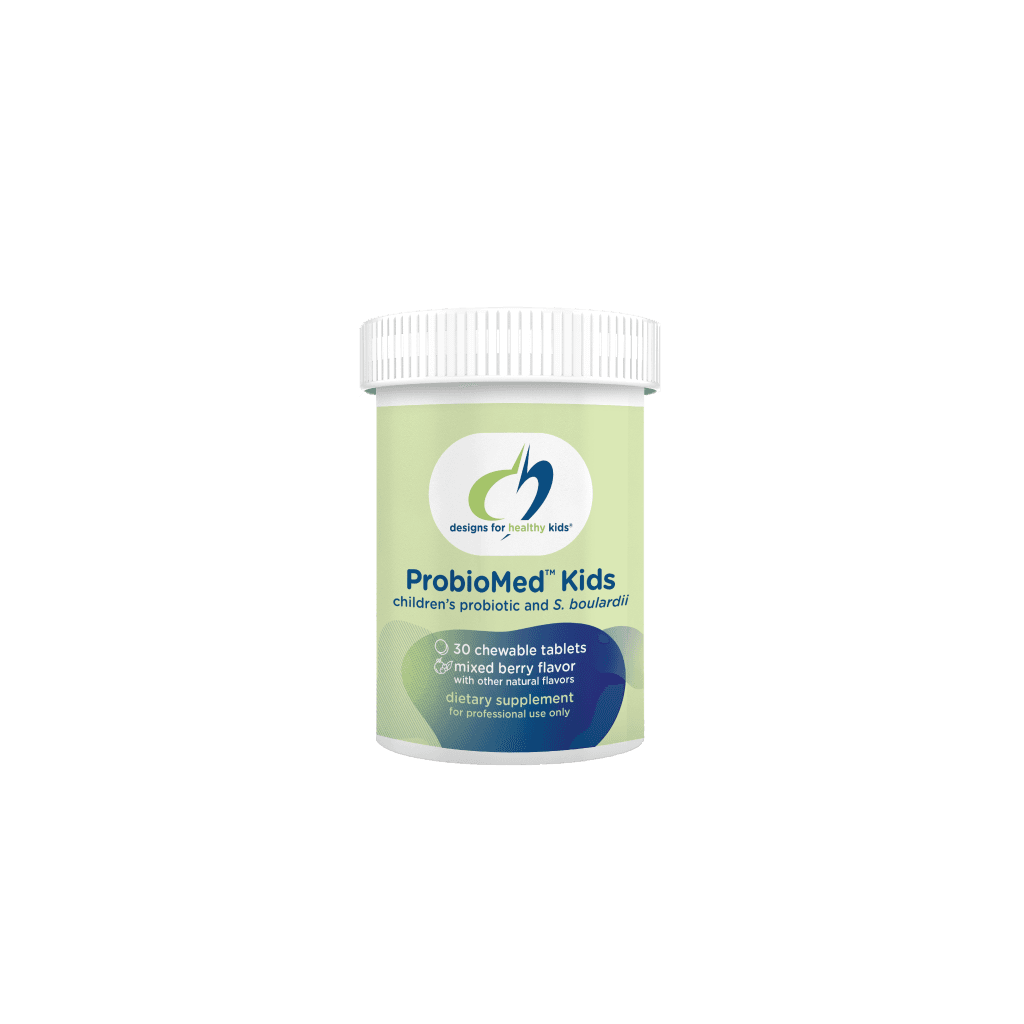
Multi-strain probiotic (L. rhamnosus GG + Bifidobacterium spp.)
•Gut Repair & Immune Support10–20 billion CFU daily, delayed-release capsule, for 8–12 weeks then reassess.
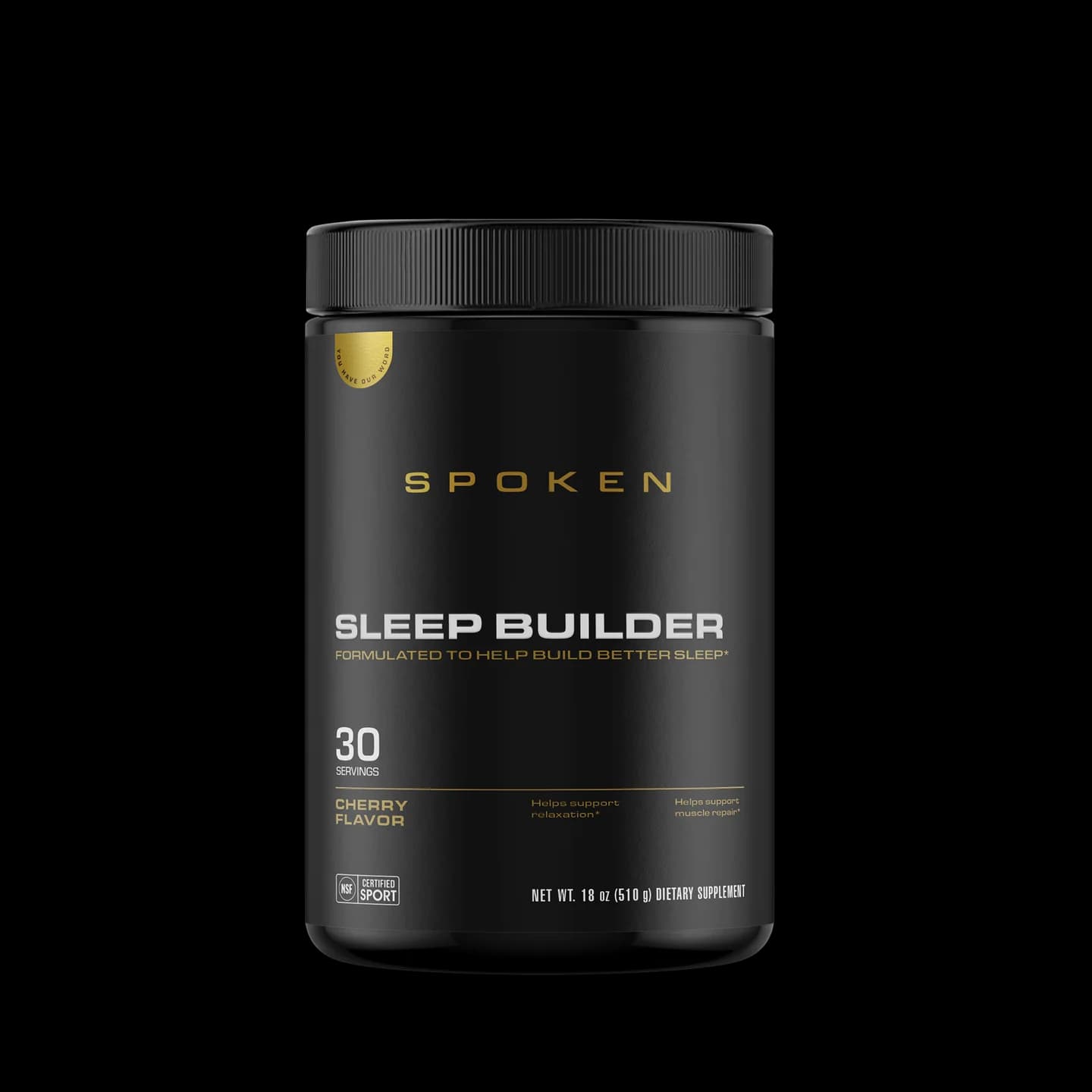
Magnesium glycinate
•Stress/Sleep & Inflammation Modulation200–300 mg elemental magnesium nightly; capsule or powder.
Zinc picolinate
•Immune Support & Gut Barrier15 mg daily with food for 8–12 weeks, then 2–3x/week maintenance; include ~1 mg copper per 15 mg zinc if used long-term.
N-Acetylcysteine (NAC)
•Antioxidant Defense & Inflammation600 mg 1–2 times daily; capsule.
Recommended Products


































Gut Health & Microbiome
For a 38-year-old woman with an autoimmune condition in Denver aiming to reduce inflammation, support immunity, and repair the gut barrier: prioritize microbiome diversity (fermented foods + prebiotic fibers), protect the intestinal lining (limit emulsifiers/some sweeteners; optimize hydration at altitude), calm the gut–brain axis (breathwork, sleep/circadian cues), and support digestion (meal hygiene, spacing, gentle movement). Consider a cautious, time-limited probiotic trial and adjust based on tolerance.
Recommendations
Microbiome Diversity
Include 1–2 servings/day of fermented foods (rotate yogurt/kefir with live cultures, kimchi/sauerkraut, miso, tempeh). Start small (2–3 tbsp) and increase as tolerated.
Prebiotic Fibers & SCFAs
Aim for ~30 different plant ‘points’ per week with emphasis on soluble fiber and resistant starch (e.g., oats, chia, cooked-and-cooled potatoes/rice, lentils, green banana flour). Ramp fiber slowly (≈5 g/week) to comfort.
Barrier & Inflammation Control
Limit ultra-processed foods with emulsifiers and certain sweeteners; scan labels and minimize polysorbate-80, carboxymethylcellulose, carrageenan, and sucralose/acesulfame-K. Choose simple, minimally processed options.
Targeted Probiotic Trial
Consider a 4–8 week trial of a multi-strain Lactobacillus/Bifidobacterium probiotic (5–20B CFU) or a spore-based formula. Start low, take with food, and monitor stool, bloating, and energy; discontinue if symptoms worsen.
Gut–Brain Axis Regulation
Do 10 minutes daily of slow breathing (4–6 breaths/min with extended exhale) or humming/vagal-toning, plus 5–10 minutes morning outdoor light and a consistent sleep window.
Digestive Function & Motility
Practice meal hygiene: sit and chew thoroughly (15–20 chews/bite), avoid multitasking, leave 3–4 hours between meals to allow the migrating motor complex, finish dinner 3–4 hours before bed, and take a 5–10 minute easy walk after meals.
Hydration at Altitude (Denver)
Target ~2.0–2.5 L fluids/day and consider a low-sugar electrolyte drink on dry/high-activity days; include warm liquids (e.g., ginger or peppermint tea) to aid motility and comfort.
Recommended Products





















Gut Repair
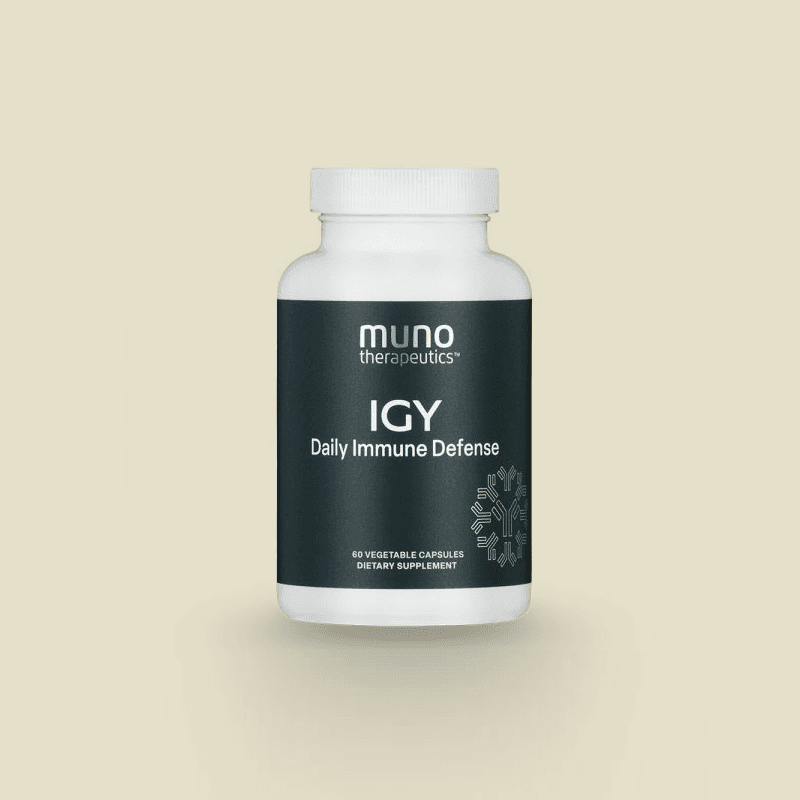
Primary aim: calm inflammation and rebuild the gut lining while supporting a resilient microbiome. Short, focused nutrition and lifestyle changes plus gentle supplements can improve barrier integrity, reduce symptoms, and align with autoimmune care in Denver’s dry, high-altitude climate.
Recommendations
Anti-inflammatory nutrition reset (4–6 weeks)
Center meals on cooked vegetables, omega-3 fish (e.g., salmon), extra-virgin olive oil, lentils/beans as tolerated, and gentle starches (rice, potatoes). Temporarily remove ultra-processed foods, refined sugar, alcohol, and trial gluten and high-lactose dairy removal; reintroduce one at a time after 4 weeks to identify triggers.
Mucosal lining support
Add L-glutamine 5 g 1–2x/day, zinc carnosine ~37.5 mg 2x/day, and collagen peptides 10 g/day for 8 weeks. If pregnant/breastfeeding or on GI/immune meds, confirm with your clinician first.
Microbiome rebalancing (go slow)
Include 1 small daily serving of fermented foods (e.g., yogurt/kefir if tolerated, sauerkraut, kimchi) and trial a multi-strain probiotic (5–20B CFU) for 8 weeks. Layer in gentle prebiotics like partially hydrolyzed guar gum or cooked-and-cooled potatoes/oats; increase gradually. If bloating worsens, pause and discuss SIBO screening with your clinician.
Altitude-ready hydration and fiber
In Denver’s dry climate, target ~2–3 L fluids/day with electrolytes (add a pinch of salt or use an unsweetened electrolyte mix), and build to 25–35 g fiber/day from vegetables, legumes, and 1 tbsp ground flax or chia. Limit caffeine and alcohol during the repair phase.
Stress and meal hygiene
Before meals, do 2–3 minutes of slow nasal breathing (about 6 breaths/min). Eat seated, chew thoroughly, and pause screen time. Aim for a consistent 7–9 hours of sleep and a simple 12-hour overnight fast most days (e.g., 7 pm–7 am).
Irritant and medication audit
Review regular use of NSAIDs, alcohol, and high-dose caffeine with your clinician; discuss alternatives if needed. If you’re on immunosuppressants or PPIs, confirm supplement compatibility and consider a taper plan only under medical guidance.
Recommended Products



















Immune Support
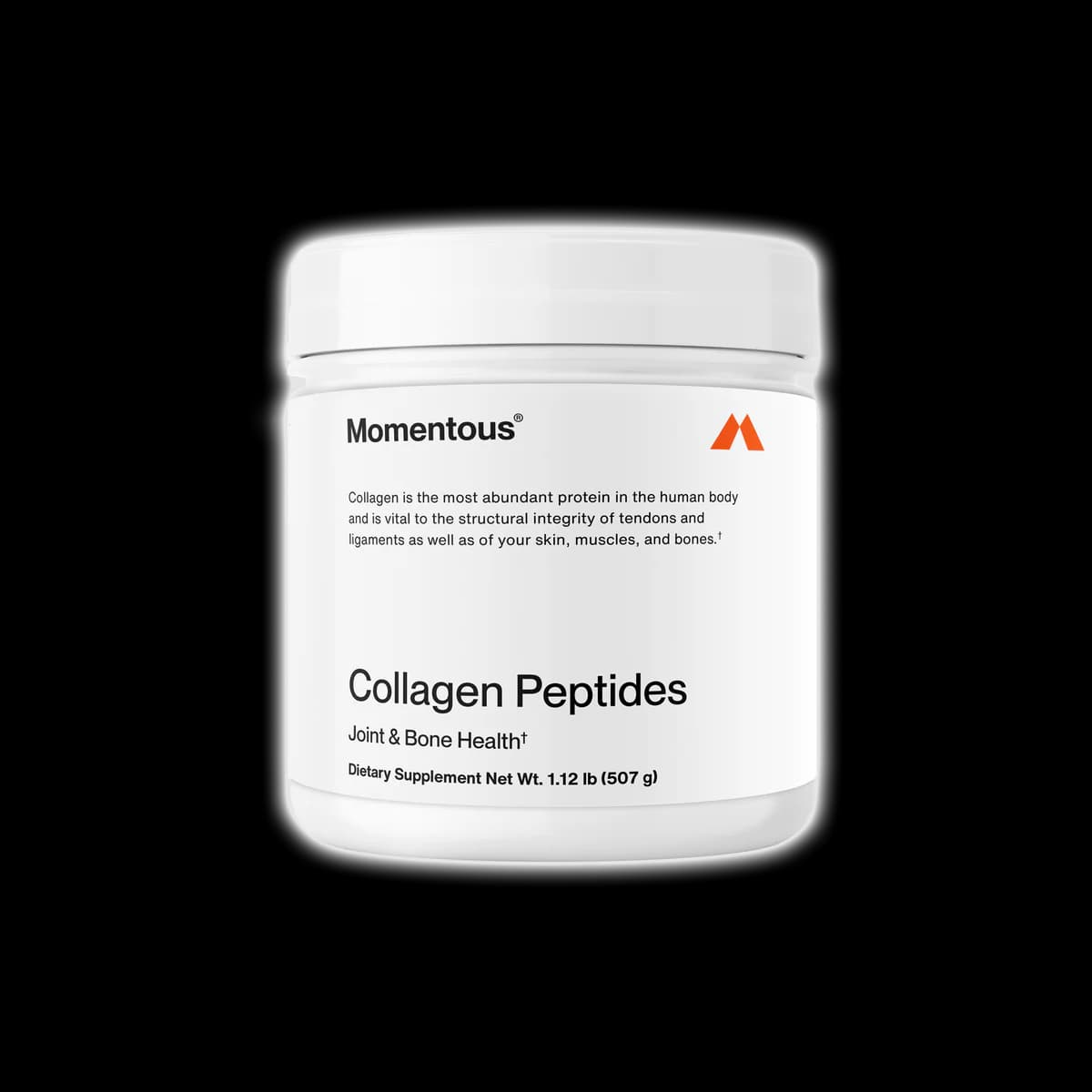
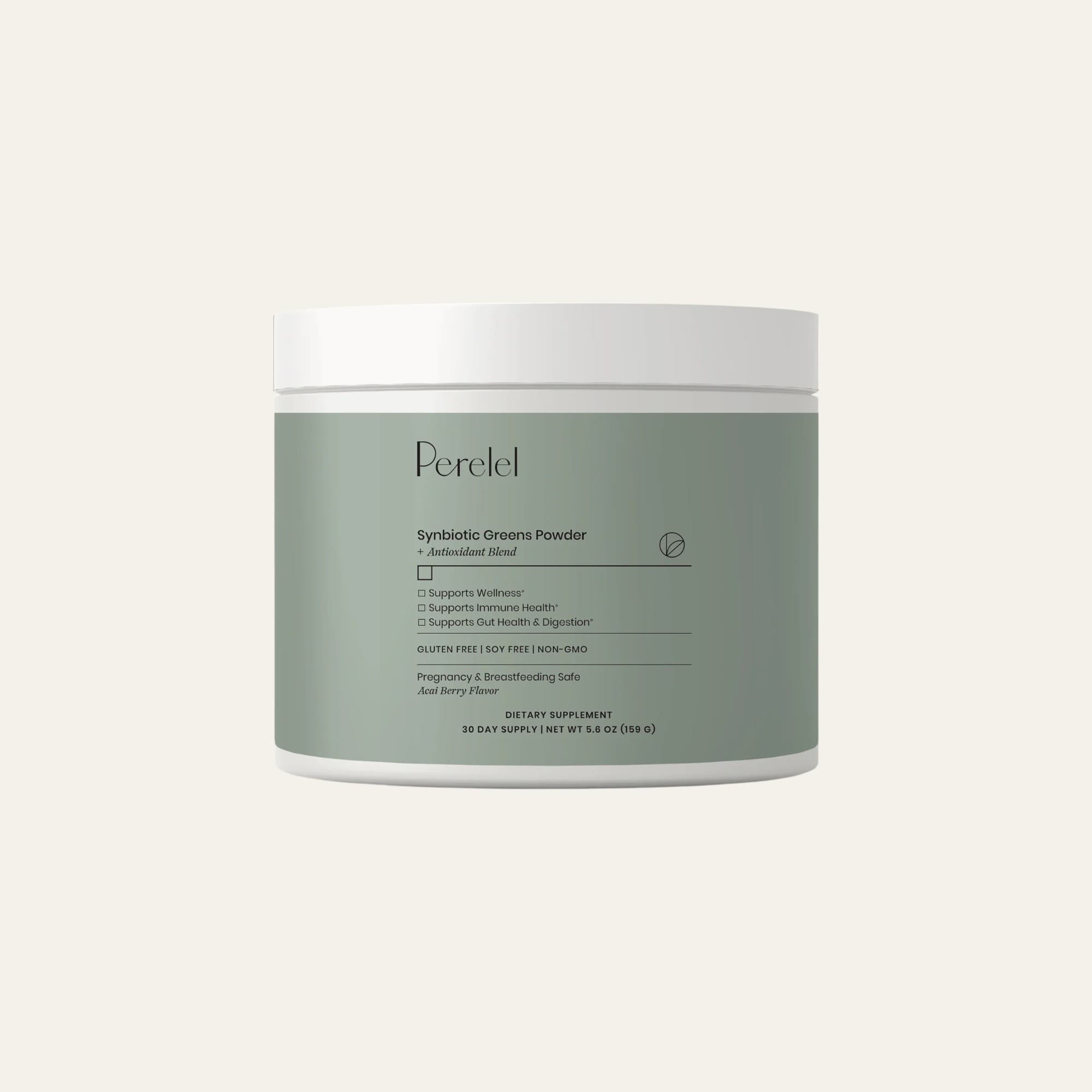
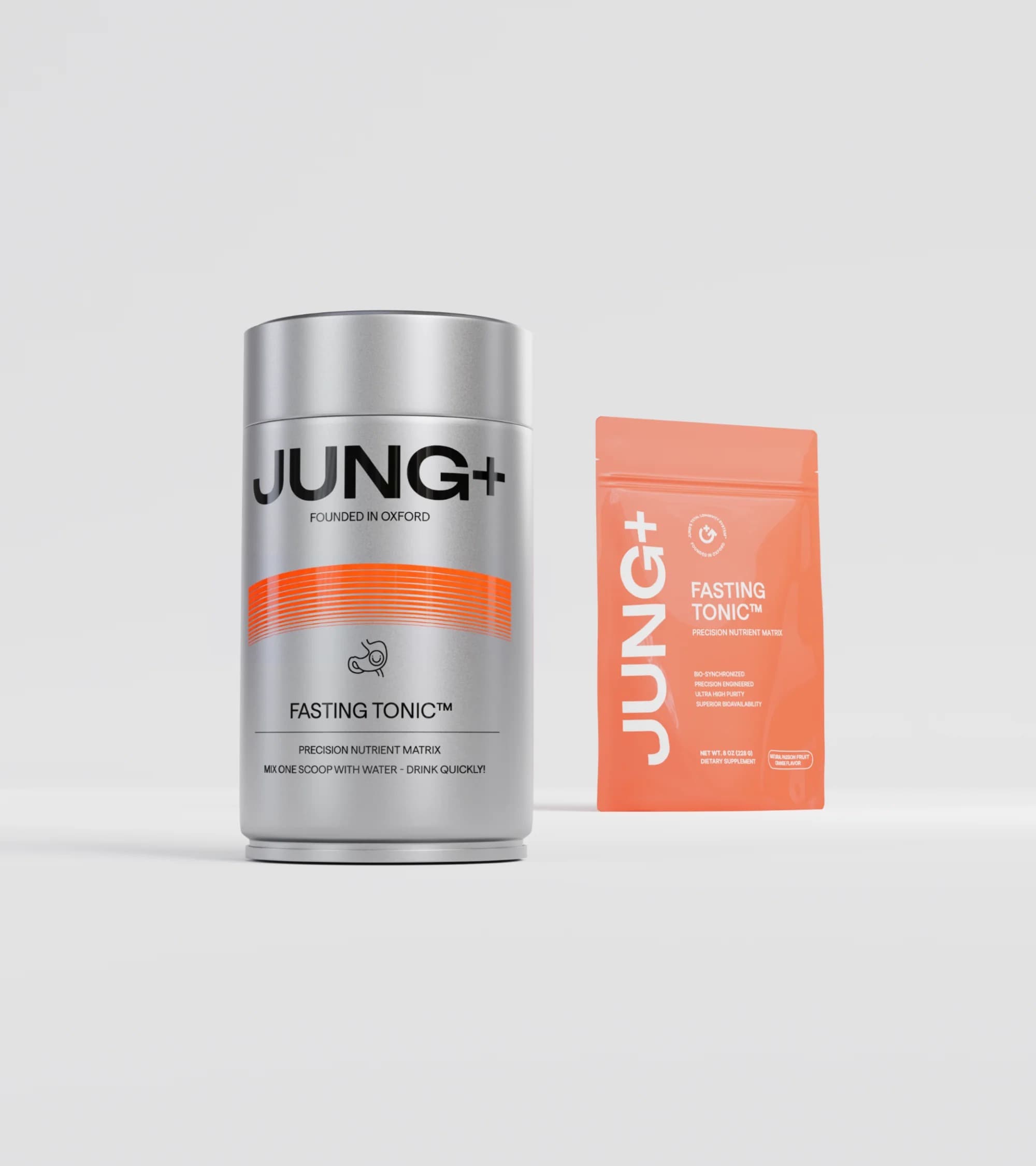
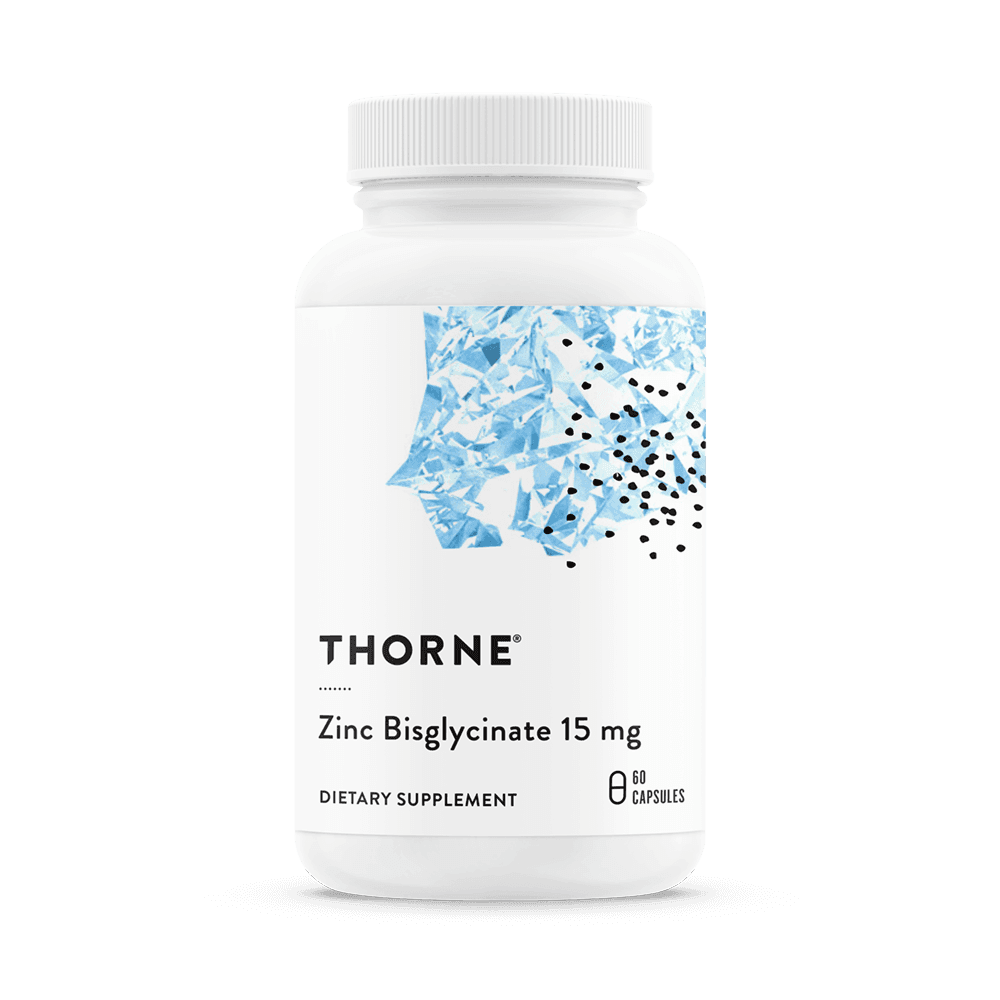
For immune support with autoimmunity at age 38 in Denver, focus on immune balance: anti‑inflammatory nutrition, key nutrients (vitamin D, omega‑3s, zinc), a resilient gut microbiome, restorative sleep/stress control, altitude‑appropriate hydration and airway care, and coordinated medical planning (including vaccines). These strategies reduce inappropriate inflammation while strengthening frontline defenses.
Recommendations
Nutrient status (Vitamin D, Omega‑3s, Zinc)
Ask your clinician for a 25‑OH vitamin D test and, if low, supplement as advised; eat fatty fish (e.g., salmon, sardines) 2 times/week or use a quality EPA/DHA fish oil; prioritize zinc‑rich foods (seafood, pumpkin seeds, beans) and avoid long‑term high‑dose zinc without supervision.
Anti‑inflammatory, microbiome‑supportive eating
Base meals on a Mediterranean pattern: plenty of colorful vegetables/fruit (aim most meals), legumes, nuts, and extra‑virgin olive oil; include fermented foods (e.g., yogurt, kefir, sauerkraut) if tolerated; limit ultra‑processed foods, refined sugars, and excess alcohol. If symptoms persist, consider a 4–6 week structured elimination (e.g., gluten and highly processed seed oils) with guided reintroduction.
Gut barrier care
Build fiber gradually to 25–35 g/day using diverse sources (oats, chia, beans, berries) and include prebiotic‑rich foods (as tolerated). If you’re on immunosuppressants or have GI issues, review any new probiotic with your clinician before starting.
Sleep and stress modulation
Protect 7–9 hours nightly with a consistent schedule; get 10–20 minutes of morning outdoor light and reduce screens 60 minutes before bed; practice a daily 10‑minute down‑shift (breathwork, yoga nidra, or a walk).
Denver‑specific hydration and airway defense
At altitude and in dry seasons, drink water regularly (carry a bottle), target light‑yellow urine, and use room humidity around 40–50% at night; consider isotonic nasal saline once daily during very dry or smoky periods.
Smart activity and medical coordination
Aim for 150 minutes/week of moderate activity plus 2 days of strength work; avoid back‑to‑back exhaustive sessions—scale intensity during flares. Coordinate any new supplement with your rheumatology/primary team and stay up‑to‑date on routine vaccines (e.g., seasonal flu, COVID‑19) per clinician guidance.
Recommended Products

















Inflammation Reduction
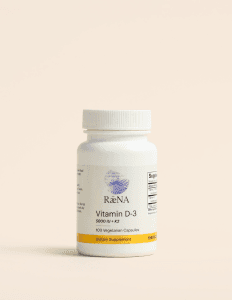
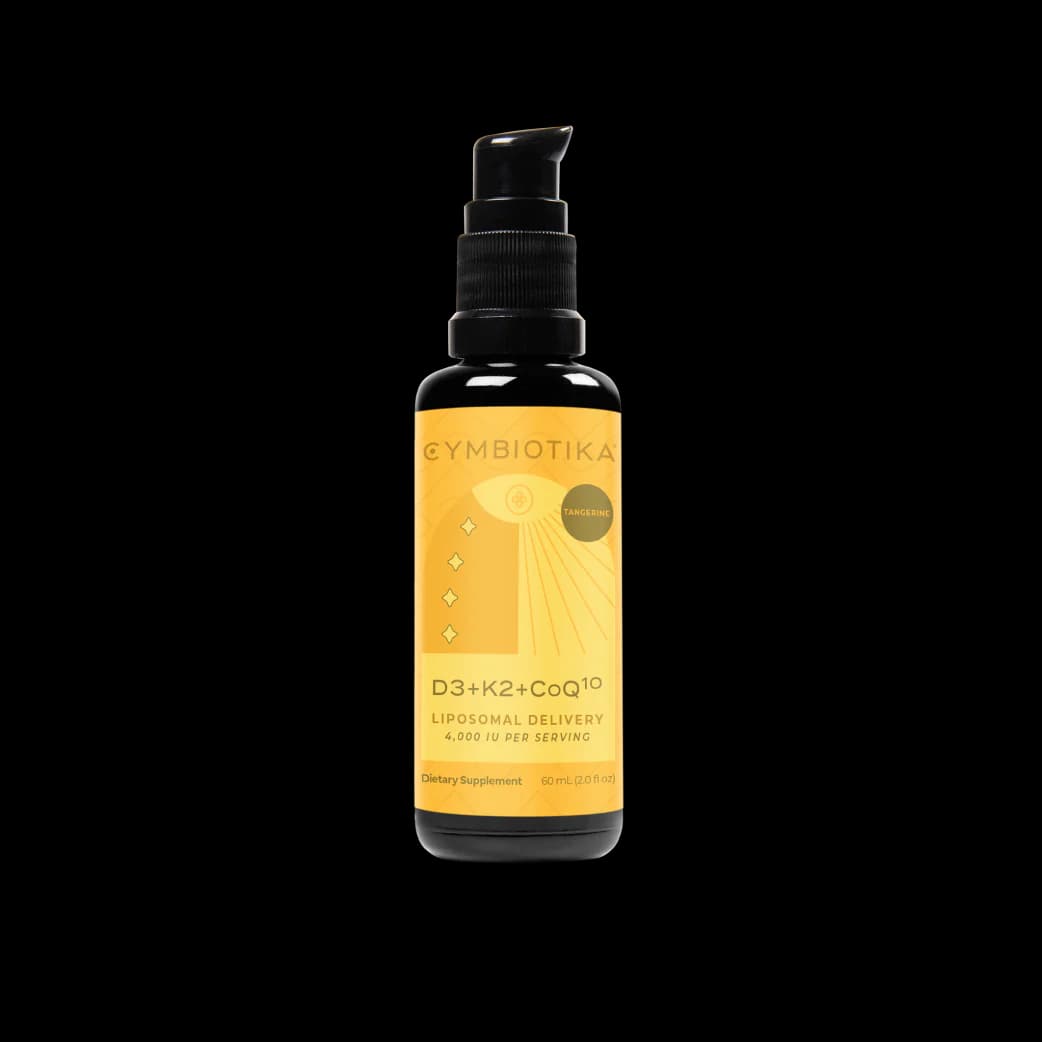
For a 38-year-old woman in Denver with an autoimmune condition, emphasize a Mediterranean-style anti-inflammatory plate, adequate omega-3s, gut barrier support, vitamin D optimization, restorative sleep/stress practices, and altitude-aware movement/hydration to calm systemic inflammation and reduce flare risk.
Recommendations
Anti-inflammatory nutrition
Build a Mediterranean-style plate: half veggies, 1/4 lean protein (fish, legumes), 1/4 high-fiber carbs; cook with extra-virgin olive oil; use turmeric/ginger with black pepper; limit ultra-processed foods and added sugar to <25 g/day; cap alcohol at ≤3 drinks/week. Consider a 4-week gluten and dairy elimination with a symptom log, then reintroduce to identify personal triggers.
Omega-3 EPA/DHA
Eat fatty fish (salmon, sardines, trout) 2–3 times weekly or take 1,000–2,000 mg/day combined EPA+DHA with meals; consult your clinician if pregnant, nursing, or on blood thinners.
Gut barrier support
Target 25–30 g fiber/day (beans, oats, chia, vegetables) and 1 serving/day fermented foods (yogurt/kefir, sauerkraut, kimchi). Consider a multi-strain probiotic (10–20B CFU) for 8–12 weeks; if ongoing GI irritation, discuss L-glutamine 5 g 1–2x/day or zinc carnosine with your clinician.
Vitamin D optimization
Request a 25‑OH vitamin D test and aim for 30–50 ng/mL. If low, supplement D3 1,000–2,000 IU/day with food per clinician guidance and recheck in 8–12 weeks—especially useful during Denver winters.
Sleep and stress regulation
Prioritize 7–9 hours nightly; keep a consistent sleep window; get 5–10 minutes of morning daylight; finish caffeine by noon; create a 60‑minute wind-down. Practice 10–20 minutes/day of breathwork, mindfulness, or gentle yoga.
Movement and altitude hydration (Denver)
Accumulate 150 minutes/week of moderate activity plus 2 strength sessions; on flare days, do 10–20 minutes of easy movement (walking, mobility). In Denver’s dry, high altitude, drink 2–3 L water/day and add electrolytes around workouts; avoid overtraining.