Workup Health Guide
Personalized wellness insights powered by Workup’s AI — designed to help you explore health solutions aligned with your goals.
Profile Overview
Disclaimer: This report was produced using Workup’s AI recommendation engine, which evaluates your demographic and health information to identify potentially relevant products and services from vetted partners. Workup does not practice medicine, and this content is for informational purposes only. Consult your physician or licensed practitioner before making any healthcare decisions.
Overview
This guide is tailored for a 41-year-old male in Philadelphia, PA, managing hypothyroidism. It focuses on promoting longevity, strength gain, and weight gain through targeted preventive health strategies.
Diagnostics & Screenings
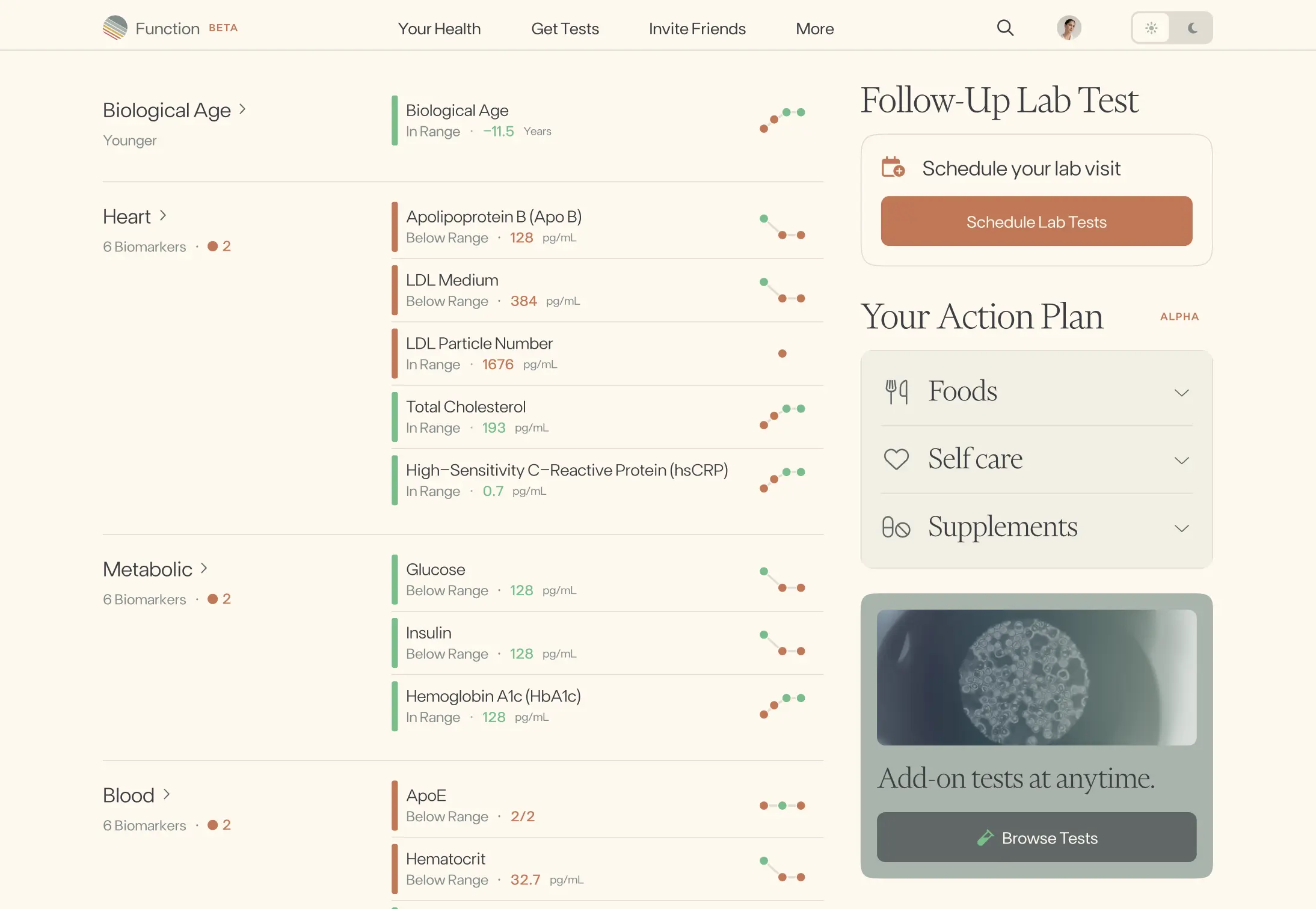
You’re a 41-year-old man with hypothyroidism aiming for longevity, strength, and healthy weight gain. Your plan prioritizes tight thyroid control (to support metabolism and training), foundational cardiometabolic screening (blood pressure, lipids, glucose), core organ-function labs (kidney/liver/electrolytes), inflammation assessment, and age-appropriate cancer and lifestyle risk checks. Where a screening begins later (e.g., colorectal at 45), we outline when and how to start. Frequencies scale with your personal risk and training intensity to keep the plan practical and evidence-based.
Screening Overview
| Tier | Test | Risk Area | Frequency | Why It Matters |
|---|---|---|---|---|
| Foundational | Blood Pressure (in-clinic and home readings) | Hypertension, stroke, and heart disease | At every healthcare visit and at least once a year; check at home weekly if prior readings are borderline or during intensive training blocks. | Nearly 1 in 2 U.S. adults have high blood pressure; controlling it reduces heart attack and stroke risk by about 30–40%. |
| Cardiovascular | Comprehensive Lipid Panel with ApoB and one-time Lp(a) | Atherosclerotic cardiovascular disease (ASCVD) | Every 4–6 years if results are optimal and overall risk is low; every 1–2 years if overweight, hypertensive, or thyroid levels are not yet well-controlled. Check Lp(a) once in adulthood; repeat only if a major method change occurs. | ASCVD is the leading cause of death. Lowering LDL reduces events ~20–25% per 39 mg/dL drop; ~1 in 5 people have high Lp(a), which adds risk independent of LDL. ApoB reflects atherogenic particle number and improves risk stratification. |
| Metabolic | Hemoglobin A1C and Fasting Glucose | Prediabetes and type 2 diabetes | Every 3 years if normal; yearly if BMI ≥25, family history, or if thyroid under-replacement is suspected. | About 1 in 3 U.S. adults have prediabetes and ~80% are unaware; lifestyle changes after early detection can cut progression to diabetes by roughly 58%. |
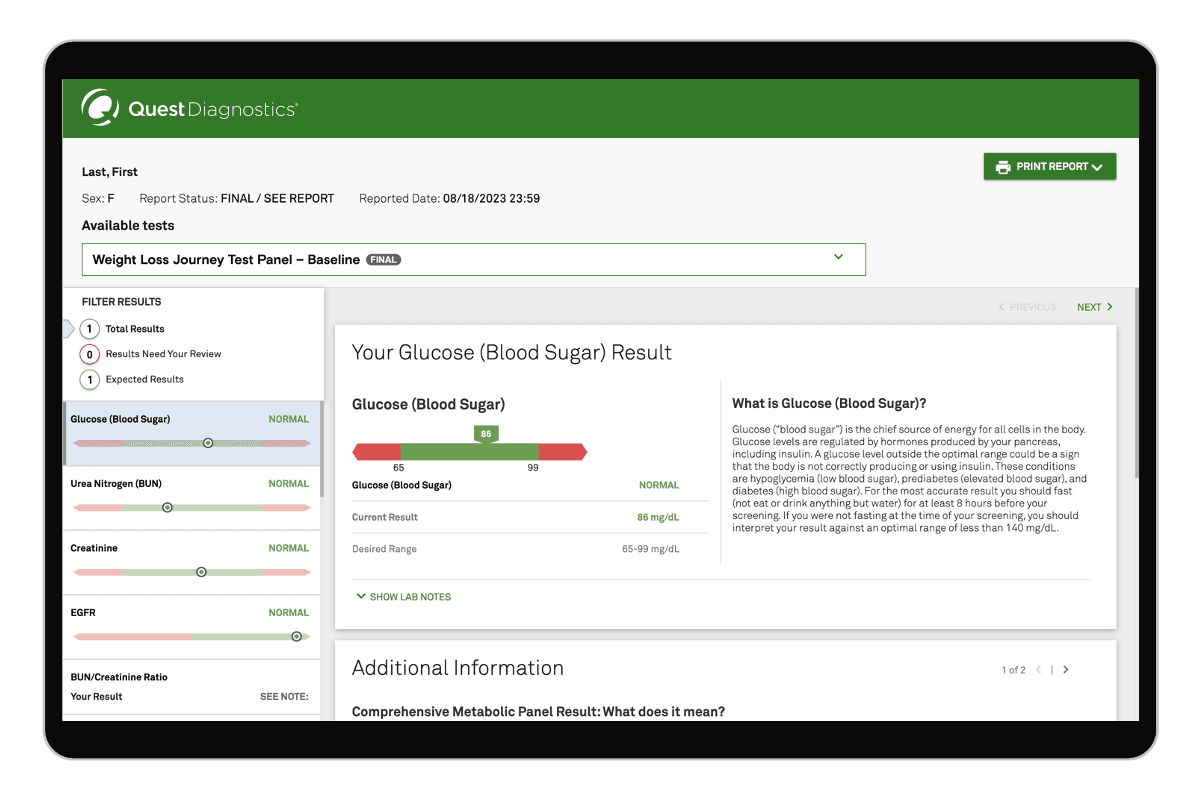
| Organ Function | Comprehensive Metabolic Panel (electrolytes, kidney eGFR/creatinine, liver enzymes) | Chronic kidney disease, fatty liver disease, medication/alcohol effects | Annually if generally healthy; sooner if you start new medications, drink alcohol regularly, or have dehydration risk from intense training. | Chronic kidney disease affects ~1 in 7 adults, most undiagnosed. Nonalcoholic fatty liver disease affects about 1 in 4 adults and can progress silently. |
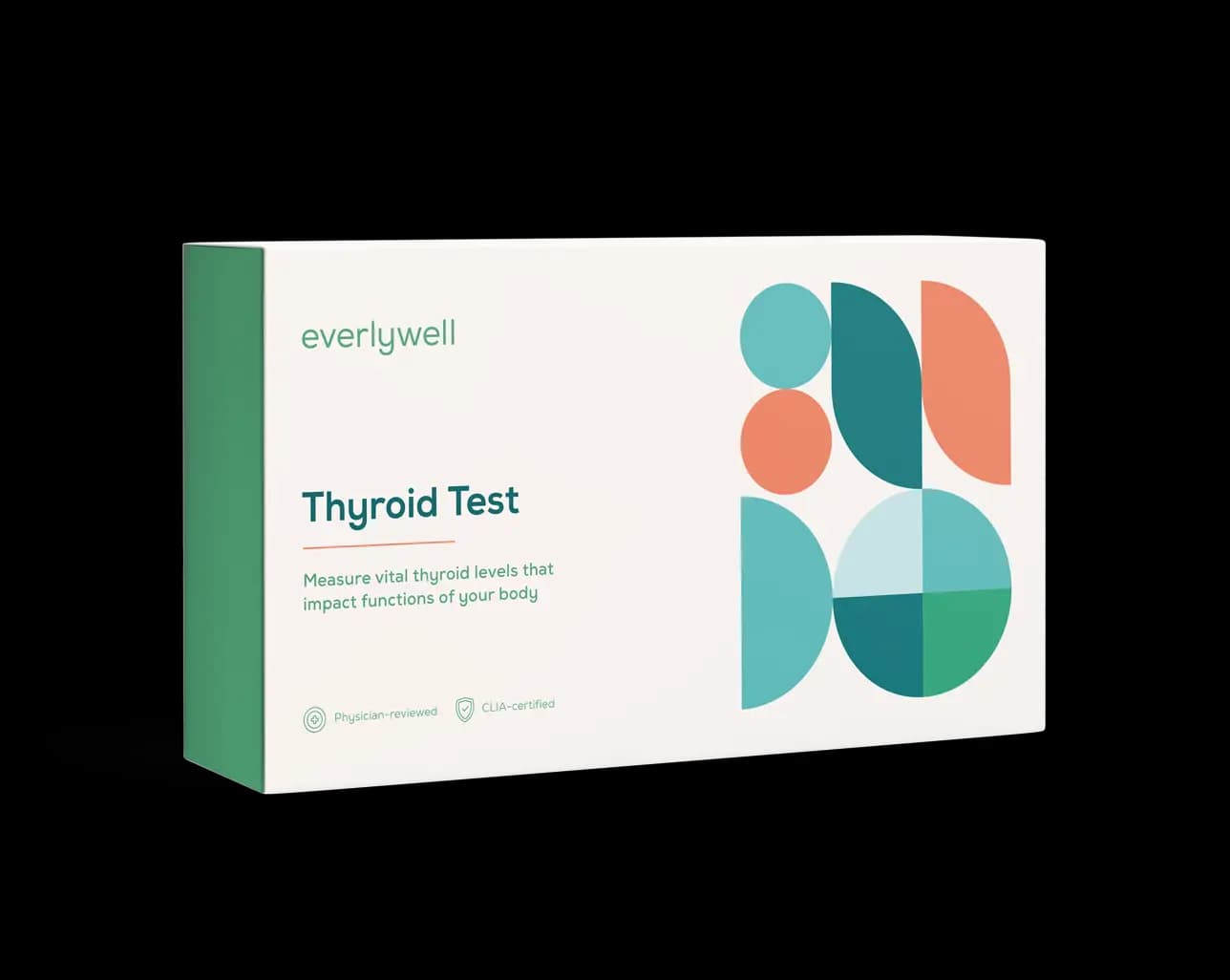
| Thyroid/Autoimmune | Thyroid Function (TSH with Free T4) for Hypothyroidism Management | Under- or over-replacement, dyslipidemia, fatigue, and training intolerance | 6–8 weeks after any levothyroxine dose change; once stable, every 6–12 months, or sooner if symptoms or major weight change occur. | About 5% of U.S. adults have thyroid disease. Maintaining euthyroid levels supports metabolism and lipid control; over/under-treatment increases arrhythmia and bone risk. |
| Thyroid/Autoimmune | Thyroid Peroxidase Antibodies (TPOAb) | Autoimmune thyroiditis (Hashimoto’s) | One time to confirm autoimmune cause; typically no need to repeat once established. | Hashimoto’s accounts for up to ~90% of primary hypothyroidism in iodine-sufficient regions; confirming etiology guides counseling and expectations. |
| Inflammation | High-sensitivity C-reactive Protein (hs-CRP) | Systemic inflammation and cardiovascular risk | Once to establish baseline; repeat in ~3 months if ≥2 mg/L after addressing acute illness, injury, alcohol, or poor sleep. | Elevated hs-CRP is associated with roughly 2× higher risk of heart attack and stroke independent of LDL levels. |
| Lifestyle Risk | Sleep Apnea Screening (STOP-Bang with home sleep test if high risk) | Obstructive sleep apnea, cardiometabolic strain, impaired recovery | Screen now; test if high-risk by questionnaire, loud snoring, witnessed apneas, daytime sleepiness, or neck circumference/BMI. Reassess if weight changes by ≥10% or symptoms evolve. | Obstructive sleep apnea affects roughly 13–33% of men; untreated OSA raises hypertension risk 2–3× and impairs daytime function—treatment improves blood pressure and recovery. |
| Cancer | Full-Body Skin Examination (dermatology or trained clinician) | Melanoma and nonmelanoma skin cancers | Annually; sooner for new or changing moles, especially with fair skin or high sun exposure. | About 1 in 5 Americans develop skin cancer by age 70; early-detected melanoma has >99% 5-year survival versus much lower when advanced. |
| Cancer | Colorectal Cancer Screening (plan to start at 45) | Colorectal cancer | Starting at age 45 if average risk: FIT stool test yearly or colonoscopy every 10 years (earlier if strong family history or inflammatory bowel disease). | Colorectal cancer is the second-leading cause of cancer death; screening beginning at guideline age reduces mortality by roughly 60%. |
Recommended Products


















Nutrition & Dietary Focus
41-year-old male with hypothyroidism aiming for longevity, strength, and healthy weight gain: prioritize a Mediterranean-style calorie surplus, higher protein, smart carbs around training, thyroid-supportive micronutrients (food-first, no high-dose iodine), vitamin D and omega-3s, and evidence-based supplements like creatine. Separate minerals/soy from thyroid medication to protect absorption.
Recommendations
Weight Gain
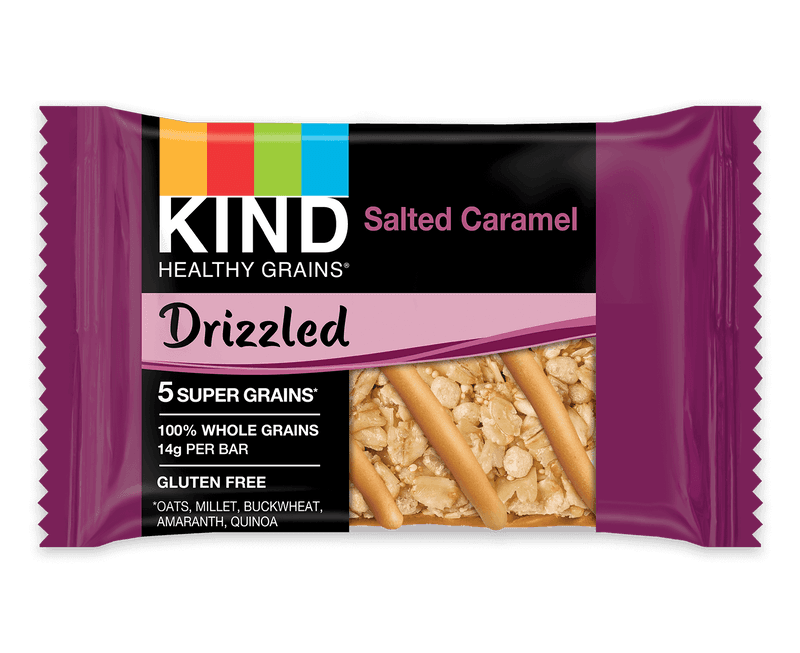
Create a 300–500 kcal/day surplus using 3 meals plus 2–3 snacks; add energy-dense whole foods like extra-virgin olive oil, nut butters, avocado, oats, dried fruit, and full-fat fermented dairy if tolerated.
Strength & Muscle
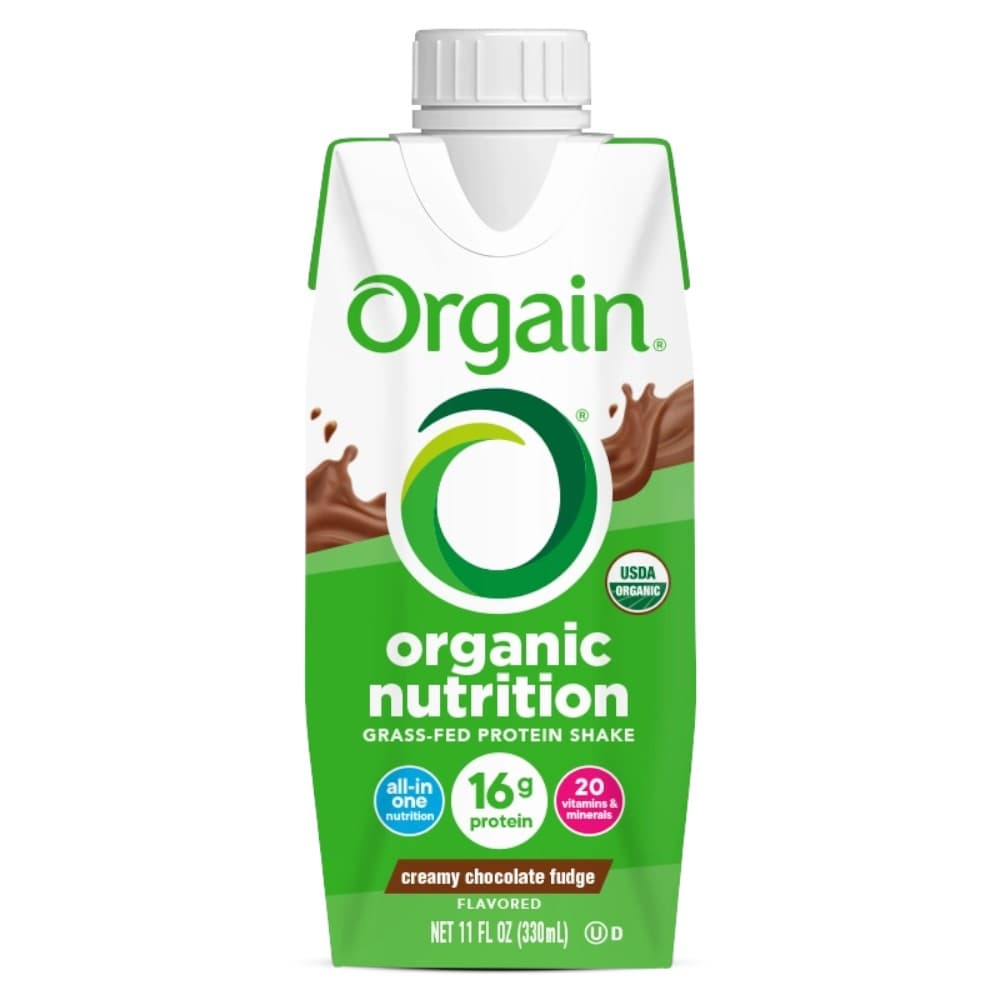
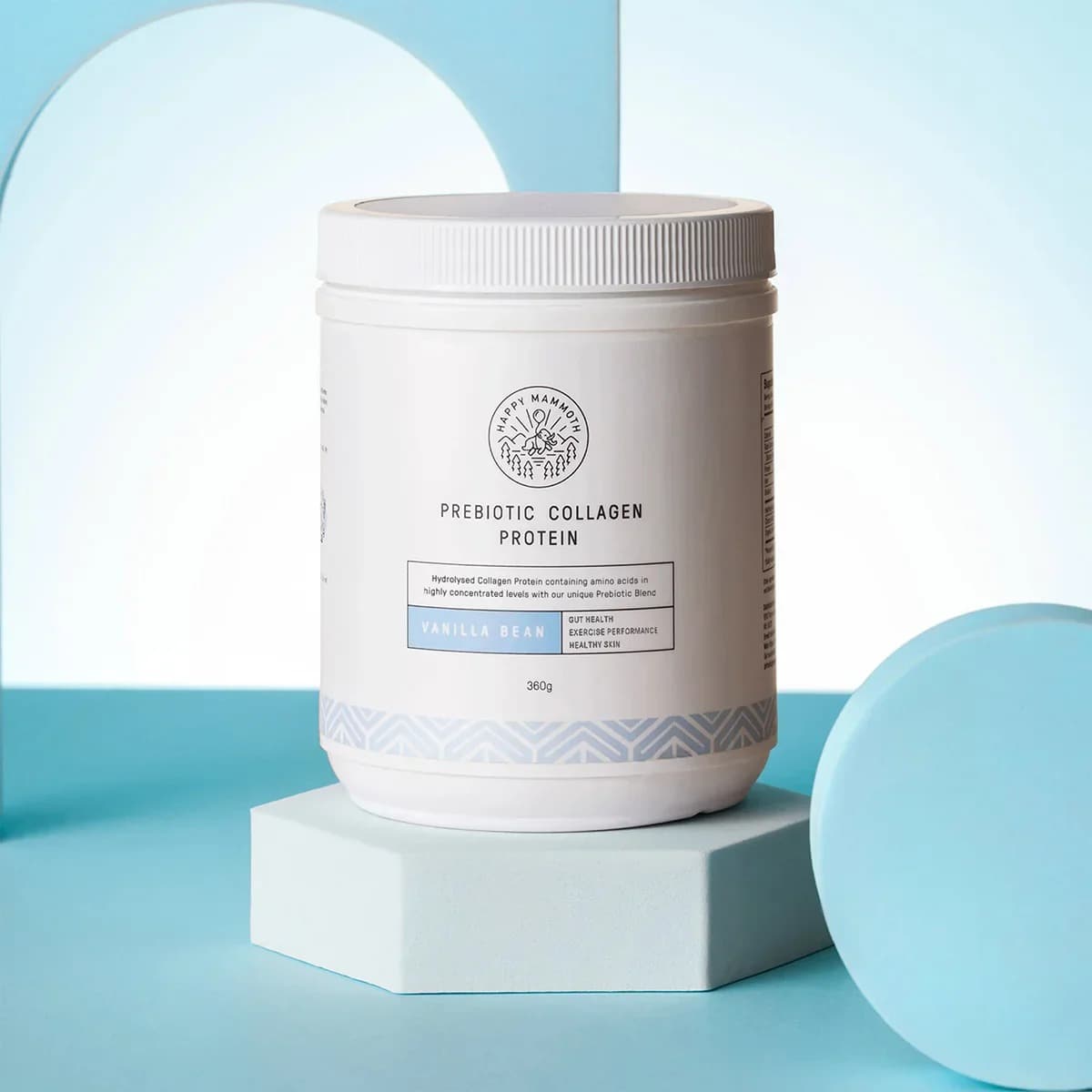
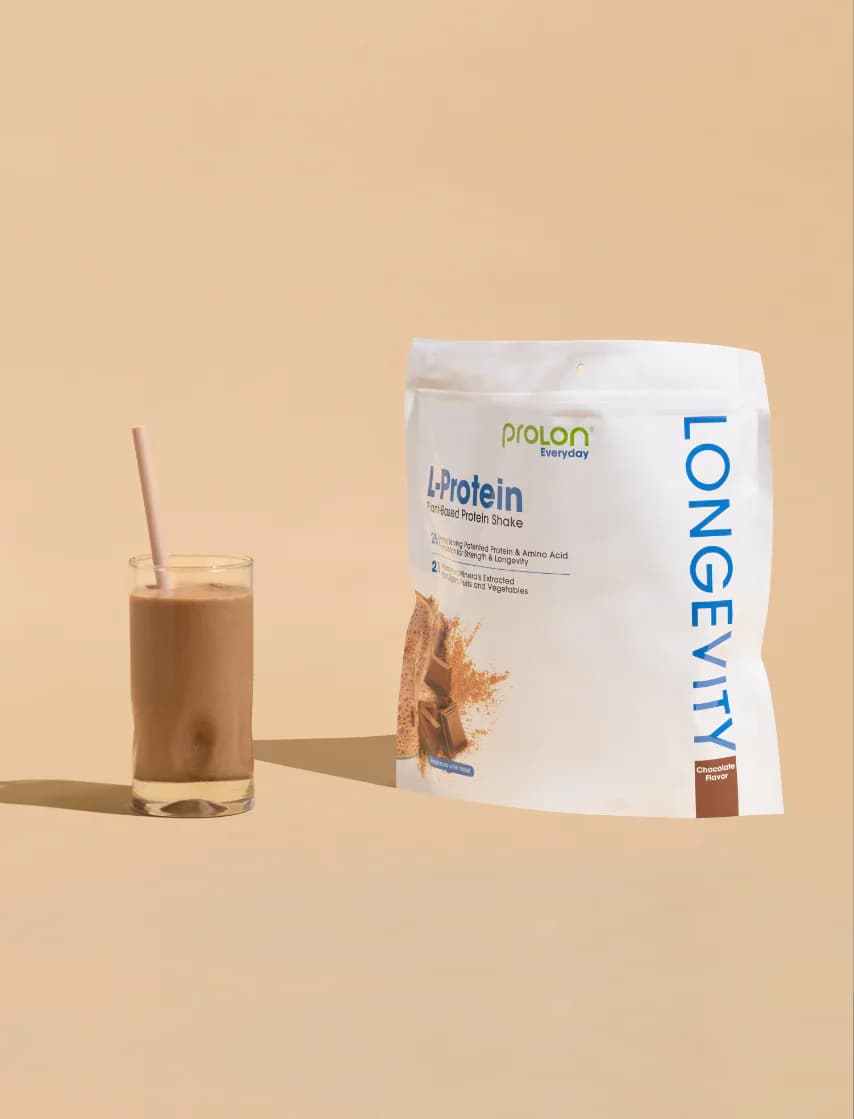
Target 1.6–2.2 g/kg/day protein split over 4–5 feedings (25–40 g each); anchor meals with high-quality sources (eggs, dairy, lean meats, fish, tofu/tempeh, legumes) and consider a whey or casein shake when convenient.
Performance & Recovery
Aim for 3–5 g/kg/day carbohydrates, prioritizing 1 g/kg in the 1–3 hours pre-workout and 1–2 g/kg plus 20–40 g protein within 3 hours post-workout; choose fruit, potatoes, rice, and whole grains.
Thyroid Support
Use food-first micronutrients: selenium from 1 Brazil nut 3–4 times/week or a modest 100–200 mcg supplement if your clinician agrees; get iodine primarily from regular use of iodized salt and seafood; avoid high-dose iodine/kelp. Ensure adequate zinc and iron from foods (beef, oysters, legumes, leafy greens).
Medication & Nutrient Timing
If taking thyroid hormone, take it on an empty stomach and separate calcium, iron, high-fiber/soy foods, and coffee by ~4 hours; keep a consistent routine for best absorption.
Longevity & Inflammation
Adopt a Mediterranean-style base: vegetables, legumes, whole grains, fruit, nuts, olive oil, herbs/spices; include fatty fish 2x/week or 1–2 g/day EPA+DHA; limit ultra-processed foods and refined sugars.
Vitamin D (Philadelphia latitude)
Check 25(OH)D; in fall–spring consider 1000–2000 IU/day vitamin D3 if levels are low/insufficient, with food and fat; recheck per clinician guidance.
Evidence-Based Ergogenics
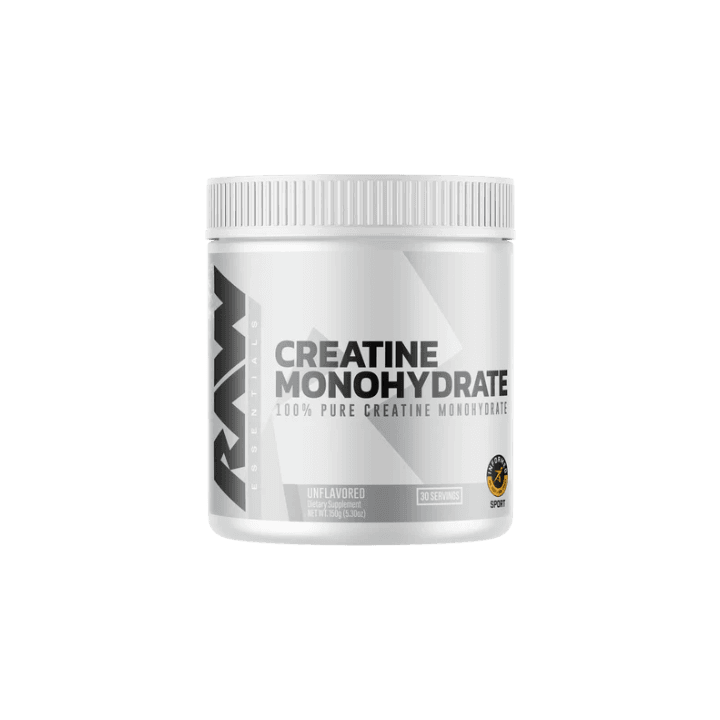
Take creatine monohydrate 3–5 g daily with a meal; maintain good hydration. Optionally add a slow-digesting 30–40 g casein snack before bed if total calories/protein are hard to meet.
Recommended Products


















Supplement Strategy
For a 41-year-old male with hypothyroidism aiming for longevity, strength, and healthy weight gain, this stack prioritizes muscle accrual, cardiometabolic health, and thyroid support while staying medication-safe. Emphasis is on creatine and high-quality protein for strength/weight gain, vitamin D3 and omega-3s for longevity and heart health, and selenium, zinc, and magnesium to support thyroid function and recovery. Avoid high-dose iodine/kelp unless prescribed, and separate minerals from thyroid medication by at least 4 hours.
Supplement Recommendations
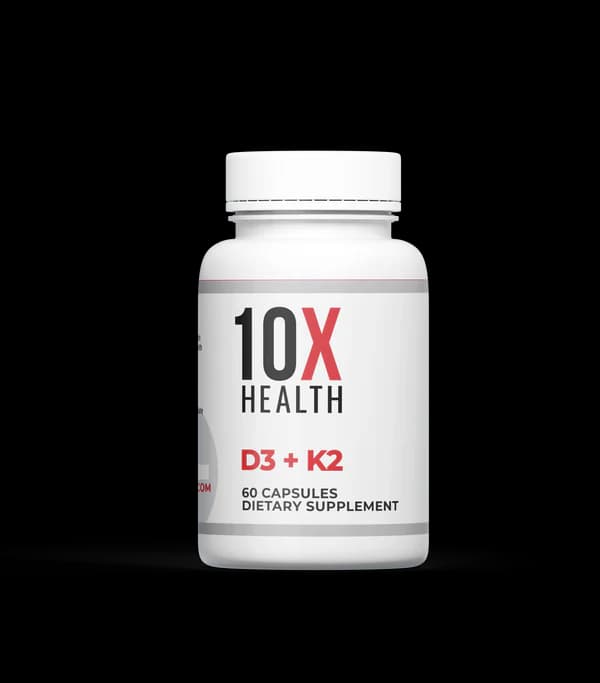
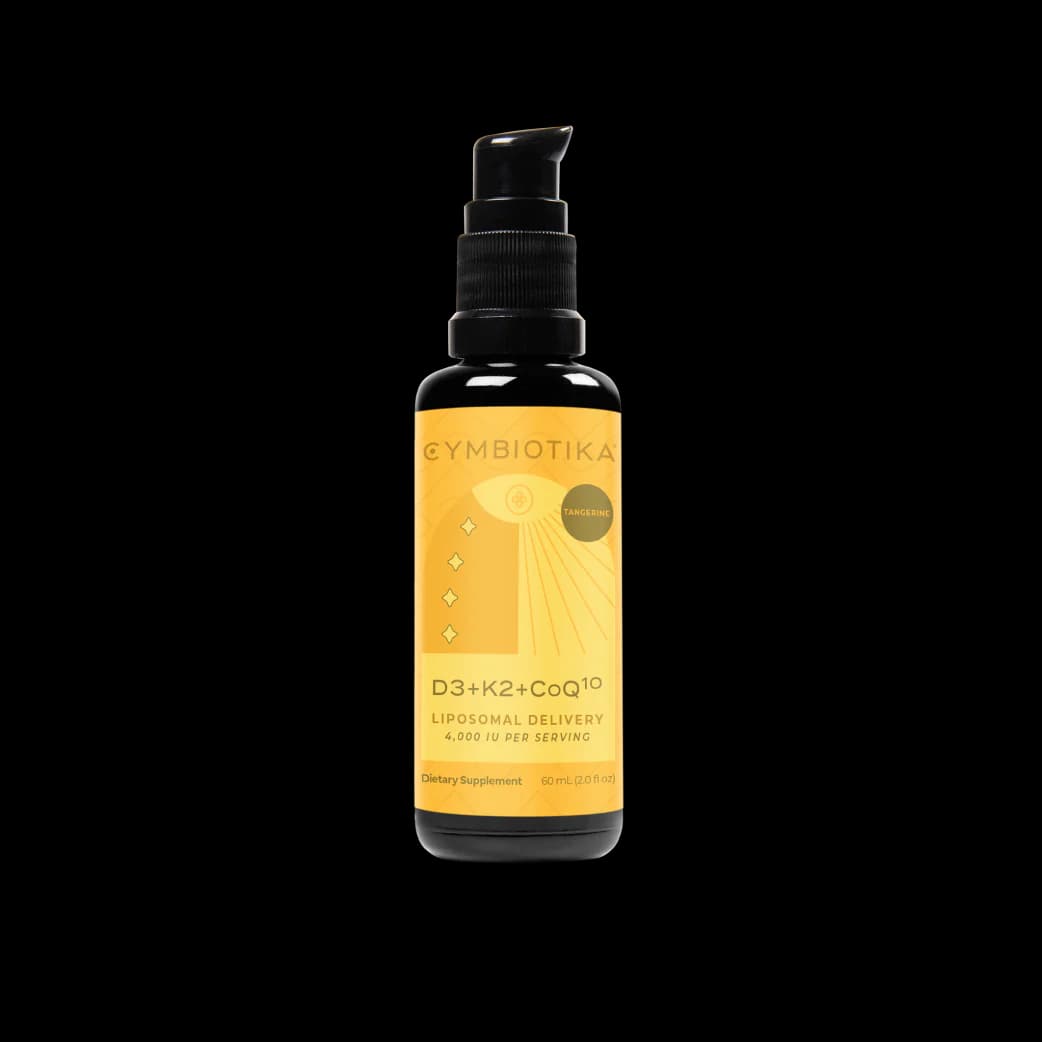
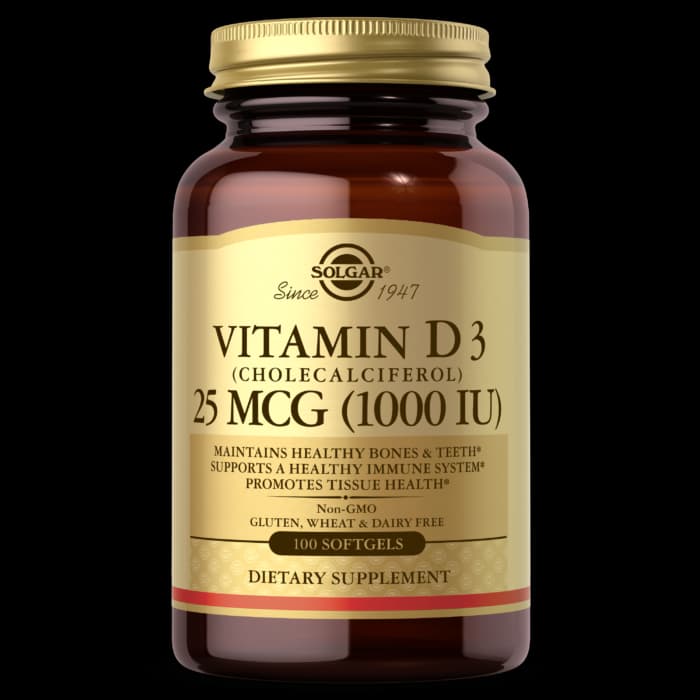
Vitamin D3
•Longevity & Cardiometabolic2,000 IU daily with a meal; adjust to keep 25(OH)D ~30–50 ng/mL based on labs
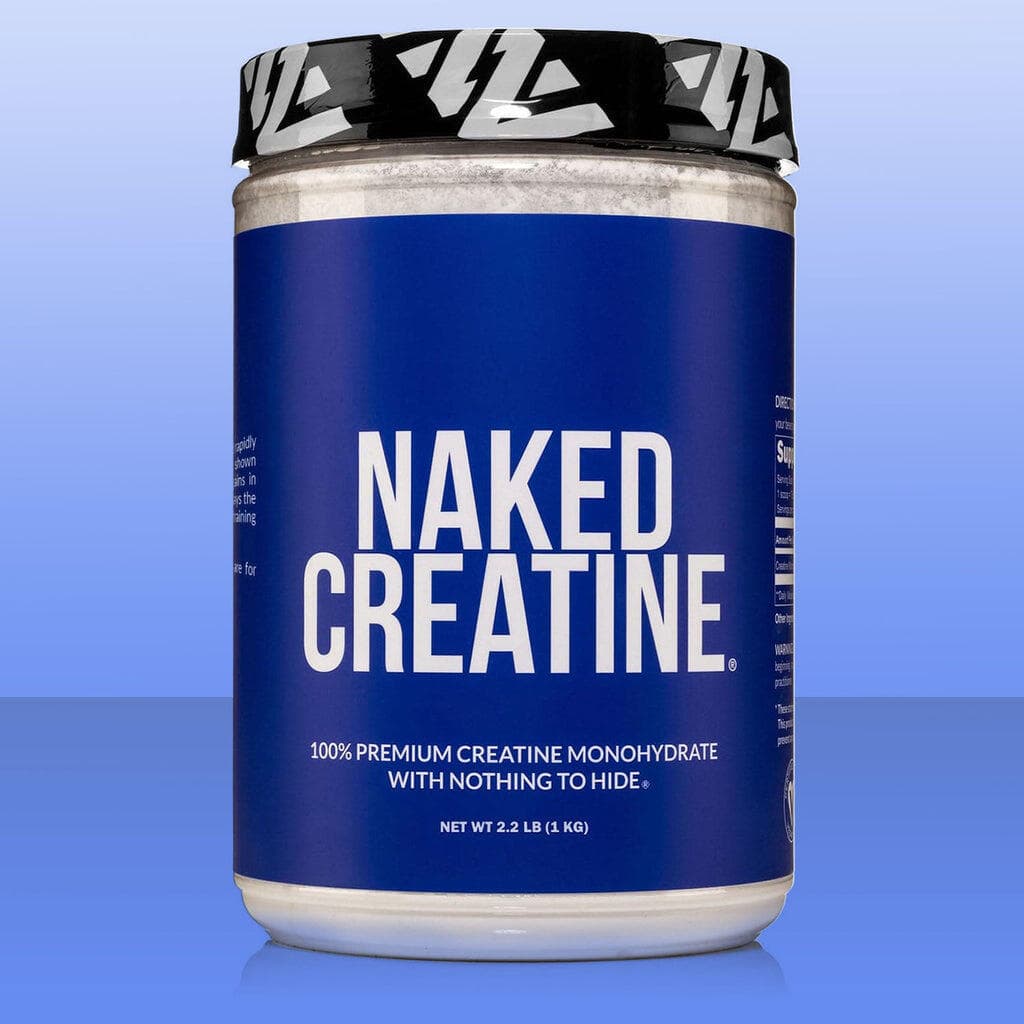
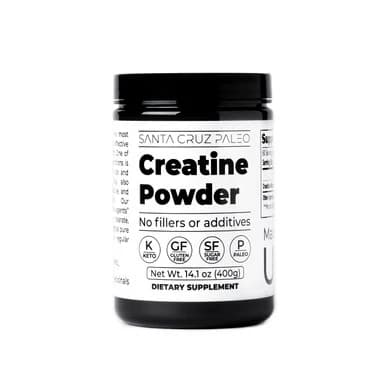
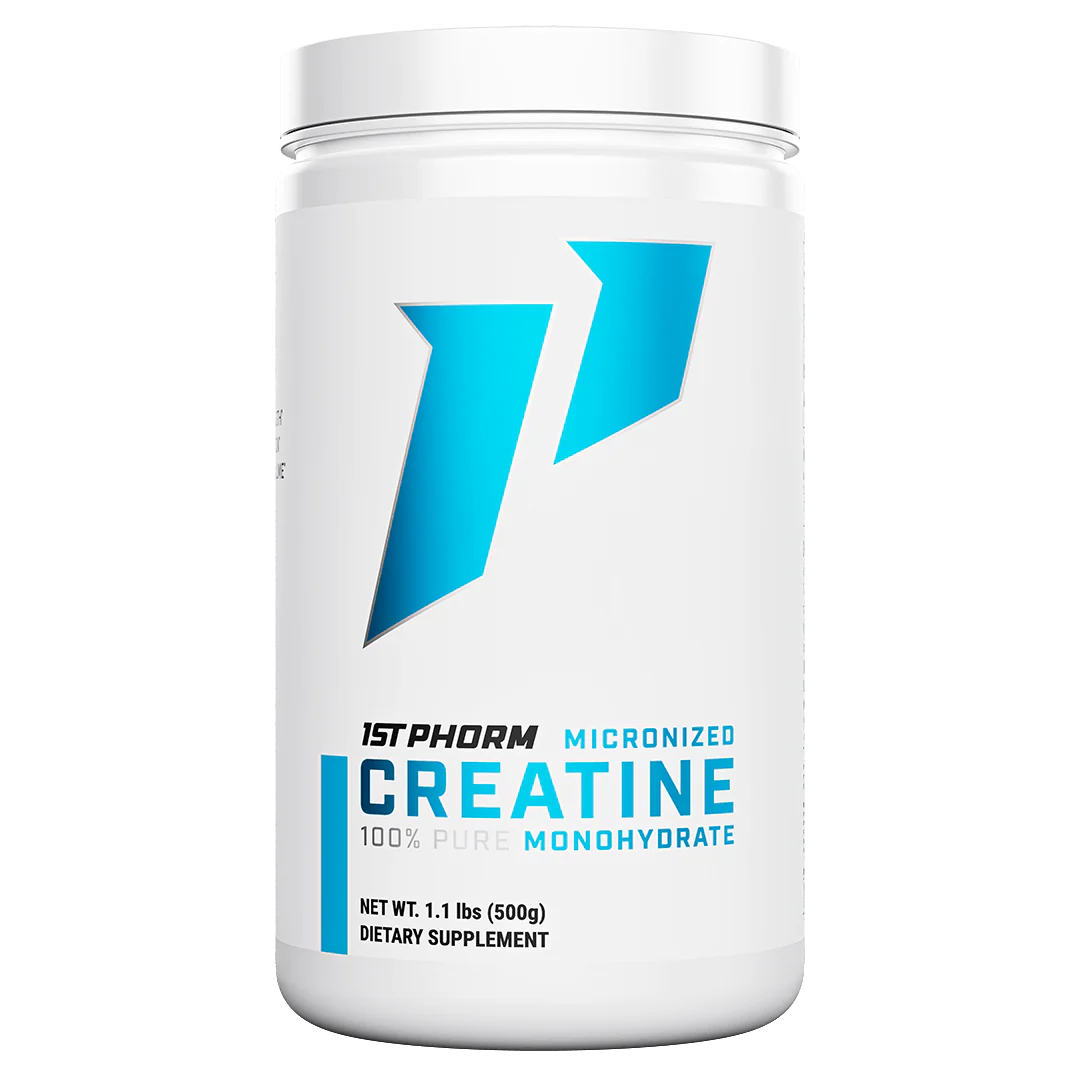
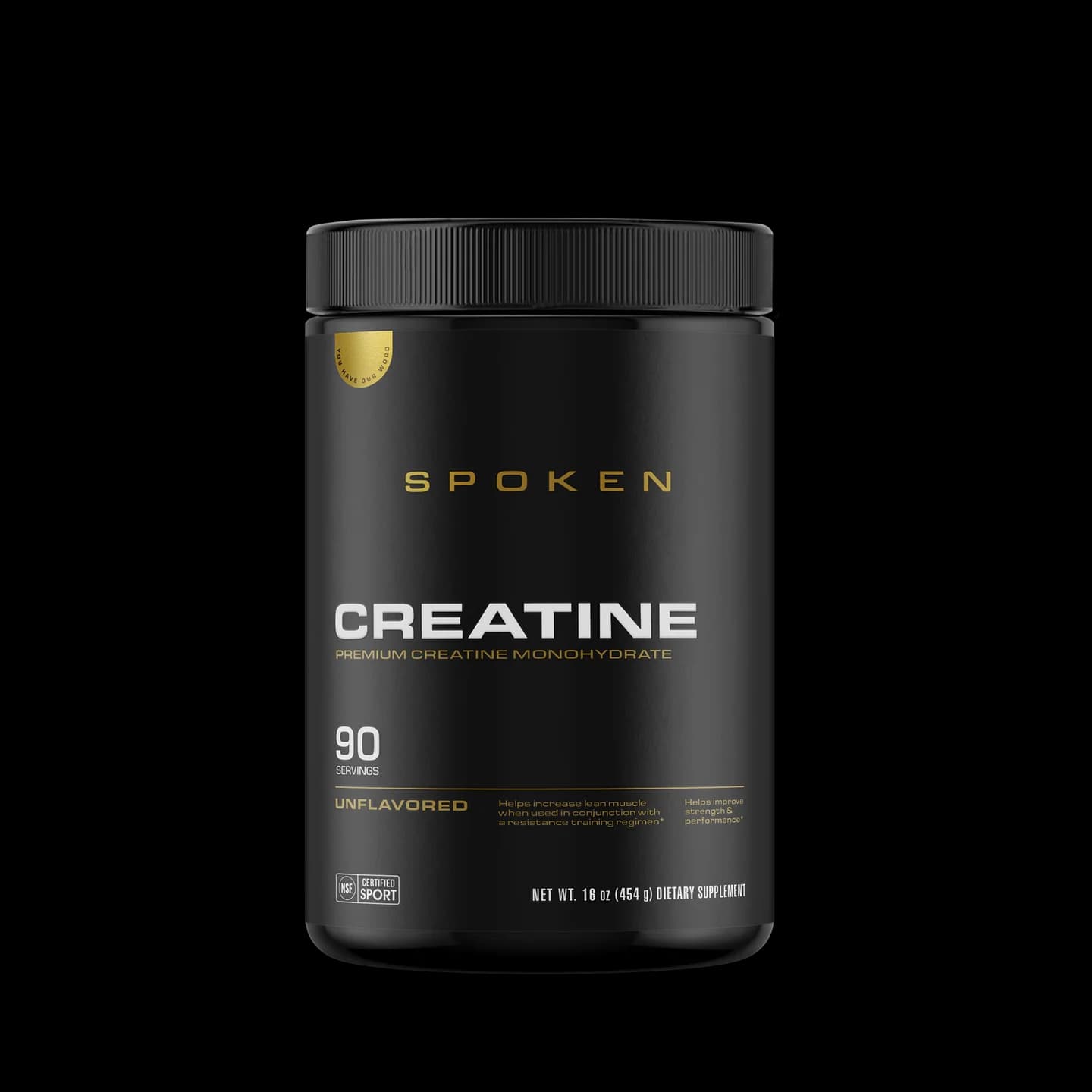
Creatine Monohydrate
•Strength & Weight Gain3–5 g daily (creapure/monohydrate powder or capsules); no loading needed; stay well hydrated
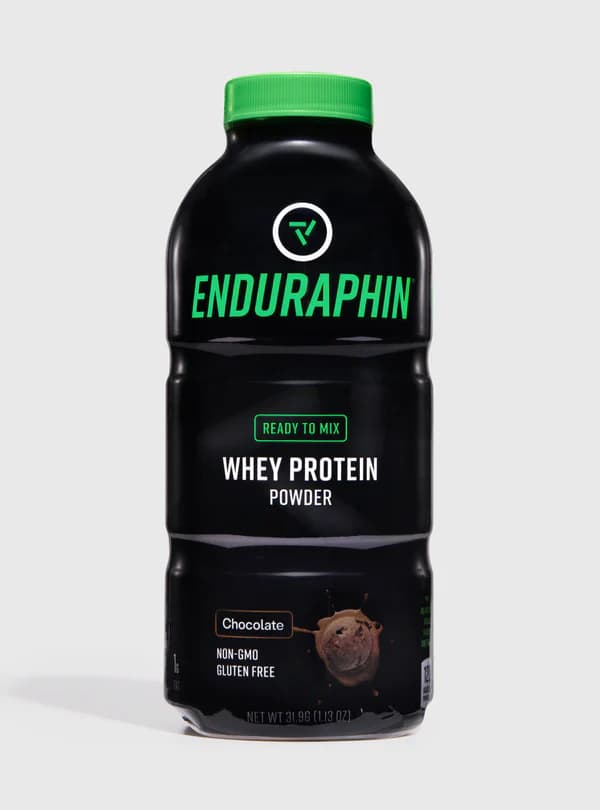
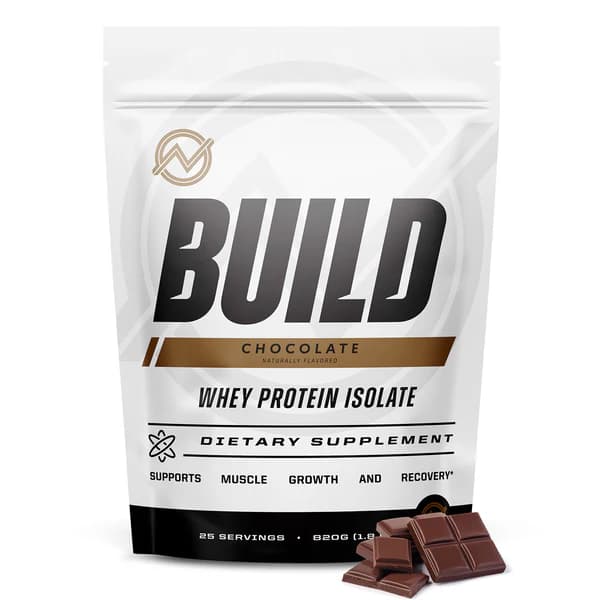
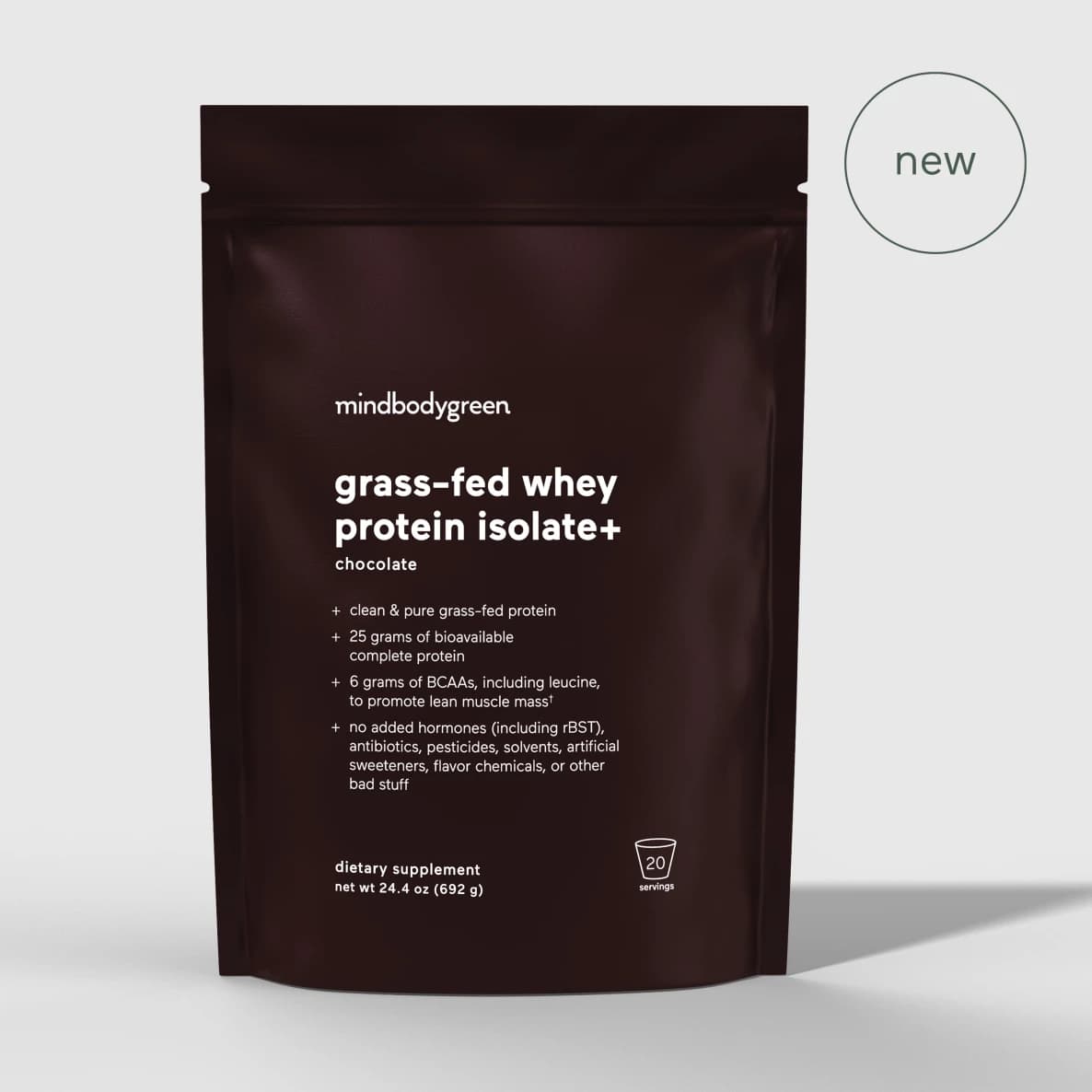
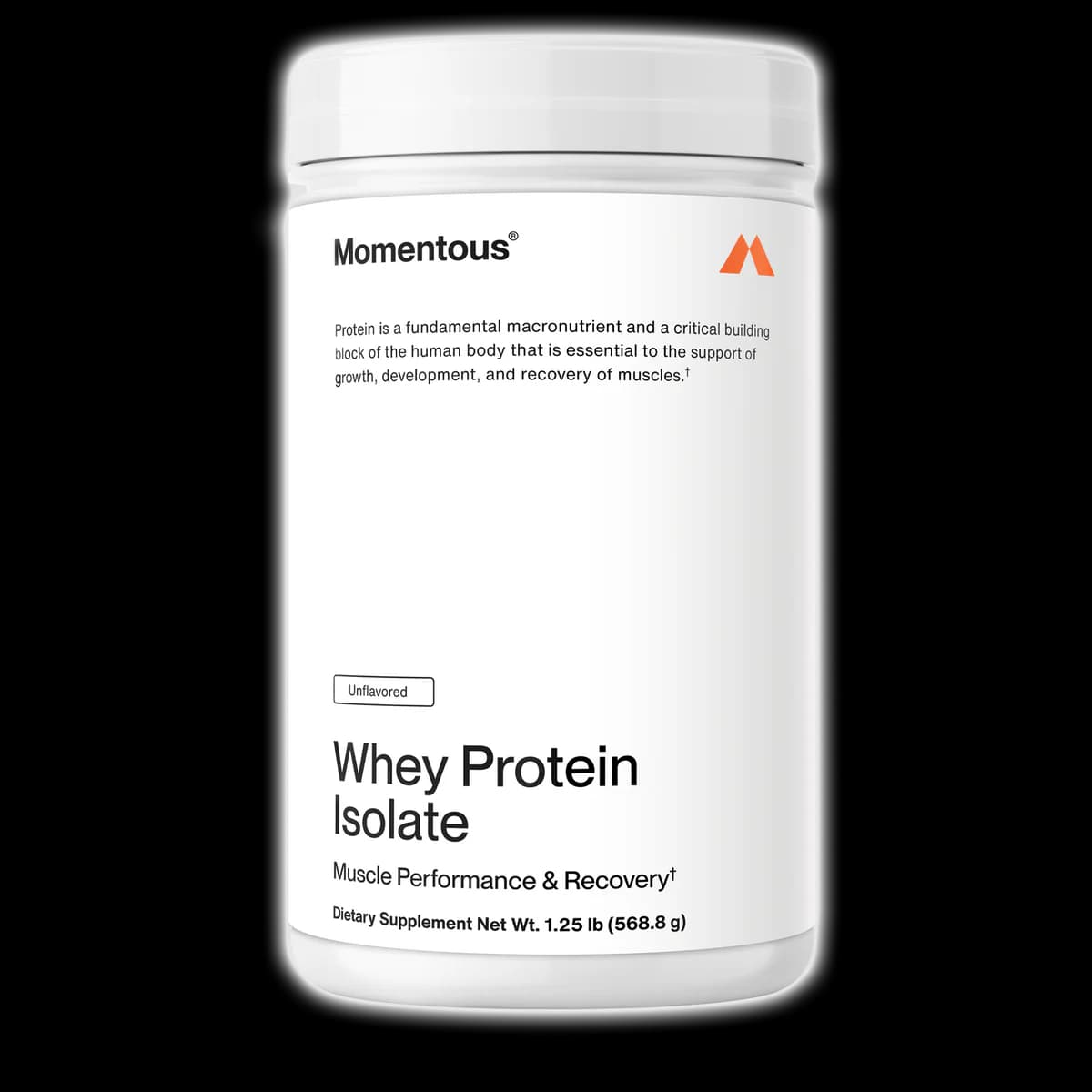
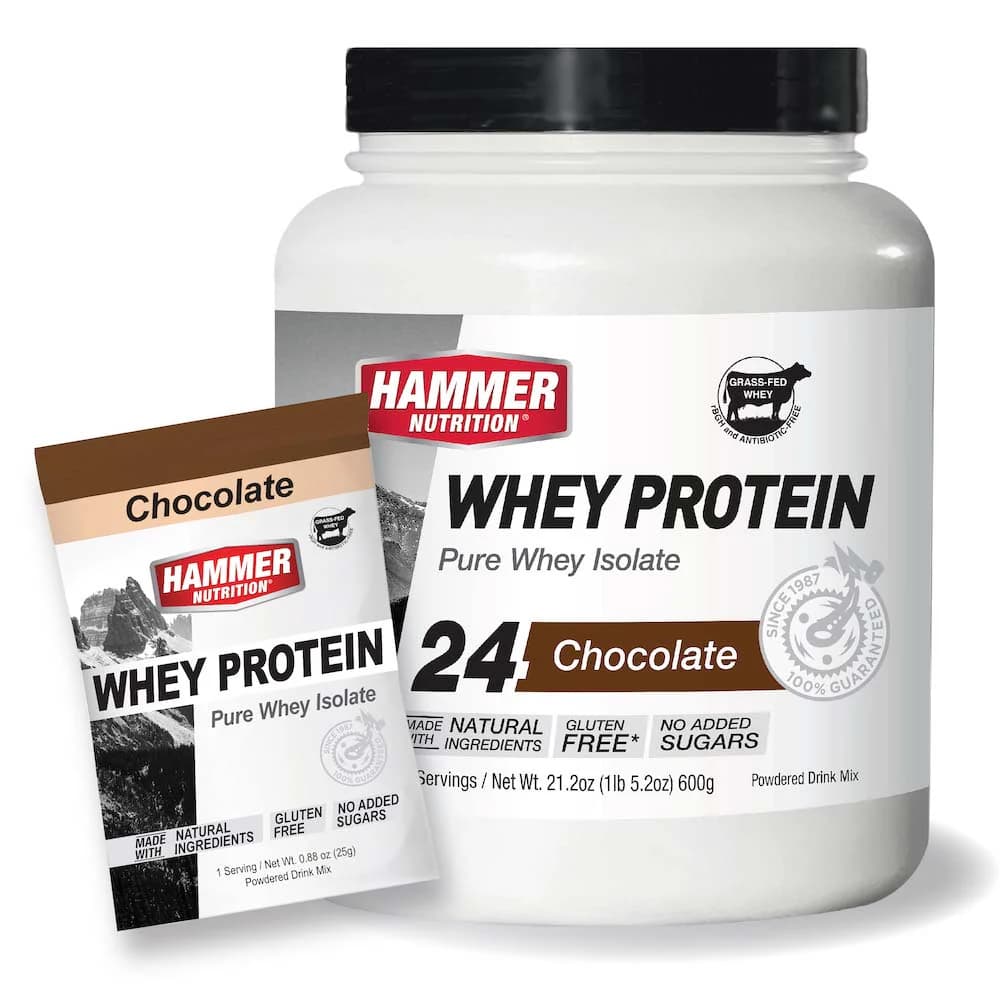
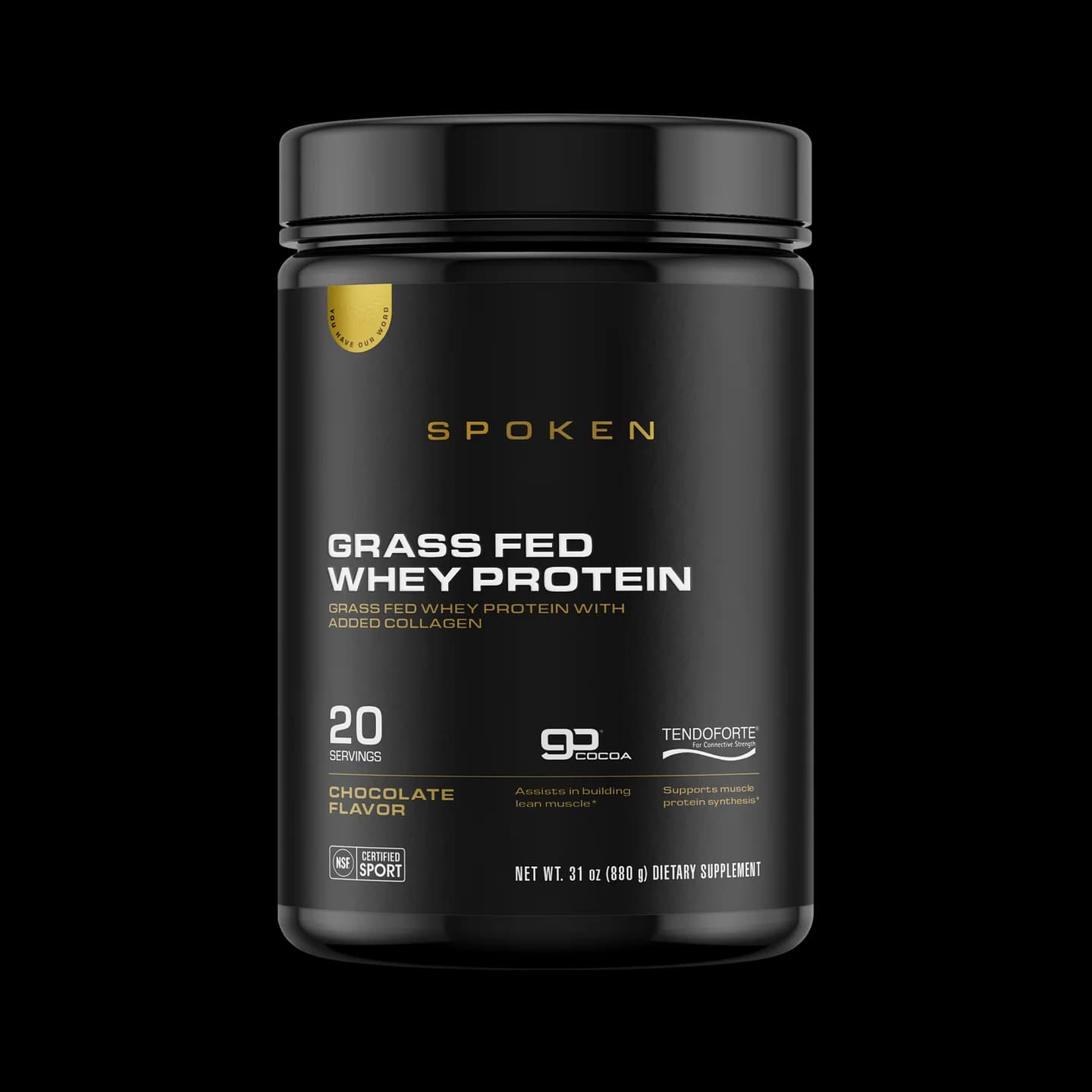
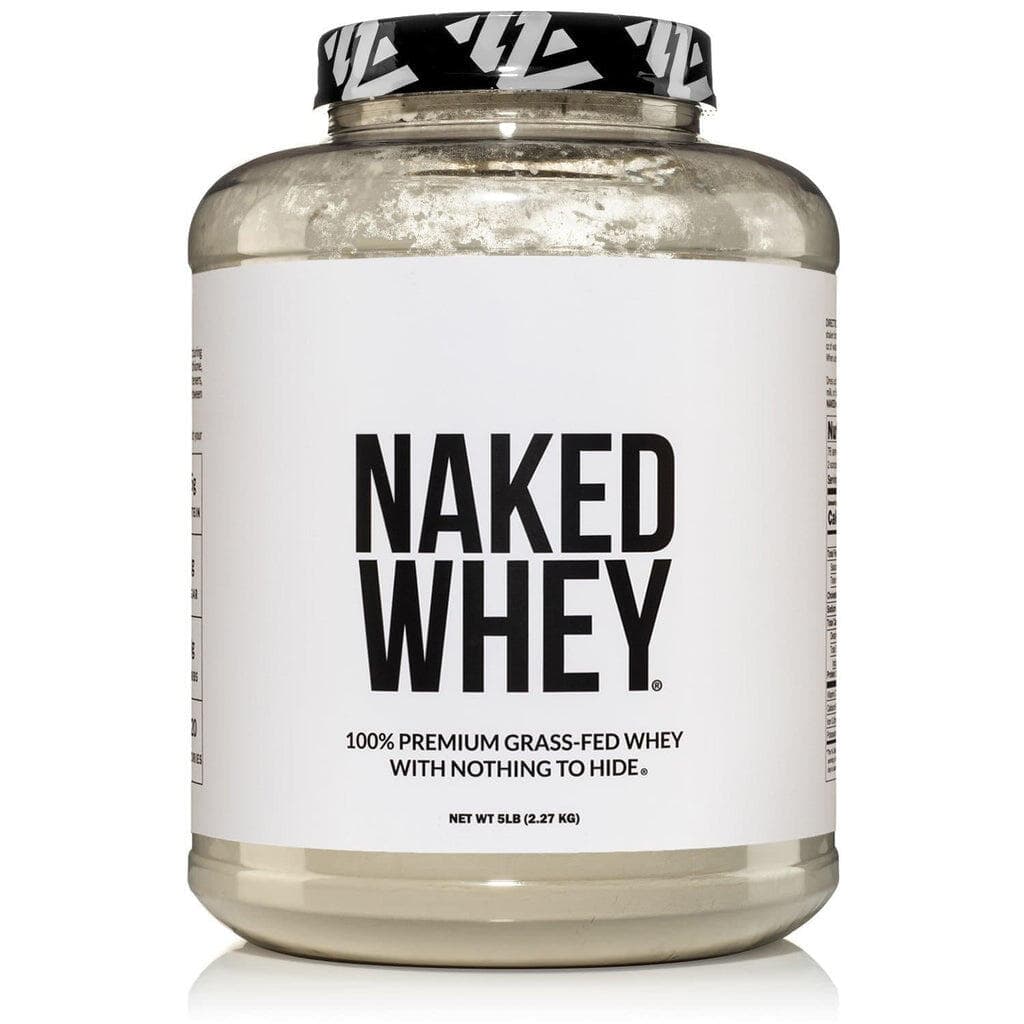
Whey Protein (Isolate if lactose-sensitive)
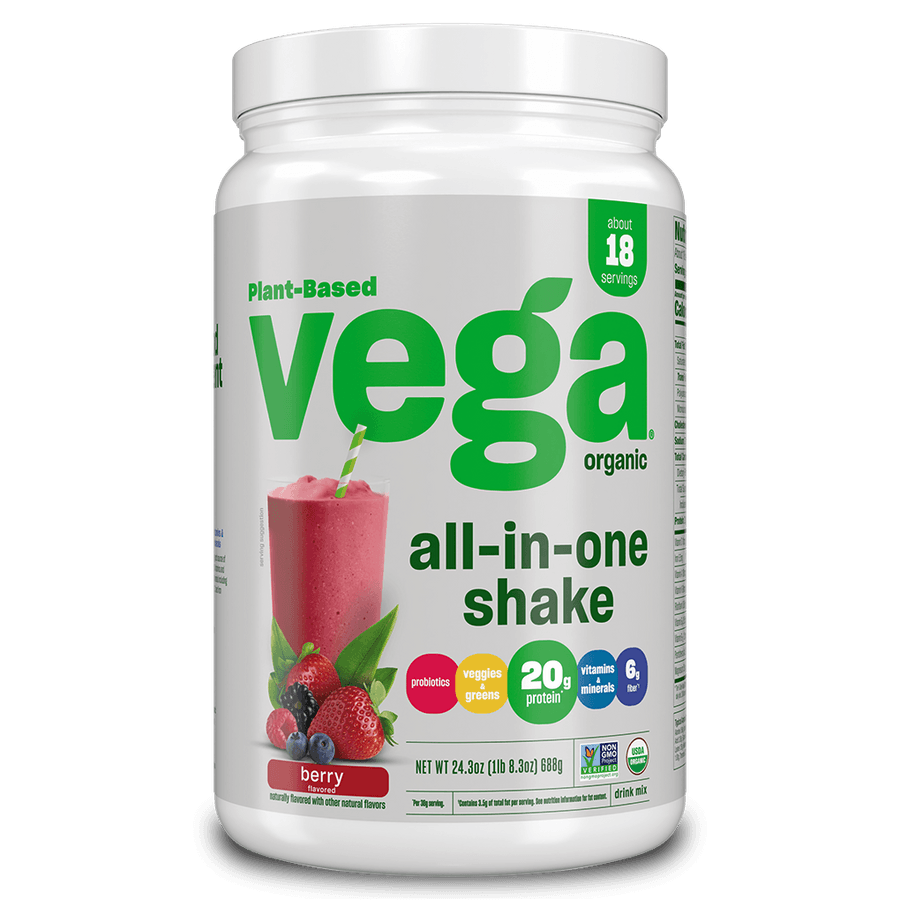
•Weight Gain & Recovery20–40 g once daily or post-workout to help reach ~1.6–2.2 g/kg/day protein
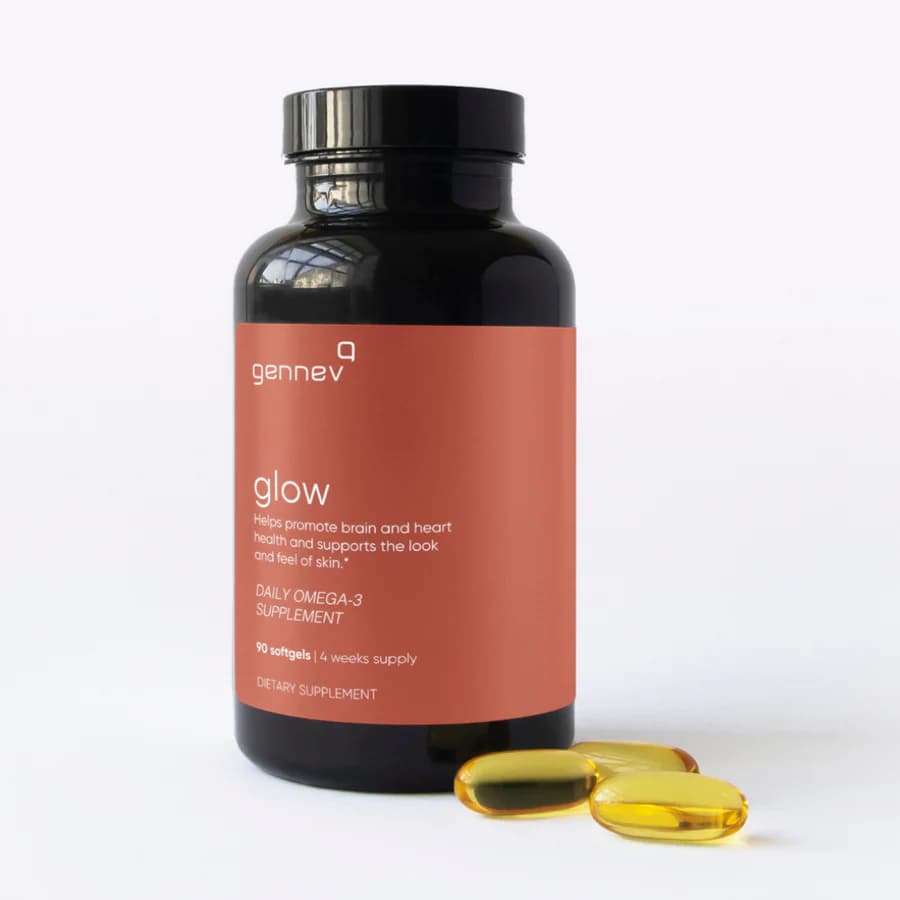
Omega-3 Fish Oil (EPA+DHA)
•Longevity & Cardiometabolic1–2 g/day combined EPA+DHA with meals (re-esterified triglyceride form preferred)
Selenium (as selenomethionine)
•Thyroid Support & Antioxidant Defense100–200 mcg daily with food
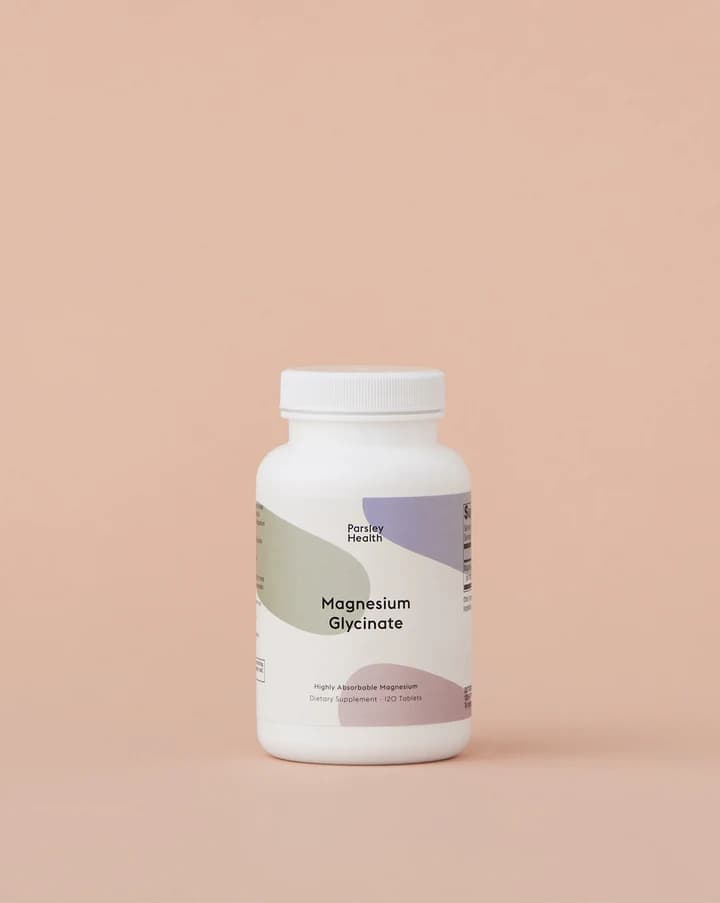
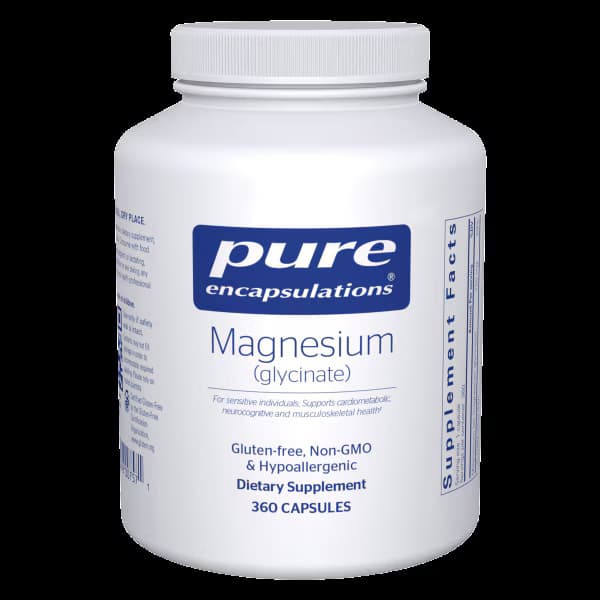
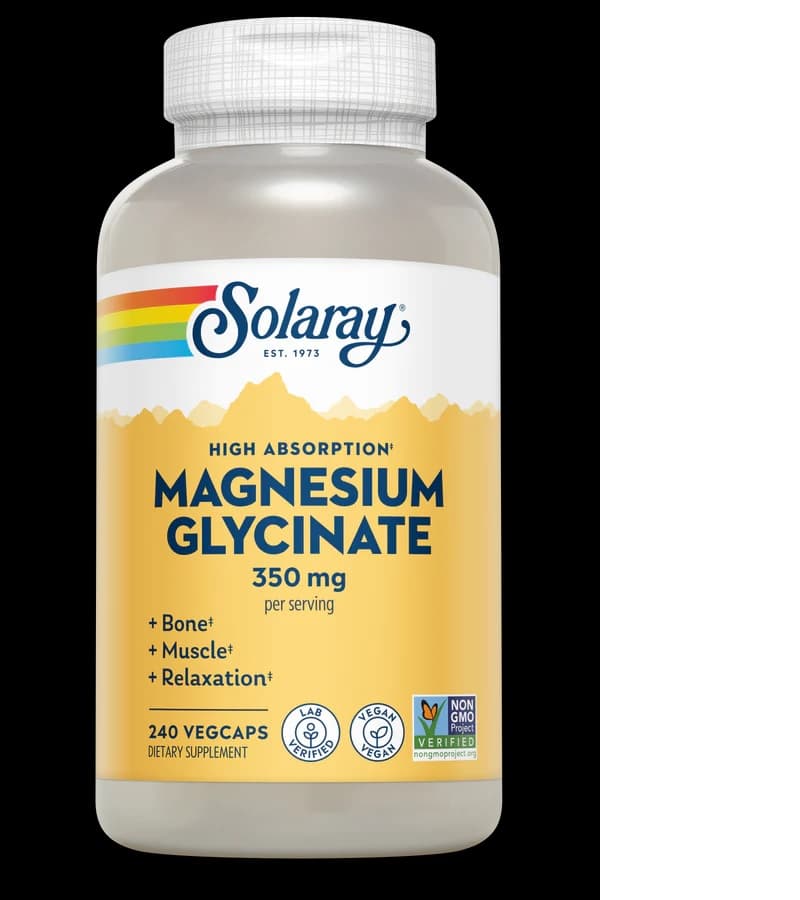
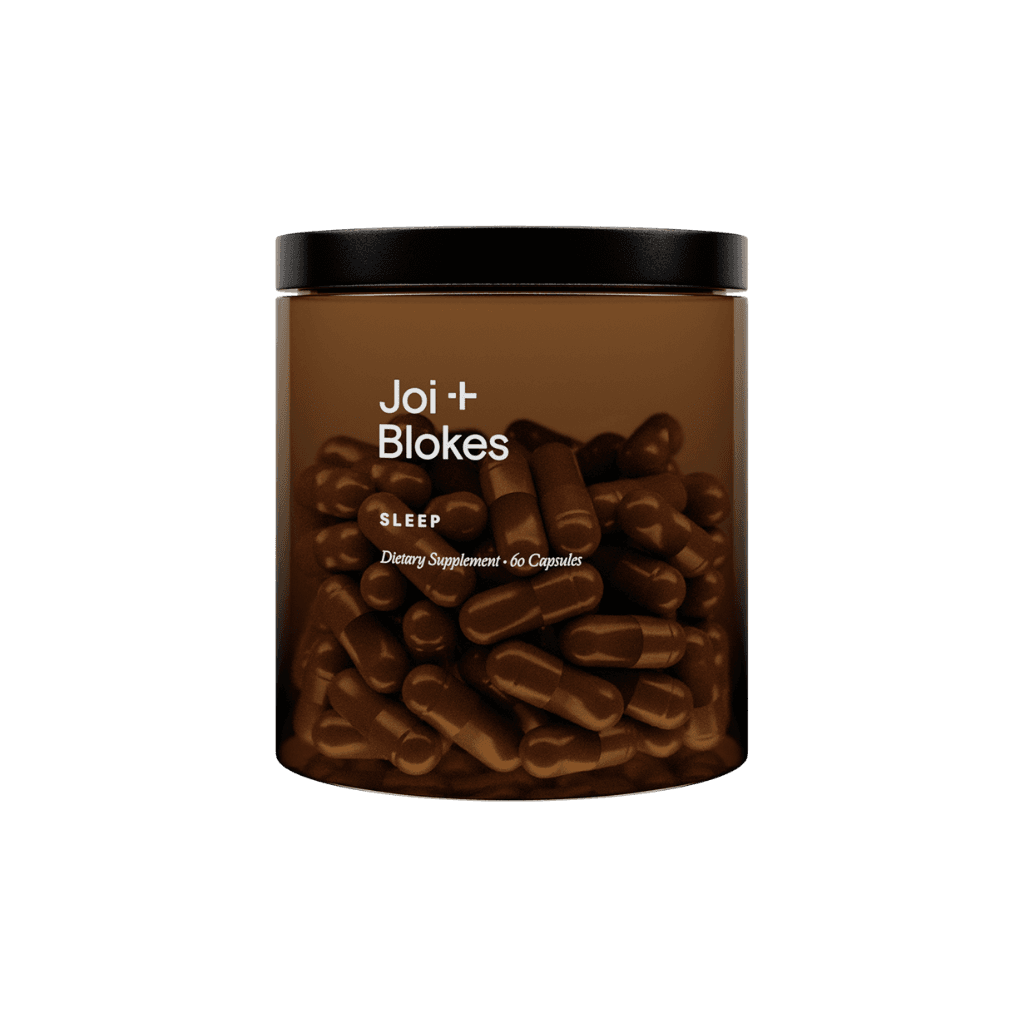
Magnesium Glycinate
•Recovery, Sleep & Metabolic200–400 mg elemental magnesium nightly
Zinc (picolinate) with Copper
•Thyroid & Immune SupportZinc 10–15 mg + Copper ~1 mg daily with food
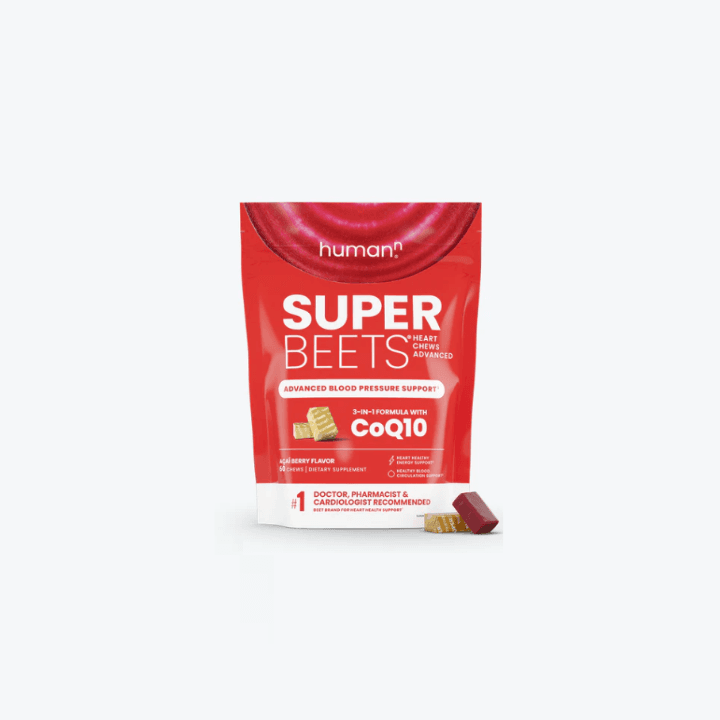
Coenzyme Q10 (CoQ10)
•Energy & Longevity100–200 mg daily with a fat-containing meal (ubiquinone or ubiquinol)
Recommended Products

























Gut Health & Microbiome
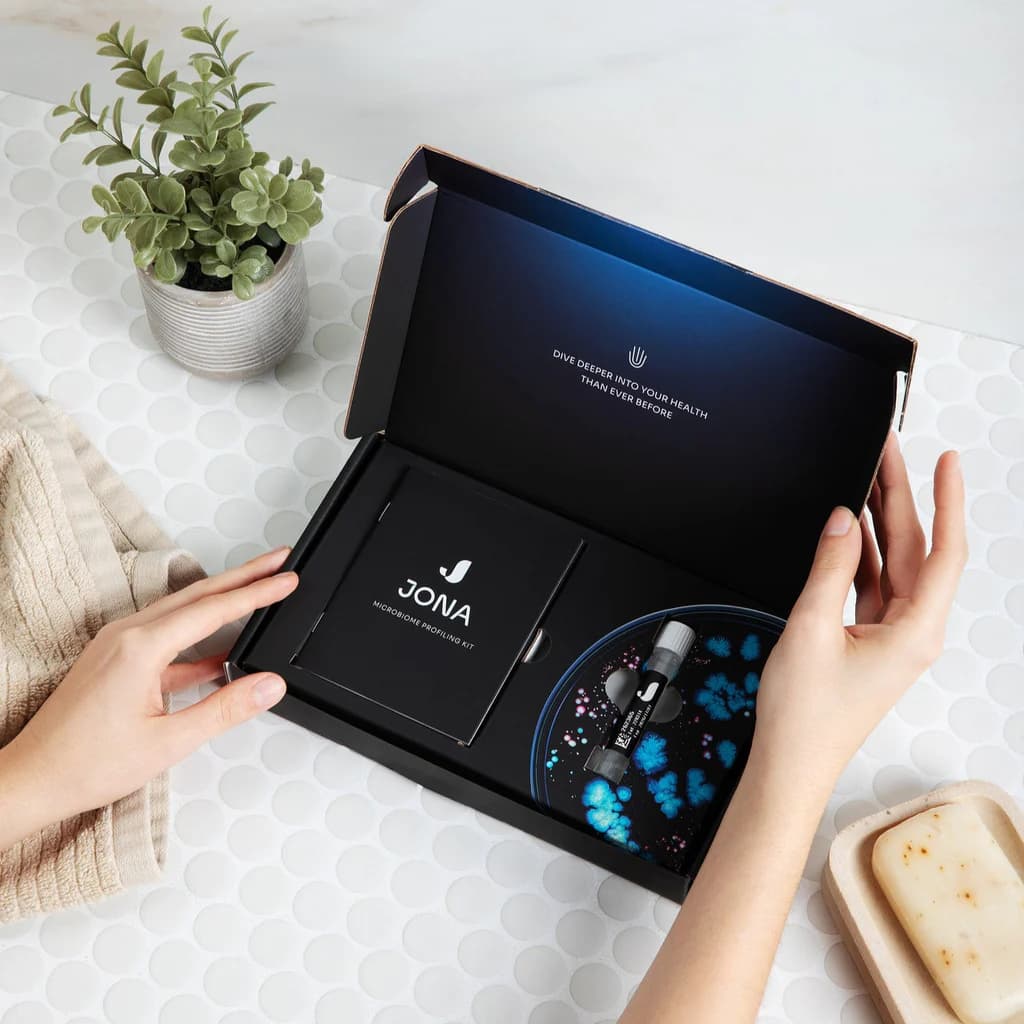
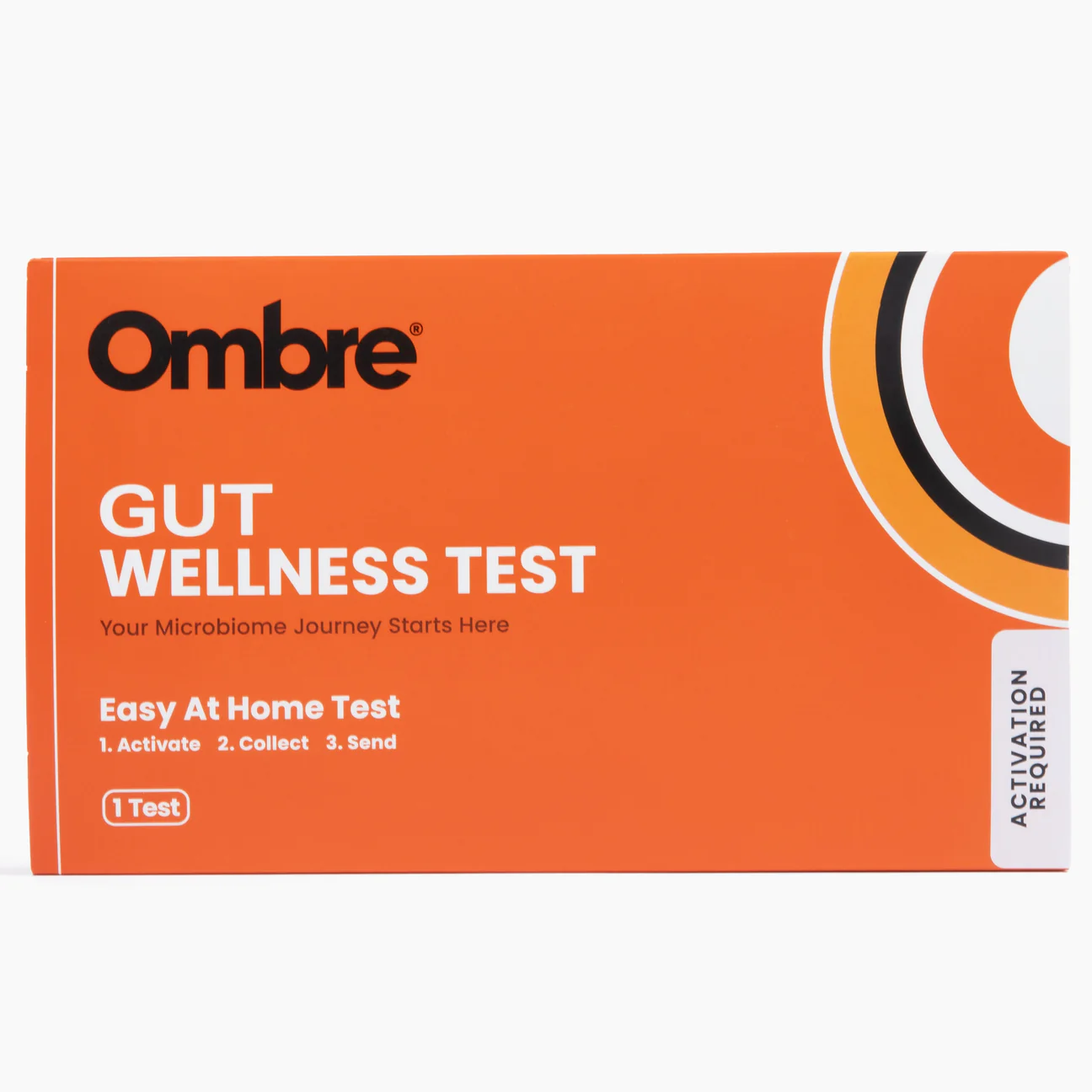
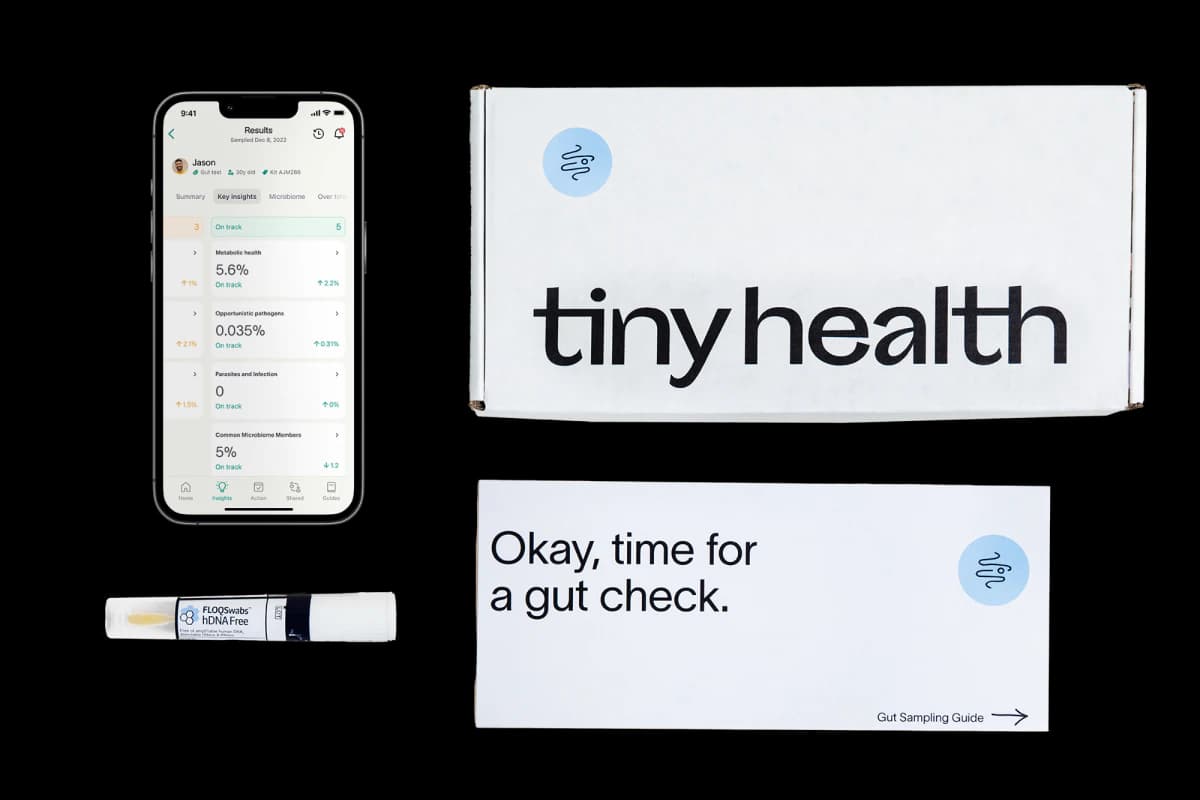
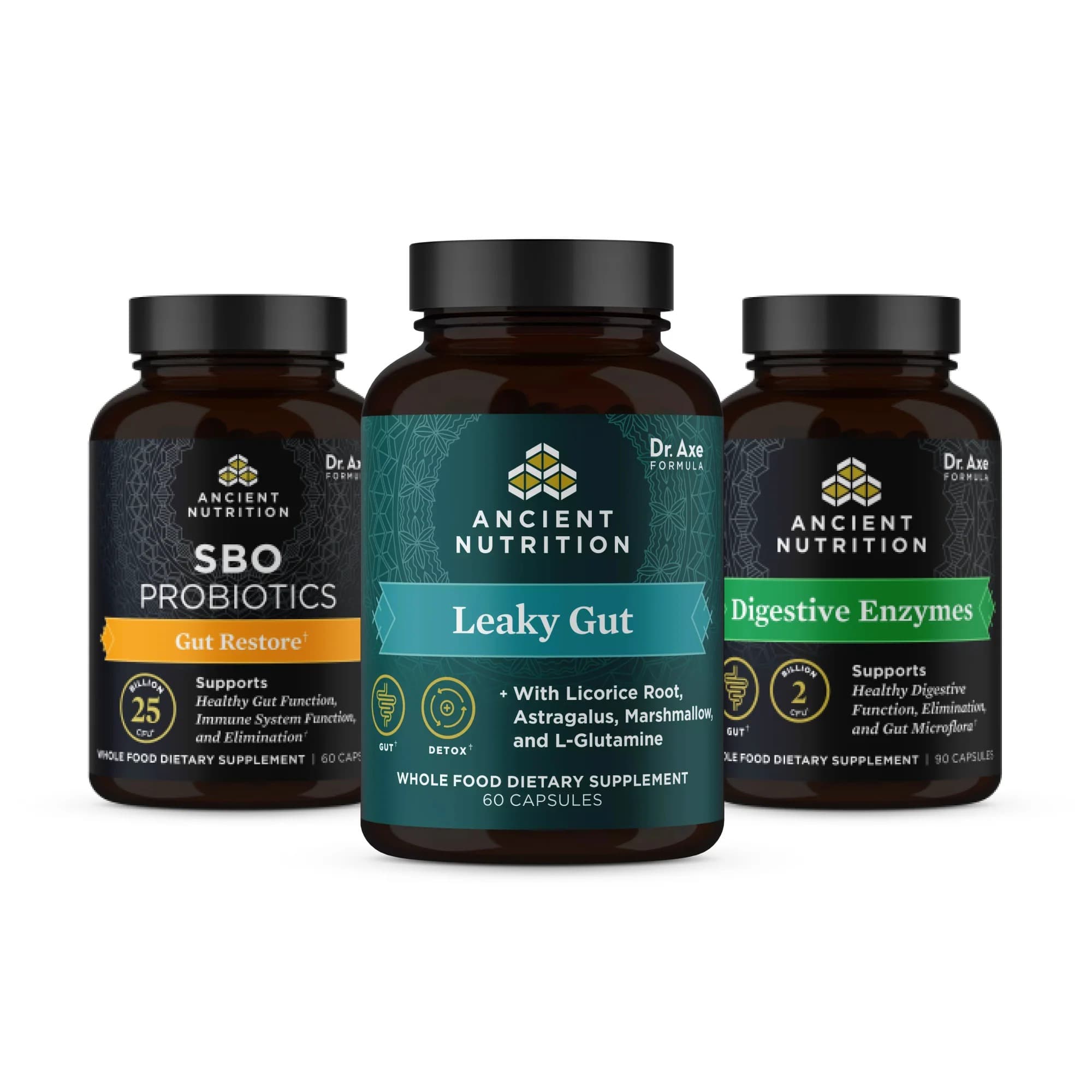
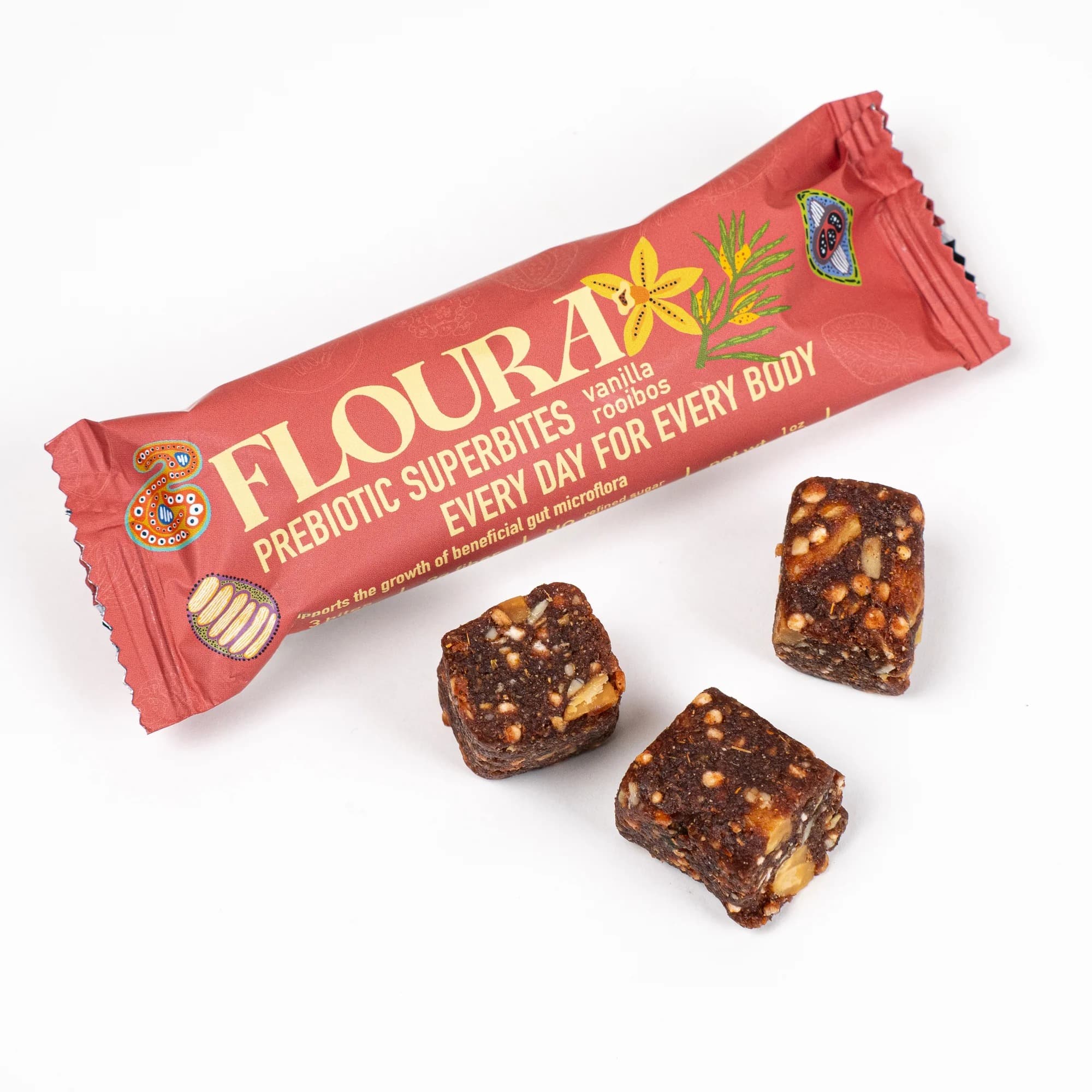
For a 41-year-old male with hypothyroidism aiming for longevity, strength, and weight gain, prioritize steady gut motility, high microbiome diversity, a calm gut–brain axis, and a resilient gut barrier so you can comfortably increase intake and recover well.
Recommendations
Microbiome Diversity
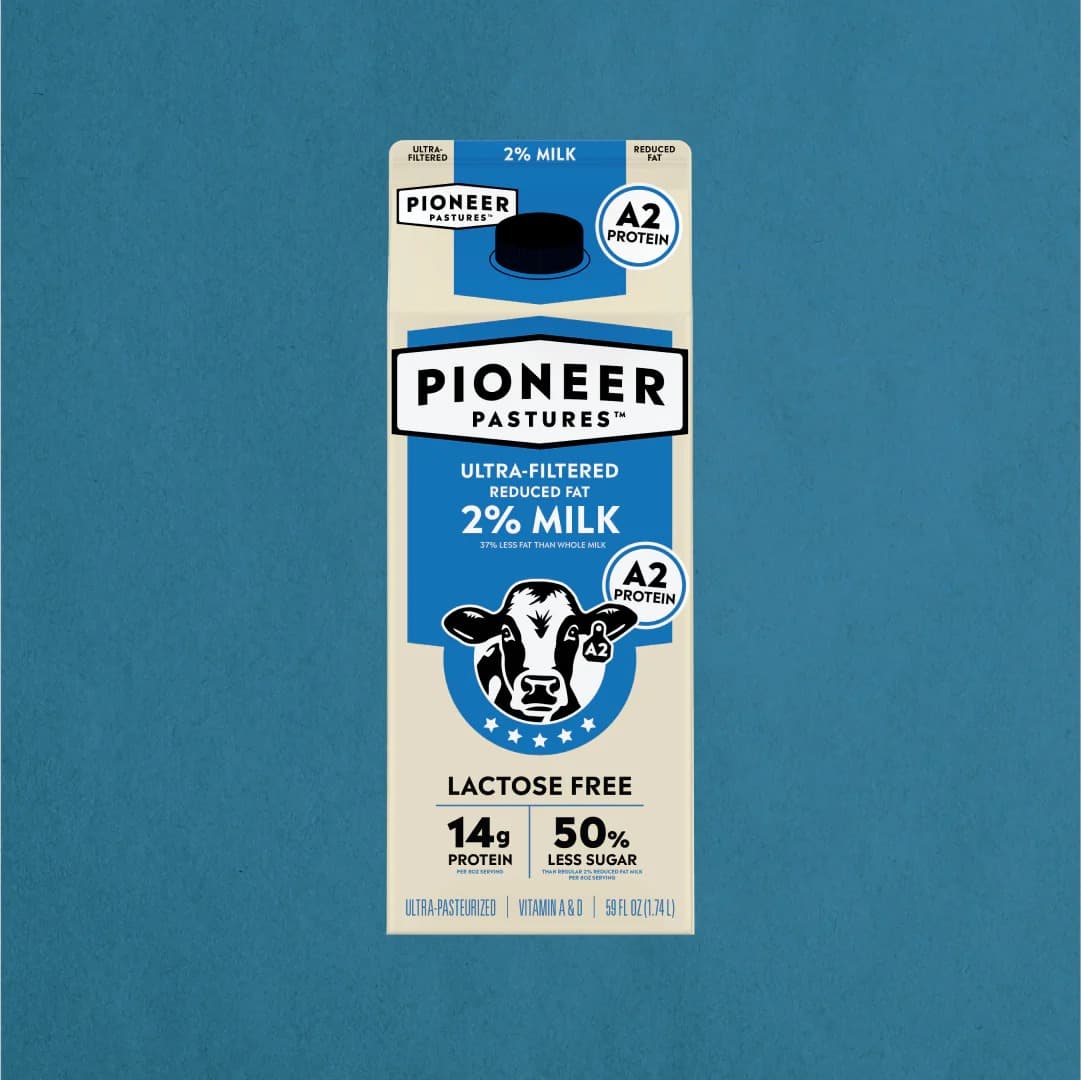
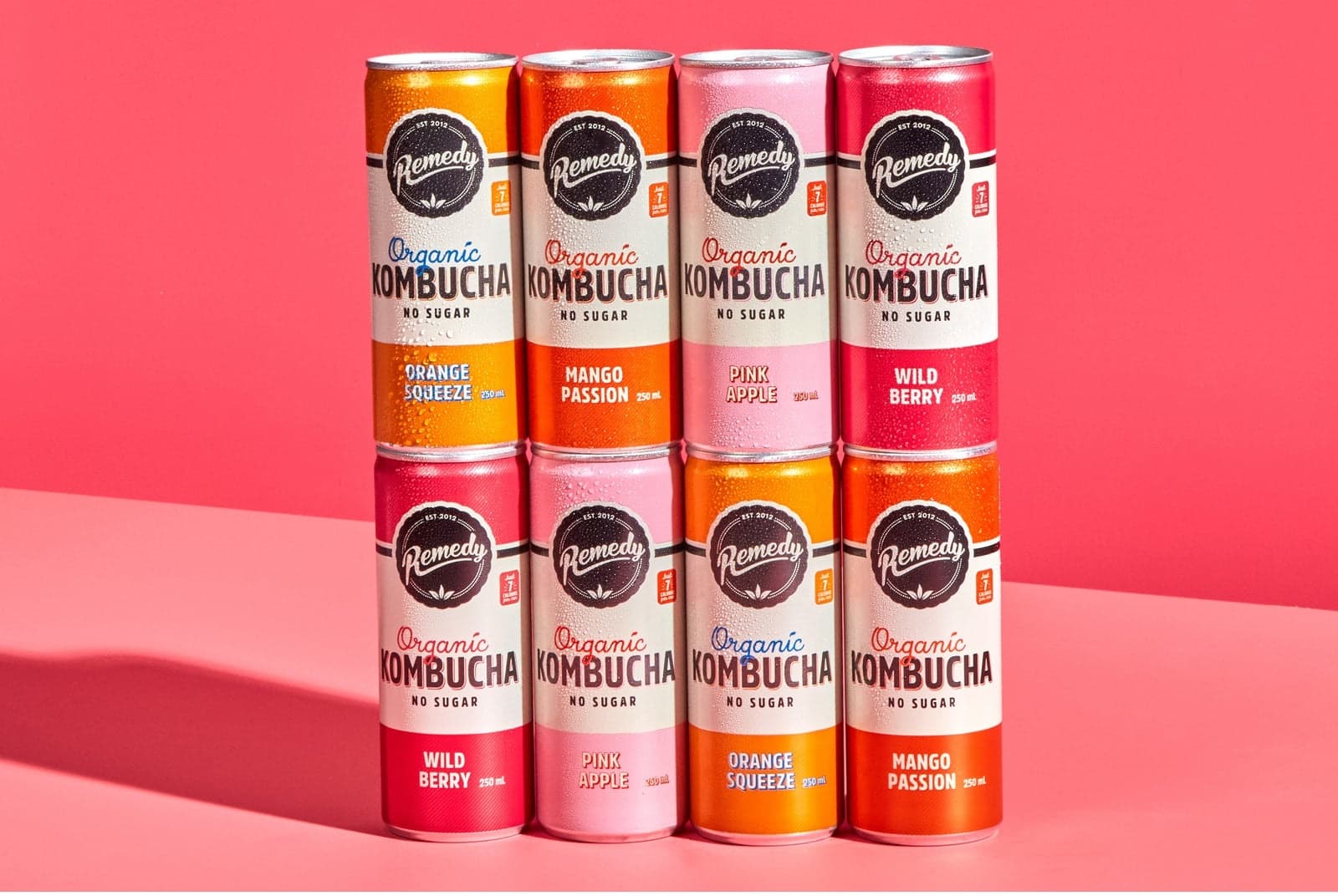
Hit 30+ different plant foods weekly and include 1–2 daily servings of fermented foods (e.g., kefir or yogurt, kimchi, sauerkraut, miso). Rotate choices; use lactose-free kefir if sensitive.
Motility & Constipation (Hypothyroid-Specific)
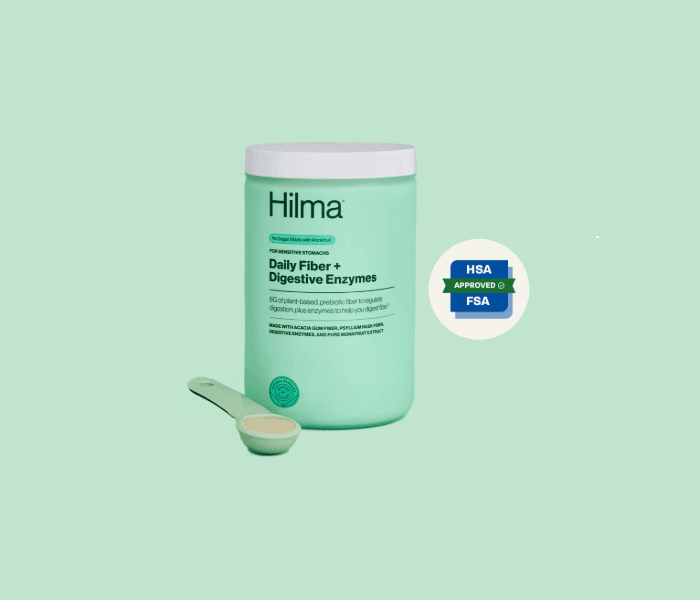
Adopt a morning motility routine: 12–16 oz warm water upon waking, 5–10 min easy movement, then breakfast. Add a gentle soluble fiber such as PHGG (start 3 g/day, build to 5–6 g) or psyllium (2–3 g) with ample water; consider 2 kiwifruit/day.
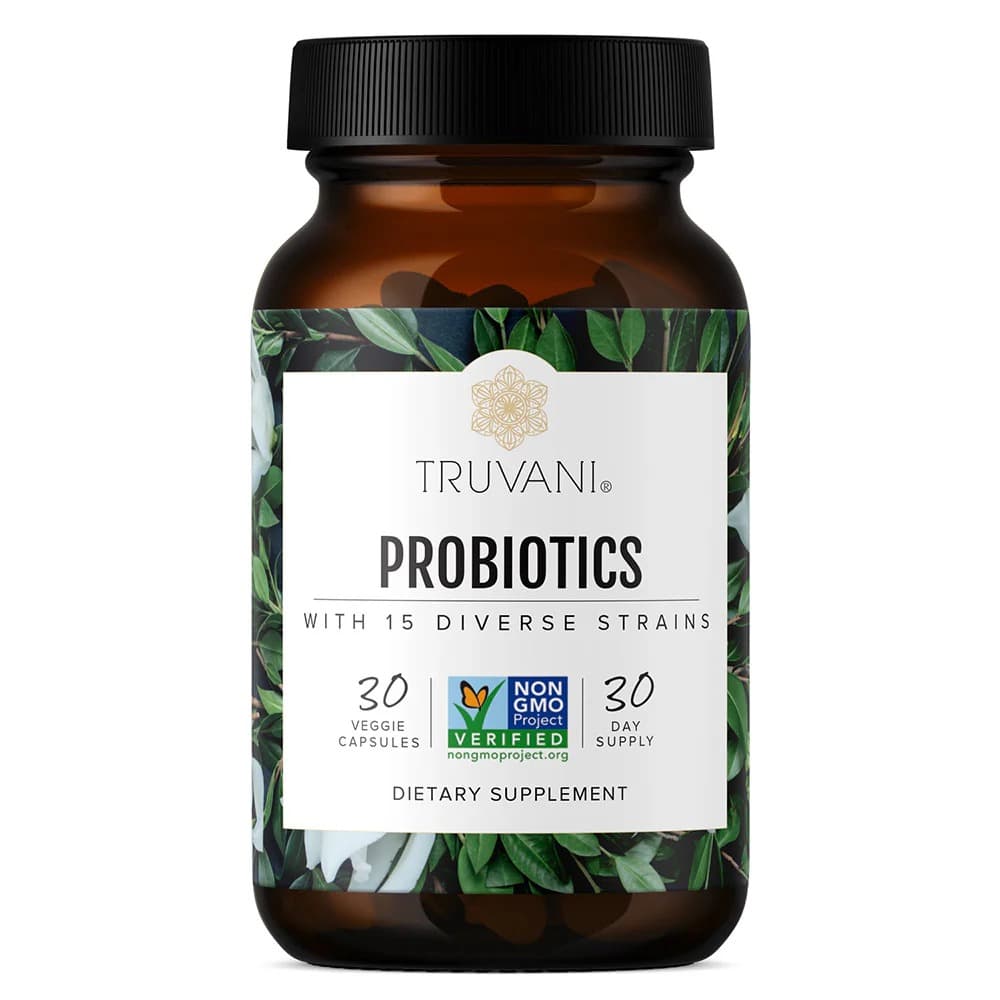
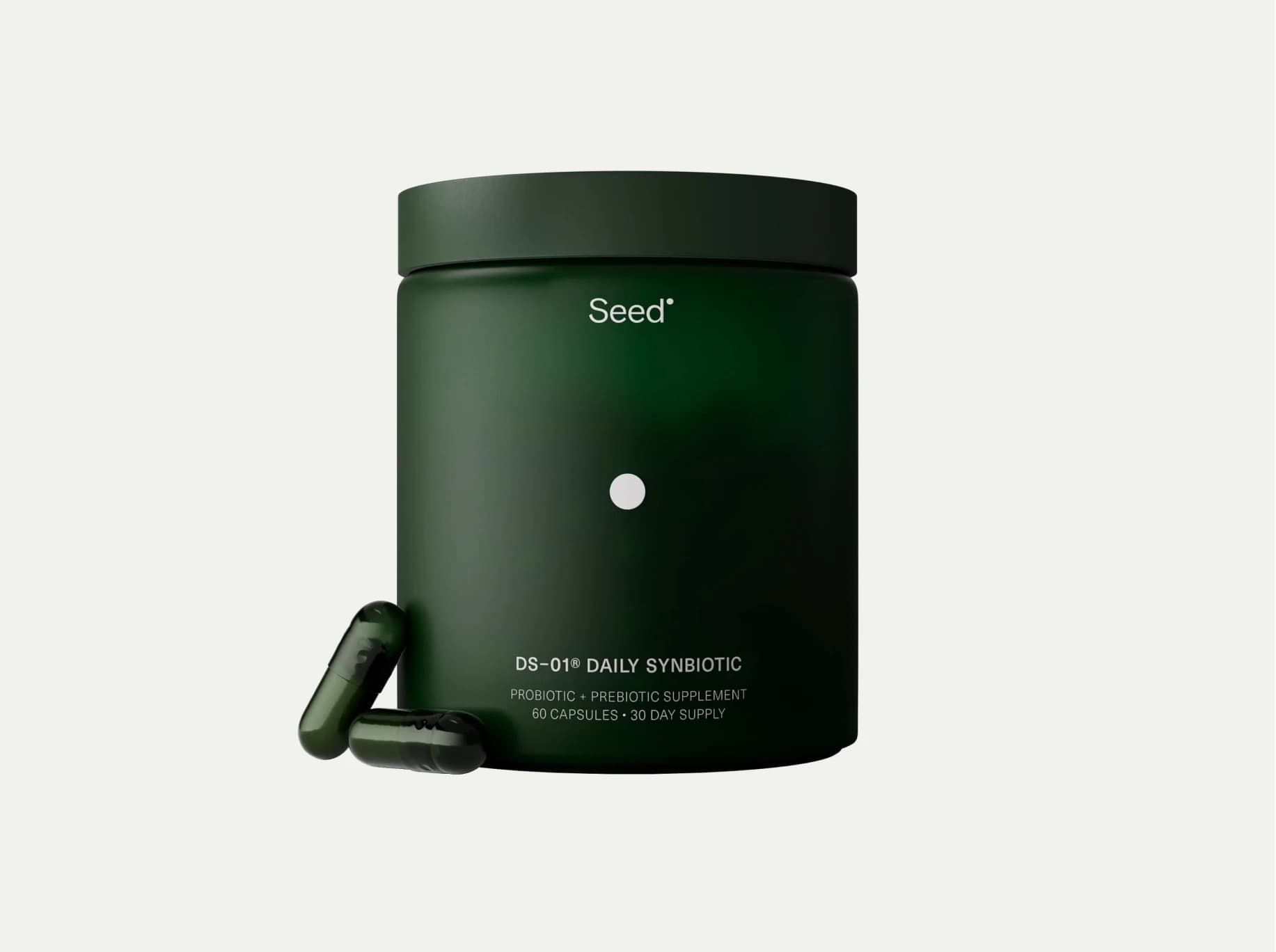
Targeted Probiotics for Transit
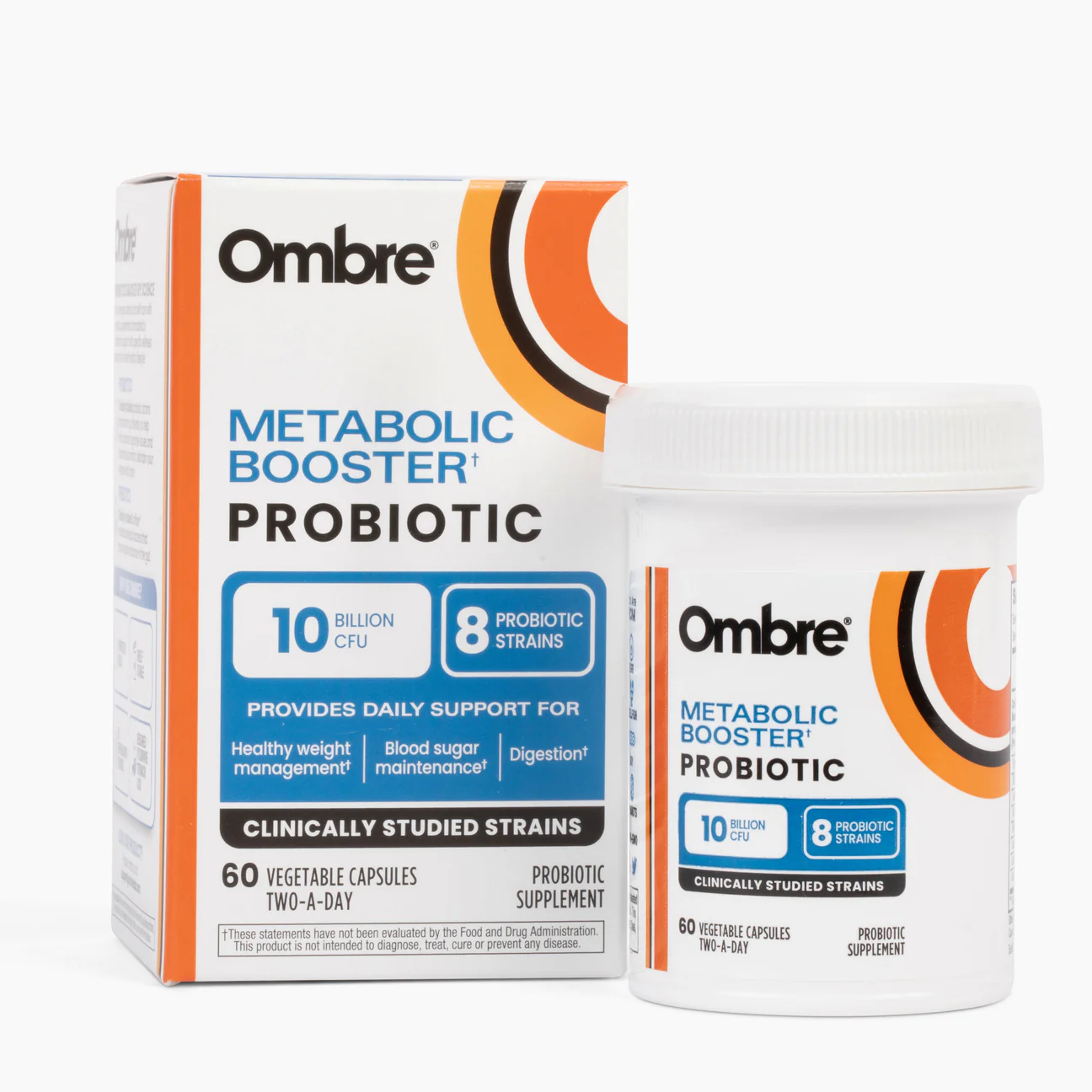
Trial a constipation-supportive probiotic for 4–8 weeks, such as Bifidobacterium lactis HN019 (≈1–20B CFU/day) or Lactobacillus casei Shirota (daily fermented milk shot). Reassess and continue only if benefit is felt.
Gut–Brain Axis Regulation
Protect sleep (7–9 h), get morning outdoor light, and practice 5 minutes of slow breathing (about 6 breaths/min) or a brief mindfulness session daily; add 10–15 min relaxed walk after meals.
Inflammation & Gut Barrier
Add polyphenol-rich, gut-friendly staples daily: 1 cup berries or pomegranate, extra-virgin olive oil (2 tbsp/day), and turmeric with black pepper in meals or broth; green or oolong tea 1–2 cups/day as tolerated.
Digestive Comfort for Strength/Weight Gain
Use easy-to-digest, calorie-dense formats: smoothies with kefir, soaked oats, banana, and nut butter; opt for sourdough or well-cooked grains/legumes; split large meals into 4–5 smaller feedings if big meals bloat.
Recommended Products





















Longevity
Longevity plan centered on thyroid optimization, strong cardiorespiratory fitness, and muscle-focused weight gain. Prioritize consistent thyroid management, progressive resistance training with adequate protein and calories, weekly zone 2 and VO2max work, high-quality anti-inflammatory nutrition, restorative sleep, and age-appropriate preventive care.
Recommendations
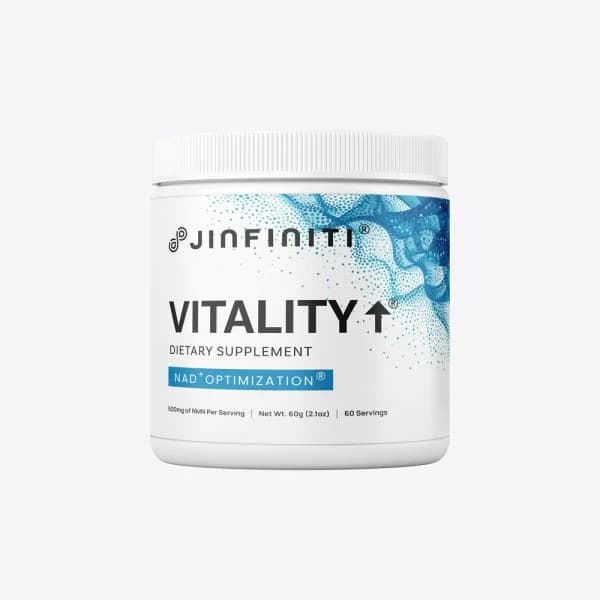
Thyroid optimization for healthy aging
Work with your clinician to keep TSH in target and stay consistent with thyroid medication timing: take on an empty stomach with water and separate calcium, iron, and soy supplements/foods by ~4 hours; recheck TSH/FT4 about 6–8 weeks after any dose or major weight change; avoid kelp/iodine supplements unless specifically advised; get sufficient but not excessive selenium from foods (e.g., 1–2 Brazil nuts/week).
Muscle and strength (supports longevity and weight gain)
Perform progressive resistance training 3–4 days/week covering all major muscle groups (squat/hinge/push/pull/carry). Aim for ~8–12 hard sets per muscle group weekly, adding weight or reps over time. Target daily protein ~1.6–2.2 g/kg body weight, distribute 25–40 g per meal, and add a 300–500 kcal/day surplus using nutrient-dense foods. Consider creatine monohydrate 3–5 g/day if cleared by your clinician.
Cardiorespiratory fitness
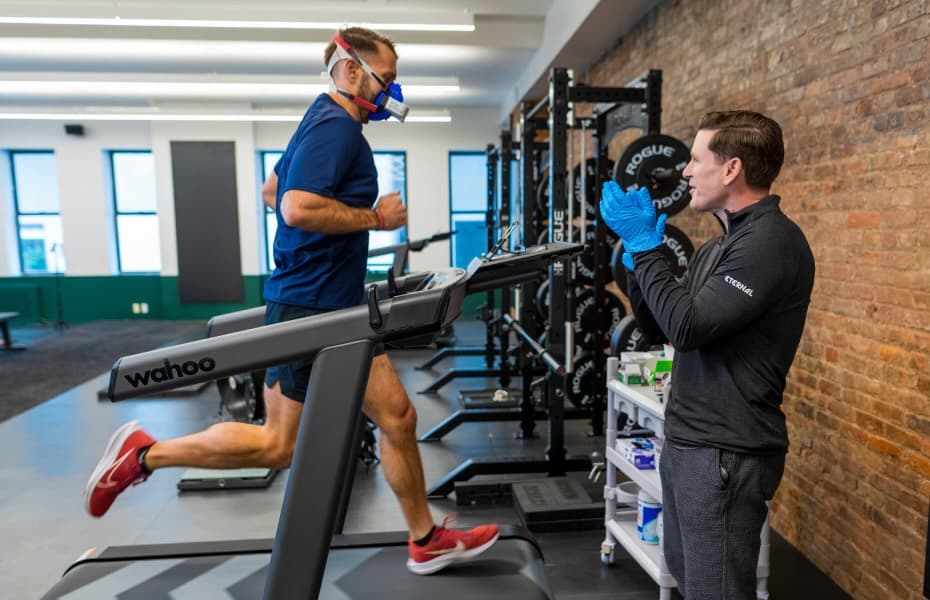
Accumulate 150–300 minutes/week of moderate activity plus 1–2 VO2max interval sessions (e.g., 4×4 minutes hard with easy recoveries) and 2–3 zone 2 sessions of 30–45 minutes. Use indoor options during Philadelphia winters (treadmill, rower, bike) to stay consistent.
Nutrition quality tailored to thyroid and weight goals
Emphasize anti-inflammatory, whole foods: 2+ servings/week of oily fish or algae-based omega-3s; extra-virgin olive oil, nuts, legumes, whole grains, and 5+ servings/day of colorful produce. For healthy weight gain, use calorie-dense, nutrient-rich add-ons (olive oil, avocado, nut butters, full‑fat yogurt if tolerated). Aim for ~30–38 g fiber/day but avoid taking high-fiber or soy-heavy meals near thyroid medication. Limit ultra-processed foods and added sugars.
Sleep and stress fundamentals
Prioritize 7–9 hours of sleep with a fixed schedule, morning daylight exposure, and a 60–90 minute wind‑down free of screens; keep the bedroom cool, dark, and quiet. Limit alcohol and avoid it within 3 hours of bedtime; finish large meals 2–3 hours before sleep. Include brief daily stress-reduction (e.g., 5–10 minutes of breathwork or mindfulness).
Preventive care and monitoring
Schedule an annual checkup to track blood pressure, fasting lipids, and HbA1c; maintain thyroid labs per plan. Stay current with vaccines (influenza annually, COVID boosters as indicated, Tdap every 10 years). Begin colorectal cancer screening at 45. Use daily broad‑spectrum SPF 30+ and protective clothing for skin health.
Recommended Products














Weight Gain
For healthy weight gain with hypothyroidism at age 41, prioritize a modest calorie surplus aimed at lean mass (about 0.25–0.5 kg/week), dial in thyroid management, and lift progressively. Center meals on protein and energy-dense whole foods, support recovery with sleep and stress control, and adjust intake based on biweekly trends and labs.
Recommendations
Lean-mass calorie surplus and macros
Eat about 300–500 kcal/day above maintenance. Aim for protein 1.6–2.2 g/kg/day, carbs 3–5 g/kg/day, and fats ~0.8–1.0 g/kg/day. Use energy-dense, nutrient-rich foods (olive oil, avocado, nuts, dairy, eggs, oats). Add 1–2 calorie-dense smoothies daily (e.g., milk/Greek yogurt + oats + banana + nut butter).
Thyroid optimization for weight gain
If prescribed levothyroxine, take it on an empty stomach 30–60 minutes before breakfast and separate calcium/iron supplements and large soy/fiber intakes by 4 hours. Recheck TSH and free T4 until stable, then at least annually. Keep iodine intake consistent (avoid high-dose iodine) and choose cooked cruciferous vegetables.
Progressive resistance training
Train 3–5 days/week emphasizing compounds (squat, deadlift, bench, row, overhead press) with 10–20 weekly sets per muscle at 6–12 reps, leaving 1–3 reps in reserve. Progress loads or reps weekly. Consider creatine monohydrate 3–5 g/day. Consume 20–40 g protein plus carbs within 2 hours post-workout.
Meal structure and timing
Distribute protein evenly across 4–5 meals (0.3–0.5 g/kg per meal). Include a pre-bed snack with 30–40 g slow-digesting protein (e.g., cottage cheese/Greek yogurt). Keep fiber to 25–35 g/day but avoid high-fiber or soy supplements near thyroid medication. Hydrate 2–3 L/day; add sodium if you sweat heavily.
Sleep, stress, and cardio balance
Sleep 7.5–9 hours nightly with a consistent schedule; wind down with 10–15 minutes of relaxation. Keep cardio to 1–2 low–moderate sessions (20–30 minutes) for heart health without eroding your calorie surplus, especially during winter in Philadelphia.
Monitoring and rate of gain
Weigh in 3 mornings/week and use the weekly average; aim for 0.25–0.5 kg/week. Adjust intake by 150–250 kcal based on 2-week trends. Track waist and strength lifts. Consider periodic body comp (DEXA/skinfolds) and labs (TSH/free T4, lipids, A1c, vitamin D—especially in winter). Seek care if fatigue or other thyroid symptoms persist.
Recommended Products




















Strength Gain
Prioritize compound barbell lifts 3–4 days/week with progressive overload, fuel a small calorie surplus with high protein, and optimize recovery and thyroid management. This supports strength gains while enabling healthy weight gain and long-term resilience for a 41-year-old male with hypothyroidism in Philadelphia.
Recommendations
Program design for maximal strength
Train 3–4 days/week emphasizing squat, deadlift, bench press, overhead press, rows/pull-ups. Use 3–6 reps for 3–5 sets with 2–4 minutes rest; add 2.5–5 lb when all target reps are completed.
Progressive overload & tracking
Use a training log and target RPE 7–9 on work sets. Micro‑load when needed and deload 1 week every 4–6 weeks or when performance stalls.
Nutrition for strength + weight gain
Eat a 250–400 kcal/day surplus with 1.6–2.2 g/kg protein, carbs at 3–5 g/kg, and healthy fats to fill remaining calories. Distribute 25–40 g protein across 3–5 meals, including a protein‑rich meal within 2 hours post‑training.
Targeted supplements (hypothyroid‑aware)
Creatine monohydrate 3–5 g daily; whey or casein to meet protein goals; consider vitamin D3 (1,000–2,000 IU/day) after testing—especially through Philadelphia winters. Avoid high‑dose iodine supplements unless prescribed.
Thyroid management to aid training
Take thyroid medication consistently on an empty stomach; separate from calcium/iron by 4+ hours. Recheck thyroid labs when body weight or training load changes substantially, and coordinate with your clinician.
Recovery, sleep, and technique
Aim for 7–9 hours of sleep, 1–2 rest days/week, and a thorough warm‑up (5–10 min light cardio, dynamic drills, and ramp‑up sets). Consider a session with a qualified barbell coach to refine form.