Workup Health Guide
Personalized wellness insights powered by Workup’s AI — designed to help you explore health solutions aligned with your goals.
Profile Overview
Disclaimer: This report was produced using Workup’s AI recommendation engine, which evaluates your demographic and health information to identify potentially relevant products and services from vetted partners. Workup does not practice medicine, and this content is for informational purposes only. Consult your physician or licensed practitioner before making any healthcare decisions.
Overview
This guide is tailored for a 29-year-old female from Brooklyn, NY, focusing on managing anxiety through stress reduction, improved sleep quality, and enhanced gut health.
Diagnostics & Screenings
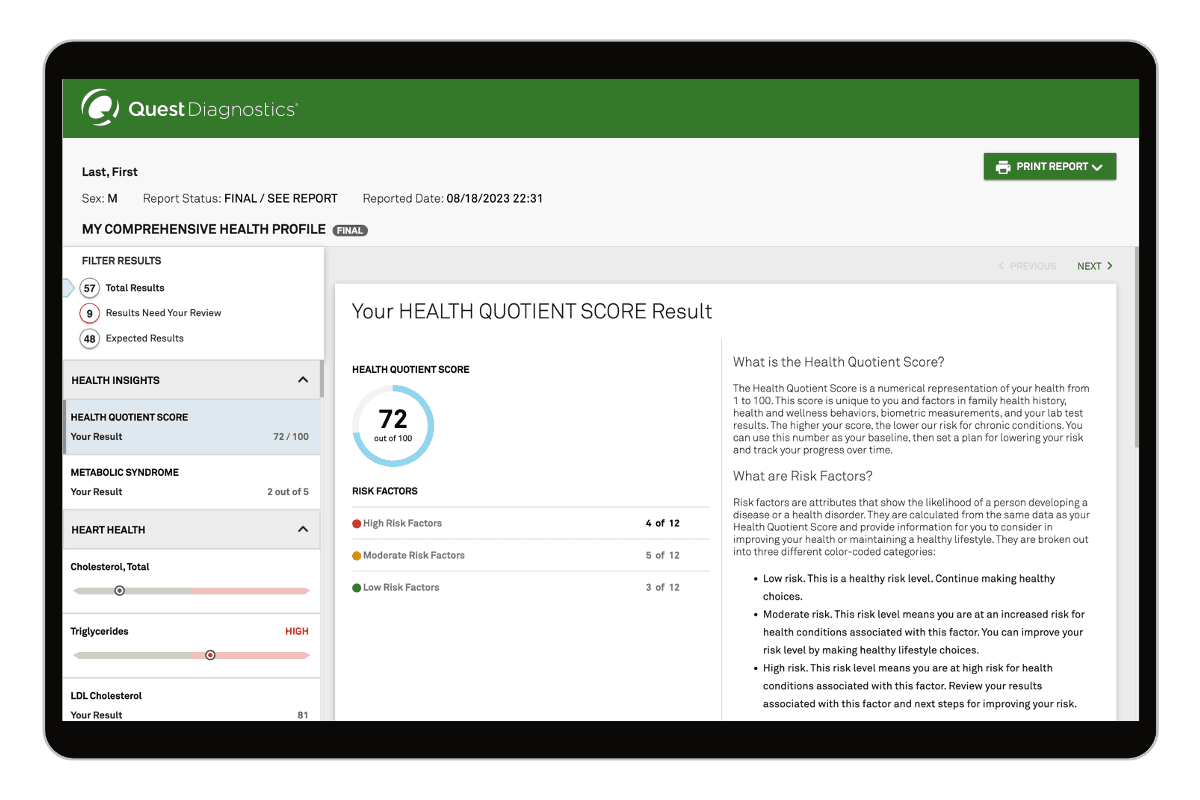
For a healthy 29-year-old woman with anxiety focused on stress reduction, sleep quality, and gut health, prioritize foundational checks (blood pressure, lipids, cervical cytology), add targeted metabolic and organ-function labs (A1C when risk is present, CMP, thyroid) that can overlap with anxiety and sleep symptoms, and include an inflammation marker and lifestyle screening (hs‑CRP, sleep apnea). Round out with evidence-based one-time infection screening (hepatitis C) and gut-focused, symptom-triggered testing (celiac serology). Cadence is risk-based and can be tightened if symptoms, family history, medications, or new risks emerge.
Screening Overview
| Tier | Test | Risk Area | Frequency | Why It Matters |
|---|---|---|---|---|
| Foundational – Cardiovascular | Blood Pressure Measurement (clinic or validated home cuff) | Hypertension and cardiovascular events | At every routine visit or at least once a year; consider home checks if readings run above 120/80 or stress is high. | About 1 in 2 U.S. adults has high blood pressure, often without symptoms; controlling it greatly lowers heart attack and stroke risk. |
| Cardiovascular/Metabolic | Comprehensive Lipid Panel (total, LDL, HDL, triglycerides) | Early atherosclerosis and premature cardiovascular disease | Every 4–6 years in ages 20–39 if low risk; sooner (e.g., every 1–3 years) with family history, smoking, hypertension, or high BMI. | Nearly 2 in 5 adults have high cholesterol; artery plaque can begin in young adulthood, and treatment reduces future events. |
| Metabolic | Hemoglobin A1C | Prediabetes/Type 2 diabetes risk | Every 3 years starting now if you have risk factors (overweight, PCOS, family history, gestational diabetes); otherwise consider a one-time baseline in your 20s. | About 96 million U.S. adults (~1 in 3) have prediabetes, and most don’t know it; early lifestyle changes can cut diabetes risk by over 50%. |
| Organ Function | Comprehensive Metabolic Panel (electrolytes, kidney, liver) | Kidney and liver disease; medication effects | Every 1–3 years if healthy; annually if you take regular medications (including some for anxiety), drink alcohol, or use herbal supplements. | Chronic kidney disease affects ~1 in 7 adults and fatty liver about 1 in 4; early abnormalities are often silent but actionable. |
| Endocrine | Thyroid Function (TSH with reflex free T4) | Thyroid disorders impacting anxiety, sleep, and energy | Once now given anxiety/sleep concerns; repeat every 3–5 years or sooner if symptoms, pregnancy plans, or family/autoimmune history. | Thyroid disease affects ~5% of adults, with women 5–8× more likely; dysfunction can mimic or worsen anxiety, insomnia, and fatigue. |
| Cancer (Women’s Health) | Cervical Cancer Screening (Pap test – cytology) | Cervical cancer from persistent high-risk HPV | Every 3 years with cytology alone from ages 21–29 if prior results are normal. | Routine screening reduces cervical cancer incidence and deaths by up to 70%; nearly all cases are HPV-related and detectable early. |
| Inflammation/Cardiovascular Risk | High-Sensitivity C‑Reactive Protein (hs‑CRP) | Systemic inflammation and cardiovascular risk refinement | One-time baseline if you have family history or borderline lipids; repeat only if risk profile or symptoms change. | An hs‑CRP ≥2 mg/L is linked to roughly 1.5–2× higher risk of heart attack and stroke independent of cholesterol levels. |
| Lifestyle/Sleep Health | Obstructive Sleep Apnea Screening (e.g., STOP‑Bang questionnaire; home sleep test if high risk) | Sleep-disordered breathing affecting blood pressure, mood, and recovery | Screen now if you snore, have daytime sleepiness, resistant anxiety, or morning headaches; repeat if symptoms or weight change. | OSA affects about 1 in 5 adults and is underdiagnosed in women; untreated OSA increases hypertension and accident risk. |
| Infectious Disease (Universal) | Hepatitis C Antibody with reflex RNA | Chronic viral hepatitis leading to cirrhosis and liver cancer | Once for all adults age 18–79; repeat only if new risk factors (e.g., injection drug use, hemodialysis). | Over 2 million people in the U.S. live with hepatitis C, many undiagnosed; curative antivirals prevent liver failure and cancer. |
| Gastrointestinal/Autoimmune (Symptom-Triggered) | Celiac Disease Serology (tTG‑IgA with total IgA) | Autoimmune gluten sensitivity causing GI and systemic symptoms | Test once if you have chronic GI symptoms, iron deficiency, unexplained fatigue, dermatitis herpetiformis, or a first-degree relative with celiac. | Celiac disease affects ~1% of people and most are undiagnosed; diagnosis and a gluten‑free diet improve symptoms and prevent complications. |
Recommended Products


















Nutrition & Dietary Focus
Personalized plan for a 29-year-old woman with anxiety focused on stress reduction, sleep quality, and gut health: stabilize blood sugar, optimize calming nutrients (magnesium, omega-3s), fine-tune caffeine/alcohol timing, strengthen the gut–brain axis with fiber and fermented foods, and use sleep-supportive evening nutrition. Consider NYC seasonality for vitamin D status.
Recommendations
Metabolic Balance
Anchor each meal with 25–30 g protein, high-fiber carbs, and healthy fats; keep added sugars low and prioritize low-glycemic choices, especially at breakfast.
Sleep Quality
Cap caffeine at ≤200 mg/day and finish by noon; limit alcohol to ≤1 drink on days you drink and avoid it within 3–4 hours of bedtime.
Stress Reduction
Consider magnesium glycinate 200–300 mg in the evening; regularly include magnesium-rich foods (leafy greens, beans, nuts, seeds, dark chocolate ≥70%).
Stress Reduction
Increase omega-3 intake: 2–3 servings/week of fatty fish (salmon, sardines, mackerel) or ~1 g/day EPA+DHA if you rarely eat fish.
Gut Health
Aim for 25–30 g fiber/day and add prebiotic foods (onion, garlic, leeks, asparagus, oats, green banana, legumes) plus 1–2 servings/day of fermented foods (yogurt, kefir, sauerkraut, kimchi, tempeh, miso). Increase gradually and hydrate.
Sleep Quality
Use evening nutrition cues: if hungry, have a light carb+protein snack (e.g., Greek yogurt with oats or toast with turkey); try 2 kiwifruit or 8 oz tart cherry juice 1–2 hours before bed; finish large meals 2–3 hours before sleep.
Longevity & Mood Support
In Brooklyn winters, ask your clinician to check 25(OH)D; if low/insufficient, consider 1,000–2,000 IU vitamin D3 with a meal. Also prioritize iron- and B12-rich foods (shellfish, eggs, legumes, leafy greens) and pair plant iron with vitamin C.
Recommended Products



















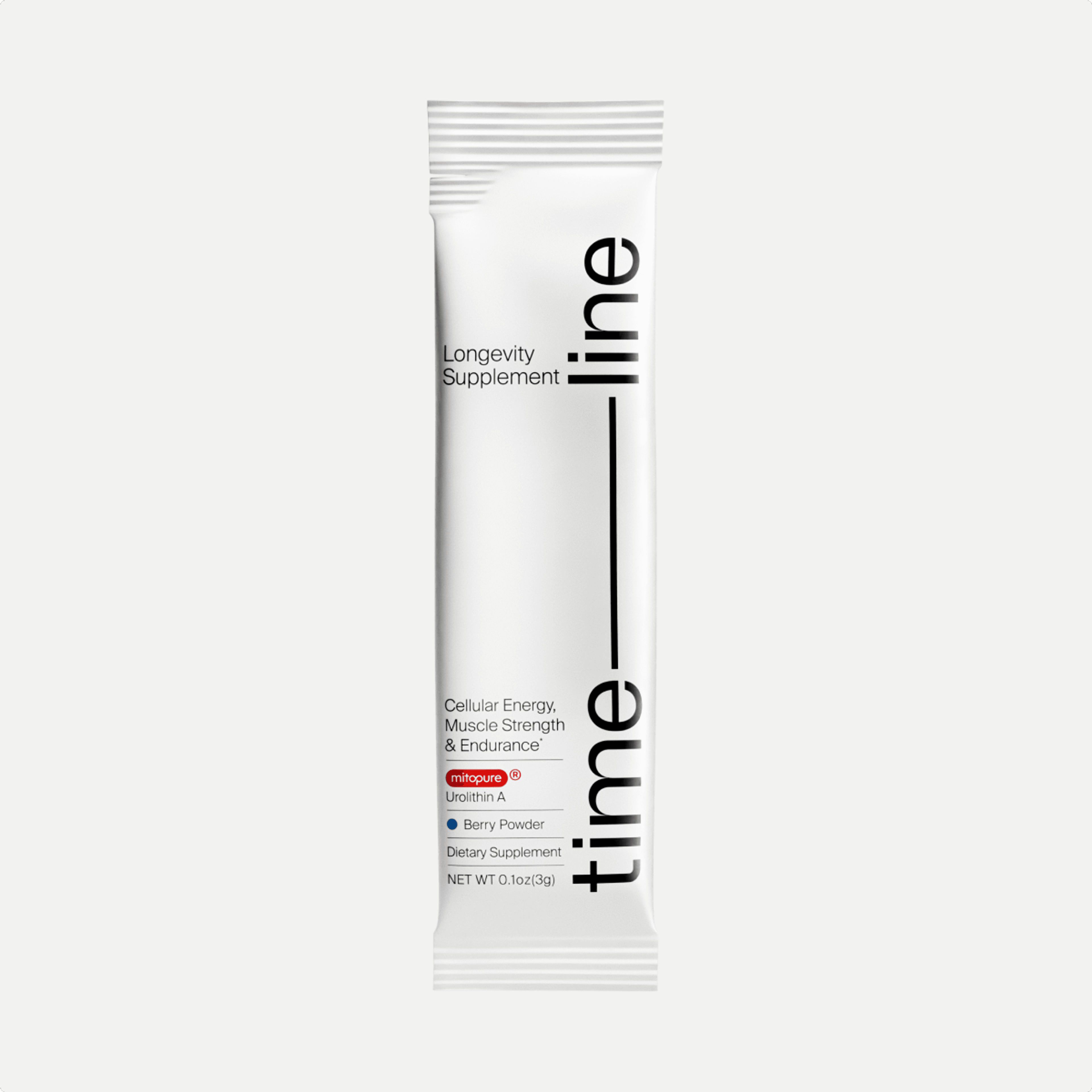

Supplement Strategy
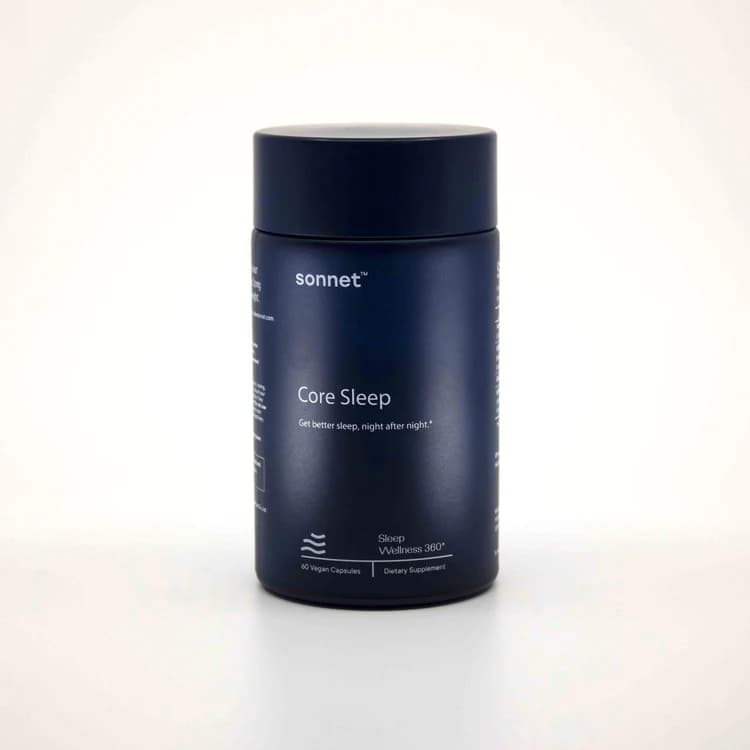
For a 29-year-old woman with anxiety aiming to reduce stress, sleep better, and support gut health, this stack emphasizes calming nutrients (magnesium, L-theanine), adaptogenic and anti-inflammatory support (ashwagandha, EPA-focused omega-3s), and gut–brain modulators (targeted probiotics plus prebiotic fiber), with glycine and vitamin D3 to round out sleep and mood support.
Supplement Recommendations
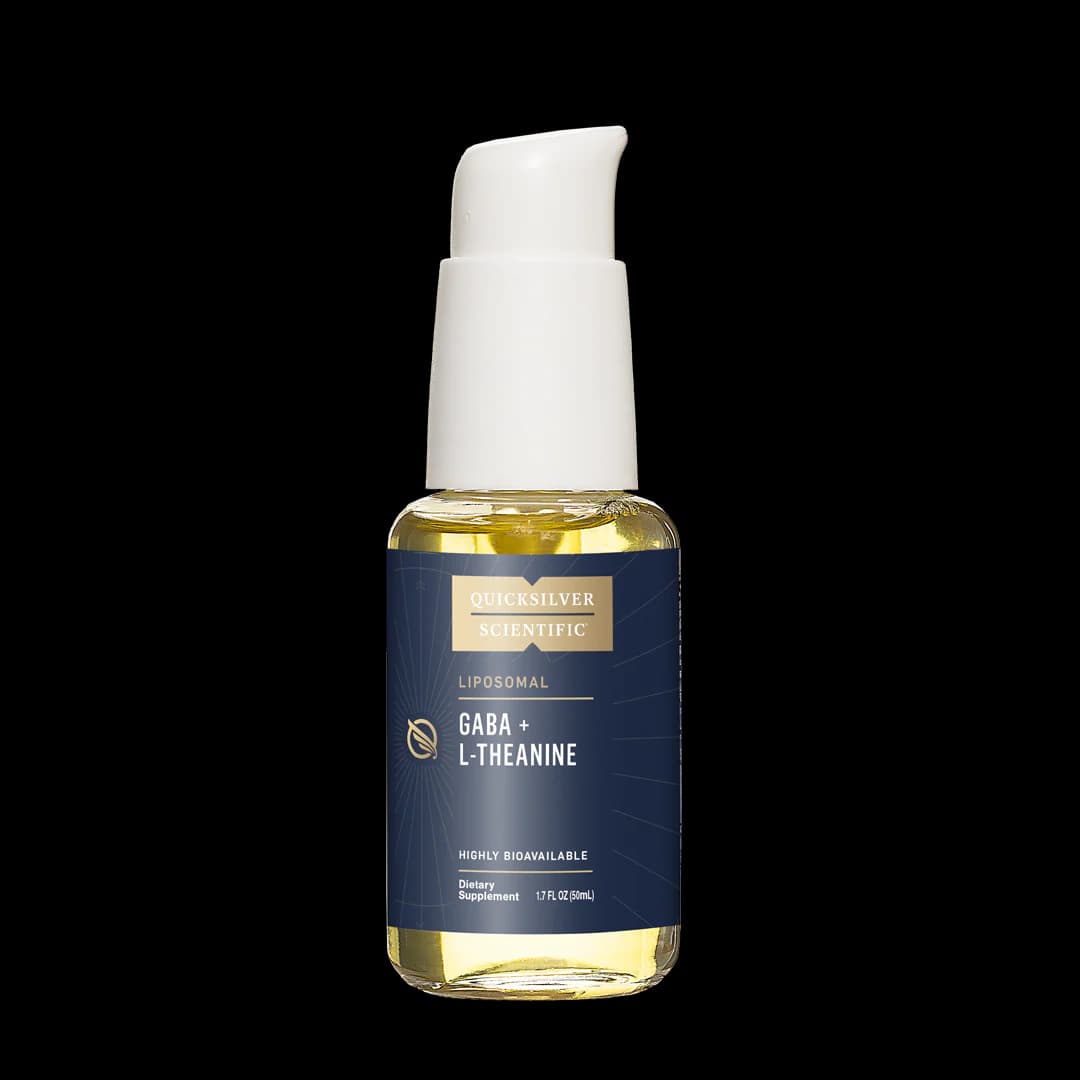
L-Theanine
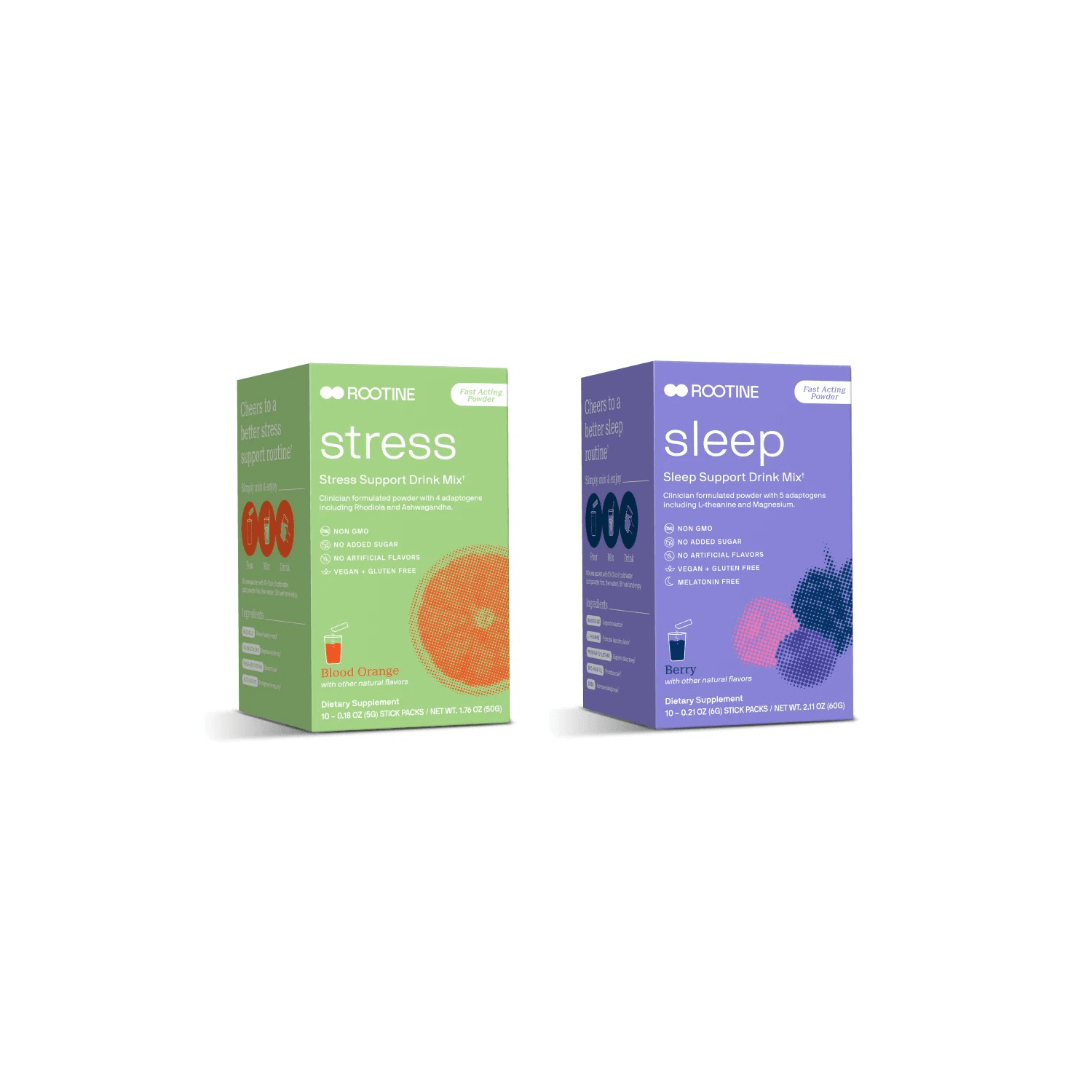
•Stress Reduction100–200 mg capsule 1–2×/day; optional 200 mg 30–60 min before bed
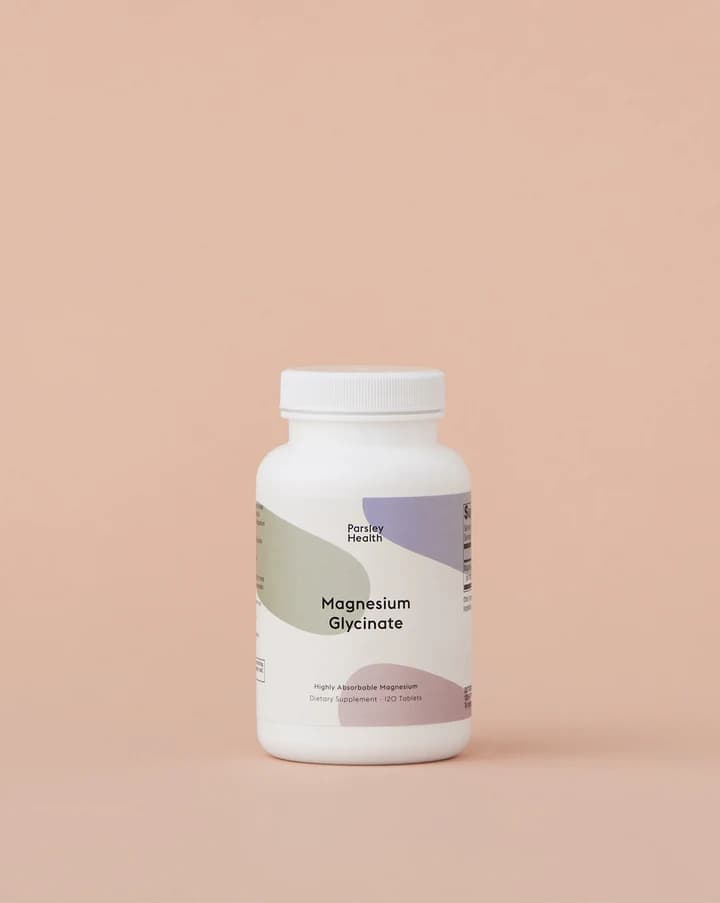
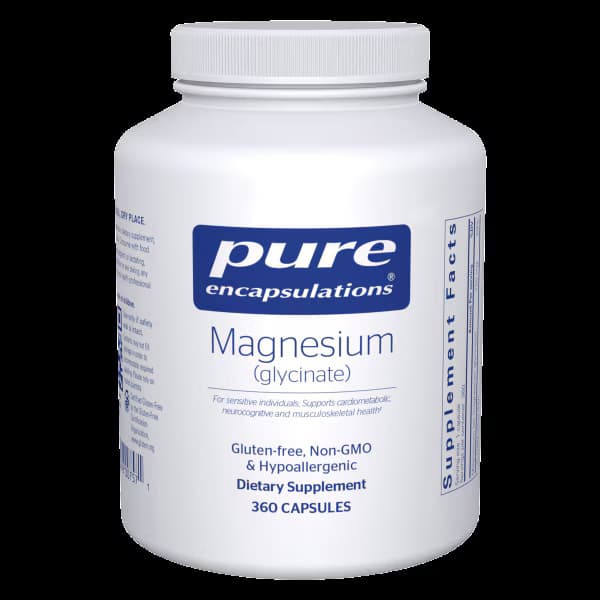
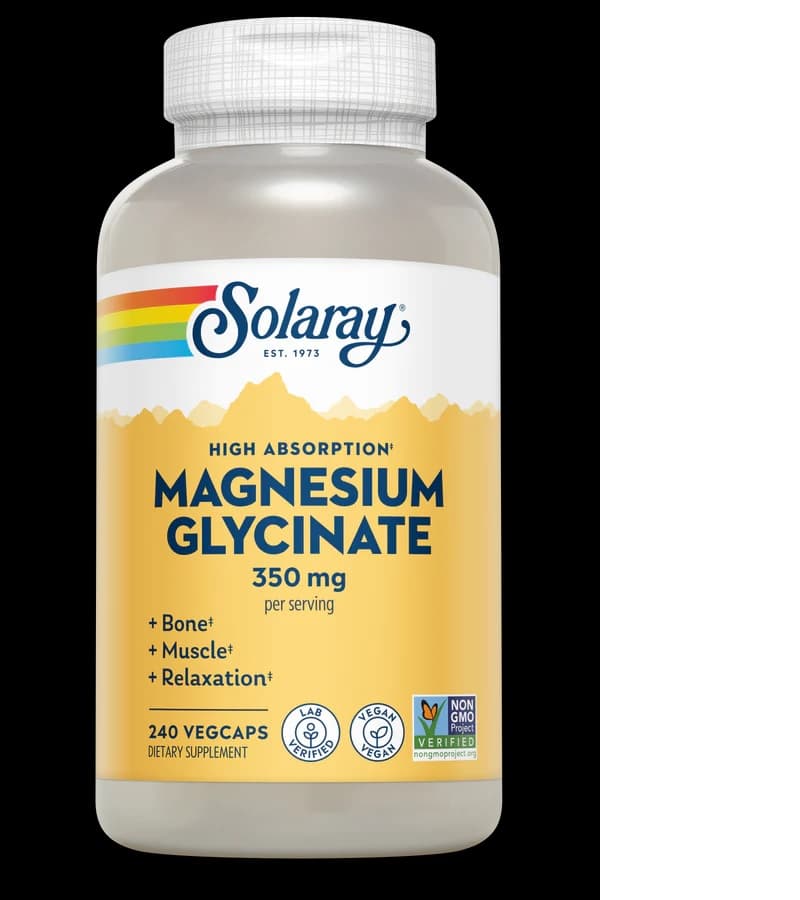
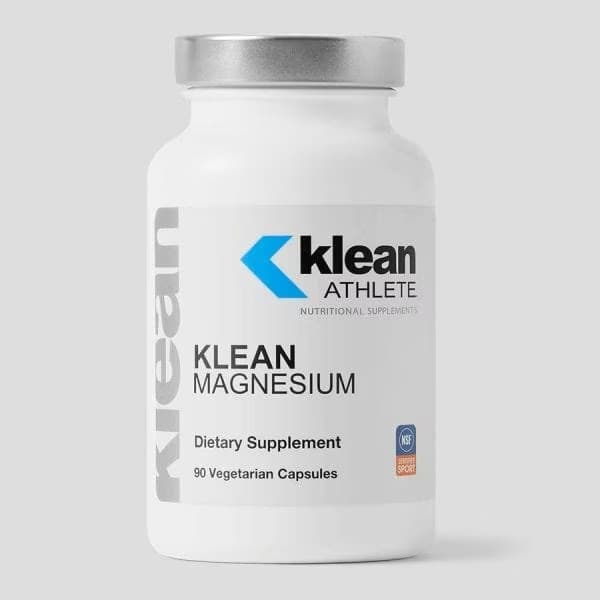
Magnesium (as glycinate)
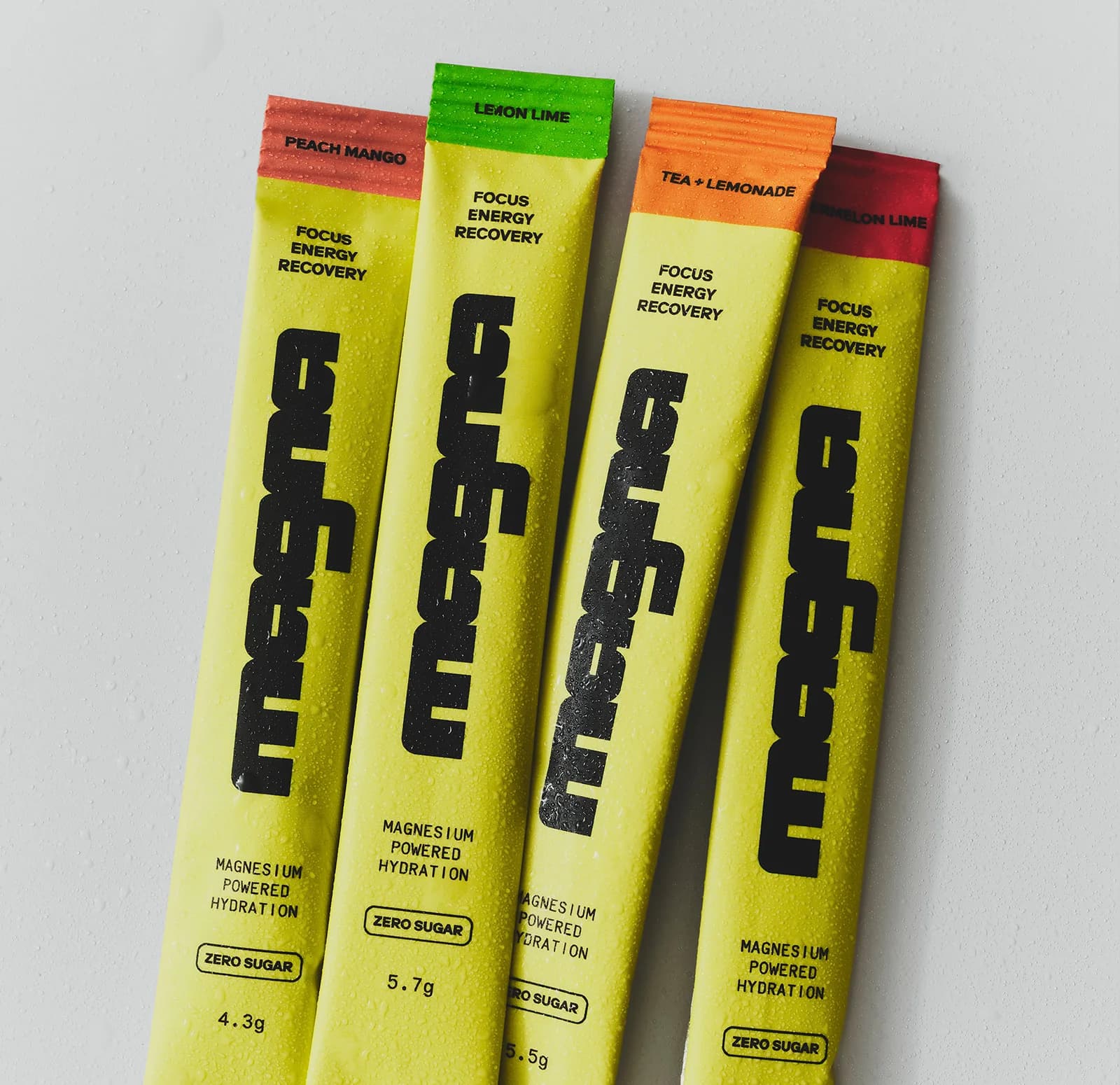
•Sleep Quality200–300 mg elemental magnesium nightly, capsule or powder
Ashwagandha (standardized root extract, e.g., KSM-66 or Sensoril)
•Stress Reduction300–600 mg daily with ≥5% withanolides
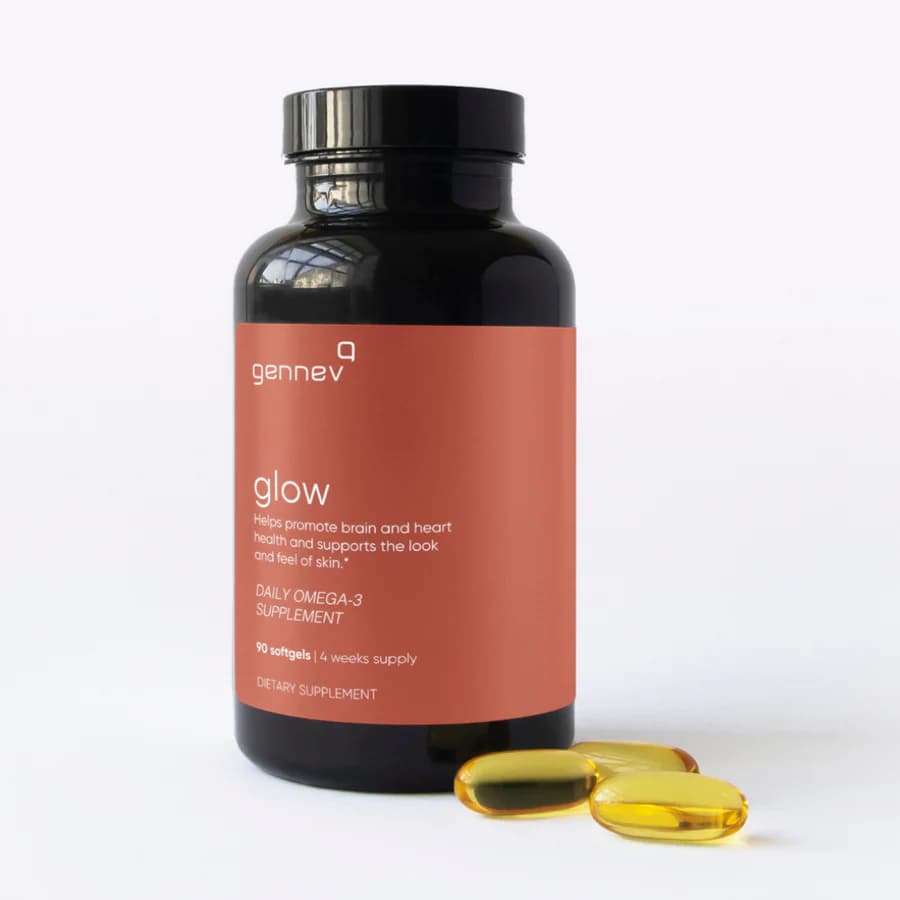
Omega‑3 Fish Oil (EPA‑dominant)
•Stress Reduction1,000–2,000 mg/day combined EPA+DHA, with EPA ≥60% of total
Targeted Probiotic (psychobiotic strains)
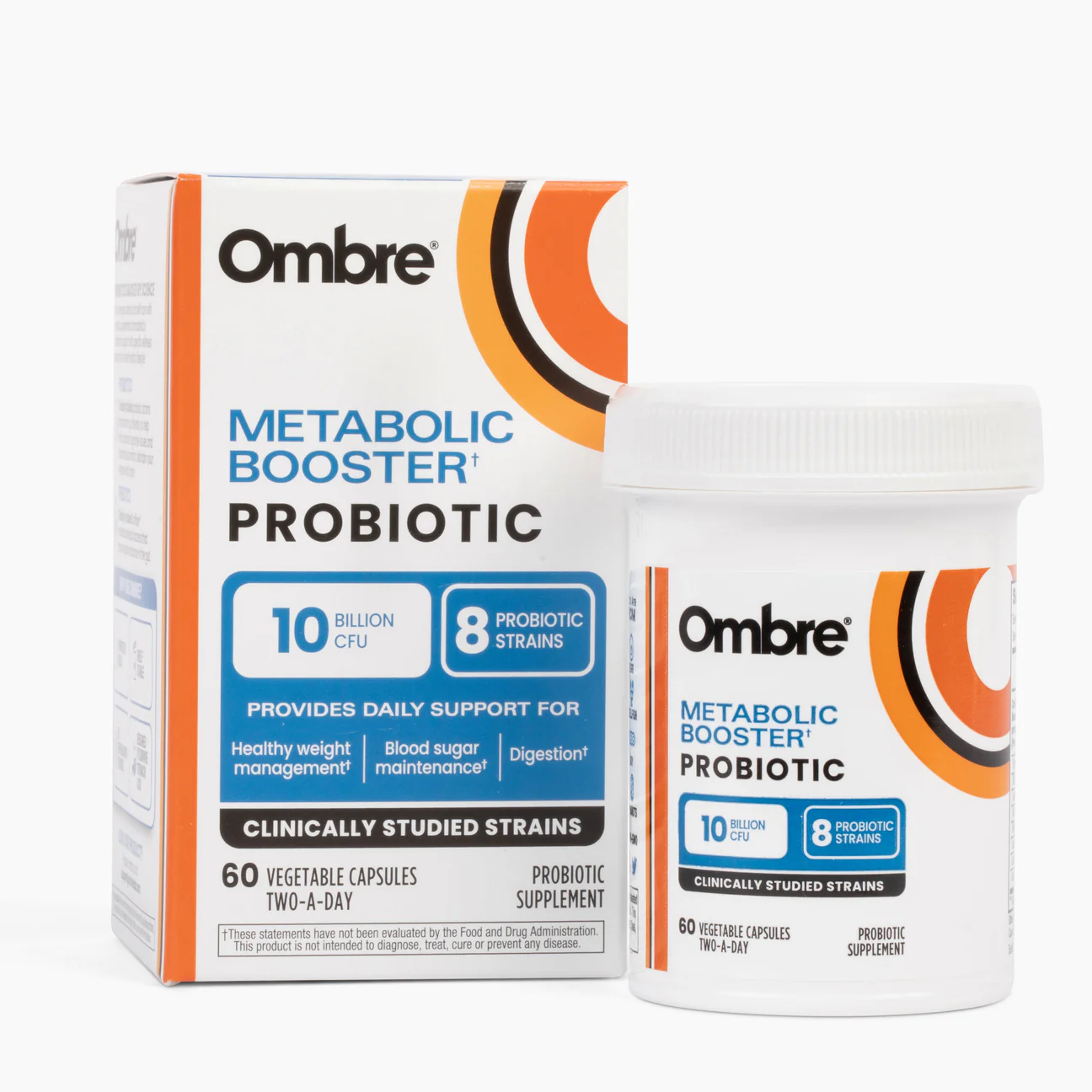
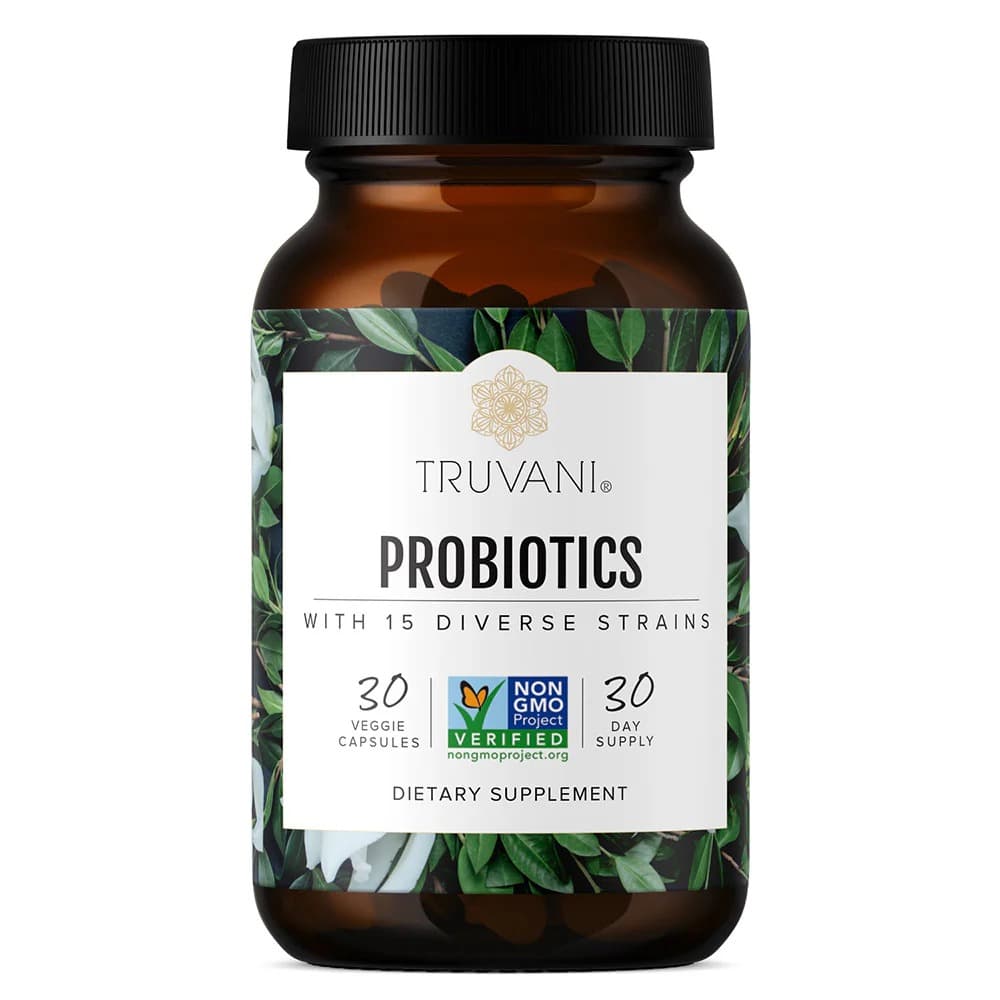
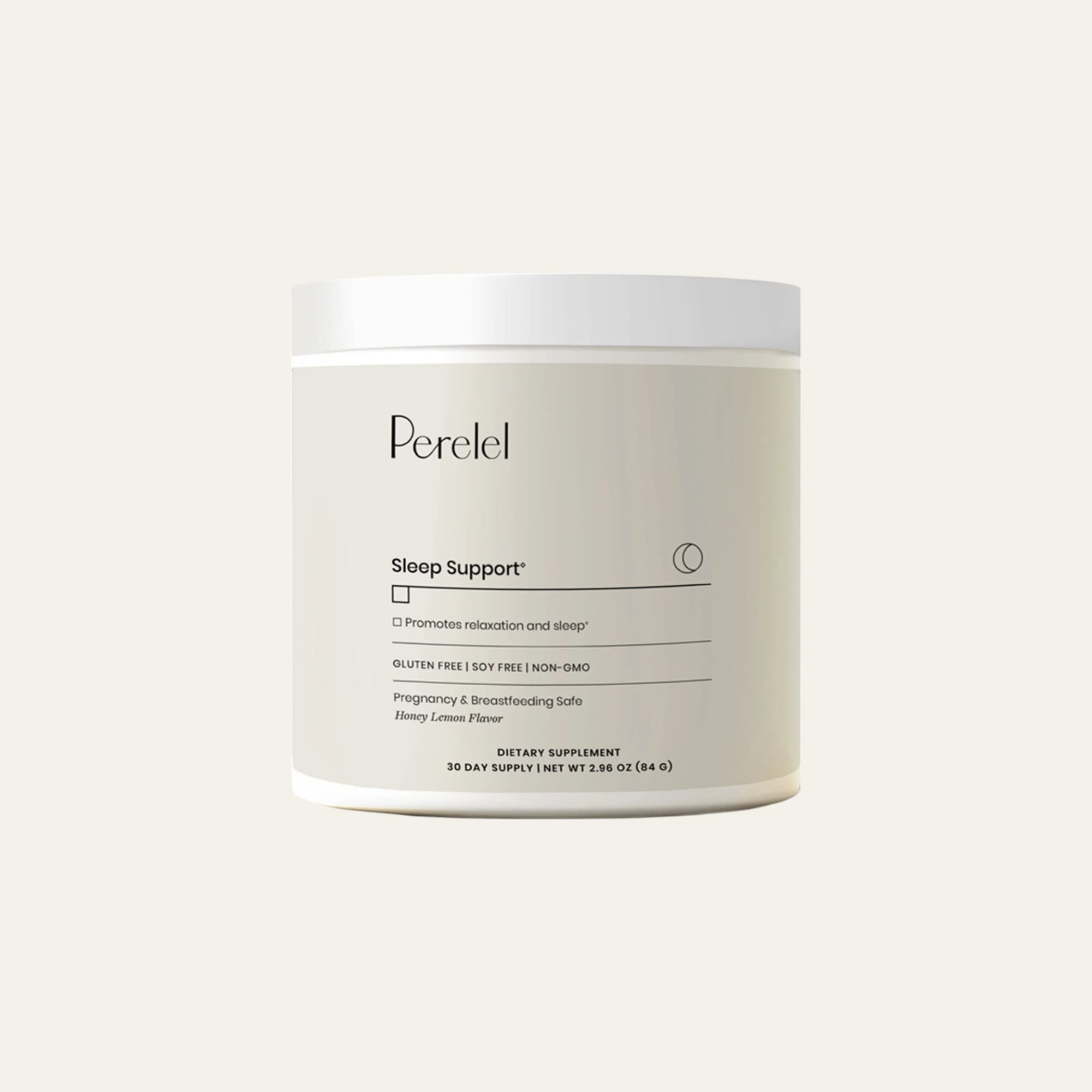
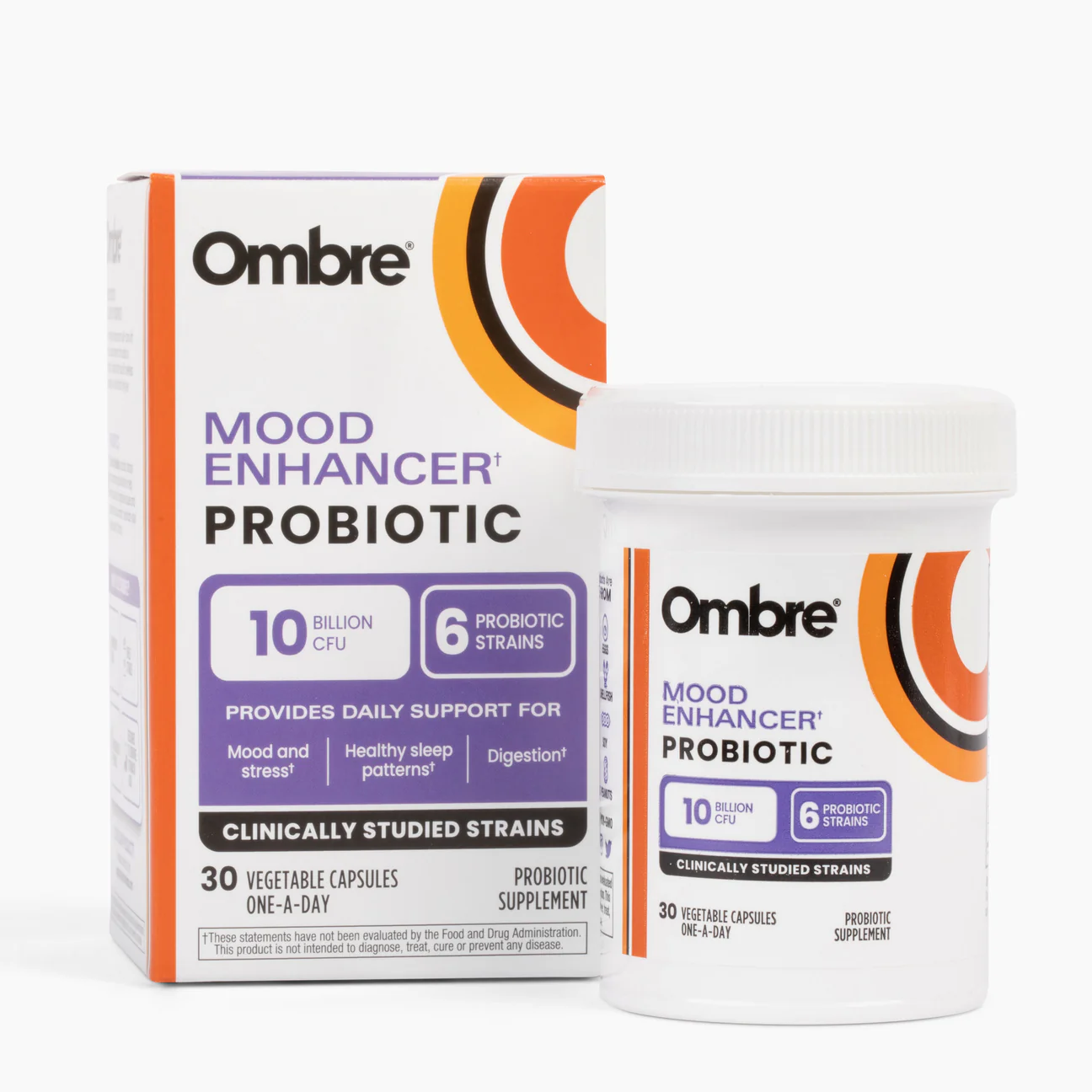
•Gut Health10–20 billion CFU daily; look for strains such as L. rhamnosus HN001, B. longum 1714, or L. helveticus R0052 + B. longum R0175
Prebiotic Fiber (Partially Hydrolyzed Guar Gum, PHGG)
•Gut Health5 g daily, titrate to 10 g as tolerated; powder mixed in water
Glycine
•Sleep Quality3 g powder at bedtime
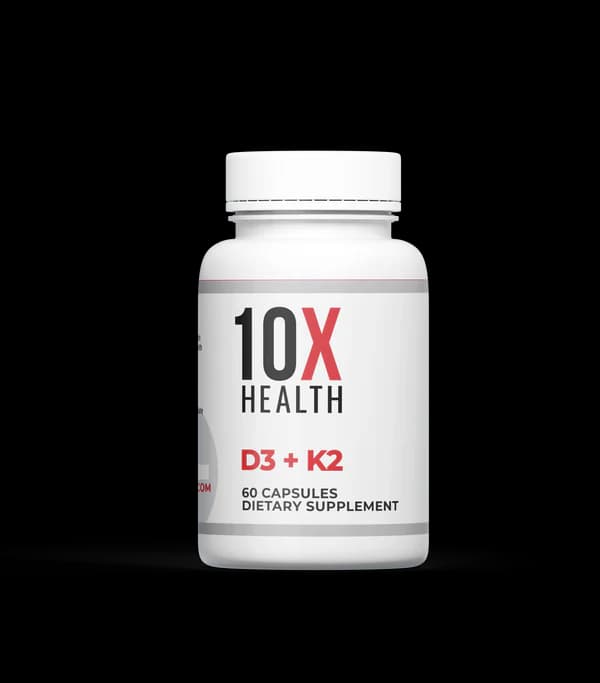
Vitamin D3
•Mood & General Wellness1,000–2,000 IU daily with food; adjust to maintain 25(OH)D ~30–50 ng/mL
Recommended Products





















Gut Health & Microbiome
For a 29-year-old woman with anxiety aiming to reduce stress, improve sleep, and strengthen gut health, prioritize: (1) diverse prebiotic fibers and fermented foods to enrich microbiome diversity and butyrate; (2) daily gut–brain (vagal) calming practices; (3) meal timing and mindful eating to support digestion and sleep; (4) resistant starch and polyphenols to lower gut inflammation and support the barrier; (5) an optional short probiotic trial with strains studied for mood and GI comfort; (6) simple tracking to personalize triggers and wins.
Recommendations
Microbiome Diversity
Aim for ~30 different plant foods/week and 1–2 small servings/day of fermented foods (e.g., live-culture yogurt or kefir, sauerkraut/kimchi, miso, tempeh). Rotate choices across weeks.
Gut–Brain Axis
Before meals, do 3–5 minutes of slow nasal breathing (inhale ~4 s, exhale ~6–8 s) and add brief humming or gargling once daily. Take a relaxed, screen-free first 5 minutes of each meal.
Digestive Function
Keep consistent meal times, chew thoroughly, and finish your last meal 2–3 hours before bed. Add a 5–10 minute easy walk after your main meal; set caffeine cut-off by noon.
Inflammation & Barrier Support
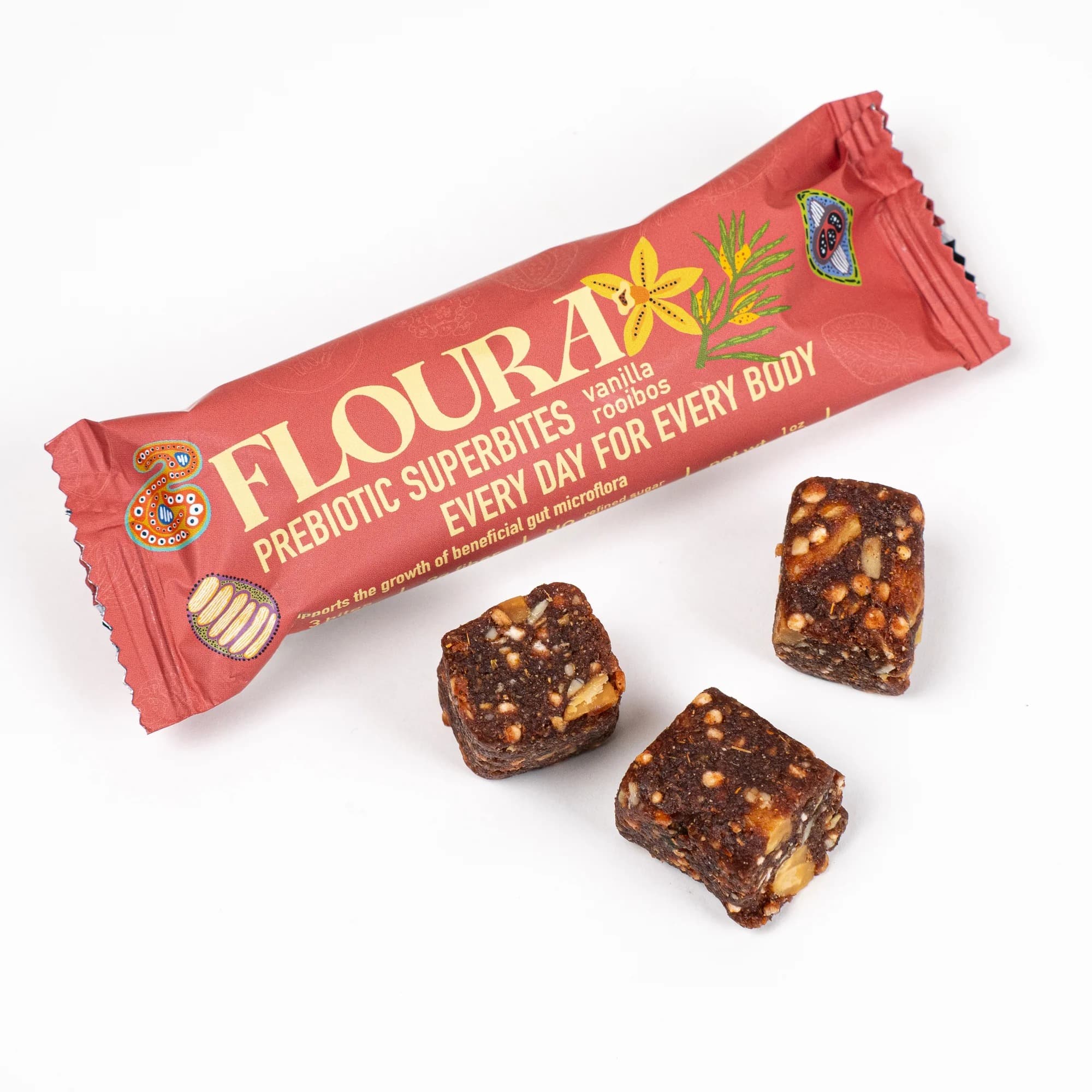
Include daily soluble/prebiotic fibers and resistant starch: oats or barley, legumes, chia or a small psyllium serving, green-tinged bananas, and cooked–cooled potatoes or rice. Add polyphenols like berries, cocoa, or decaf green/rooibos tea.
Targeted Probiotics (Optional)
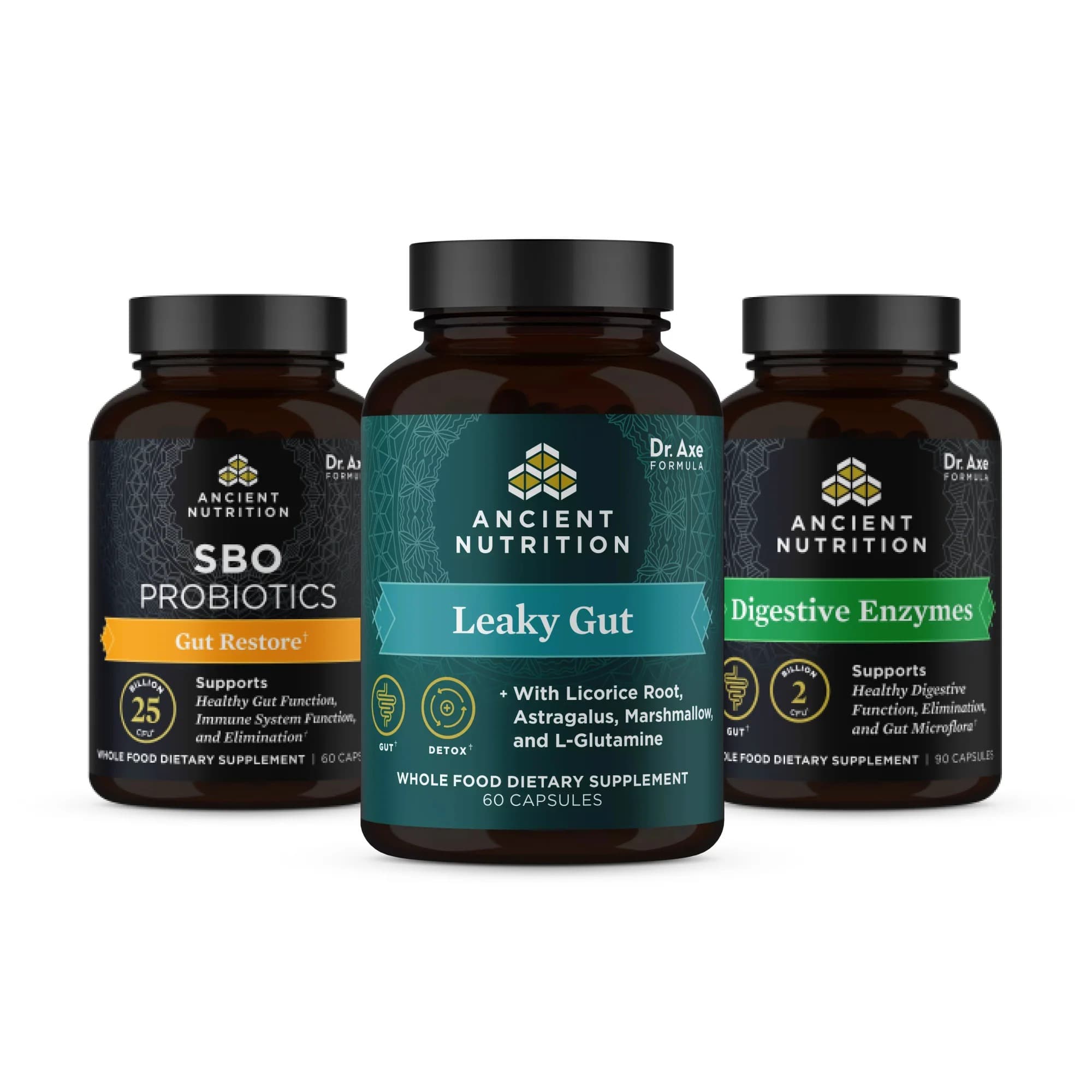
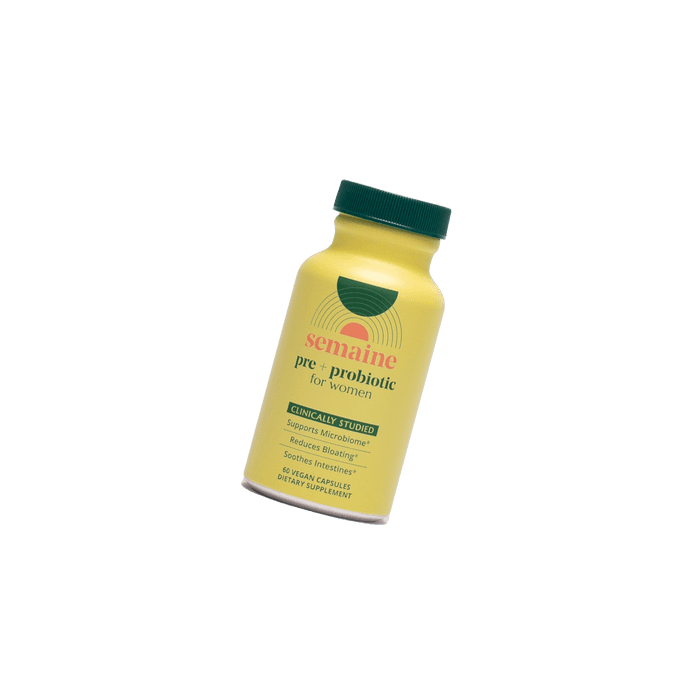
Trial a 4–8 week multi-strain probiotic emphasizing Lactobacillus and Bifidobacterium (e.g., L. rhamnosus/L. helveticus with B. longum/B. bifidum). Start with low dose for a week, then increase if well tolerated.
Sleep–Microbiome Rhythm
Get 10–20 minutes of outdoor morning light, keep a regular sleep window, and if hungry in the evening choose a small prebiotic-rich option (e.g., kiwi or oatmeal with ground flax). Avoid heavy, spicy, or high-fat late meals.
Personalization & Tracking
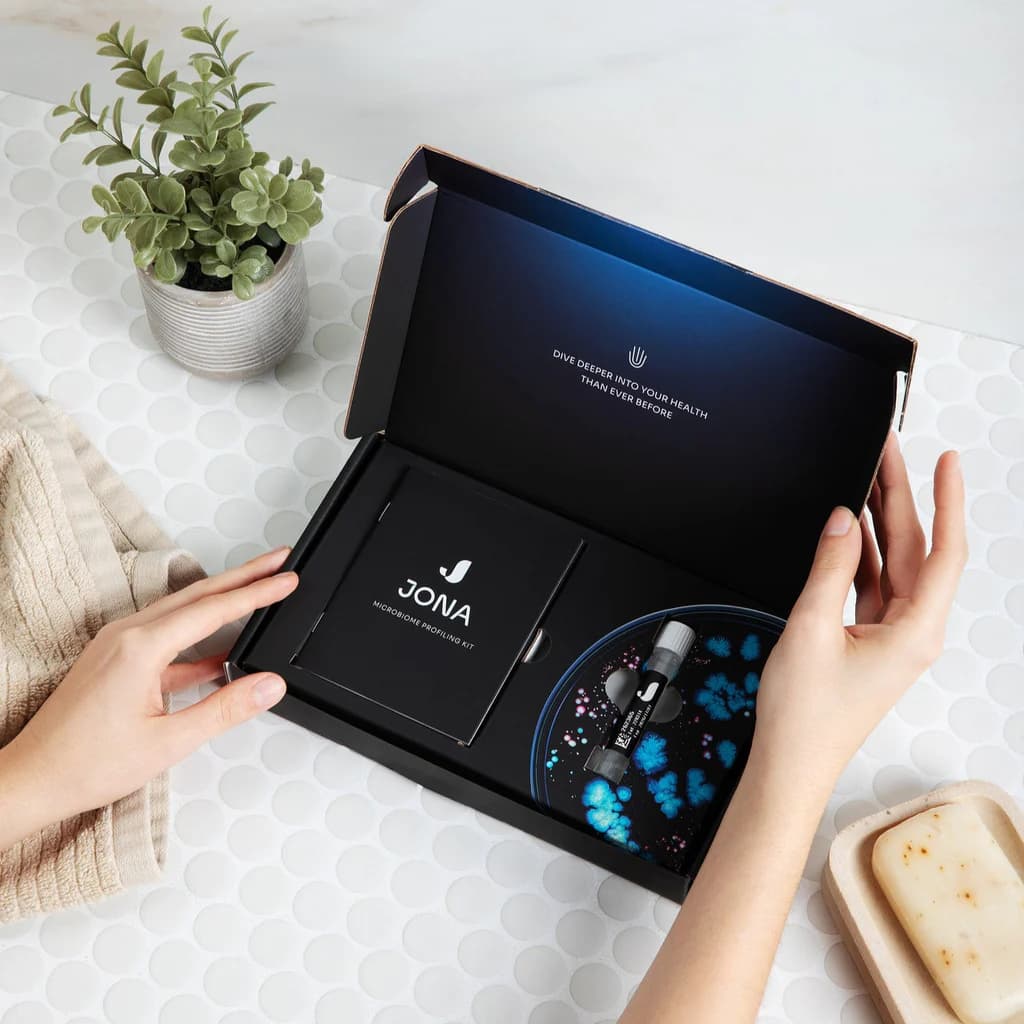
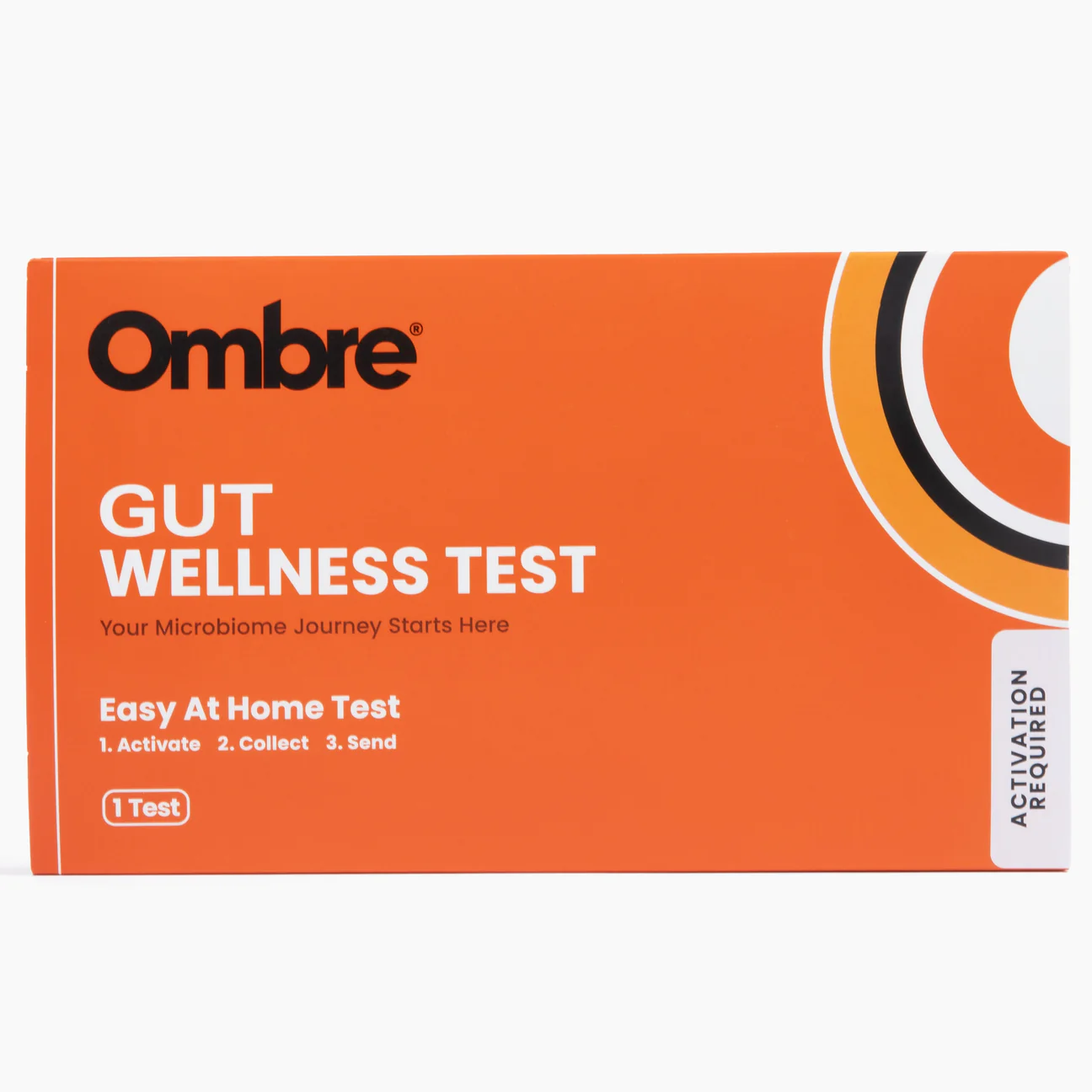
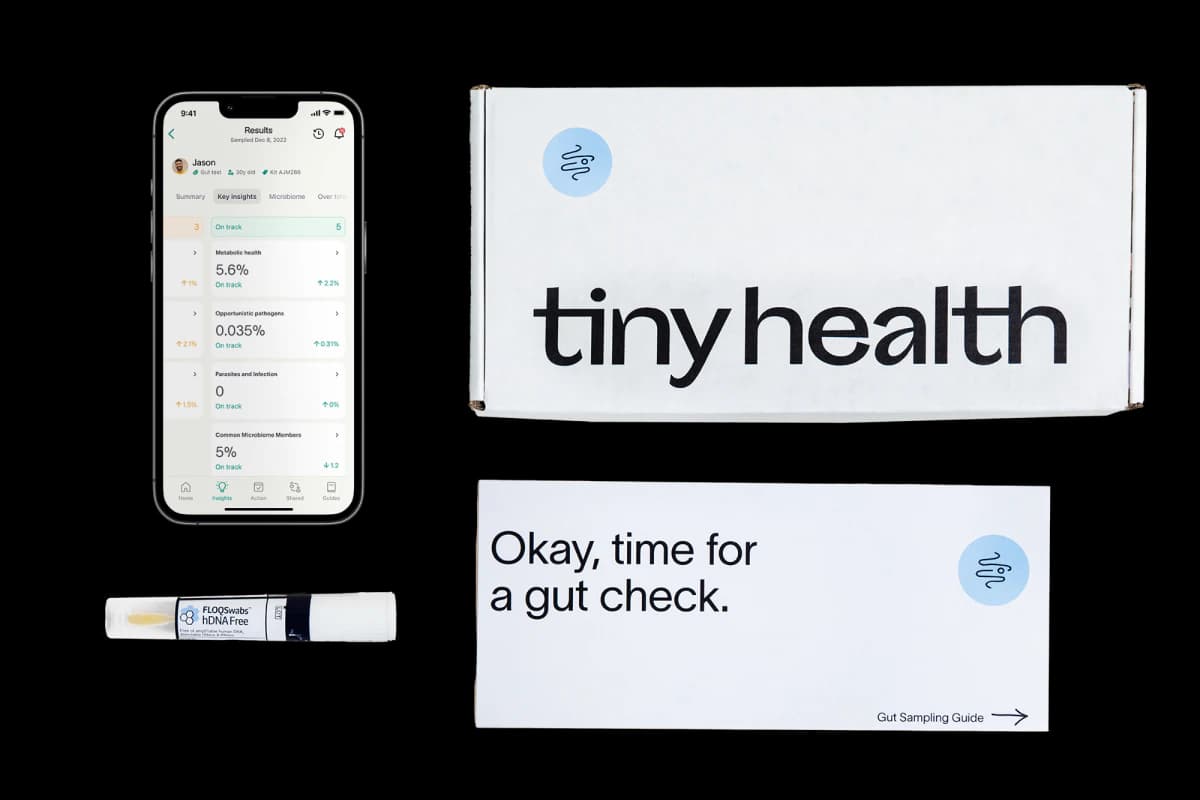
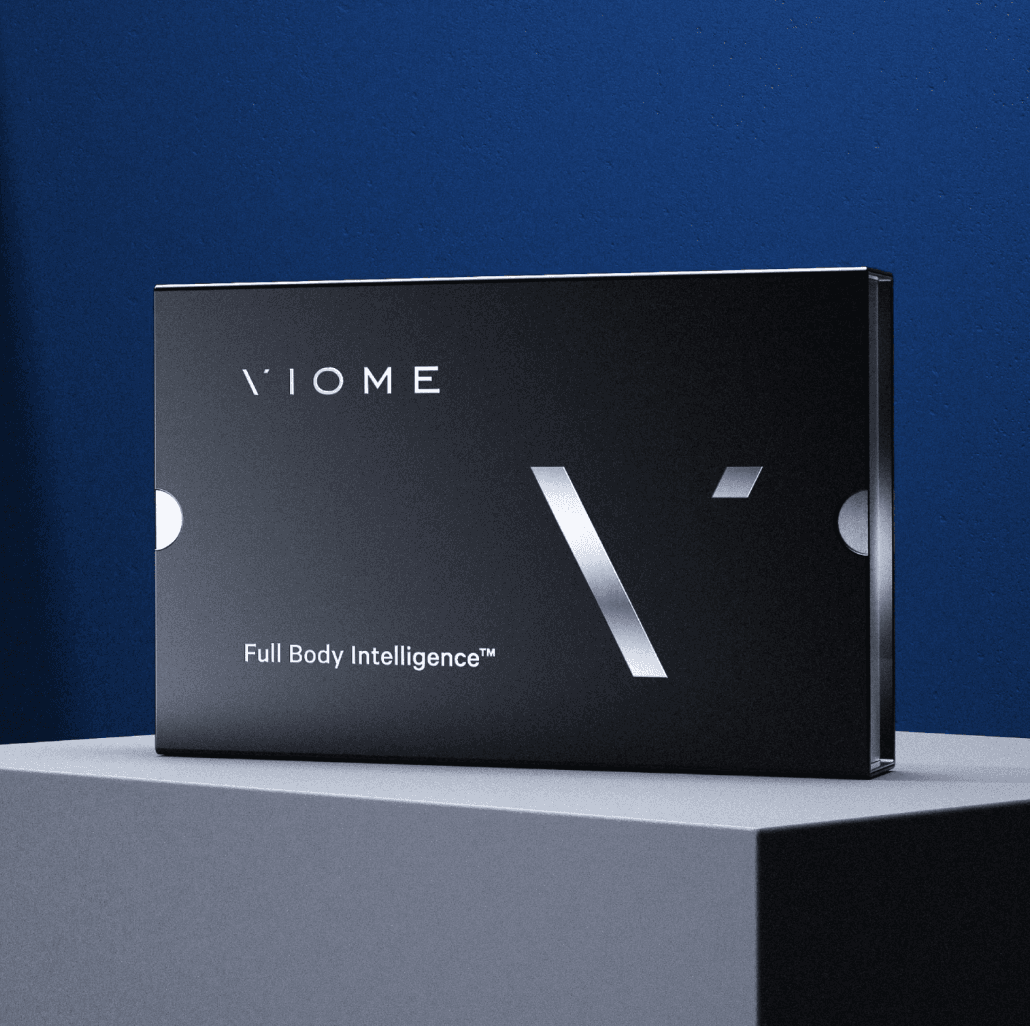
For 2–4 weeks, log plant diversity, fermented foods, stress level, sleep quality, and GI symptoms. Adjust triggers (e.g., alcohol, very spicy foods) and consider a microbiome or stool test if symptoms persist.
Recommended Products










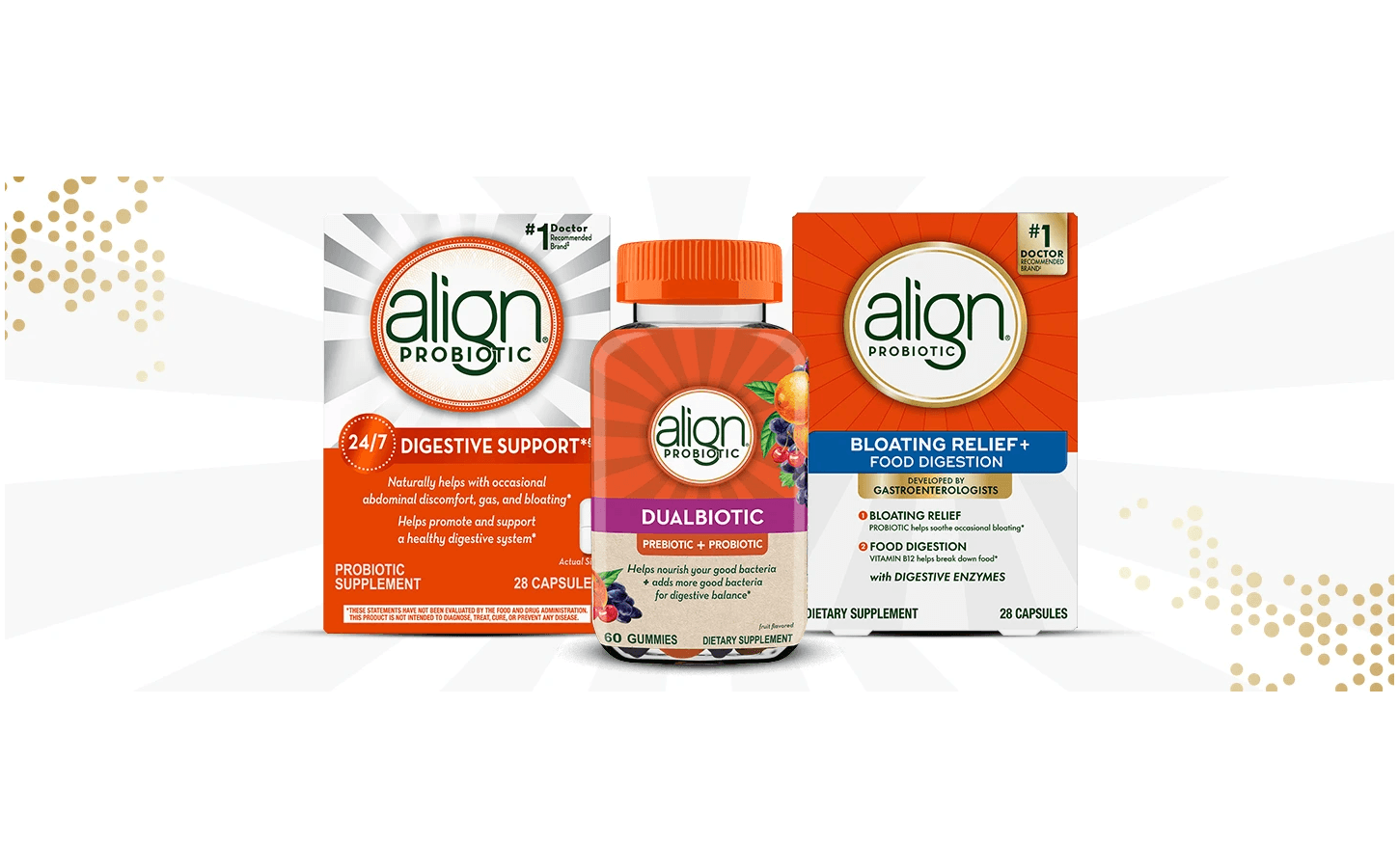


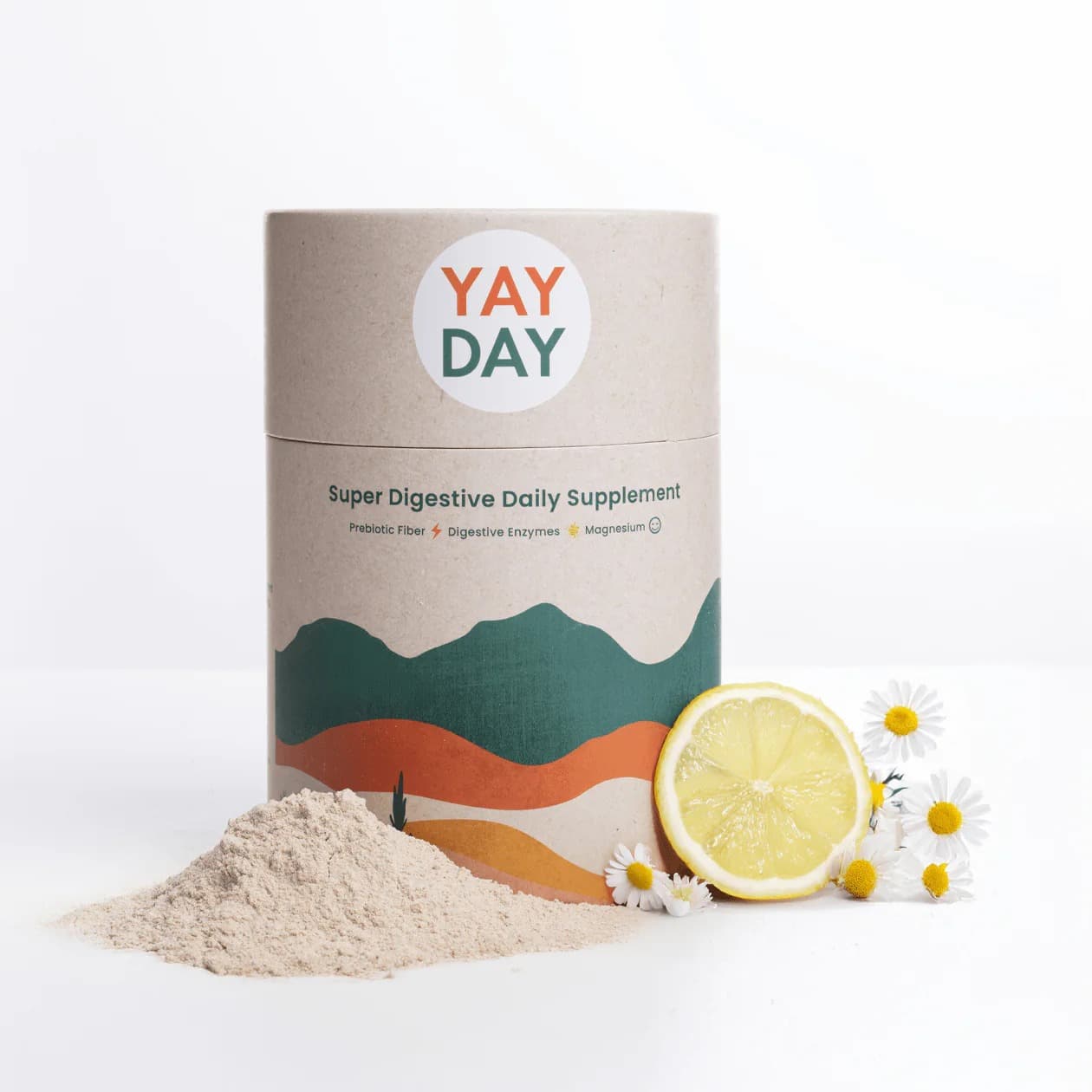





Gut Health
For a 29-year-old woman with anxiety, prioritize gut-friendly nutrition and routines that also calm the stress–gut axis and support sleep. Focus on fiber diversity, daily fermented foods, targeted prebiotics/psyllium, stress-regulating practices, steady meal timing with mindful caffeine/alcohol use, and gentle movement/hydration to improve motility, microbiome diversity, and overall digestion.
Recommendations
Microbiome diversity (fiber variety)
Aim for 25–35 g fiber/day and ~30 different plant foods/week (beans, lentils, oats, quinoa, nuts, seeds, herbs, and colorful produce). Increase portions gradually and drink water to tolerance.
Daily fermented foods
Include 1–2 servings/day of live-culture foods such as plain yogurt or kefir, sauerkraut/kimchi, miso, or tempeh; choose low‑added‑sugar options and start with small portions if prone to bloating.
Prebiotics and gentle supplementation
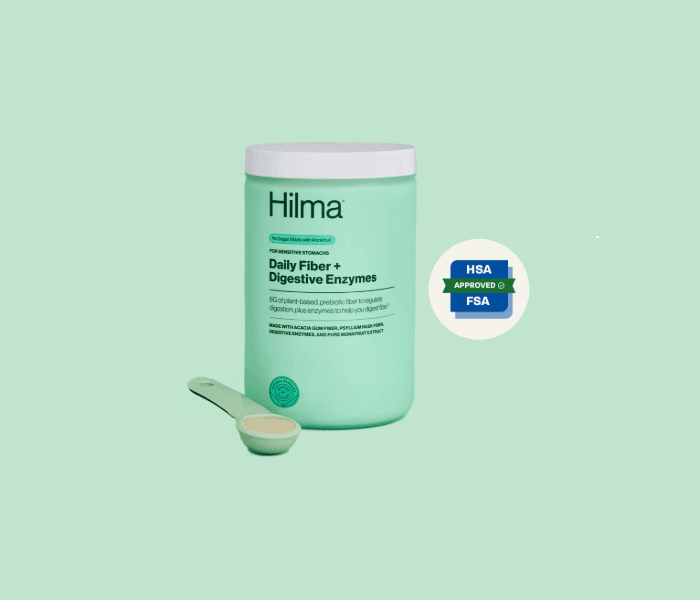
Feature prebiotic foods (onions, garlic, leeks, asparagus, oats, greenish bananas). If fiber is low, add psyllium husk starting at 1 tsp/day in 8–12 oz water, titrating slowly. Optionally trial a daily multi‑strain Lactobacillus/Bifidobacterium probiotic for 4–8 weeks and reassess.
Stress–gut axis support
Do 10 minutes/day of diaphragmatic breathing (e.g., 4‑7‑8 or 6 breaths/min) or a brief yoga/mindfulness session; pair it with a consistent time (morning or after work) to aid adherence.
Meal timing, caffeine, and alcohol for gut and sleep
Keep regular meal times and finish dinner 2–3 hours before bed; avoid heavy/spicy/fatty late meals. Limit caffeine to before noon (≤200 mg/day) and keep alcohol to 0–1 drink, with at least 3 alcohol‑free nights per week.
Movement, hydration, and elimination habits
Get 20–30 minutes of brisk walking most days (add a 10‑minute walk after meals when possible), drink 8–10 cups of fluids/day, and use a feet‑elevated toilet posture to relax the pelvic floor.
Recommended Products


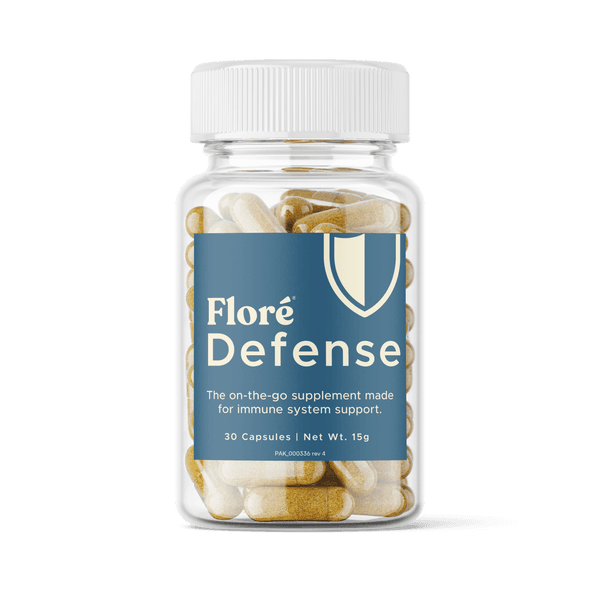

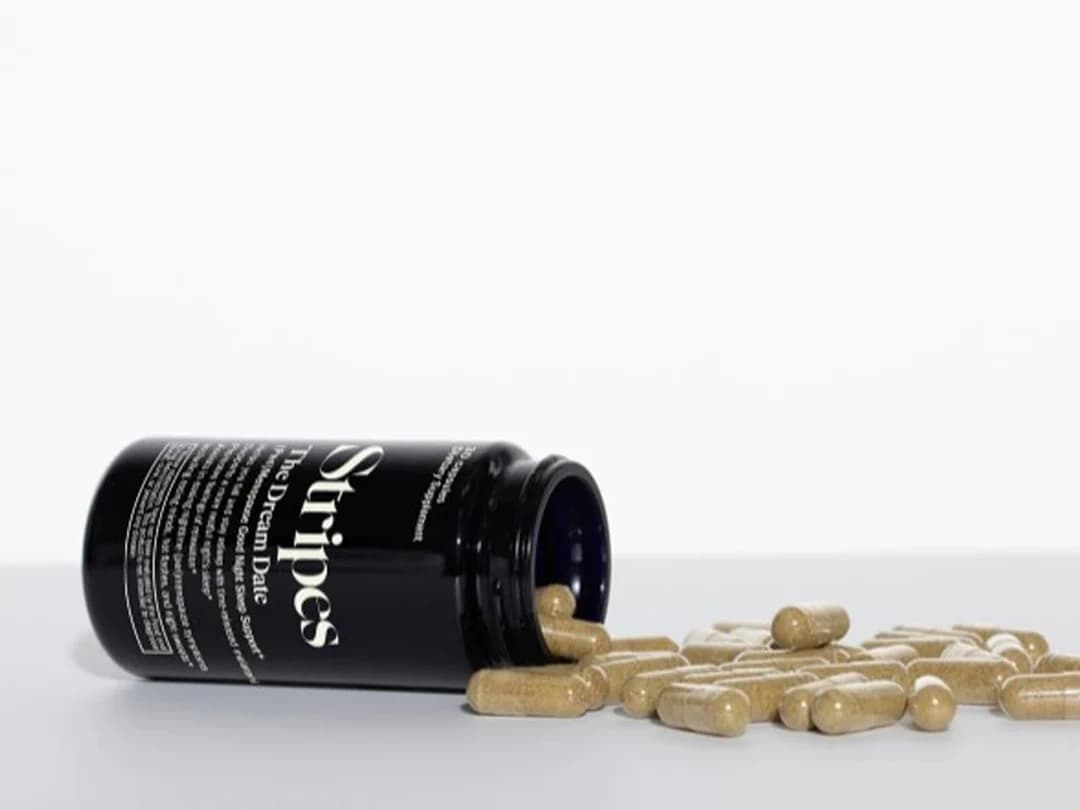

















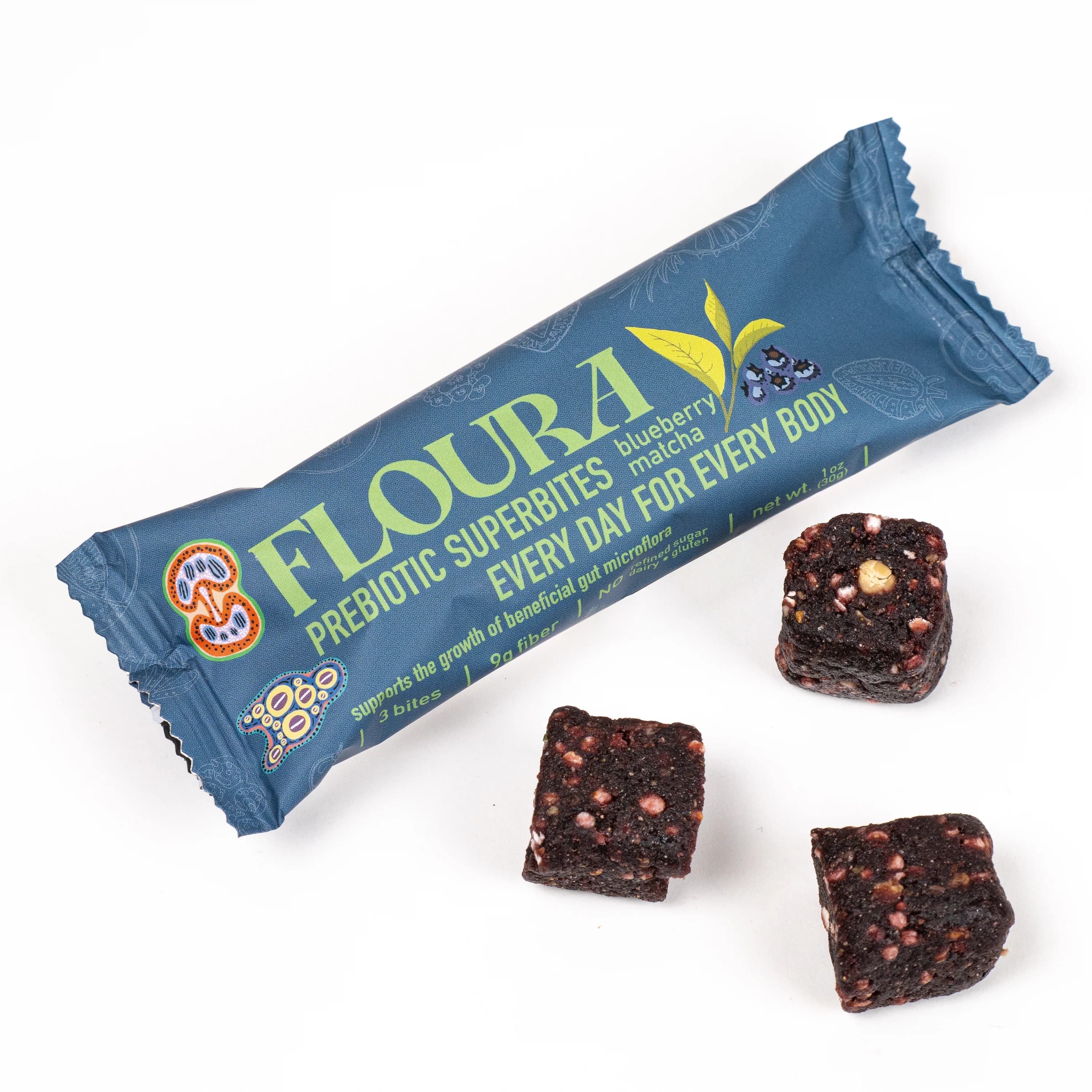
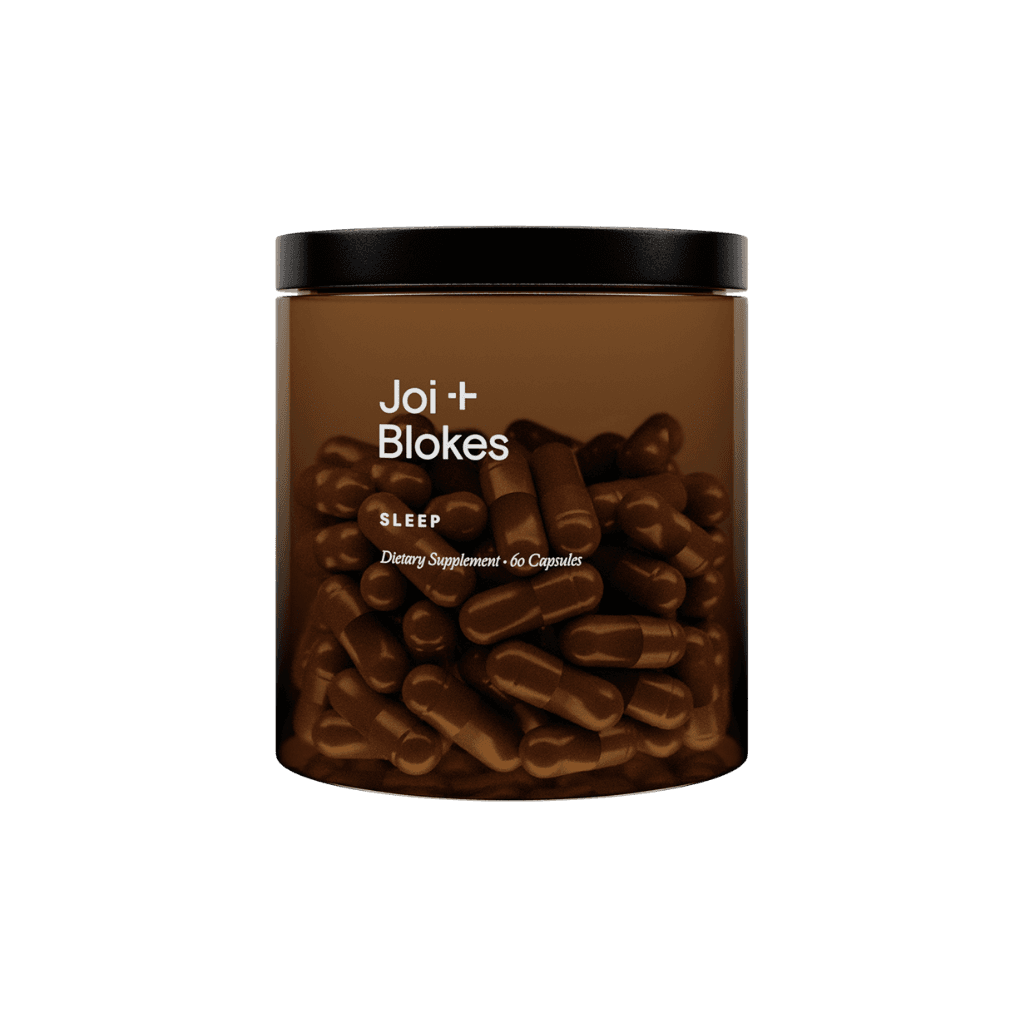

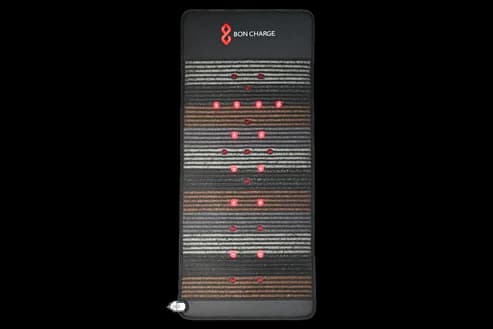


Sleep Quality
Primary focus: strengthen your circadian rhythm and calm anxiety-related hyperarousal with consistent timing, light exposure, and a soothing wind-down, while optimizing your NYC sleep environment and evening nutrition choices to reduce awakenings and improve sleep depth.
Recommendations
Circadian anchors & light
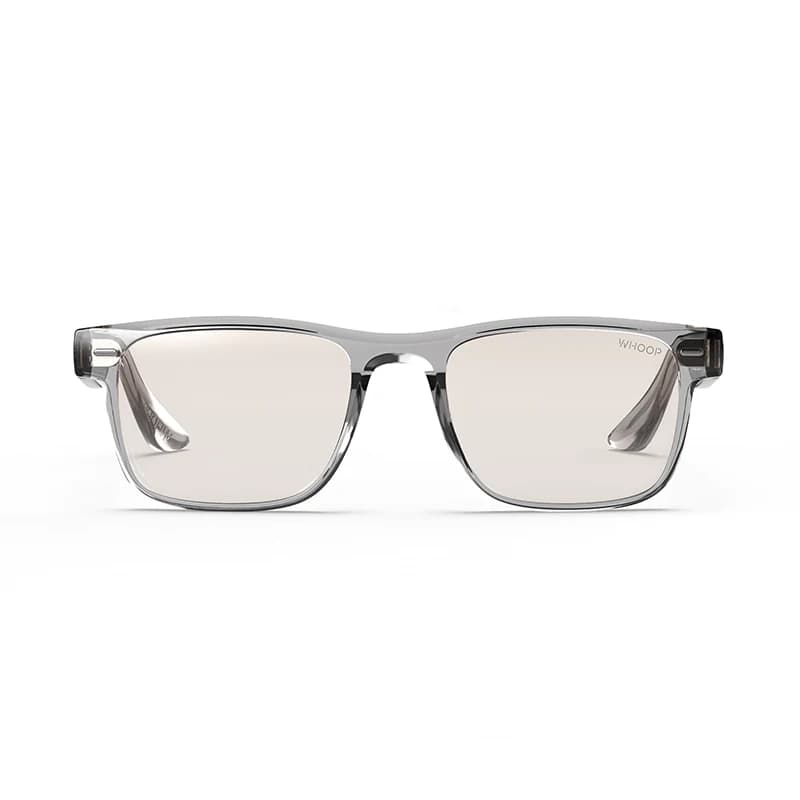
Fix your wake time daily (±30 min) and get 10–20 minutes of outdoor light within 60 minutes of waking; dim household lighting and avoid bright/blue light for 2 hours before bed; aim for 7.5–8.5 hours in bed.
Stimulus control (CBT-I)
Use the bed only for sleep and sex; if you’re awake >20 minutes at night, get up and do a quiet, dim‑light activity until sleepy; schedule a 10‑minute daytime “worry time” to list concerns and next steps so they don’t surface at bedtime.
Wind‑down routine & nervous system
Create a 60‑minute pre‑bed routine: warm shower 1–2 hours before bed, 10–20 minutes of gentle stretching or yoga nidra/NSDR, 4‑7‑8 breathing (4 cycles), and reading a paper book; keep the phone out of the bedroom or on Do Not Disturb.
Caffeine, alcohol, and meals
Stop caffeine 7–9 hours before bed (aim by ~2 pm); limit alcohol to 0–1 drink and finish ≥3 hours before bed; avoid heavy/spicy meals within 3 hours; if hungry, choose a light carb+protein snack; taper fluids 2–3 hours before bed.
Daytime activity for better sleep
Accumulate ≥150 minutes/week of moderate exercise; favor morning or early‑afternoon workouts; on stressful days, add a brisk 10–20 minute daylight walk and 2–3 brief mindfulness breaks (e.g., box breathing).
Bedroom environment (Brooklyn‑friendly)
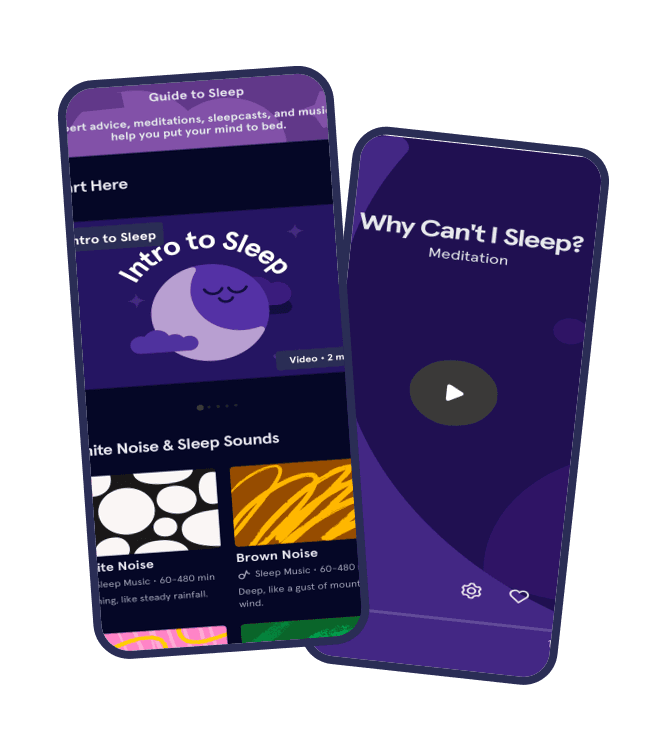
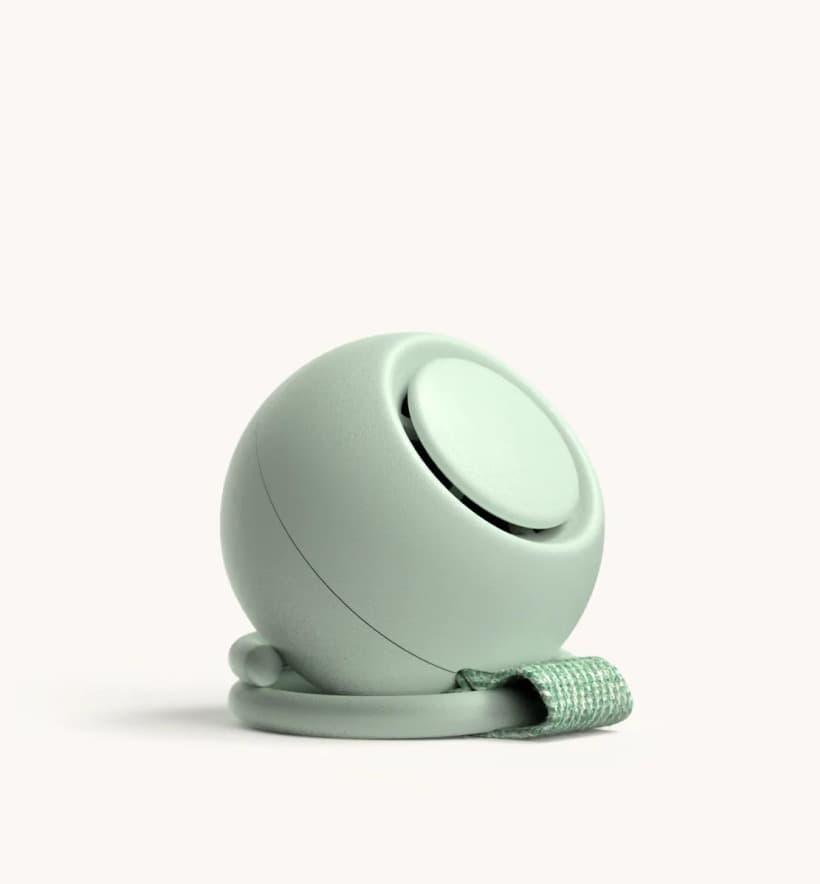
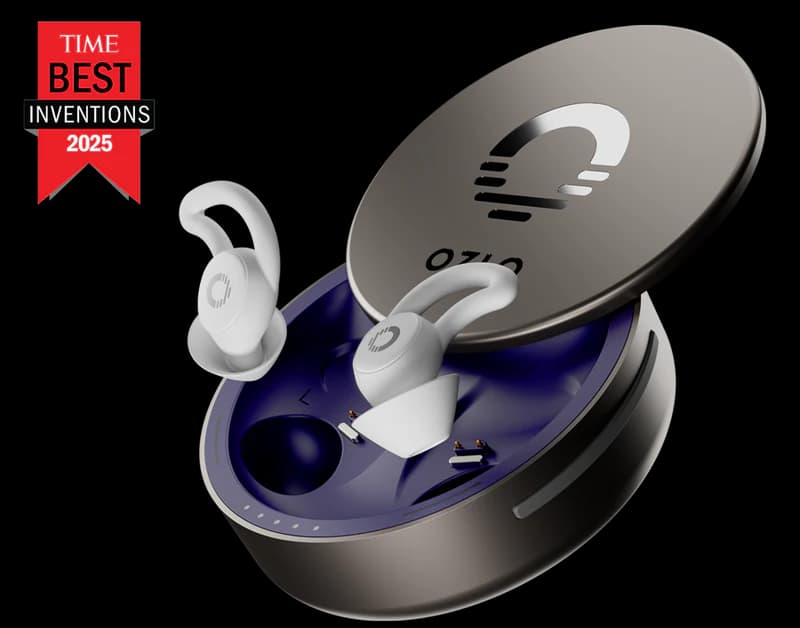
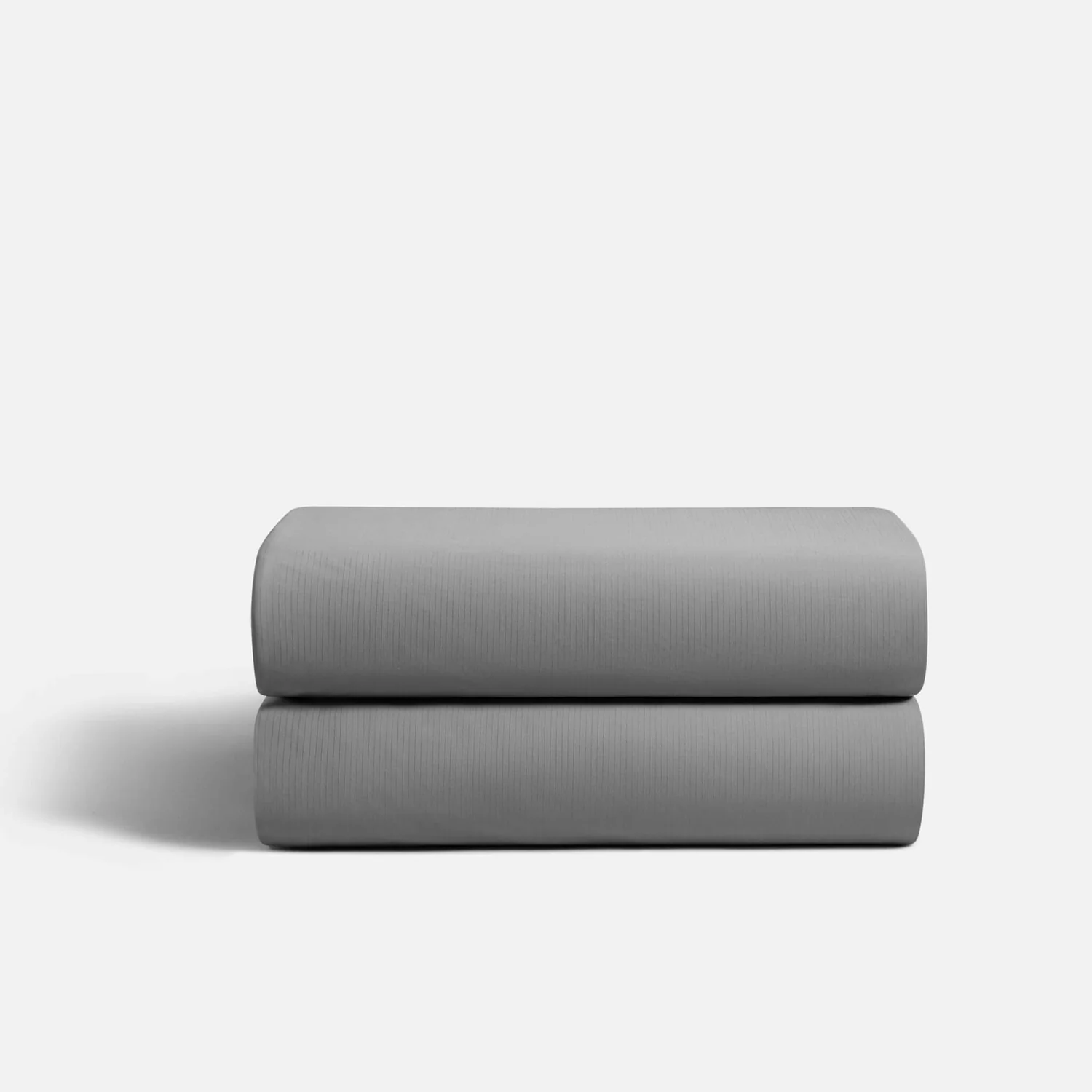
Keep the room 60–67°F; use blackout curtains or a sleep mask to block streetlights; run a white‑noise machine or fan to mask traffic; consider earplugs; remove visible clocks and keep the space screen‑free.
Recommended Products
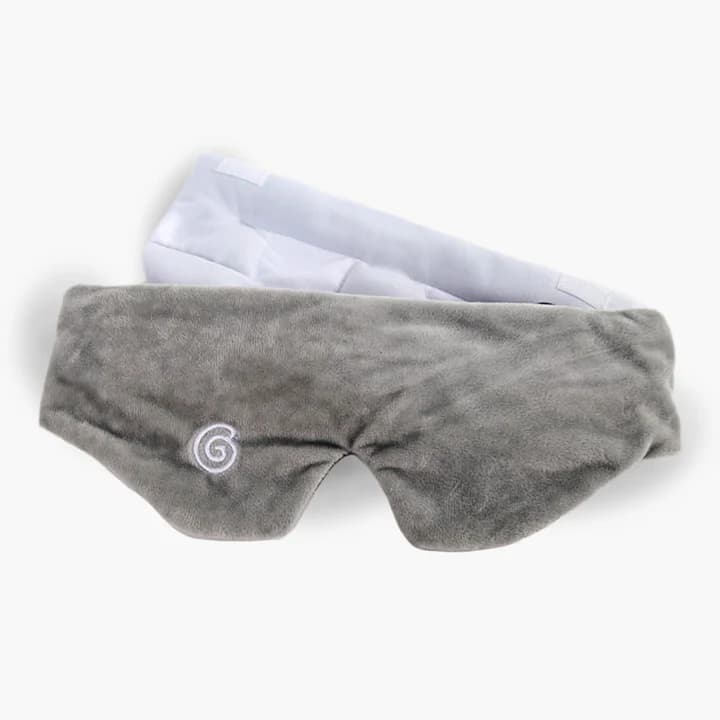





























Stress Reduction
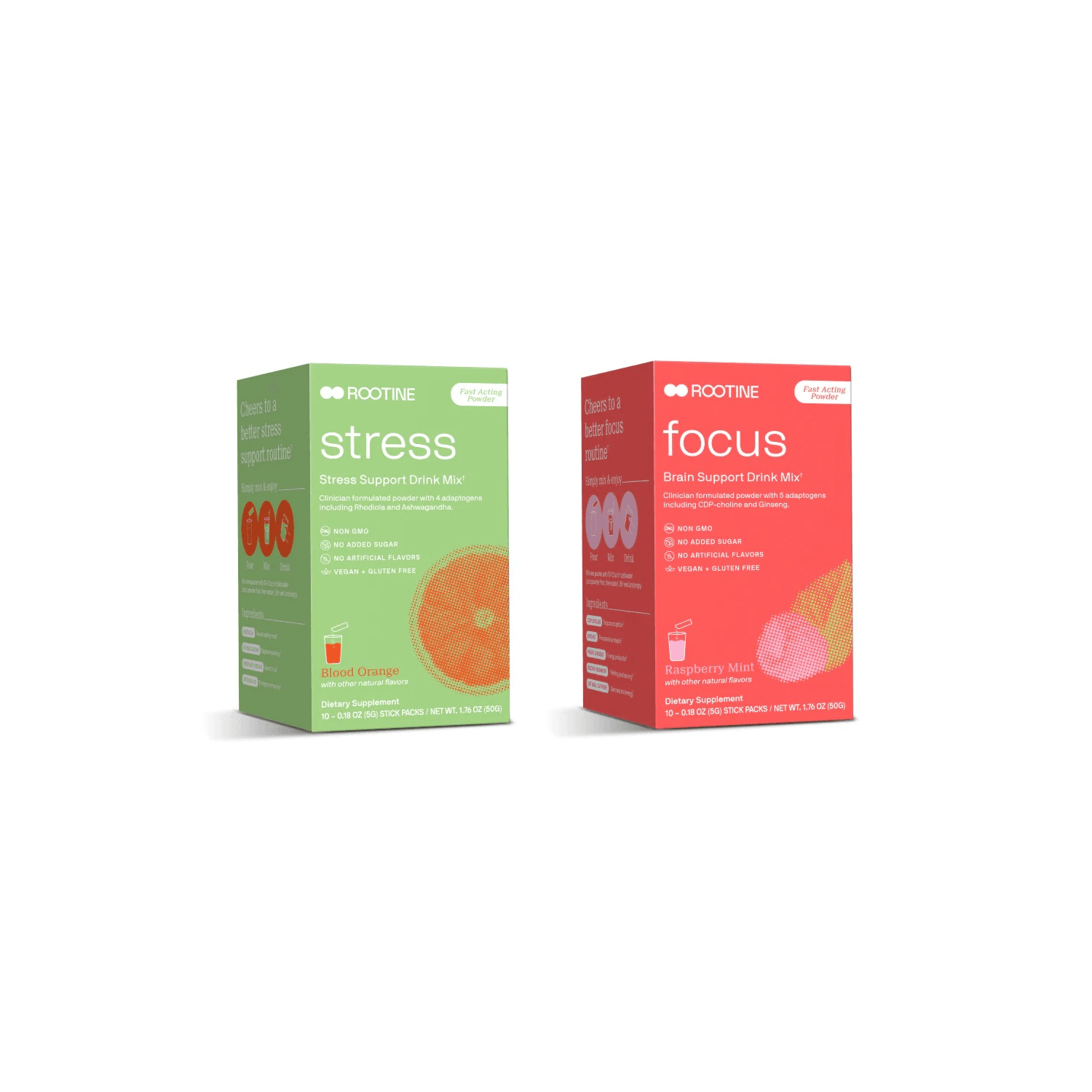
Goal-focused plan to lower daily stress for a 29-year-old woman with anxiety in Brooklyn, aligning routines that also support better sleep and gut-brain balance. Use quick calming tools for spikes, build a simple daily mindfulness and movement rhythm, and protect evenings for high-quality sleep.
Recommendations
Calming Breathwork
Practice box breathing (inhale 4s, hold 4s, exhale 4s, hold 4s) or 4-7-8 for 5 minutes after waking and mid-afternoon; use 3–5 cycles during any stress spike.
Mindfulness/MBSR
Do a 10-minute guided mindfulness or yoga nidra session daily (lunch break or pre-bed). Consider an 8-week MBSR or CBT-based course locally/online when feasible.
Sleep Wind-Down
Keep a consistent sleep window (e.g., 11 pm–7 am). Create a 60-minute wind-down: dim lights, warm shower, 10 minutes ‘worry-dump’ journaling and to‑do list, then 10 minutes progressive muscle relaxation; avoid screens in the final hour.
Movement for Calm
Get 20–30 minutes of moderate activity most days (brisk walk in Prospect Park or your neighborhood) plus 2 sessions/week of gentle yoga or Pilates; avoid high‑intensity exercise within 3 hours of bedtime.
Gut–Brain Support
Eat at regular times; include protein + fiber each meal; add 1–2 daily servings of fermented foods (yogurt/kefir, kimchi, sauerkraut) and prebiotic fiber (oats, bananas, onions). Cap caffeine at ≤200 mg/day and stop by 2 pm; limit alcohol, especially on weeknights.
Micro‑Breaks, Nature, and Boundaries
Insert 5–10‑minute micro‑breaks every 90 minutes for light movement/eye rest; use ‘Do Not Disturb’ for focused work blocks; spend 20 minutes in a green space (e.g., Brooklyn Bridge Park) 2x/week; plan two supportive social check‑ins weekly.