Workup Health Guide
Personalized wellness insights powered by Workup’s AI — designed to help you explore health solutions aligned with your goals.
Profile Overview
Disclaimer: This report was produced using Workup’s AI recommendation engine, which evaluates your demographic and health information to identify potentially relevant products and services from vetted partners. Workup does not practice medicine, and this content is for informational purposes only. Consult your physician or licensed practitioner before making any healthcare decisions.
Overview
This personalized preventive health guide aims to support a 21-year-old female in Hamilton, New York, with depression. Key goals include boosting energy and enhancing stress management.
Diagnostics & Screenings
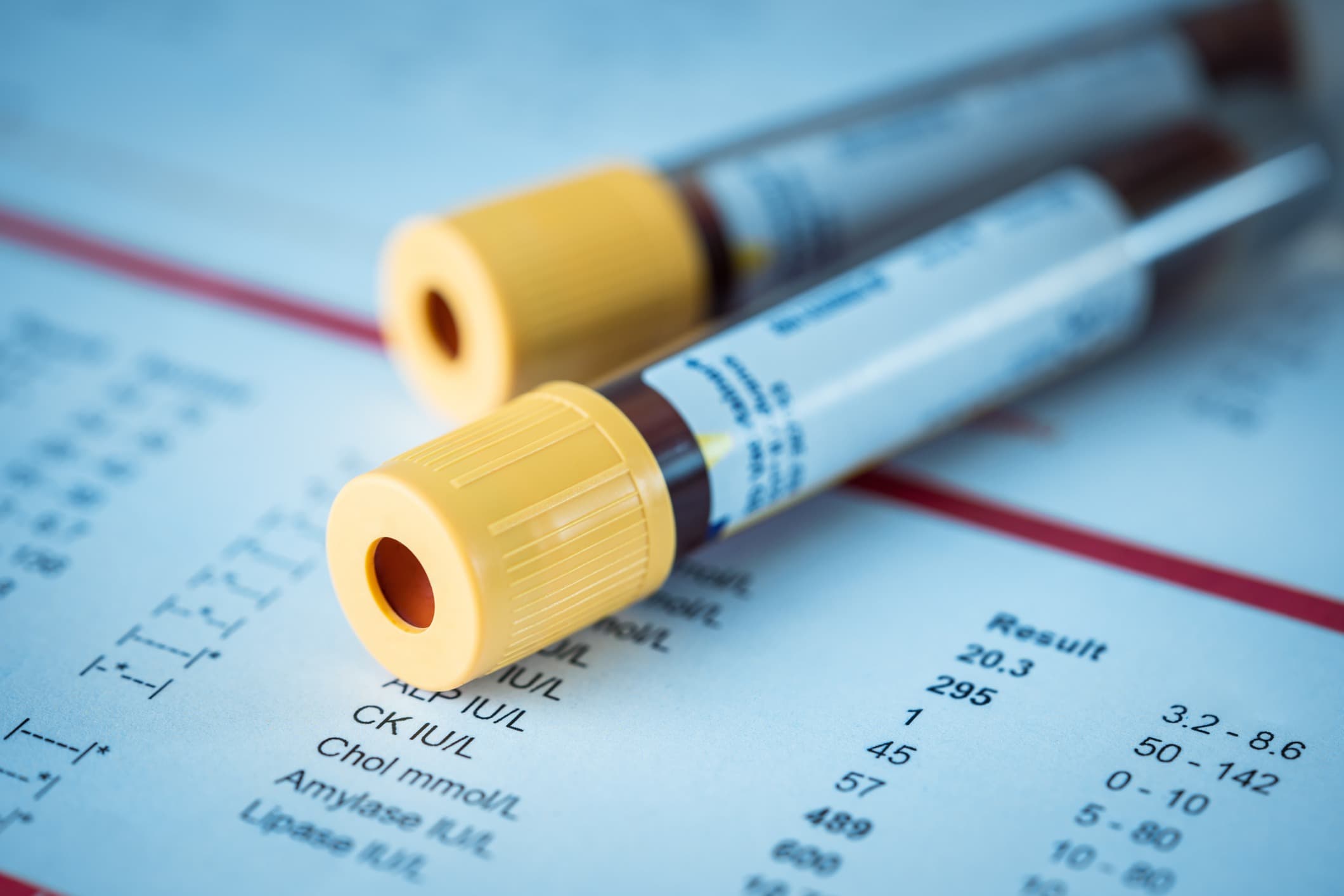
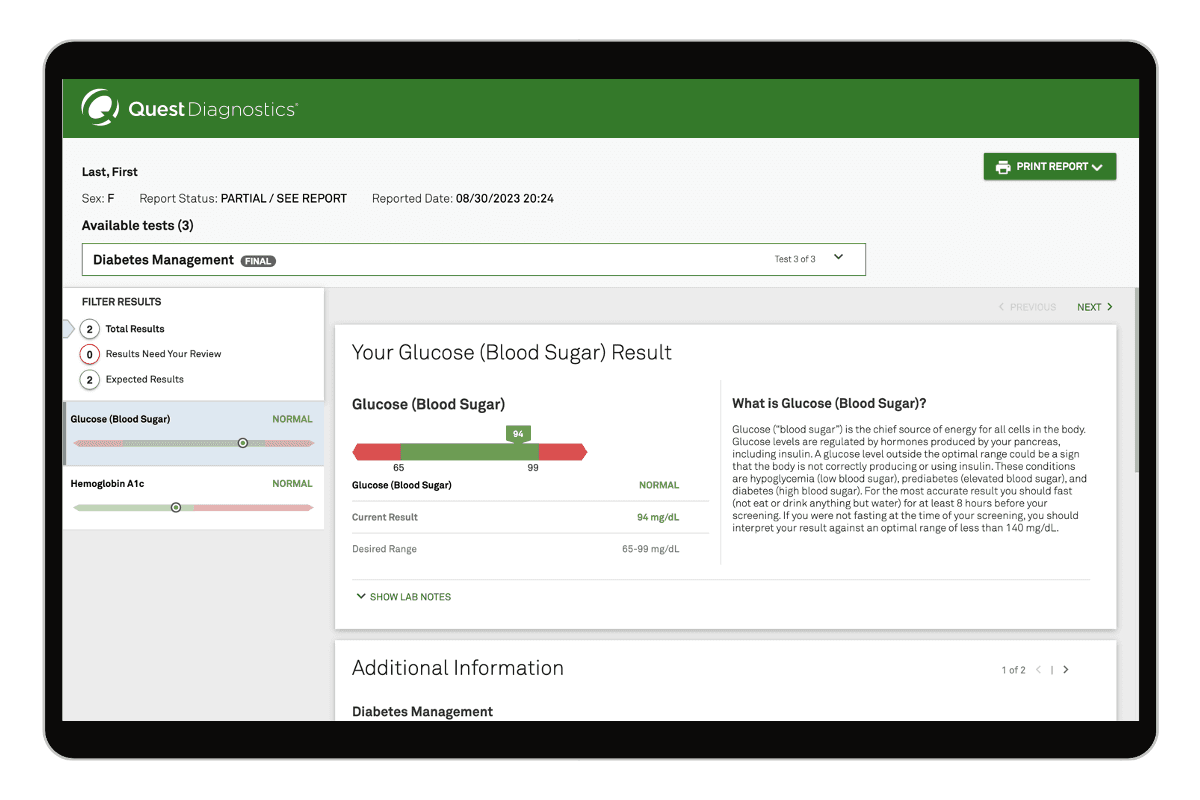
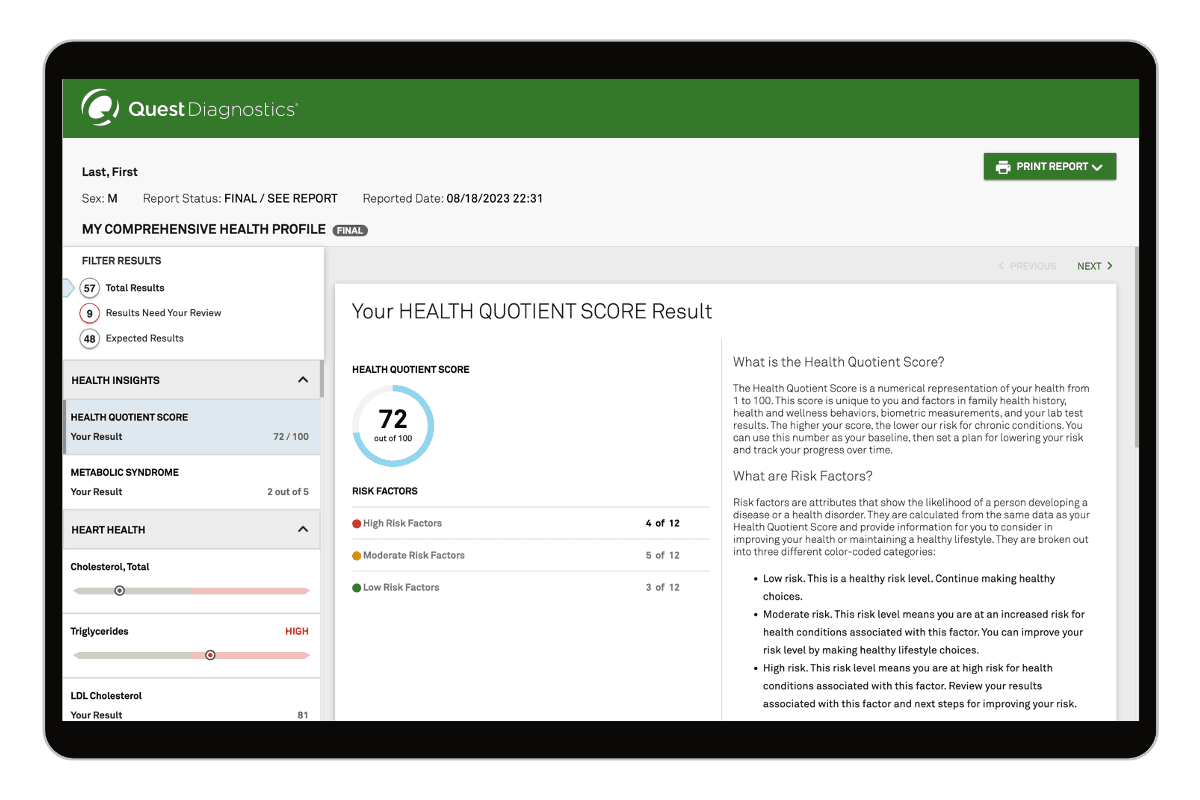
For a healthy 21-year-old woman with depression and goals of better energy and stress control, prioritize a balanced plan: foundational vitals and cholesterol baseline for lifetime heart health; metabolic and thyroid checks that commonly affect energy and mood; age-appropriate cancer and sexual health screening; and targeted lifestyle risk assessment (sleep). Intervals are guideline-based with conditional follow-up if results or risk factors change.
Screening Overview
| Tier | Test | Risk Area | Frequency | Why It Matters |
|---|---|---|---|---|
| Foundational Cardiovascular | Blood Pressure (clinic or validated home monitor) | Hypertension and cardiovascular disease | At least once a year; check at every routine visit, and sooner if readings are ≥120/80, you use hormonal contraception, or have headaches/dizziness. | Nearly 1 in 2 U.S. adults has high blood pressure; controlling it lowers stroke risk by ~35–40% and heart disease by ~20–25%. |
| Cardiovascular Risk | Fasting Lipid Panel (total, LDL, HDL, triglycerides) | Atherosclerotic cardiovascular disease | Get a baseline once in your early 20s; repeat every 4–6 years if normal, sooner with family history, smoking, diabetes, or high BMI. | Atherosclerosis begins in youth; about 1 in 5 young adults has abnormal cholesterol. Early detection helps cut lifetime heart-attack and stroke risk. |
| Metabolic | Hemoglobin A1C | Prediabetes/diabetes and medication-related metabolic risk | If you are overweight, have a family history, gestational diabetes history, or take antipsychotics, test now and every 3 years if normal; otherwise you can defer routine screening until age 35. | About 1 in 3 U.S. adults has prediabetes. Lifestyle changes after early detection can reduce progression to diabetes by ~58%. |
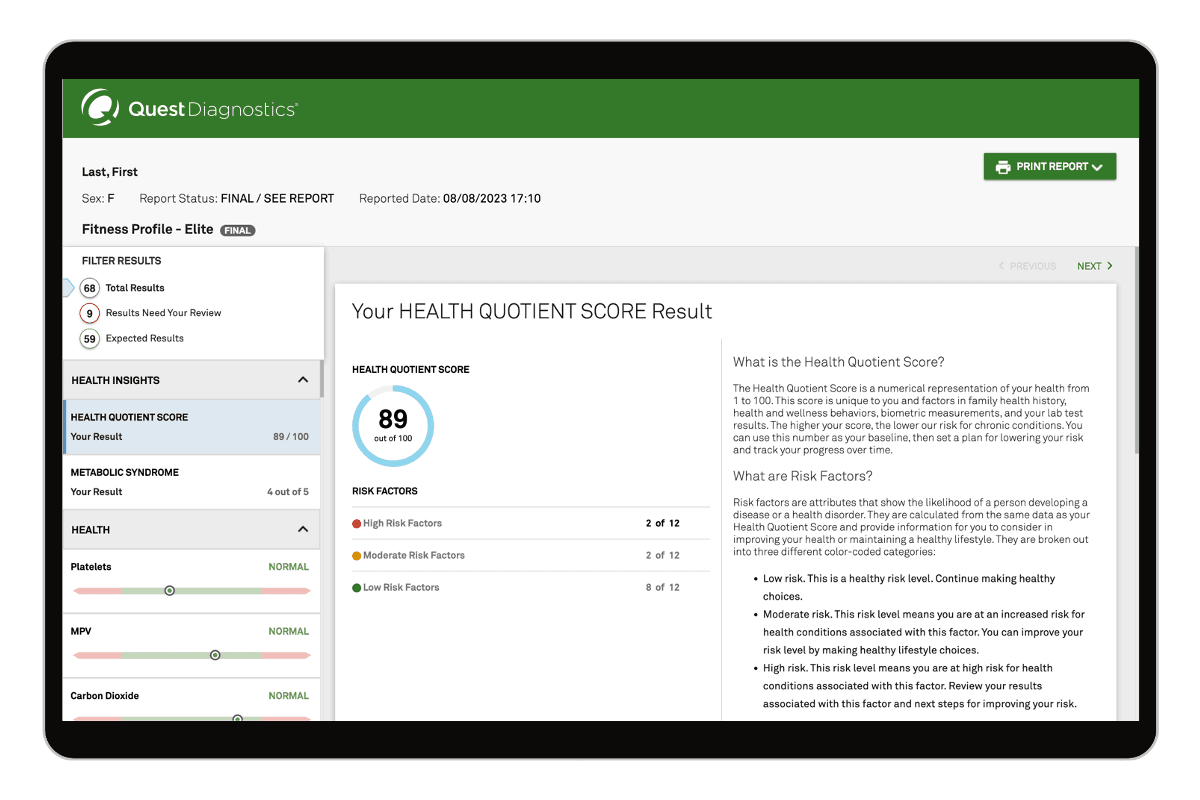
| Organ Function | Comprehensive Metabolic Panel (electrolytes, kidney, liver) | Silent liver or kidney disease; medication monitoring | Obtain a baseline once; then every 1–2 years if on long-term medications, with regular alcohol use, or if symptoms arise. | Nonalcoholic fatty liver disease affects ~25% of adults and early kidney/liver problems are often silent—CMP can catch issues early. |
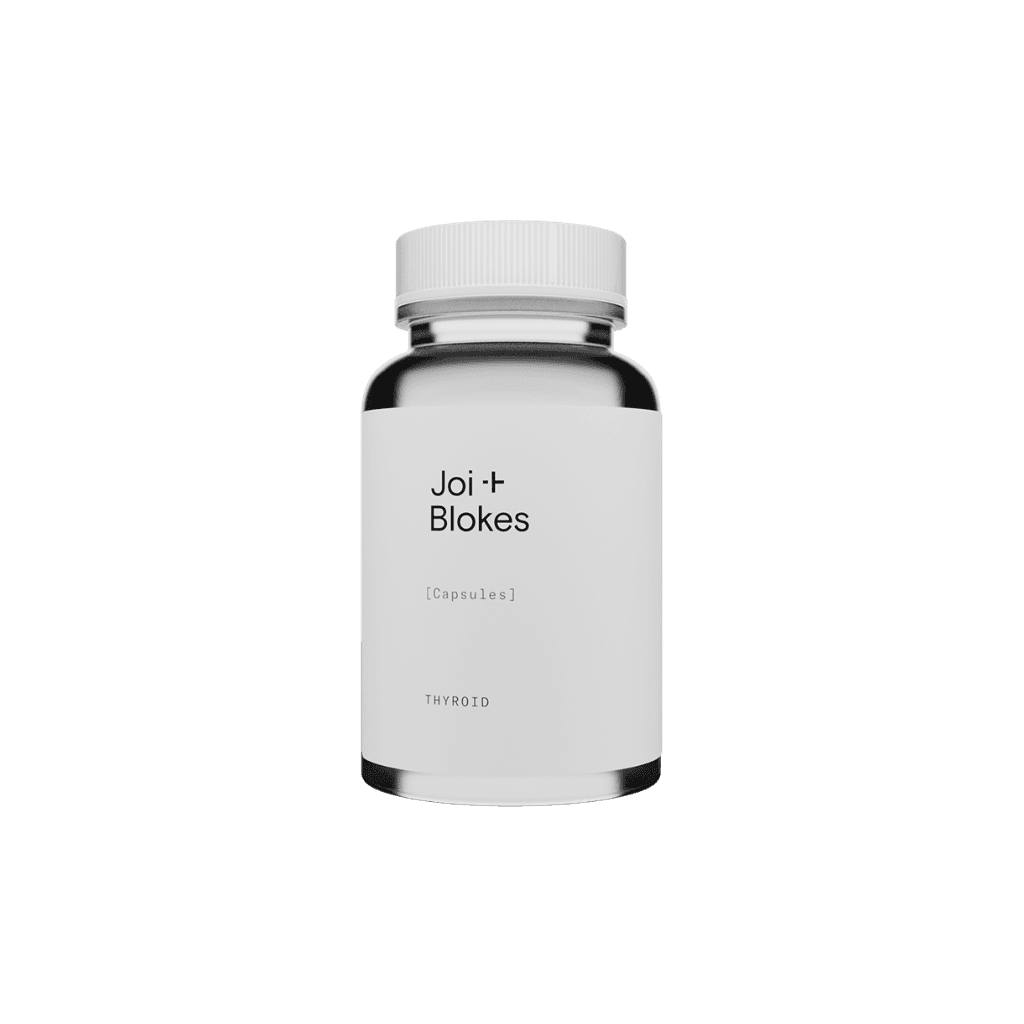
| Endocrine | TSH with reflex Free T4 (thyroid panel) | Hypothyroidism affecting energy, mood, and menstrual cycles | If you have fatigue, low mood, weight or menstrual changes, test now; if normal, recheck every 3–5 years or sooner if symptoms change. | Women are 5–8× more likely to have thyroid disease. Treating hypothyroidism can improve energy, mood, and concentration. |
| Cancer (Women’s Health) | Cervical Cancer Screening (Pap test, cytology alone) | Cervical cancer from persistent high-risk HPV | Every 3 years from ages 21–29 if results are normal. | HPV causes >90% of cervical cancers. Regular Pap testing in young women reduces cervical cancer deaths by up to ~70%. |
| Sexual Health / Infectious Disease | Chlamydia and Gonorrhea NAAT (urine or swab) | STIs leading to pelvic inflammatory disease and infertility | Annually if sexually active and under 25; sooner with new partners or symptoms. | About 1 in 20 sexually active young women has chlamydia each year. Early treatment prevents pelvic inflammatory disease and infertility. |
| Infectious Disease | HIV 1/2 Antigen/Antibody (4th generation) | Undiagnosed HIV infection | Screen at least once between ages 15–65; repeat with new partners, unprotected sex, or other risk exposures. | An estimated 1 in 8 people with HIV are unaware. Early diagnosis plus treatment cuts transmission by ~96% and enables near-normal lifespan. |
| Inflammation / Cardiometabolic | High-sensitivity C-Reactive Protein (hs-CRP) | Residual cardiovascular risk and systemic inflammation | Not routine at age 21; consider a one-time test if you have strong family history of early heart disease, autoimmune disease, or borderline cholesterol; repeat only if risk changes. | Elevated hs-CRP (>2 mg/L) is linked to higher future heart attack and stroke risk, even when cholesterol is normal. |
| Lifestyle Risk | Sleep Apnea Screening (STOP-Bang or Epworth questionnaire) | Obstructive sleep apnea affecting energy, mood, and cardiometabolic health | Complete a screening questionnaire now if you snore, have witnessed apneas, or daytime sleepiness; re-screen with weight gain, new snoring, or persistent fatigue. | OSA affects ~3–7% of women, with up to 80% undiagnosed. Treating OSA improves daytime energy, mood, and blood pressure. |
Recommended Products














Nutrition & Dietary Focus
21-year-old female with depression aiming to boost energy and manage stress. Prioritize a Mediterranean-style eating pattern, EPA-focused omega-3s, vitamin D sufficiency (northern latitude), B vitamins and iron adequacy, magnesium for calm/sleep, stable blood sugar habits, and gut-brain support. Coordinate any new supplements with a clinician, especially if taking medications or if iron status is unknown.
Recommendations
Mental Health Nutrition
Adopt a Mediterranean-style pattern: vegetables/fruit (≥5 servings/day), legumes and whole grains daily, nuts/seeds (a small handful most days), extra-virgin olive oil as the primary fat, and limit ultra-processed foods and added sugars. Aim for 3 structured meals and 1 protein-rich snack to avoid long fasting gaps.
Omega-3s for Mood
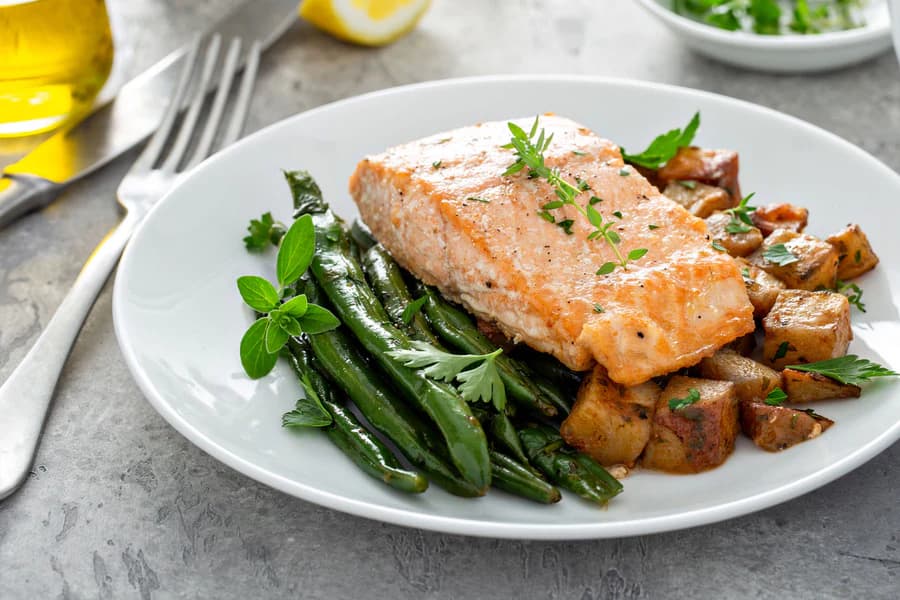
Eat oily fish 2 times/week (e.g., salmon, sardines, mackerel). If intake is low, consider an EPA-focused omega-3 providing about 1–2 g EPA per day with a meal; check with your clinician if you use blood thinners.
Vitamin D (Northern Latitude)
Ask your clinician to check 25(OH)D. In fall–spring in upstate New York, consider 1,000–2,000 IU vitamin D3 daily with a fat-containing meal, and include food sources (fatty fish, fortified dairy/plant milks, egg yolks). Recheck levels in 8–12 weeks if supplementing.
B Vitamins (Folate & B12)
Emphasize folate-rich foods (leafy greens, beans, lentils, avocado) and B12 sources (eggs, dairy, fish, fortified foods). If intake is limited (e.g., vegetarian/vegan), discuss a low-dose B-complex or L‑methylfolate with your clinician.
Iron Status for Energy
Include iron-rich foods (lean red meat 1–2×/week if desired; or lentils, tofu, pumpkin seeds, spinach) and pair plant sources with vitamin C foods. Avoid tea/coffee with iron-rich meals. Do not start an iron supplement without a ferritin/hemoglobin test—ask your clinician if you have heavy periods or persistent fatigue.
Stress/Sleep Support
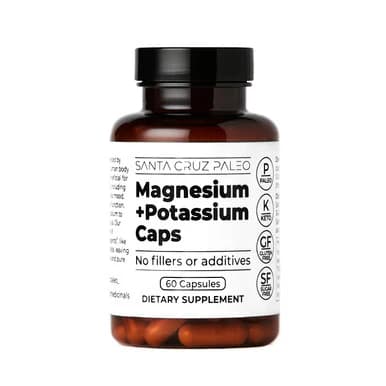
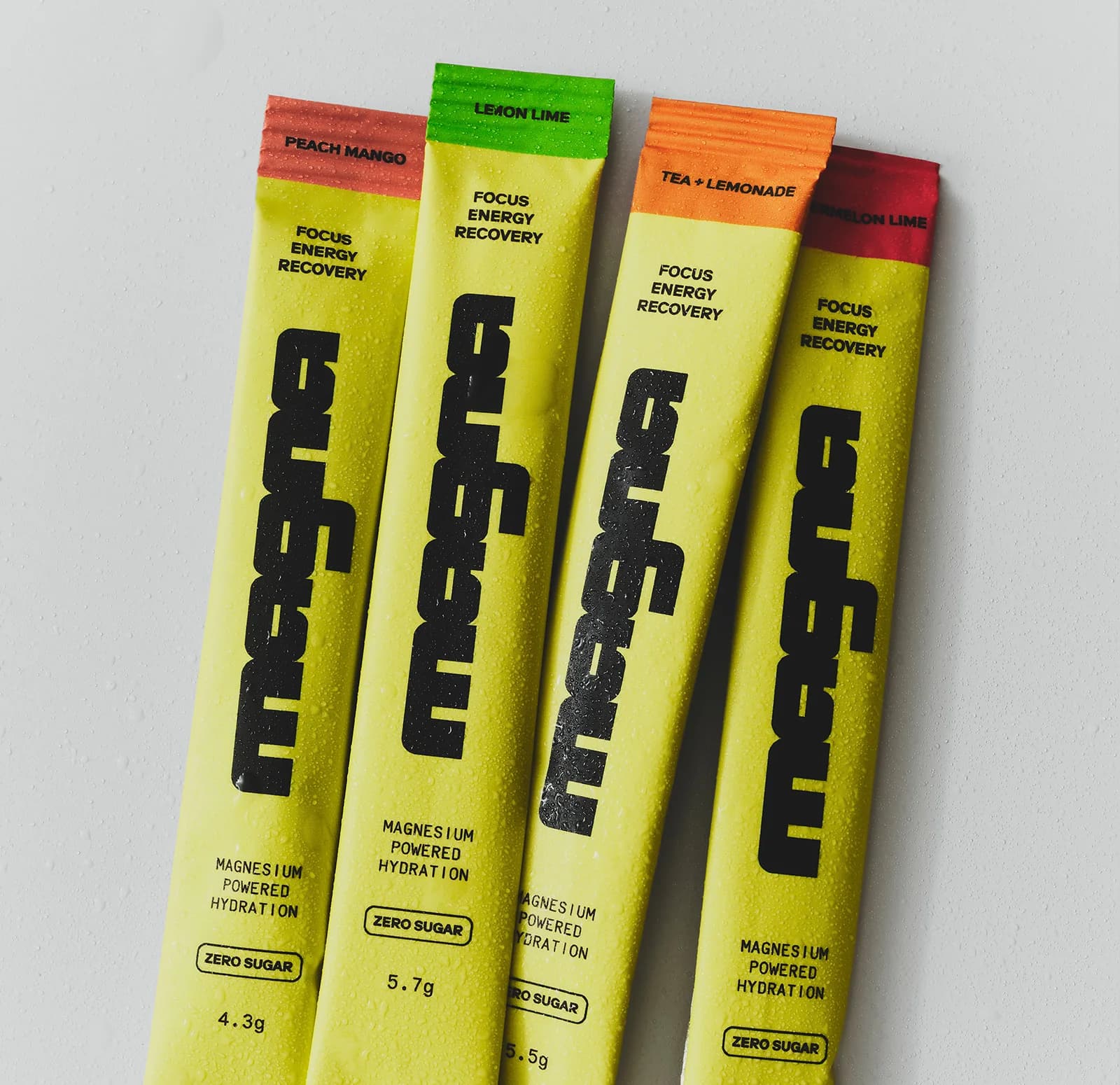
Prioritize magnesium-rich foods (pumpkin seeds, almonds, beans, leafy greens). Consider magnesium glycinate 200–400 mg in the evening if diet is low (avoid if kidney disease). Create a calming evening snack if hungry (e.g., yogurt with oats and banana) and avoid heavy meals within 2–3 hours of bedtime.
Stable Energy & Blood Sugar
At each meal, target 20–30 g protein, high-fiber carbs (8–10 g fiber/meal), and healthy fats. Start the day with a protein-rich breakfast. Keep snacks balanced (e.g., apple + nut butter, Greek yogurt + berries). Keep caffeine to ≤200 mg and before noon; hydrate with water or herbal tea.
Gut–Brain Support
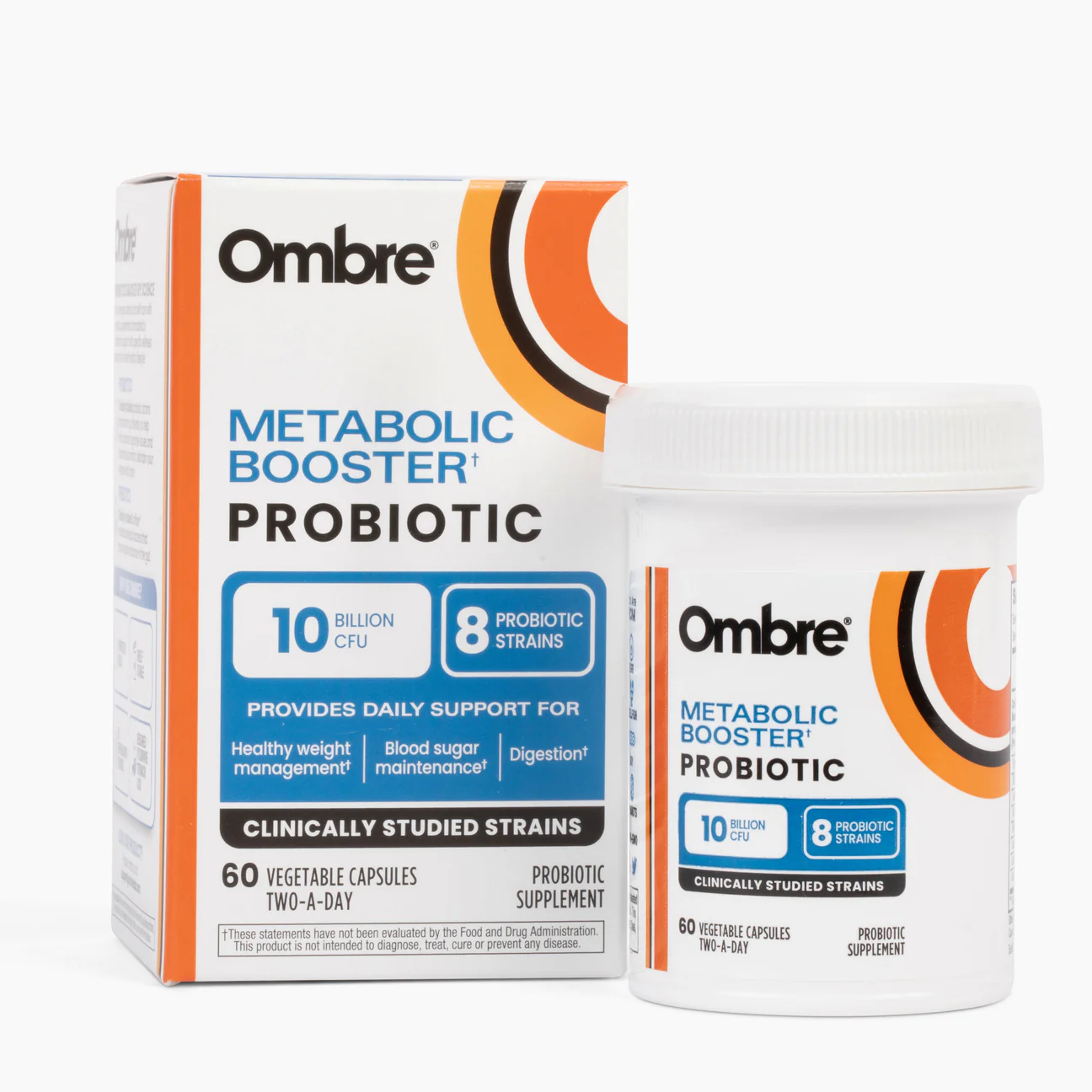
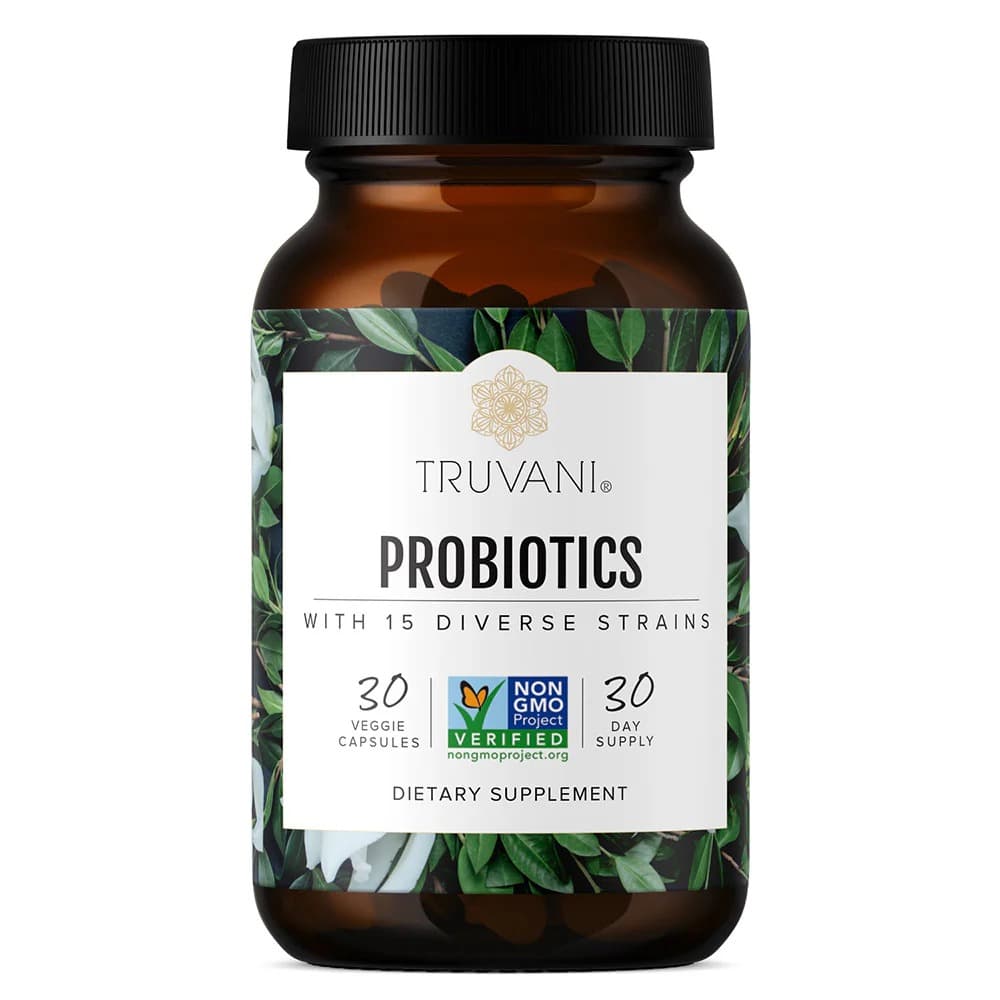
Aim for 25–35 g fiber/day and include 1–2 daily servings of fermented foods (yogurt/kefir, kimchi, sauerkraut). Consider a multi-strain probiotic trial for 8–12 weeks if tolerated.
Recommended Products
















Supplement Strategy
For a 21-year-old woman in Hamilton, NY with depression seeking better energy and stress control, emphasize: vitamin D3 for low-sun latitude, EPA-dominant omega-3s and creatine to support mood and cellular energy, magnesium glycinate, L-theanine, and rhodiola for stress resilience, plus a methylated B-complex and a targeted probiotic for gut–brain support. Avoid serotonergic herbs if using antidepressants; these selections are generally safe and evidence-based for your age and goals.
Supplement Recommendations
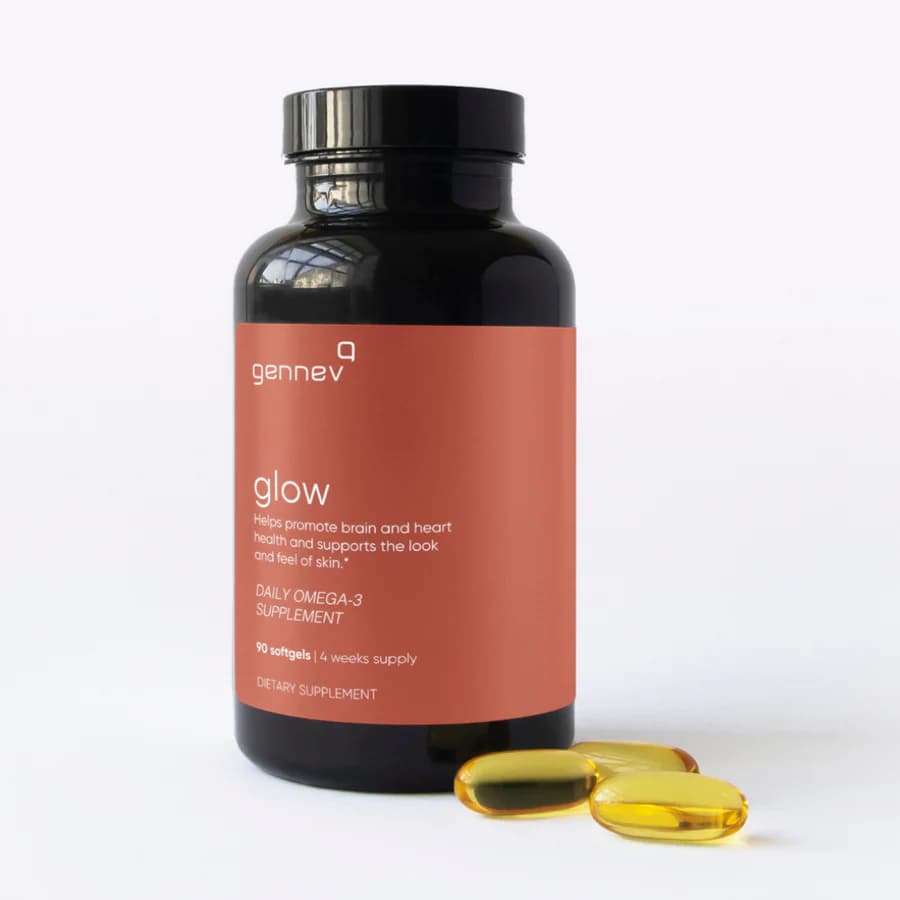
Omega-3 (EPA-dominant fish oil)
•Mood Support1–2 g/day total EPA+DHA with at least ~1 g/day EPA; triglyceride or re-esterified TG form; take with meals
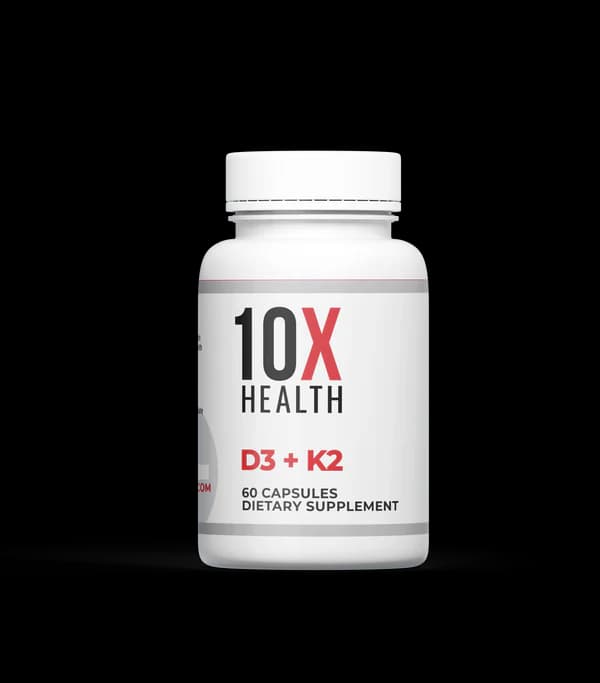
Vitamin D3
•General Health & Mood1,000–2,000 IU daily with a fat-containing meal (lean toward the higher end in fall/winter at NY latitude); adjust to keep 25(OH)D ~30–50 ng/mL
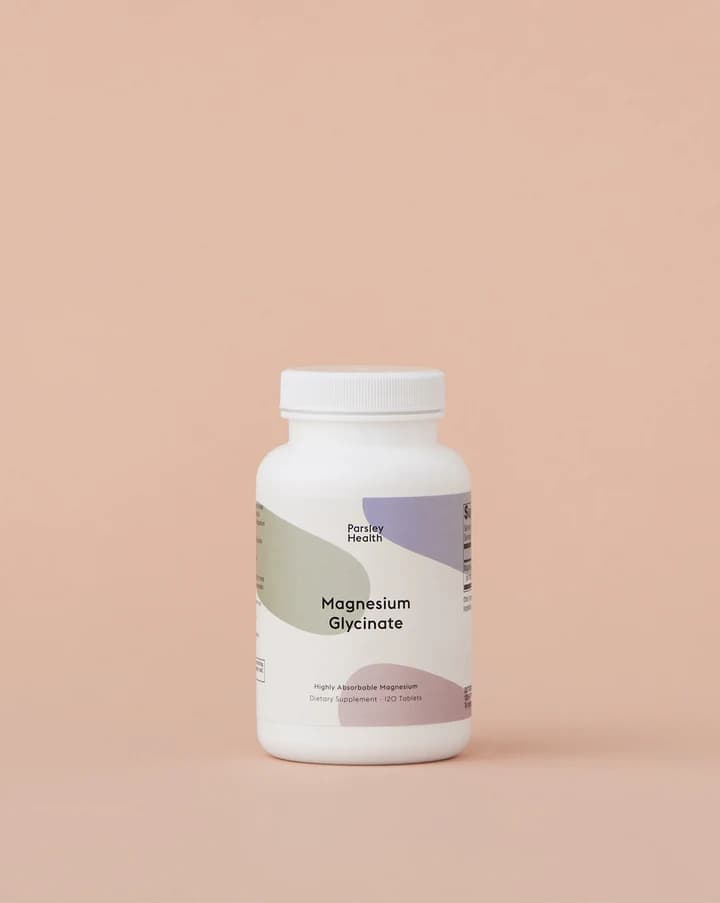
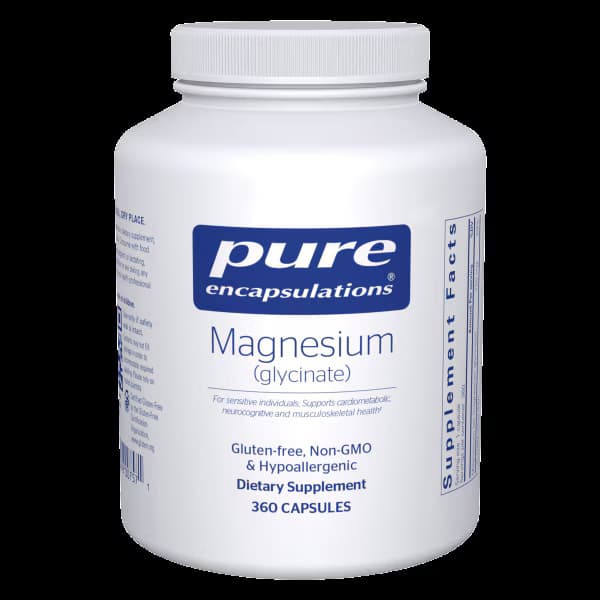
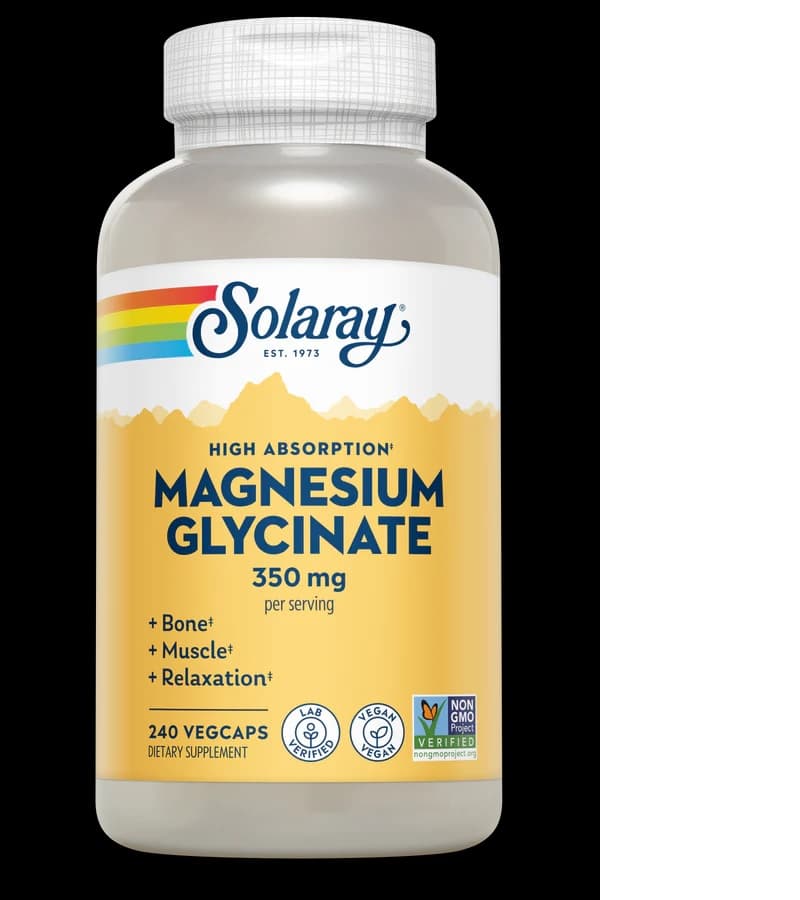
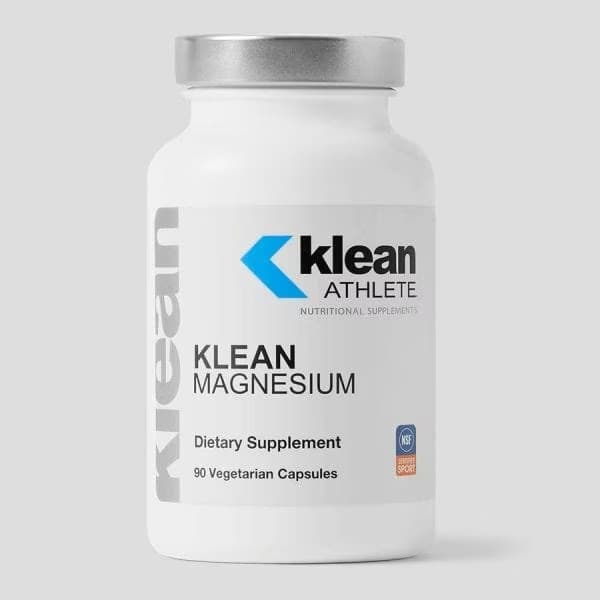
Magnesium (glycinate or bisglycinate)
•Stress, Sleep & Recovery200–350 mg elemental magnesium in the evening; divided if sensitive
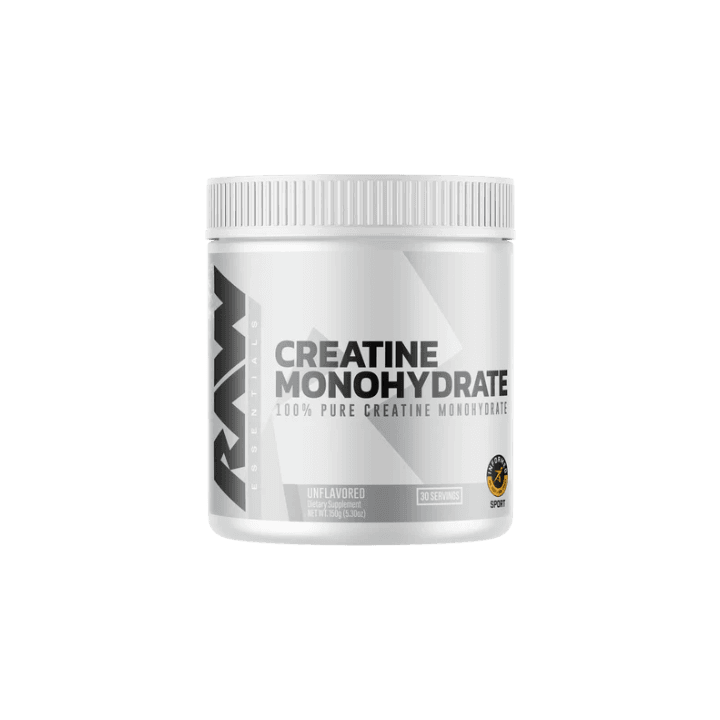
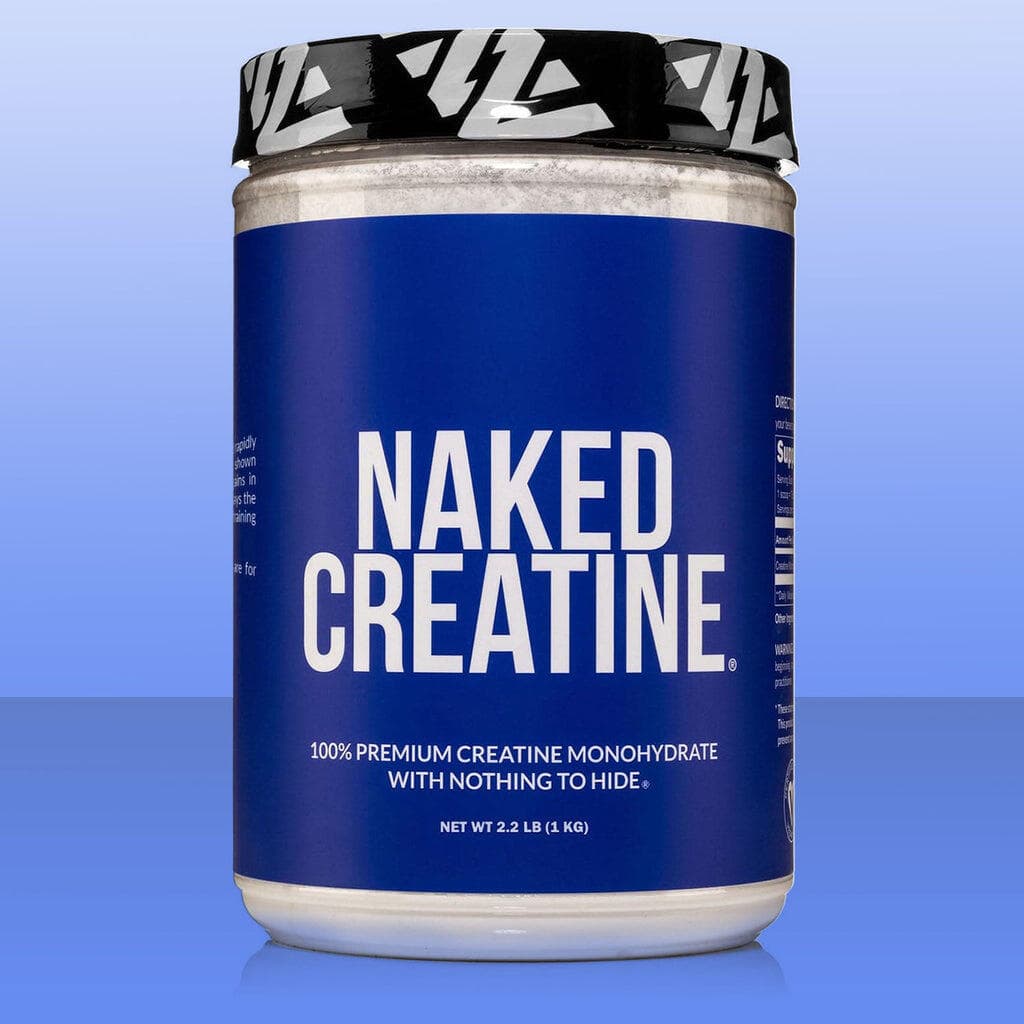
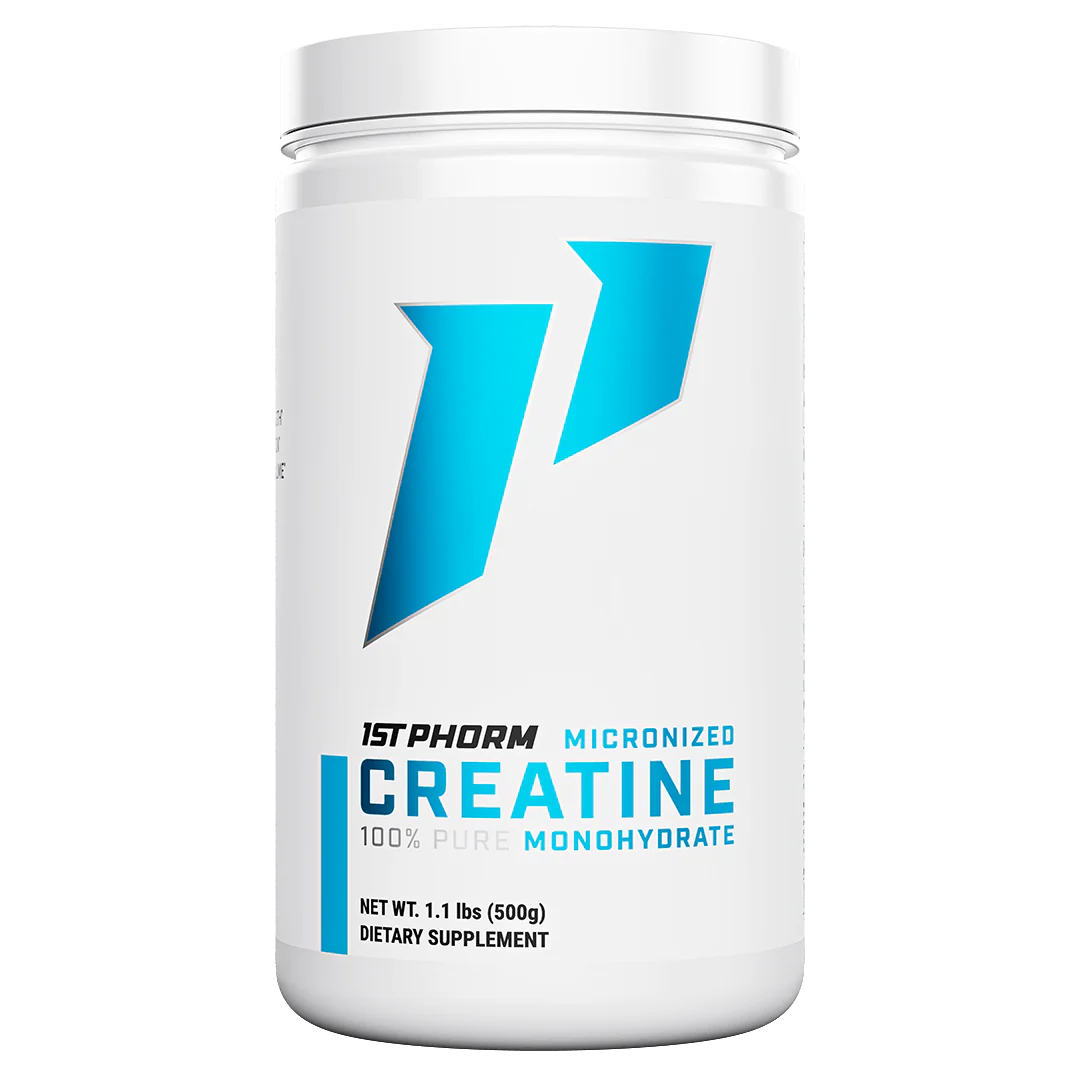
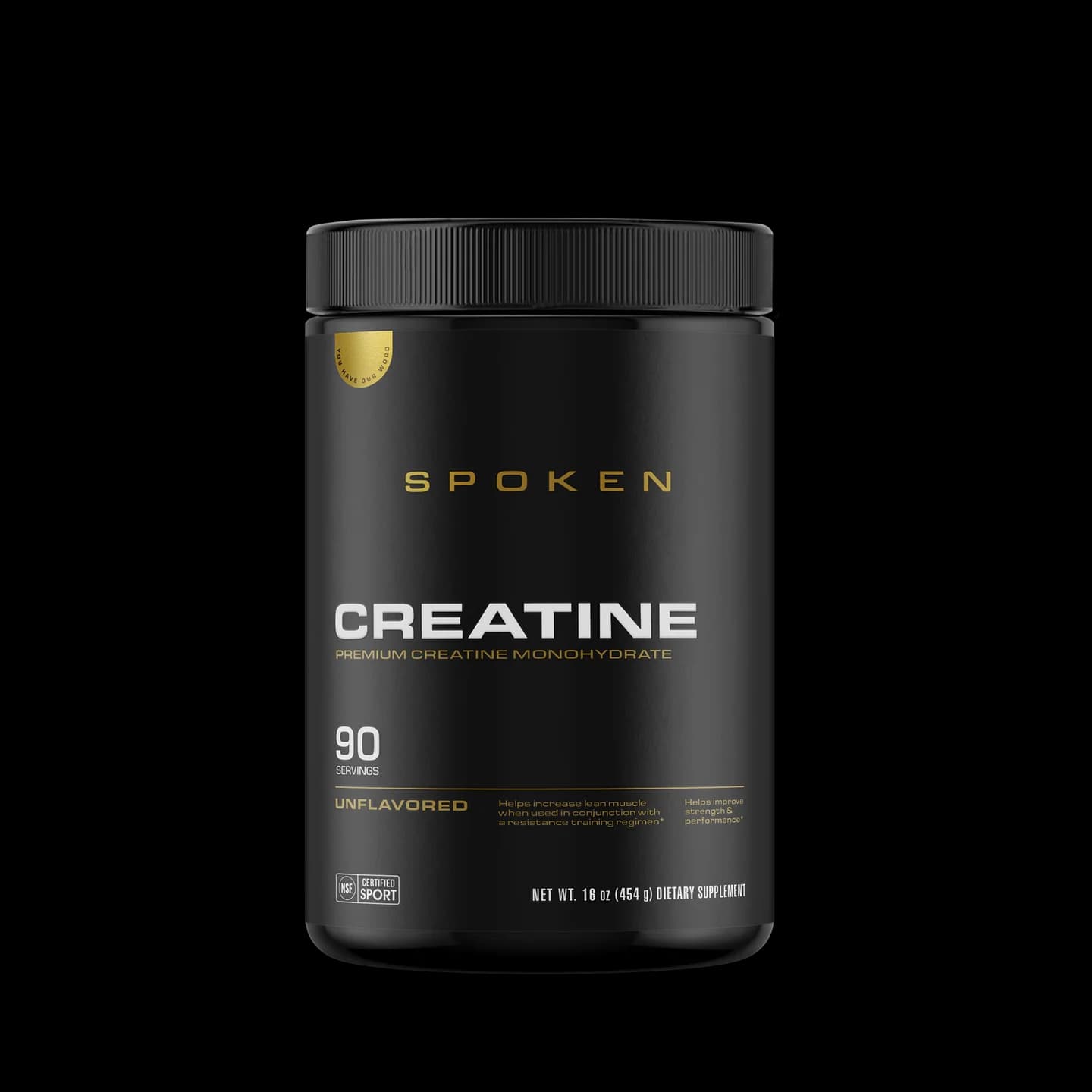
Creatine monohydrate
•Energy & Cognitive/Mood Support3–5 g daily (no loading needed), powder or capsules; stay well hydrated
Rhodiola rosea (standardized)
•Stress Resilience & Fatigue200–400 mg standardized to ~3% rosavins and ~1% salidroside, taken in the morning
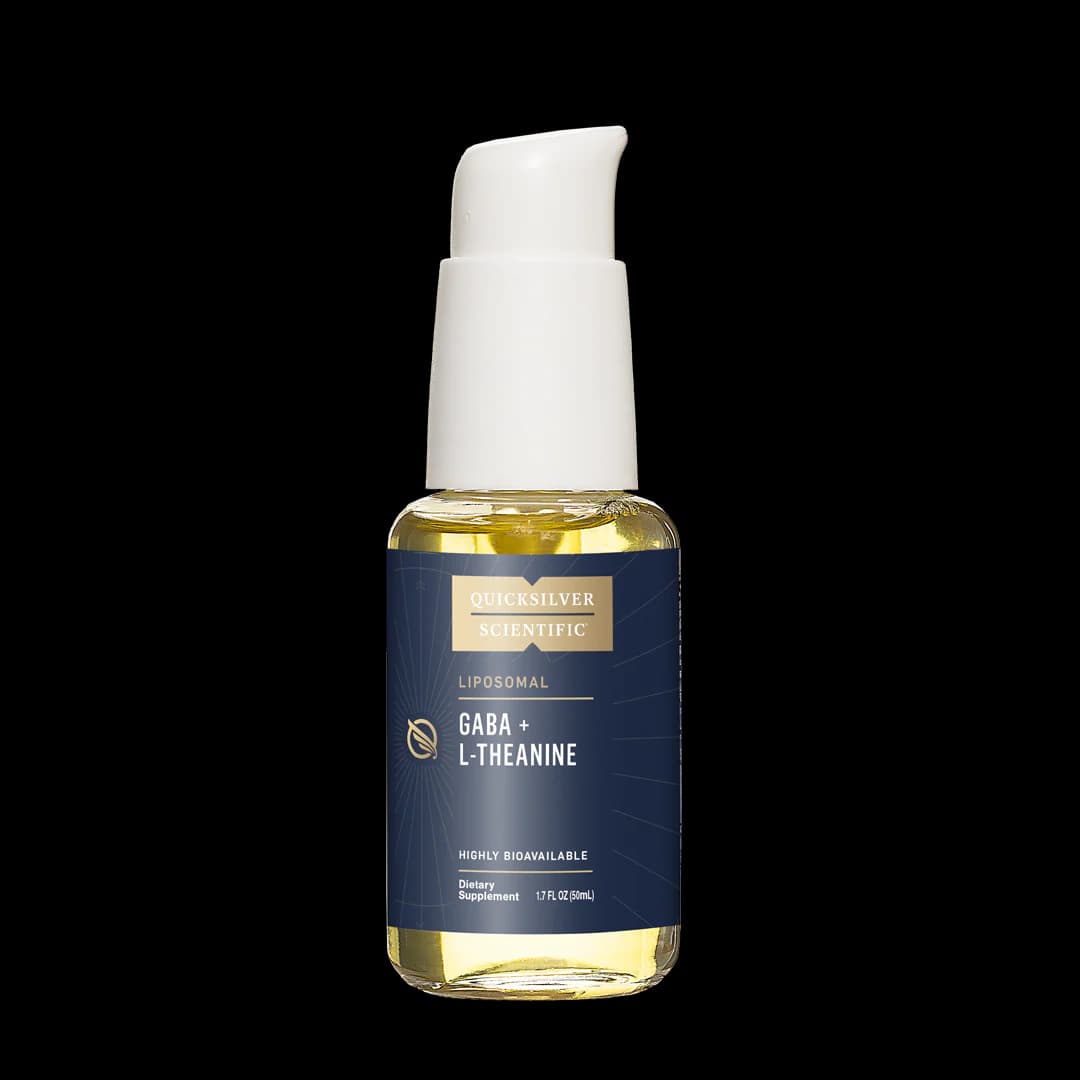
L-theanine
•Calm Focus100–200 mg once or twice daily, or 30–60 minutes before stressful tasks
B-Complex with methylfolate and B12 (methylcobalamin)
•Energy Metabolism & Neurotransmitter SupportOnce daily providing ~400 mcg 5-MTHF, 500–1,000 mcg B12, and B6 in a moderate range (≈10–20 mg)
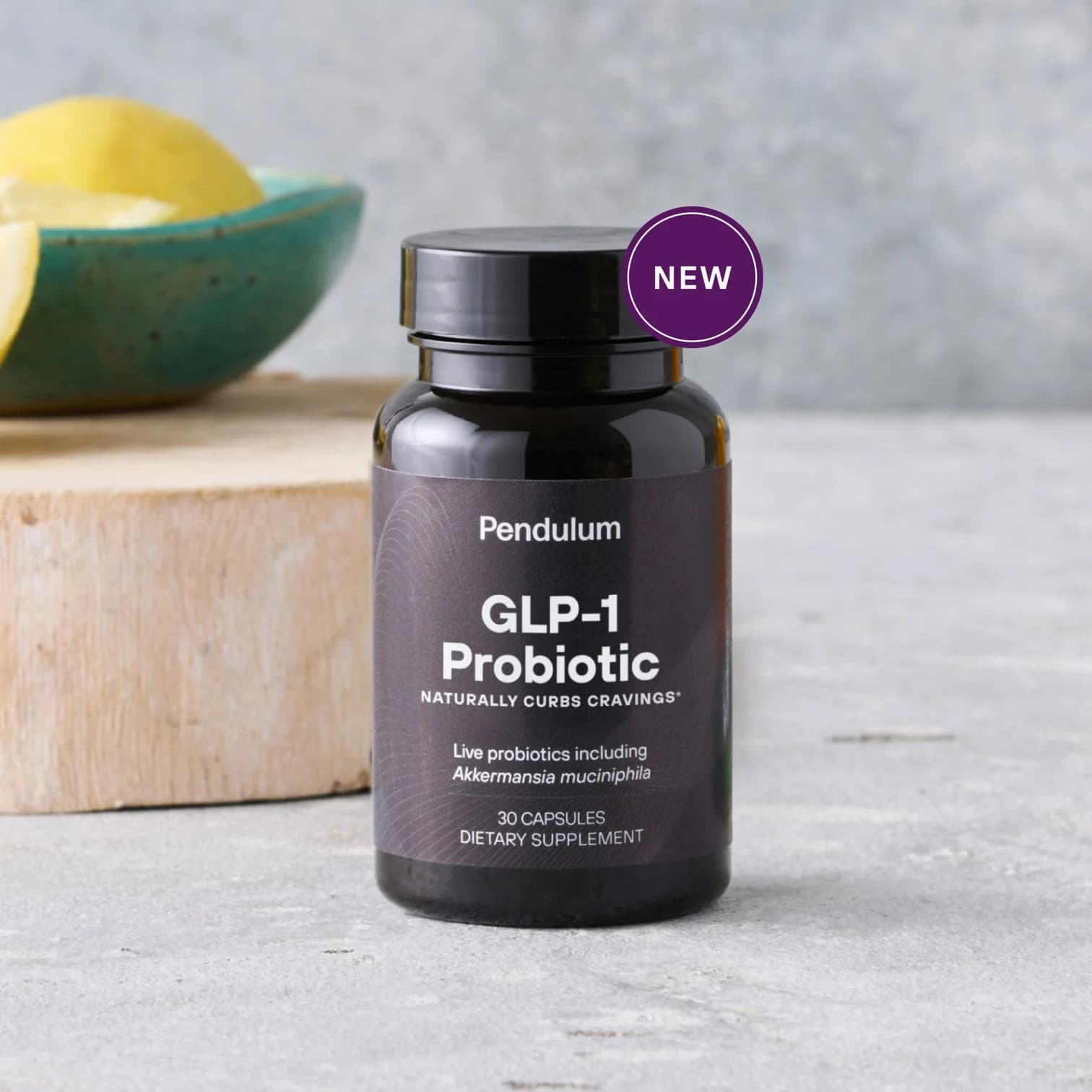
Probiotic (e.g., L. helveticus R0052 + B. longum R0175 or similar)
•Gut–Brain Axis & Stress3–10 billion CFU daily with or without food
Recommended Products















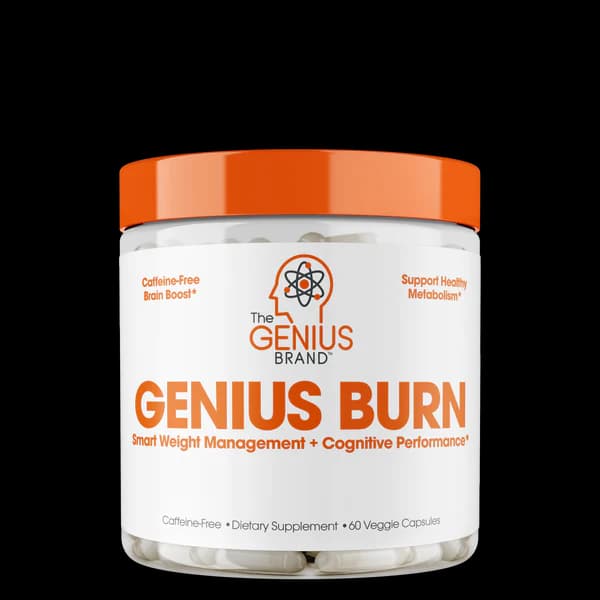

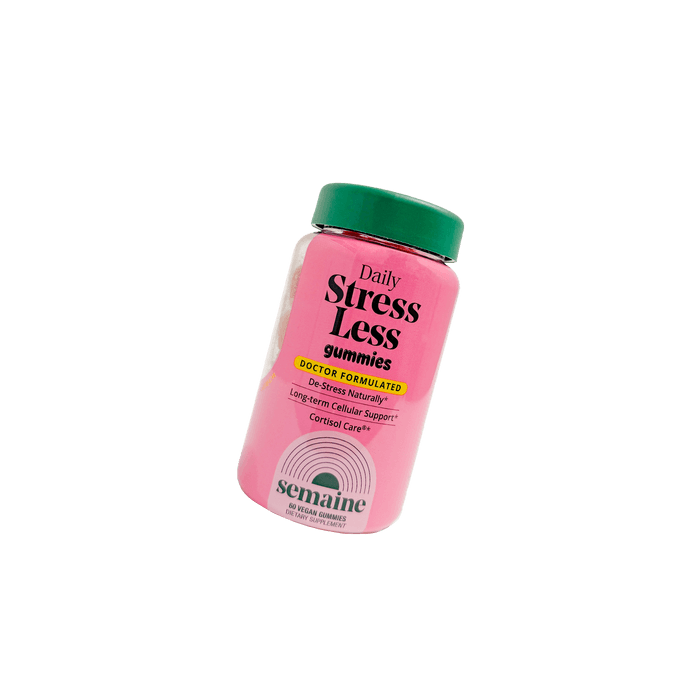




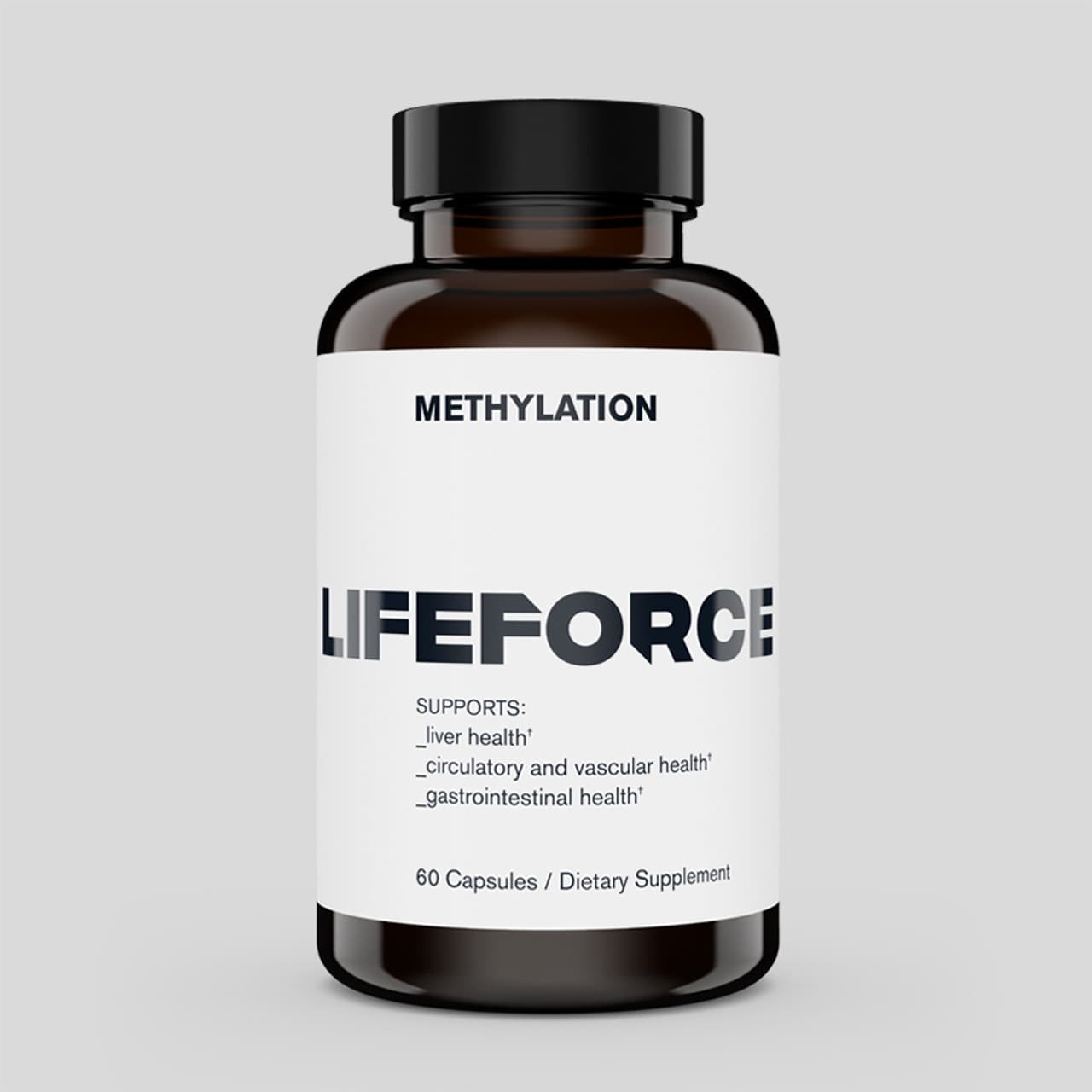

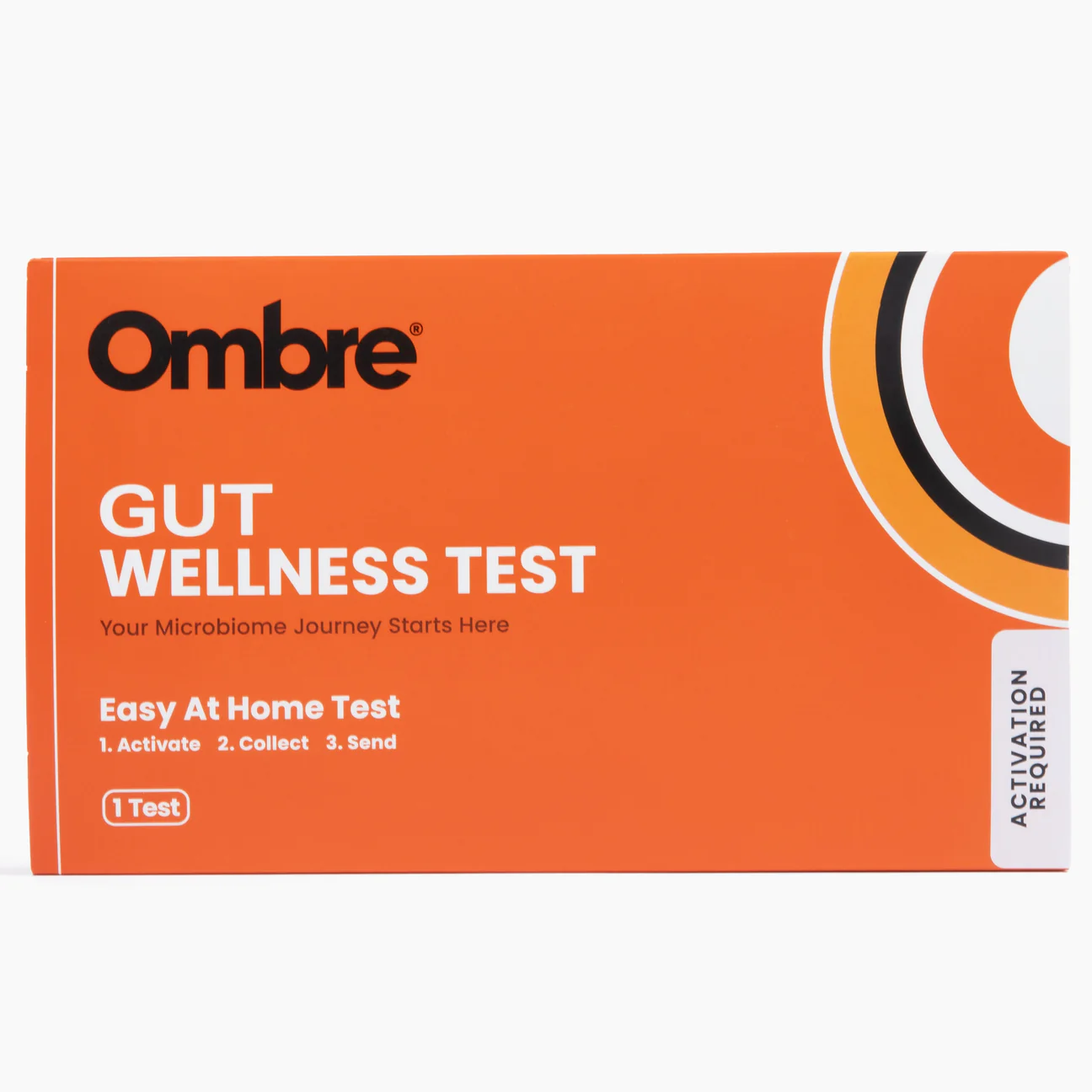
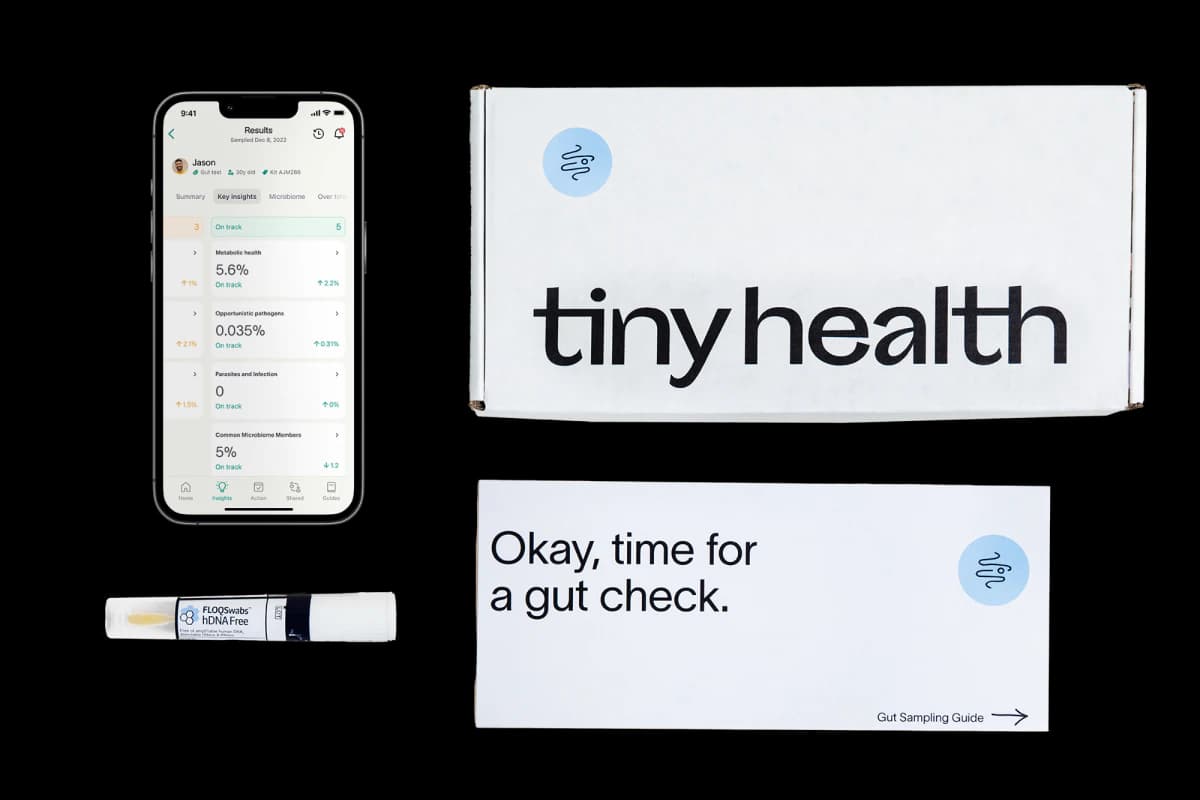
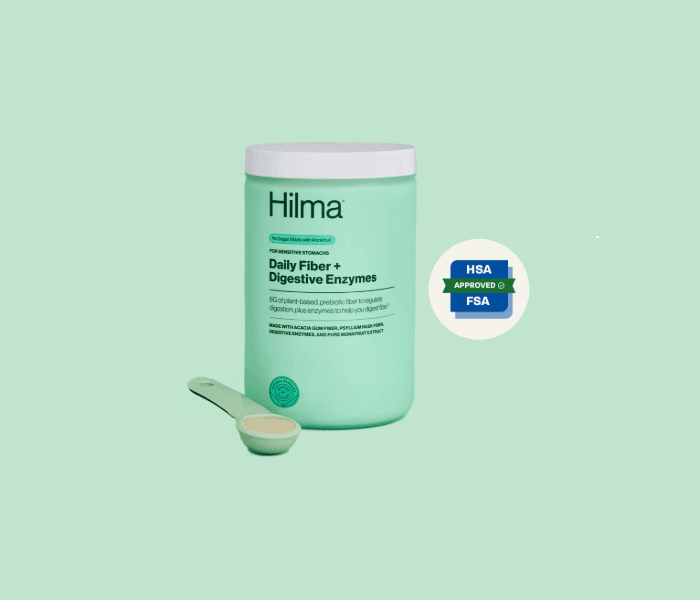
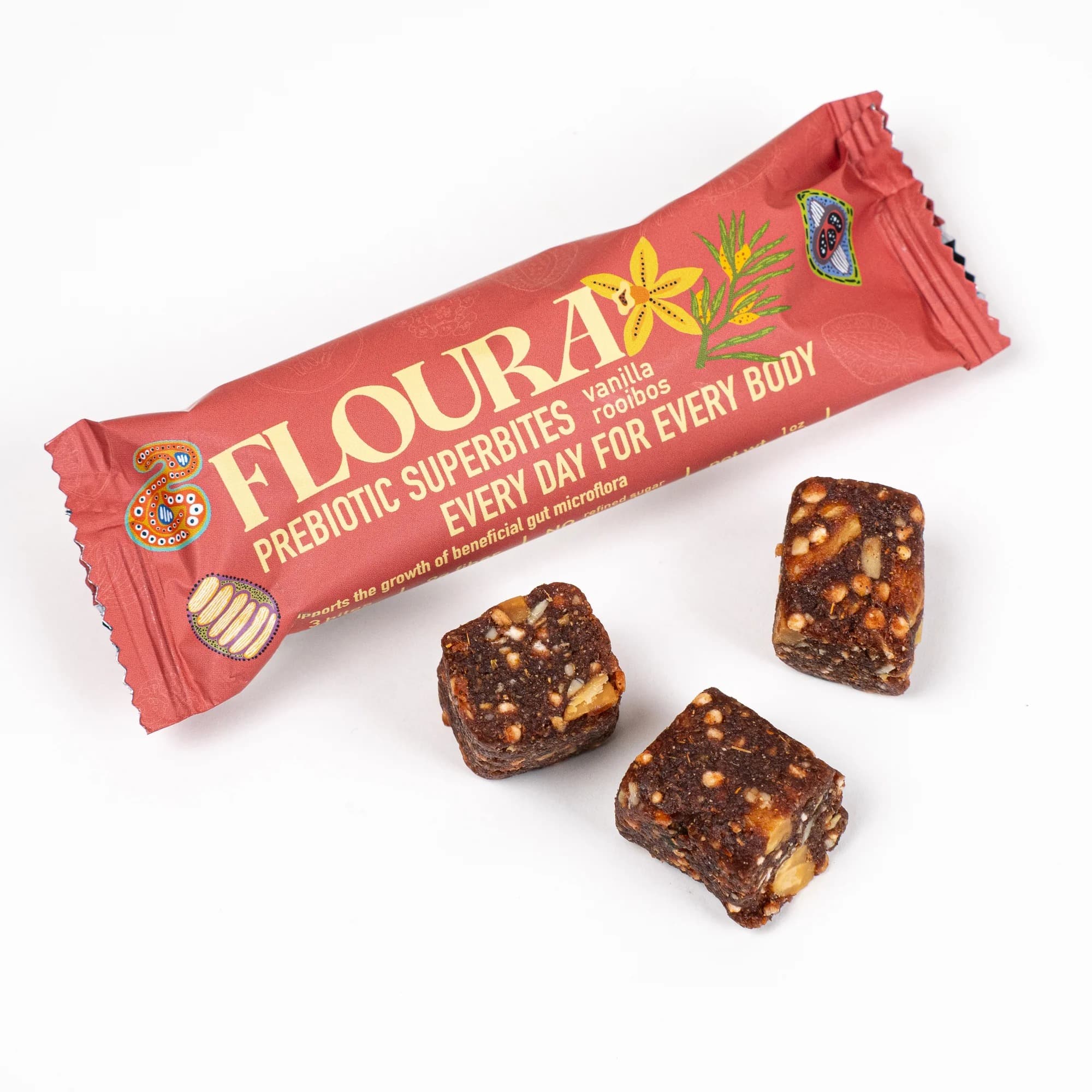
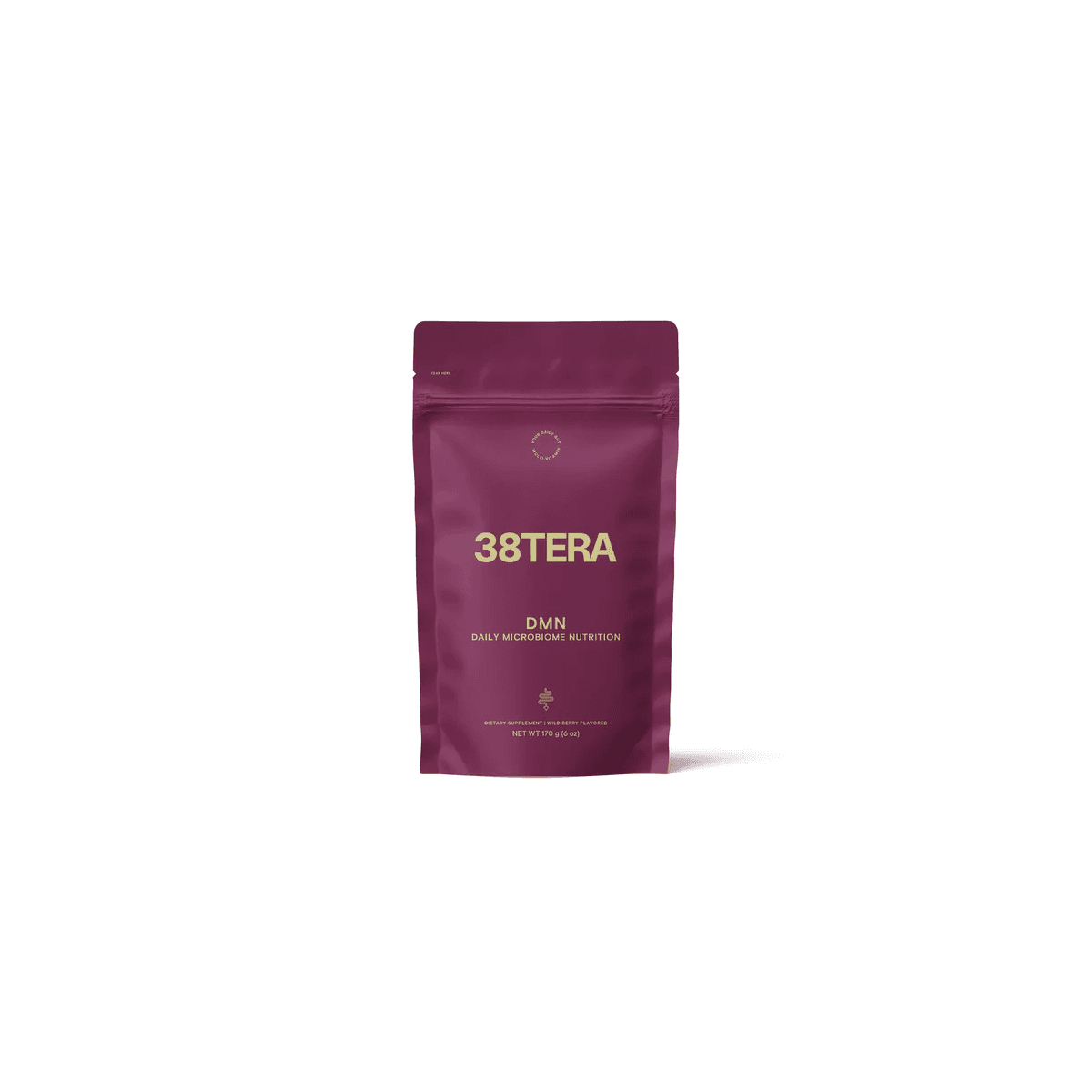
Gut Health & Microbiome
For a 21-year-old woman aiming for better energy and stress management alongside depression, prioritize gut–brain axis calming, diverse plant fibers, daily fermented foods, steady circadian rhythm, anti-inflammatory gut-supportive foods, and gentle motility habits. These choices can increase SCFAs, improve digestion, and support mood signaling between the gut and brain.
Recommendations
Microbiome Diversity
Aim for ~30 different plant foods per week with emphasis on prebiotics (onion, garlic, leeks, asparagus, green bananas) and resistant starch (cooled oats, potatoes, rice). Use frozen produce to keep variety high during Hamilton winters.
Fermented Foods
Include 1–2 daily servings of live-culture foods (yogurt or kefir if tolerated; sauerkraut/kimchi, miso, tempeh, kombucha). Start with small portions and increase as tolerated.
Gut–Brain Axis (Stress → Digestion)
Before two meals daily, do 3–5 minutes of slow diaphragmatic or box breathing and eat mindfully (phone down, slow chewing). Add a 10-minute relaxed walk after meals when possible.
Sleep & Circadian–Gut Rhythm
Keep a consistent sleep window and get outdoor morning light within 60 minutes of waking (even on cloudy Upstate NY days). Finish your last meal 2–3 hours before bed.
Anti-Inflammation & Barrier Support
Most days, add 2 Tbsp ground flax or chia; aim for 2–3 servings/week of fatty fish or choose algae-based omega-3 if not eating fish; include polyphenol-rich plants (berries, cocoa, purple cabbage) with fiber-rich meals.
Digestive Function & Motility
Space meals 3–4 hours apart to allow the migrating motor complex; consider a gentle 12-hour overnight fast; chew each bite thoroughly. If constipation-prone (common premenstrually), try 2 kiwifruit daily and increase water with fiber intake.
Targeted Probiotic Trial & Tracking
Trial a probiotic for 4–8 weeks that includes strains studied for mood support (e.g., Lactobacillus helveticus R0052 + Bifidobacterium longum R0175, B. longum 1714, or L. rhamnosus HN001). Start low, increase as tolerated, and track mood, stress, energy, and bowel habits weekly.
Recommended Products
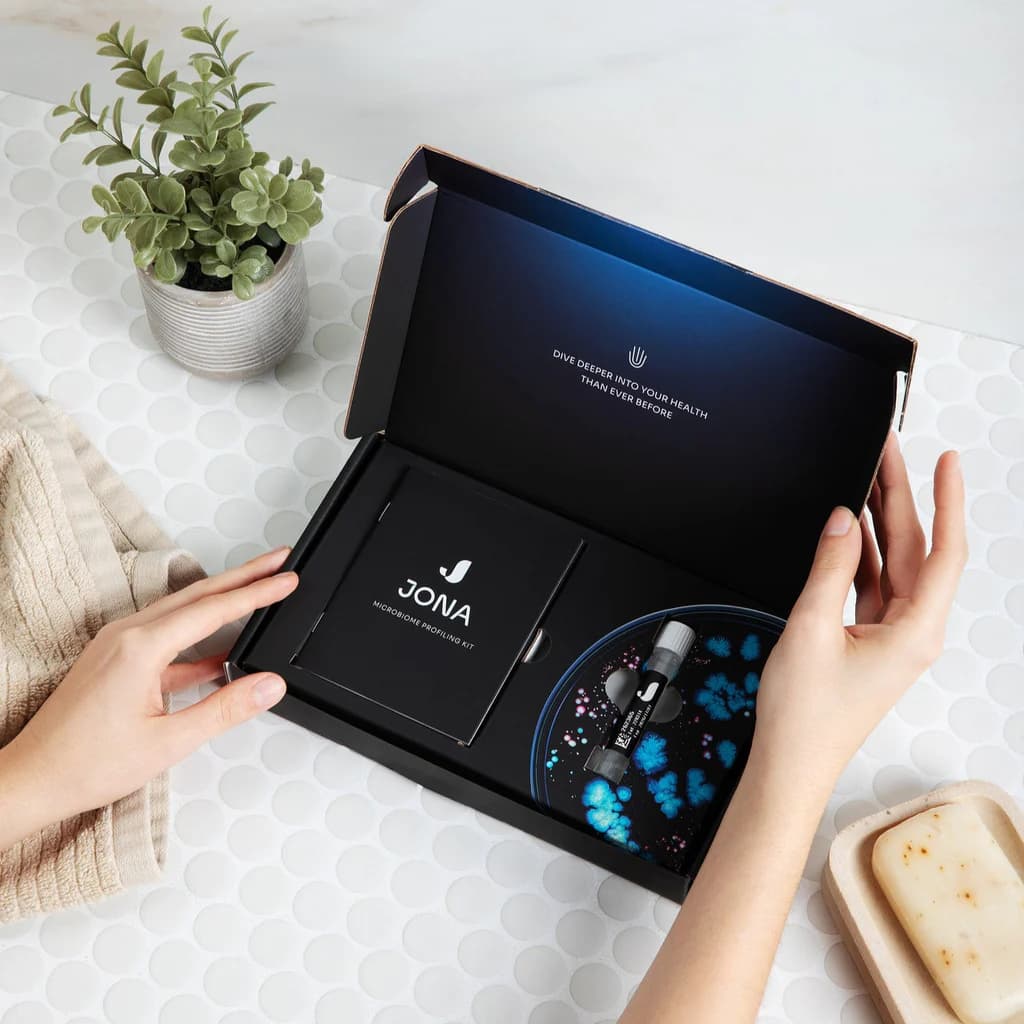














Energy
Boost energy by anchoring your body clock, fueling consistently, and using brief activity and stress resets. In Hamilton, NY’s shorter daylight months, prioritize morning light and regular movement to lift daytime alertness and mood while managing depression.
Recommendations
Circadian anchor & morning light
Keep a consistent sleep–wake window (aim 7.5–9 hours). Wake at the same time daily and get 20–30 minutes of outdoor light within 1 hour of waking; in darker months, consider a 10,000‑lux light box on waking (check with a clinician first if you have eye disease or bipolar disorder).
Energy nutrition & hydration
Eat within 60 minutes of waking with 20–30 g protein plus complex carbs; include iron- and B12-rich foods (lean meats, beans/lentils, eggs, fortified cereals) and pair plant iron with vitamin C. Drink ~2–3 liters of fluids daily and cap caffeine to 1–2 cups before 2 pm.
Move to create energy
Do 10–20 minutes of brisk walking or light cardio most mornings, add two short strength sessions weekly, and use 2–3 minute “movement snacks” (stairs, squats, brisk walk) every 60–90 minutes during study days.
Stress resets & behavioral activation
Use a 5‑minute starter rule to begin tasks, schedule 1–2 enjoyable activities weekly, and practice 2–4 minutes of paced breathing (box breathing or 4‑7‑8) 2–3 times daily; consider a mindfulness app for 5–10 minutes.
Health check & care coordination
If fatigue persists after 2–4 weeks, ask your clinician about ferritin/iron panel, B12, vitamin D, and TSH, and review any medications for sedation; connect with campus counseling/primary care for depression support.
Recommended Products





























Stress Management
For a 21-year-old woman managing stress alongside depression, center your week on steady sleep, brief daily calming practices, gentle movement, and supportive connections. Keep caffeine/alcohol in check, use simple CBT tools to curb rumination, and consider local counseling resources in Hamilton, NY to reinforce skills and energy.
Recommendations
Sleep and daily rhythm
Keep a consistent sleep window (aim 7.5–9 hours) with the same wake time daily, a 60-minute wind‑down (dim lights, screens off), and 10–15 minutes of morning daylight exposure—even on cloudy NY days.
Calming breath and mindfulness
Do 5–10 minutes twice daily of paced breathing (~6 breaths/min) or a brief body scan; pair one session with your morning routine and one with your evening wind‑down.
Movement for mood and energy
On most days, get 20–30 minutes of moderate activity (brisk walk) and add 1–2 short strength or yoga sessions weekly; on low‑energy days, do a 10‑minute walk/stretch instead of skipping.
CBT skills to reduce rumination
Use a quick 3‑column thought record: situation → automatic thought → balanced alternative; set a 10‑minute ‘worry window’ to contain looping thoughts.
Caffeine, alcohol, and digital boundaries
Cap caffeine at ≤200 mg and keep it before noon; avoid alcohol on high‑stress days; schedule two 30–60 minute notification‑free focus blocks and keep the phone out of the bedroom.
Social support and professional care
Plan two meaningful connections weekly (friend, family, club). Explore local counseling options in Hamilton, NY (community clinics or campus services). If on medication, continue as prescribed and avoid starting herbs like St. John’s wort without clinician input; create a simple crisis plan (include 988 in the U.S.).