Workup Health Guide
Personalized wellness insights powered by Workup’s AI — designed to help you explore health solutions aligned with your goals.
Profile Overview
Disclaimer: This report was produced using Workup’s AI recommendation engine, which evaluates your demographic and health information to identify potentially relevant products and services from vetted partners. Workup does not practice medicine, and this content is for informational purposes only. Consult your physician or licensed practitioner before making any healthcare decisions.
Overview
This personalized preventive health guide is designed for a 22-year-old male in Philadelphia, PA, focusing on immune support, energy, and muscle gain for athletic training. It aims to provide tailored health strategies to help achieve these specific wellness goals.
Diagnostics & Screenings
You’re 22, male, and training for performance. The plan focuses on a strong cardiometabolic baseline (blood pressure, lipids, glucose), organ-function labs to support energy and recovery (CMP, CBC, thyroid), targeted immune and bone support (vitamin D), an inflammation marker (hs‑CRP) to flag overtraining or hidden risk, age-appropriate cancer screening (skin exam), and a lifestyle risk screen (sleep apnea). Intervals are tailored to low baseline risk but active training demands, with more frequent checks if symptoms or risk factors arise.
Screening Overview
| Tier | Test | Risk Area | Frequency | Why It Matters |
|---|---|---|---|---|
| Cardiovascular | Blood Pressure Measurement | Hypertension and cardiovascular strain | Check at least every 1–2 years if <120/80; annually as part of an athletic physical or sooner if elevated readings. | High blood pressure affects about 1 in 3 adults and is a leading cause of stroke; controlling it cuts stroke risk by ~35–40% and heart failure by ~50%. |
| Cardiovascular | Fasting Lipid Panel (Total, LDL, HDL, Triglycerides) | Early atherosclerosis and future heart disease | Get a baseline in your early 20s; repeat about every 5 years if normal, sooner with family history of early heart disease or high LDL. | Atherosclerosis begins in youth; roughly 1 in 5 adults aged 20–39 have abnormal lipids, and high LDL is a major driver of premature heart attack. |
| Metabolic | A1C or Fasting Glucose | Prediabetes and type 2 diabetes | Consider a baseline in your 20s; repeat every 3 years if overweight, have a family history, or blood pressure ≥130/80; otherwise by age 35. | About 1 in 5 young adults have prediabetes, often undiagnosed. Early detection prevents progression, and diabetes roughly doubles cardiovascular risk. |
| Organ Function | Comprehensive Metabolic Panel (liver, kidney, electrolytes) | Liver and kidney stress from diet, supplements, medications | Every 1–2 years if using high‑protein diets, frequent NSAIDs, alcohol, or supplements; otherwise every 2–3 years. | Nonalcoholic fatty liver disease affects ~25% of adults. Monitoring creatinine and electrolytes helps prevent kidney issues and arrhythmia risks. |
| Organ Function | Complete Blood Count (CBC) with differential | Anemia, infection, and training load tolerance | Annually during intense training or if fatigue/illness; otherwise every 2–3 years. | Iron‑deficiency anemia impairs endurance; while ~2% of men are affected, even mild anemia reduces VO2 max and cognitive performance. |
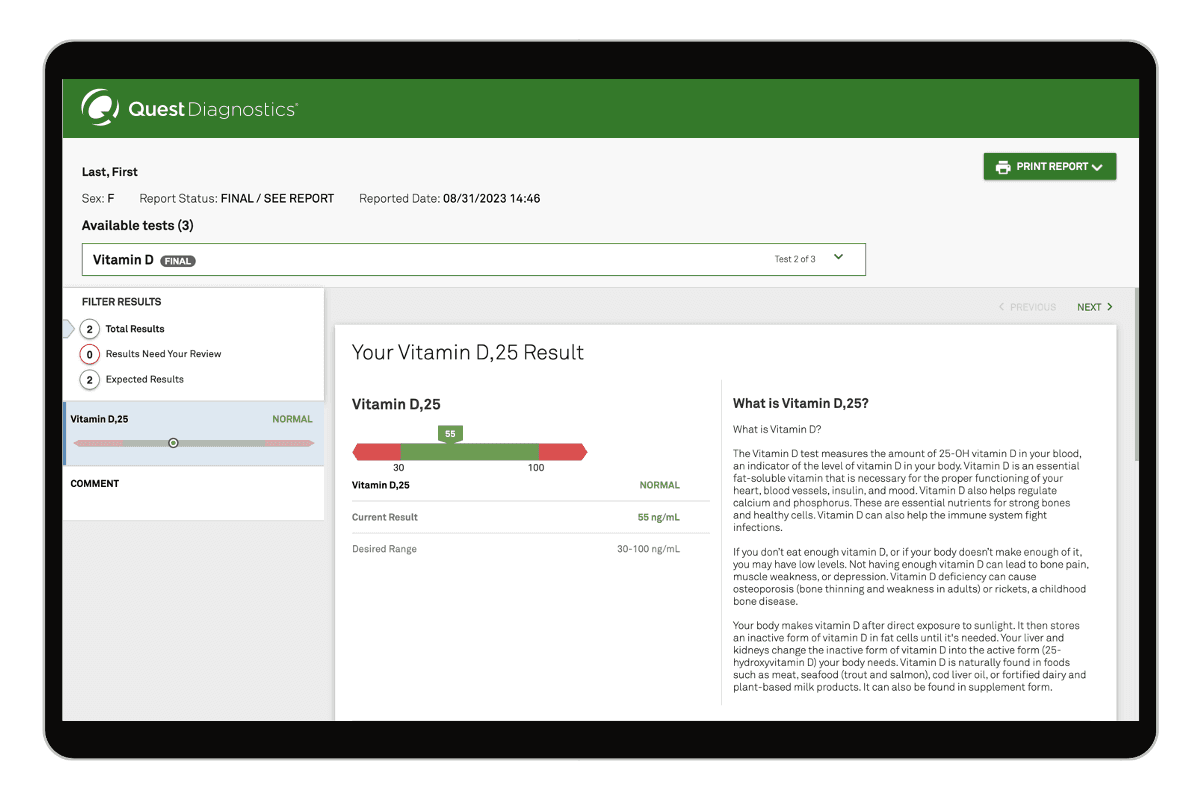
| Immune/Bone Health | Vitamin D (25‑OH) | Low vitamin D affecting immunity, bone health, and muscle function | Once now; annually in winter or with limited sun, otherwise every 2–3 years if normal. | About 1 in 4 U.S. adults have low vitamin D. Deficiency is linked to more respiratory infections and higher stress‑fracture risk in athletes. |
| Endocrine | Thyroid Function (TSH ± free T4) | Hypo/Hyperthyroidism affecting energy, weight, and lipids | Once in your 20s if you have fatigue, weight change, cold intolerance, or family history; otherwise every 3–5 years or if symptoms develop. | Thyroid disease affects ~5% of U.S. adults and can cause fatigue, weight gain, and high cholesterol; it’s readily treatable when detected. |
| Inflammation/Immunity | High‑Sensitivity C‑Reactive Protein (hs‑CRP) | Systemic inflammation and cardiometabolic risk | Every few years if you have family history of early heart disease, elevated BMI, or to benchmark training recovery; repeat if >3 mg/L. | hs‑CRP >3 mg/L is associated with about 2× higher cardiovascular event risk and signals inflammation that can impair recovery and performance. |
| Cancer | Full‑Body Skin Examination | Skin cancer (melanoma and non‑melanoma) | Annually if fair‑skinned, many moles, or high sun exposure; otherwise every 2–3 years, plus monthly self‑checks. | Skin cancer is the most common cancer; about 1 in 5 Americans develop it. Localized melanoma has >99% 5‑year survival when found early. |
| Risk/Lifestyle | Sleep Apnea Screening (STOP‑Bang; home sleep test if high risk) | Obstructive sleep apnea affecting energy, recovery, and blood pressure | Screen now if you snore, feel unrefreshed, or have a large neck or high BMI; rescreen with weight changes or new symptoms. | An estimated 2–9% of young adults have obstructive sleep apnea. Untreated OSA raises crash risk 2–3×, elevates blood pressure, and impairs recovery. |
Recommended Products
















Nutrition & Dietary Focus
For a healthy, athletic 22-year-old male in Philadelphia aiming for immune support, steady energy, and muscle gain: prioritize a small calorie surplus, high-quality protein evenly spaced across the day, and smart carb timing around training. Layer in creatine monohydrate, omega-3–rich foods, vitamin D sufficiency (latitude/indoor training), and immune-supportive micronutrients from whole foods. Hydrate with electrolytes according to sweat loss and include fiber/fermented foods for gut-immune health while timing them away from tough sessions.
Recommendations
Muscle Gain & Energy Availability
Eat in a mild surplus (+250–400 kcal/day) to gain ~0.25–0.5% body weight per week while training; prioritize whole-food meals and track progress (strength, weight, performance) to adjust.
Protein Strategy for Hypertrophy
Target 1.6–2.2 g/kg/day protein split into 3–5 meals with 25–40 g each; include leucine-rich sources (whey/Greek yogurt, eggs, poultry, lean beef, tofu/tempeh). Have ~0.3 g/kg protein within 2 hours post-workout; optional 30–40 g casein before bed.
Carbohydrate Periodization for Performance
Base intake on training: ~3–5 g/kg/day on lighter days, 5–7+ g/kg on intense/long days. Pre-workout: 1–4 g/kg carbs 1–4 h before. During >60–90 min sessions: 30–60 g carbs/hour (up to 90 g with mixed glucose+fructose). Post: 1.0–1.2 g/kg carbs plus 20–40 g protein within 2 h.
Strength & Lean Mass Supplement
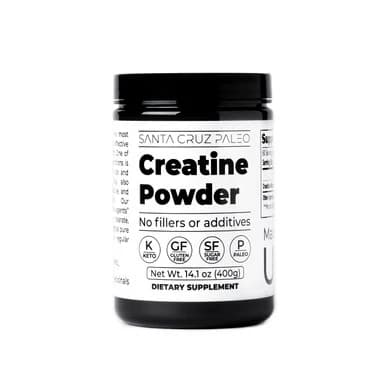
Creatine monohydrate 3–5 g/day with a carb/protein meal (optional loading 20 g/day in 4 doses for 5–7 days). Stay well hydrated; skip if you have known kidney disease or are advised otherwise by your clinician.
Immune Support & Recovery Diet Pattern
Include fatty fish 2–3x/week or ~1–2 g/day combined EPA+DHA if intake is low. Build meals around a Mediterranean-style base: extra-virgin olive oil, nuts/seeds, legumes, whole grains, and 5+ servings/day colorful produce. Aim ~30 g/day fiber and add fermented foods (yogurt/kefir, sauerkraut, kimchi); time high-fiber foods away from pre-workout if they upset your stomach.
Vitamin D (Philadelphia latitude)
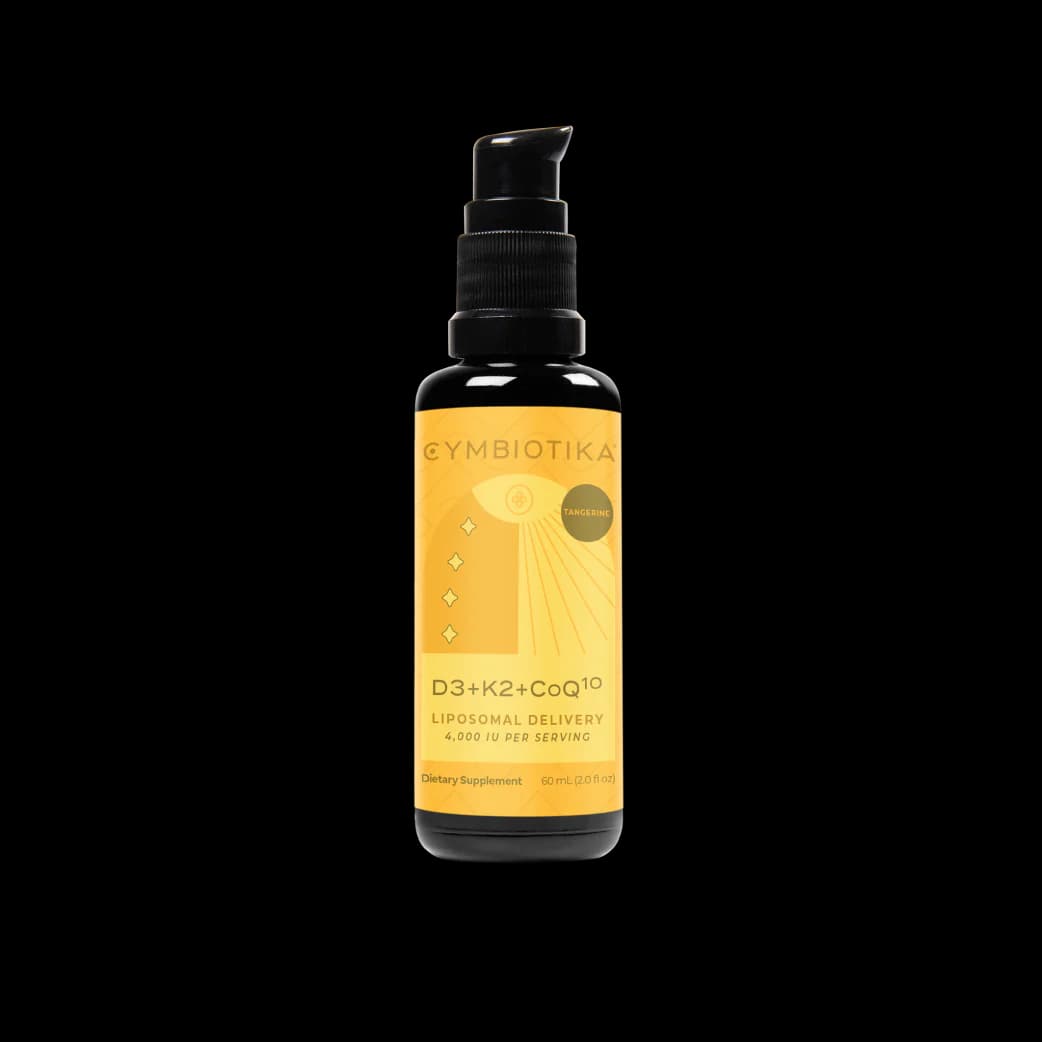
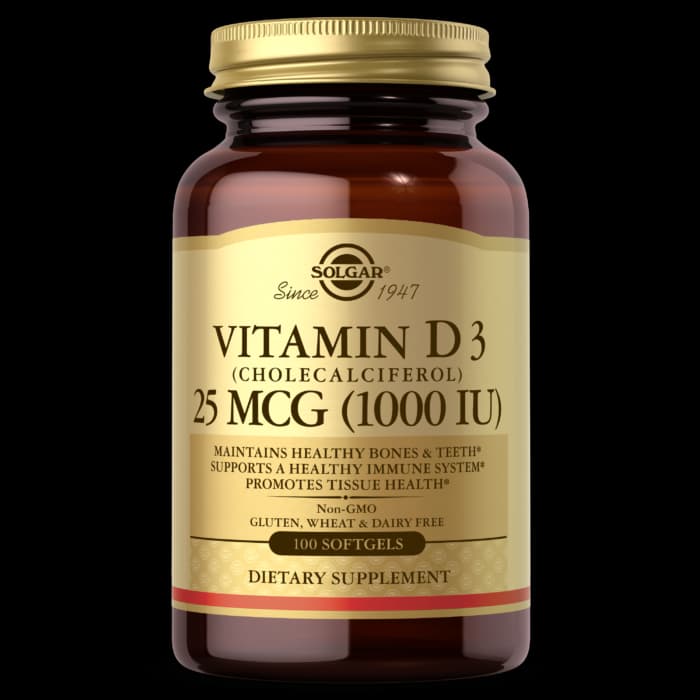
Check 25(OH)D with your clinician. If untested, consider 1,000–2,000 IU/day vitamin D3 in fall–spring with a meal, and include fortified dairy/eggs and sensible sun when available; don’t exceed 4,000 IU/day without guidance.
Immune Micronutrients: Zinc & Vitamin C
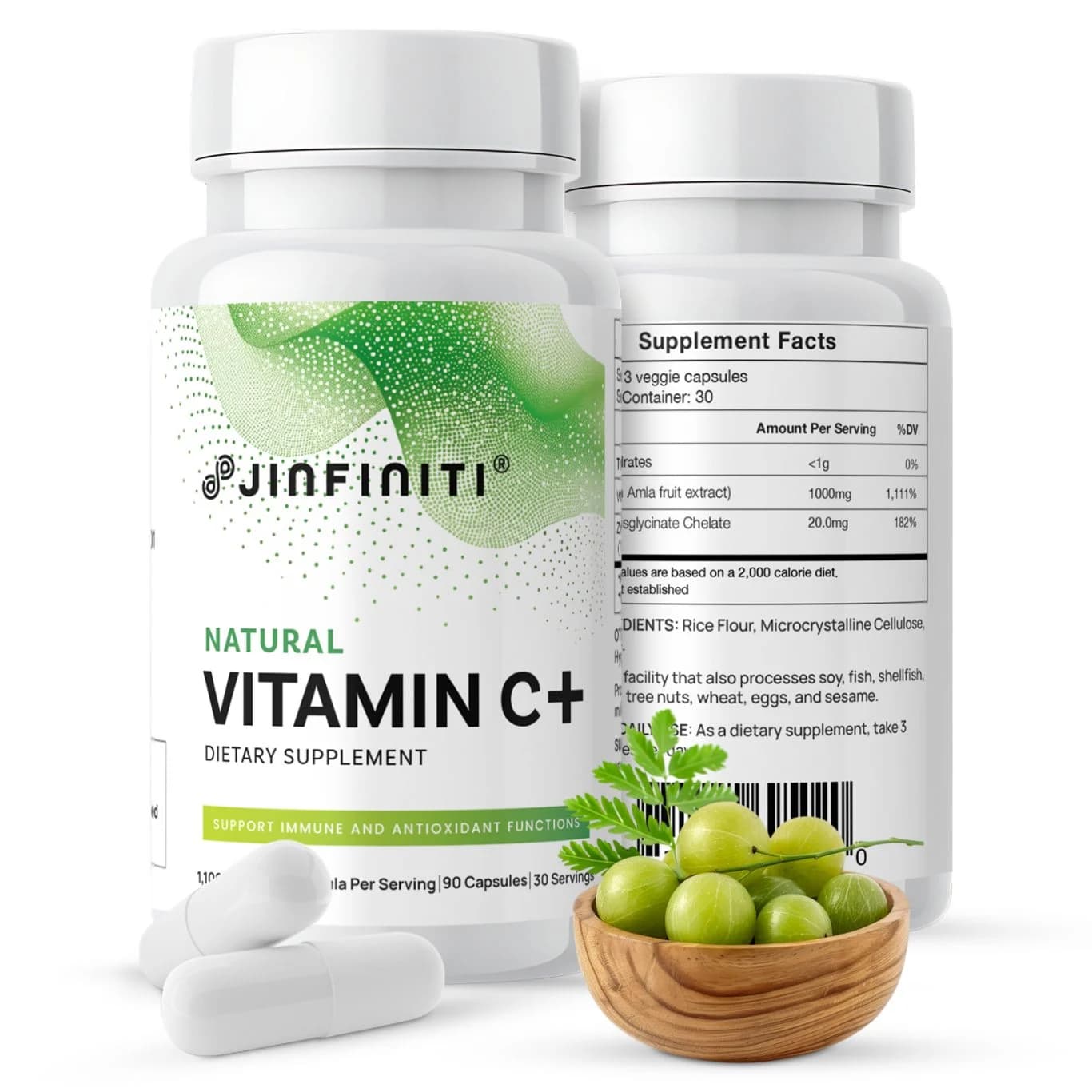
From food first: aim for ~11 mg/day zinc (oysters, beef, beans, pumpkin seeds) and ~200 mg/day vitamin C (peppers, citrus, berries). At first sign of a cold, consider short-term zinc lozenges 15–30 mg/day and vitamin C 250–500 mg/day for up to 14 days; avoid chronic high dosing and keep zinc ≤40 mg/day total.
Hydration & Electrolytes for Training
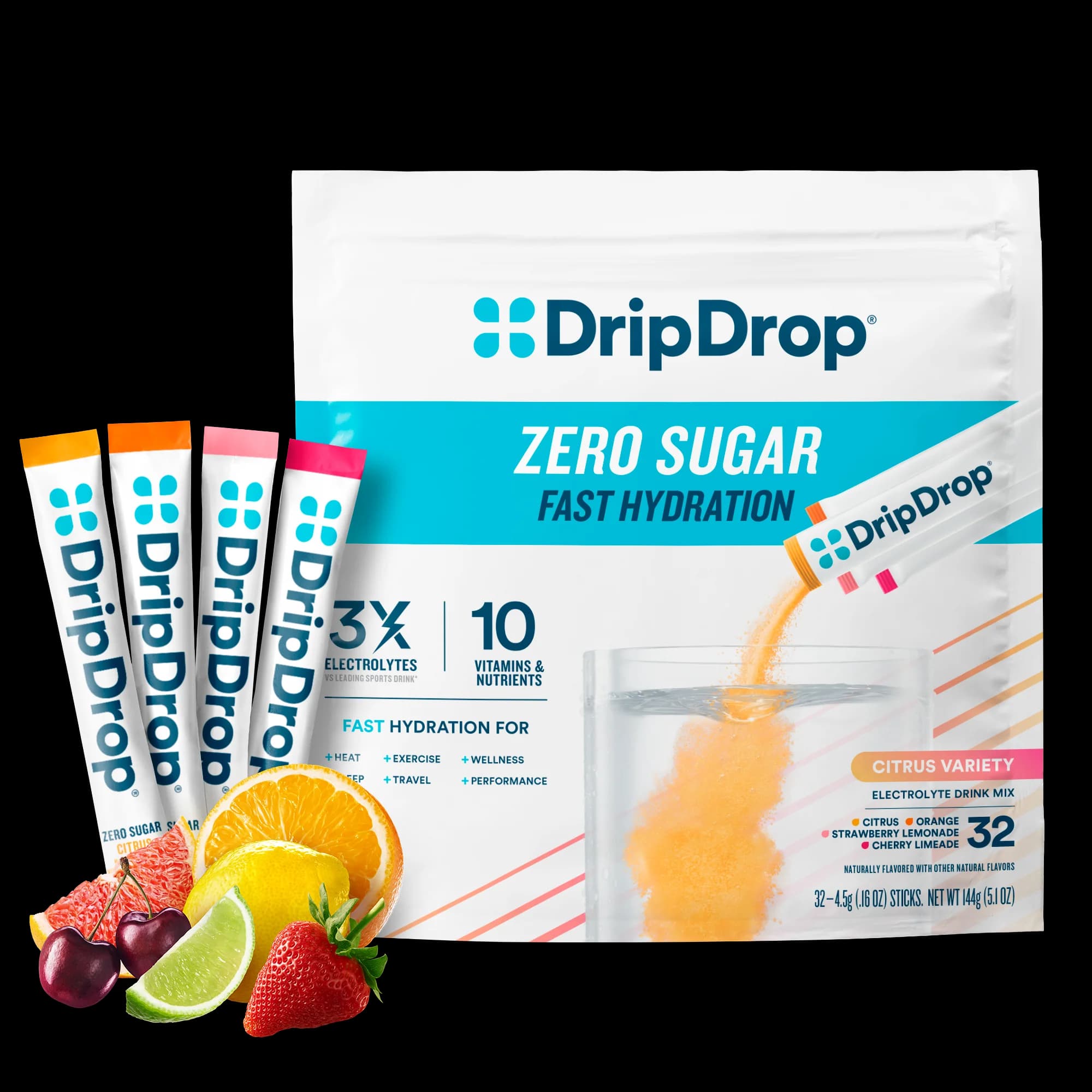
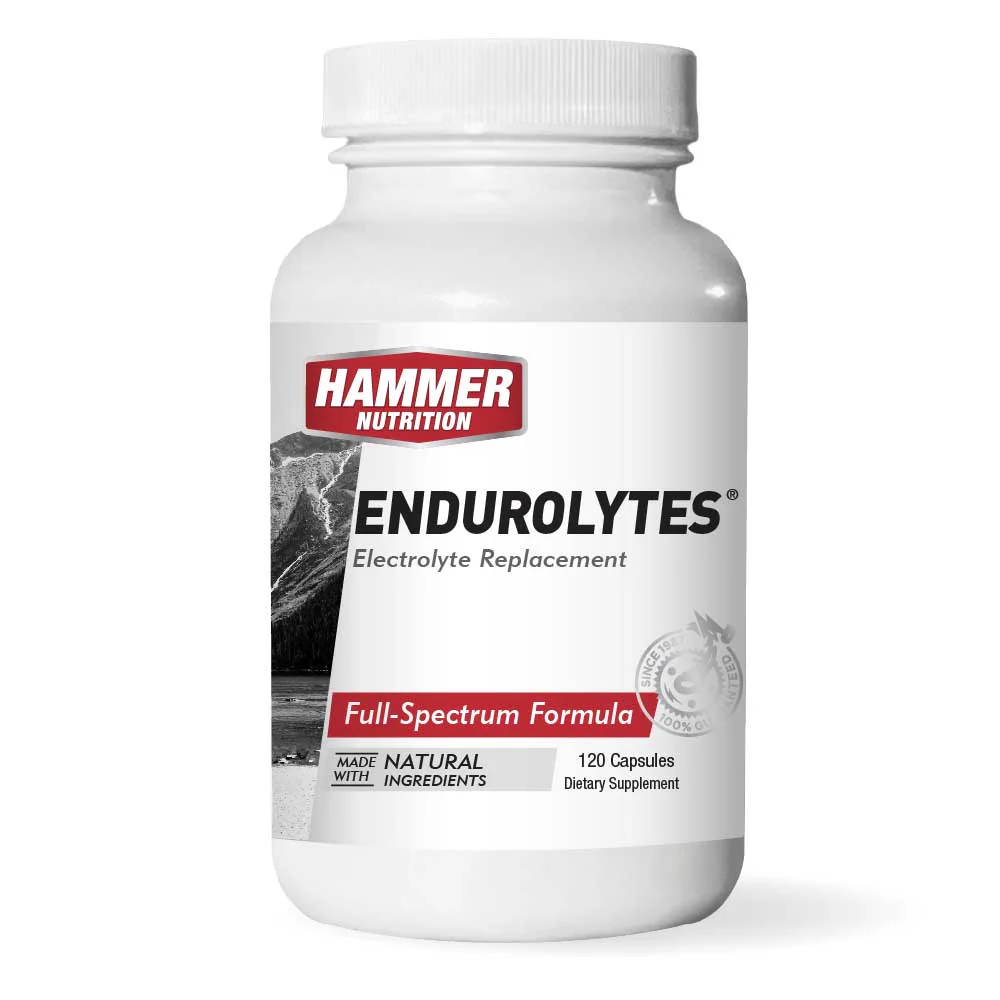
Daily baseline ~30–35 mL/kg fluids. Pre: ~500 mL 2 h before. During: sip to thirst; for >60–90 min or heavy sweat, use a 3–6% carb electrolyte drink providing ~300–700 mg sodium/hour. Post: replace 125–150% of body mass lost (1 kg loss ≈ 1–1.5 L) and include sodium in meals.
Recommended Products



















Supplement Strategy
For a healthy 22-year-old male training for muscle and performance in Philadelphia, this stack targets: immune readiness (vitamin D3, zinc, omega-3s), steady energy and recovery (magnesium glycinate, rhodiola), and muscle/strength gains (creatine, whey, beta-alanine). Doses are conservative and athlete-friendly; adjust based on diet, training load, and (for vitamin D) blood levels.
Supplement Recommendations
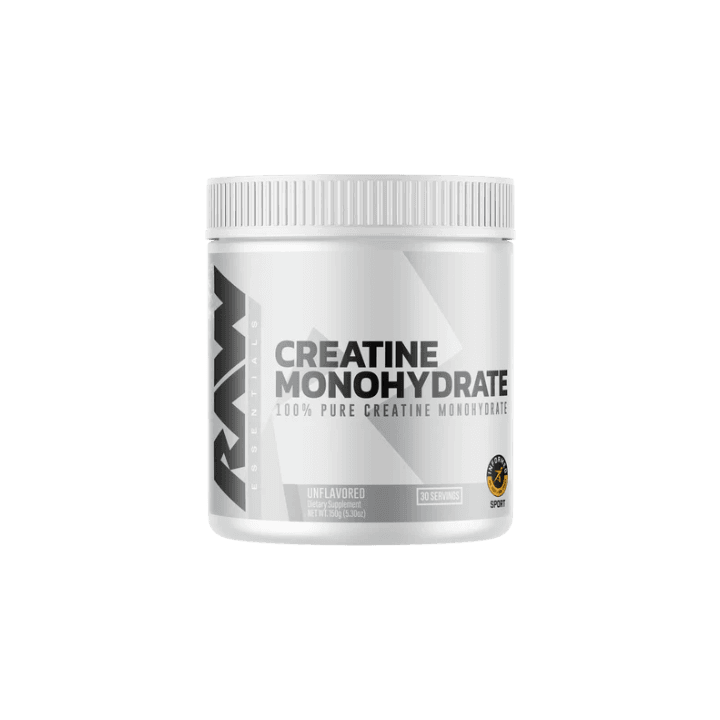
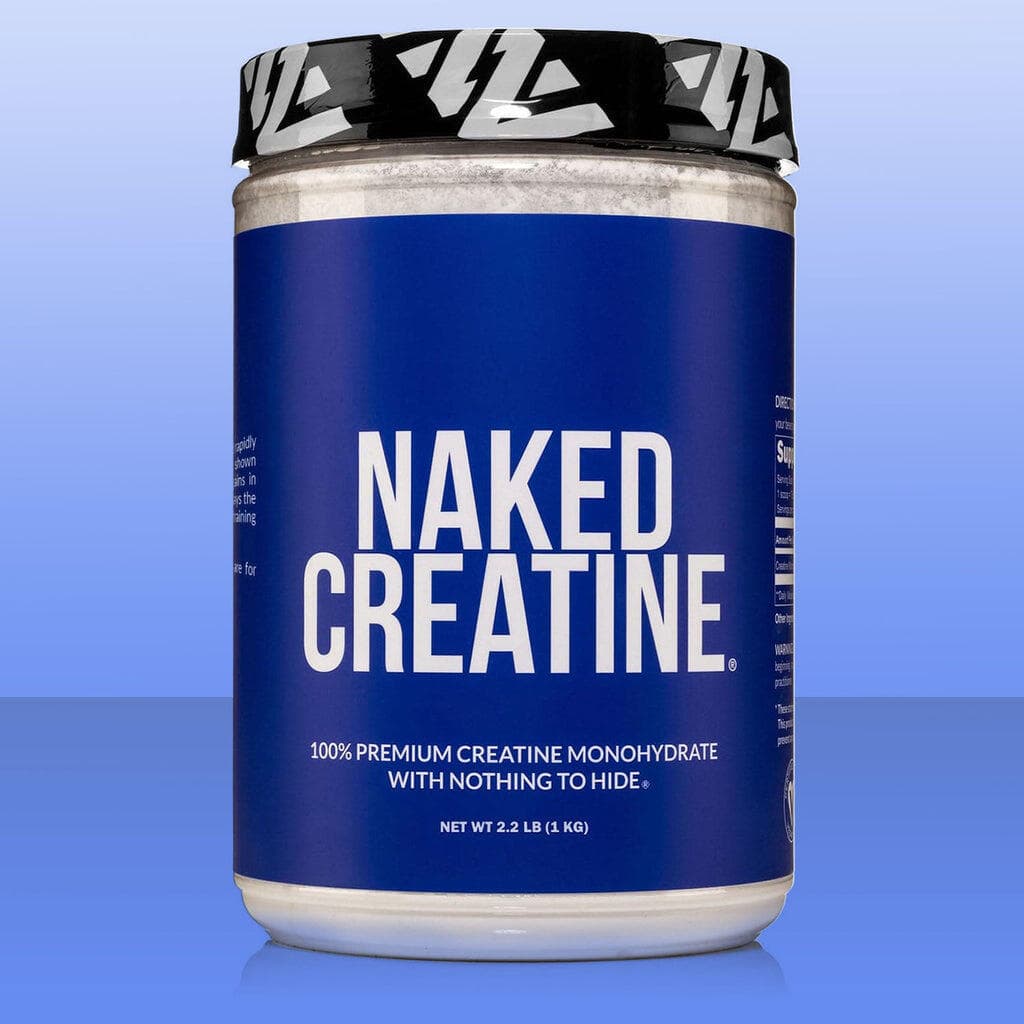
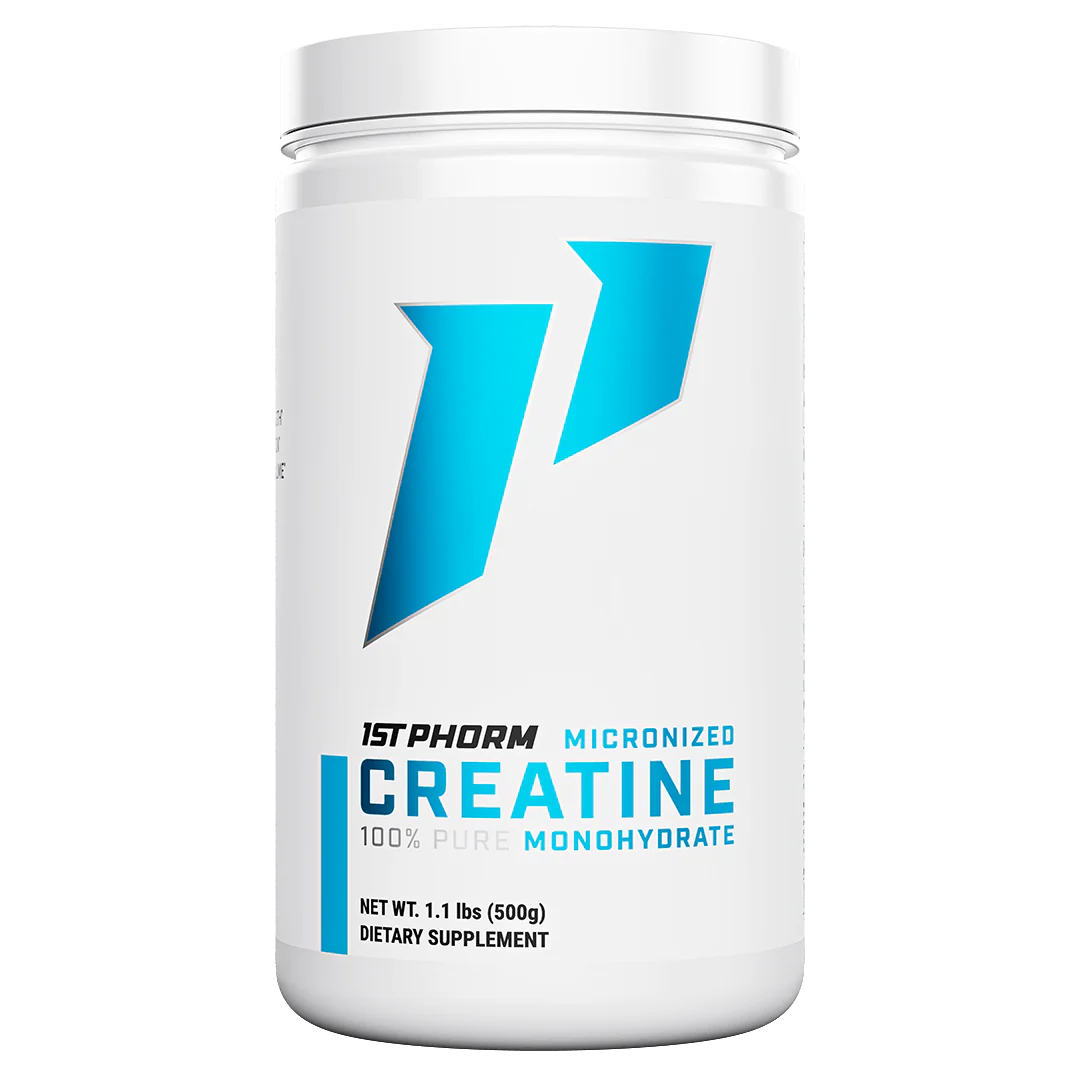
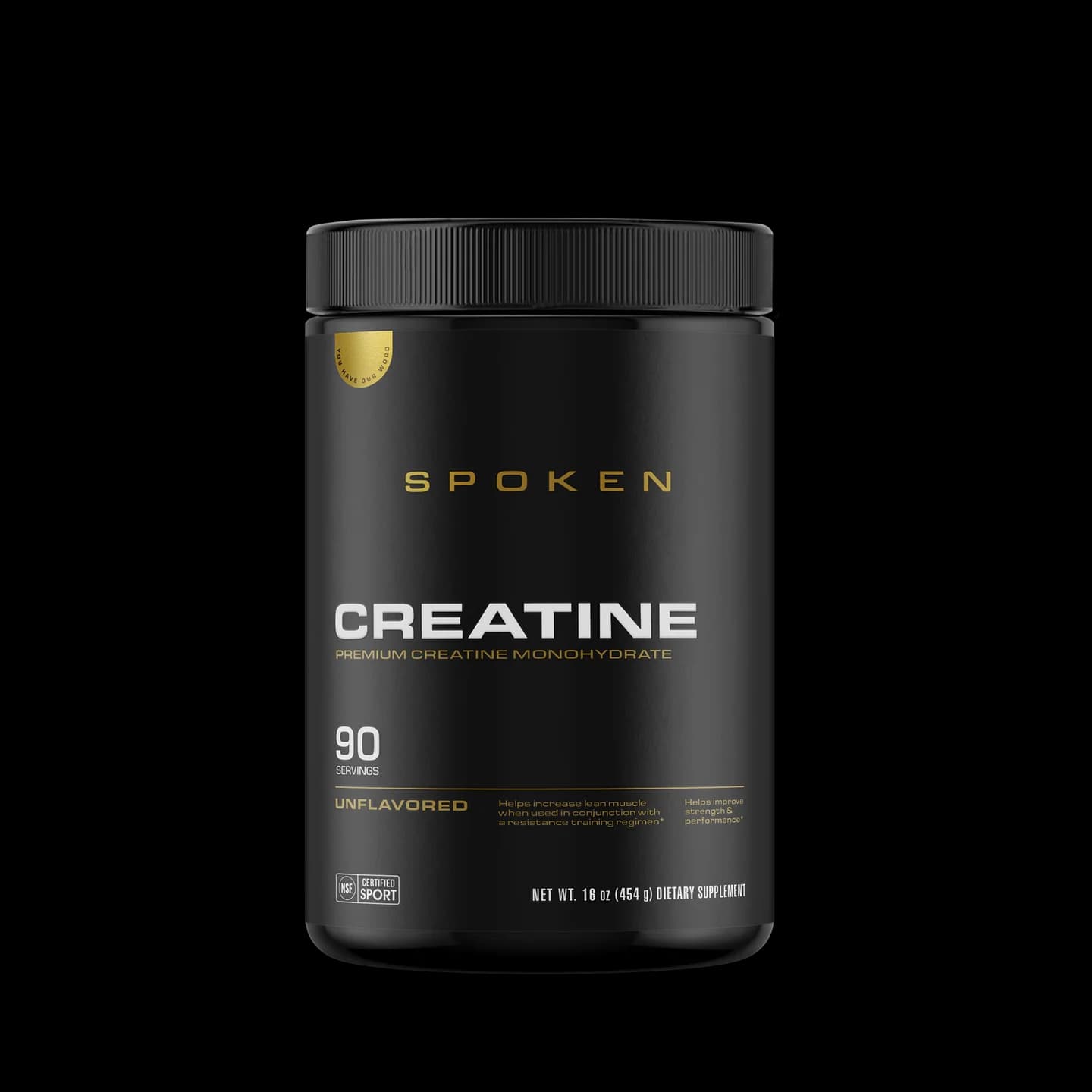
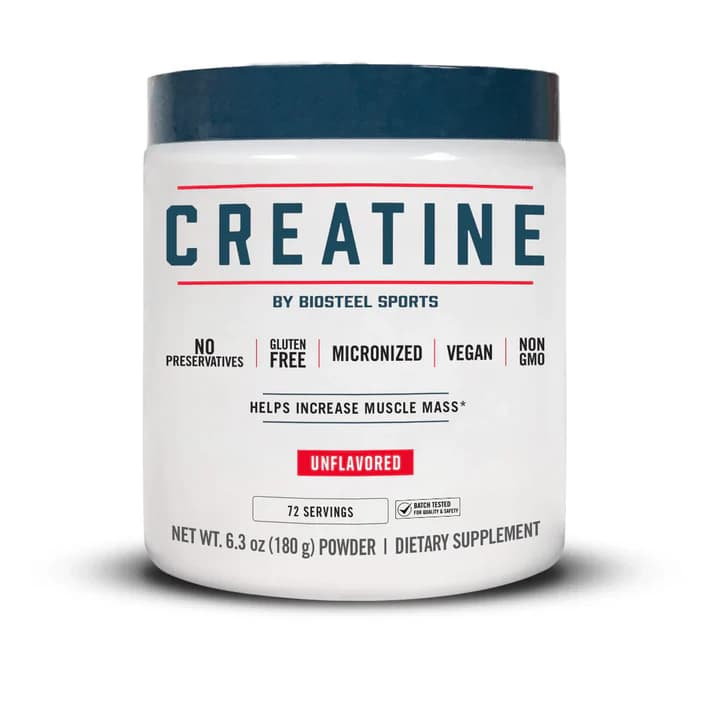
Creatine Monohydrate
•Muscle Gain & Performance3–5 g daily, plain monohydrate powder; no loading required; take anytime with water or a carb/protein meal.
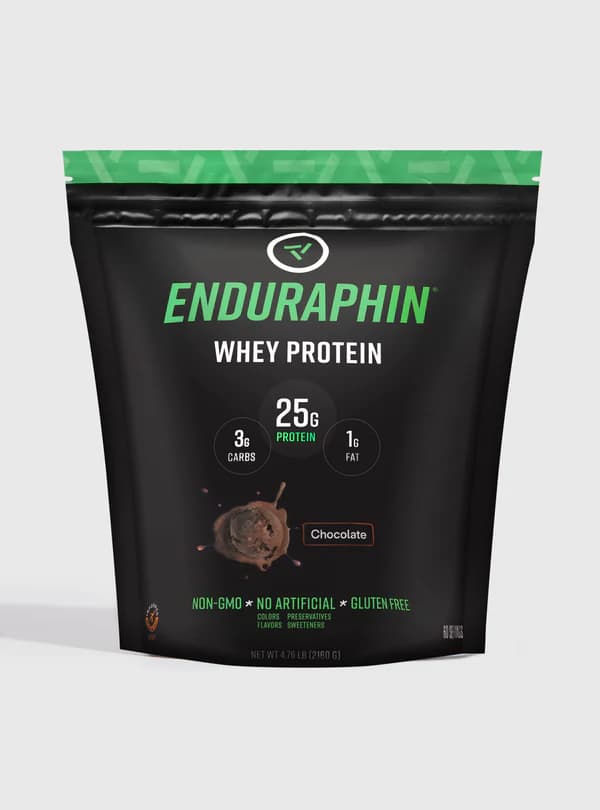
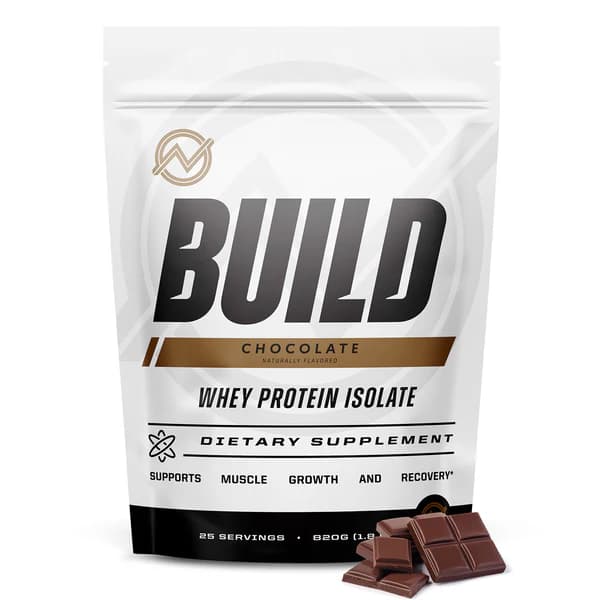
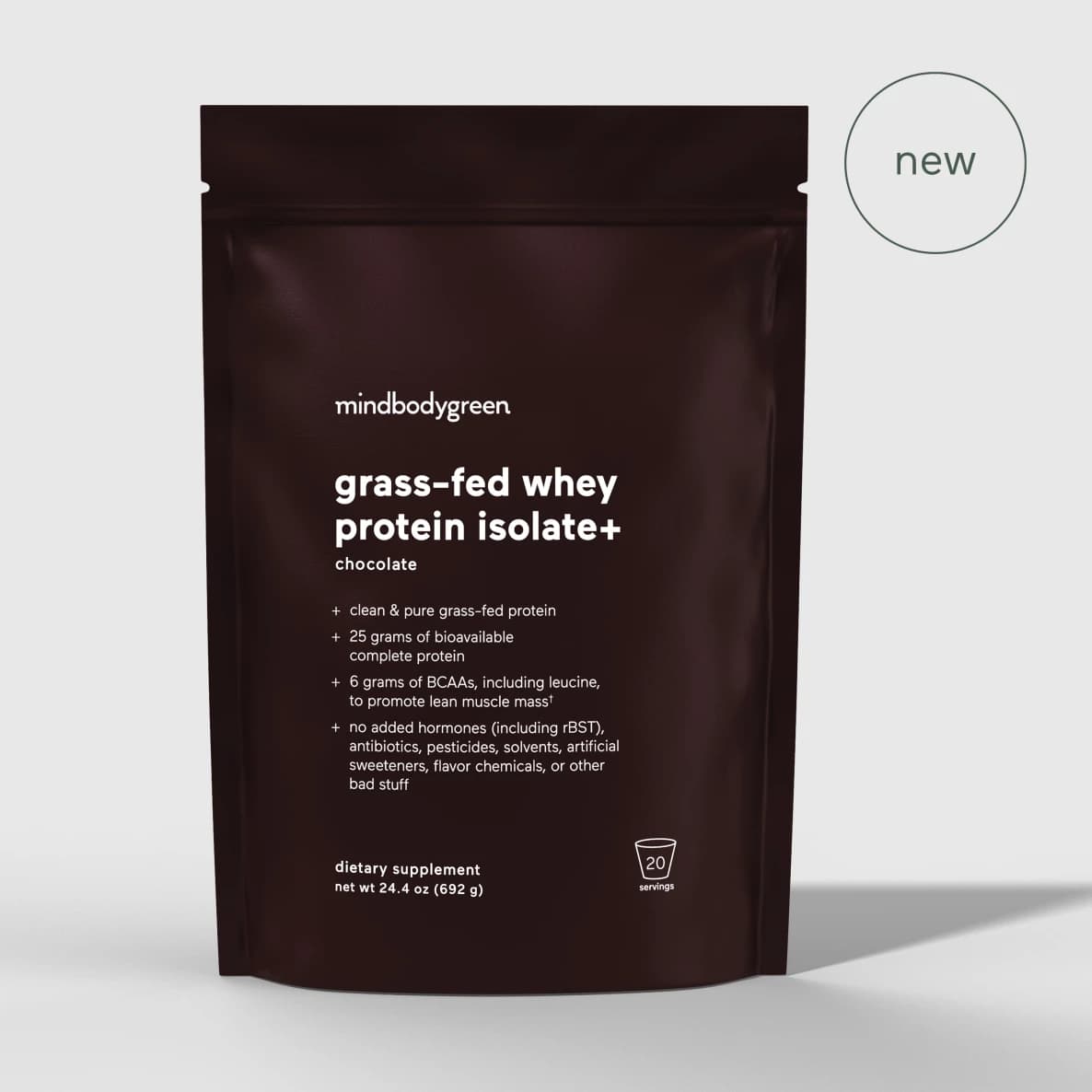
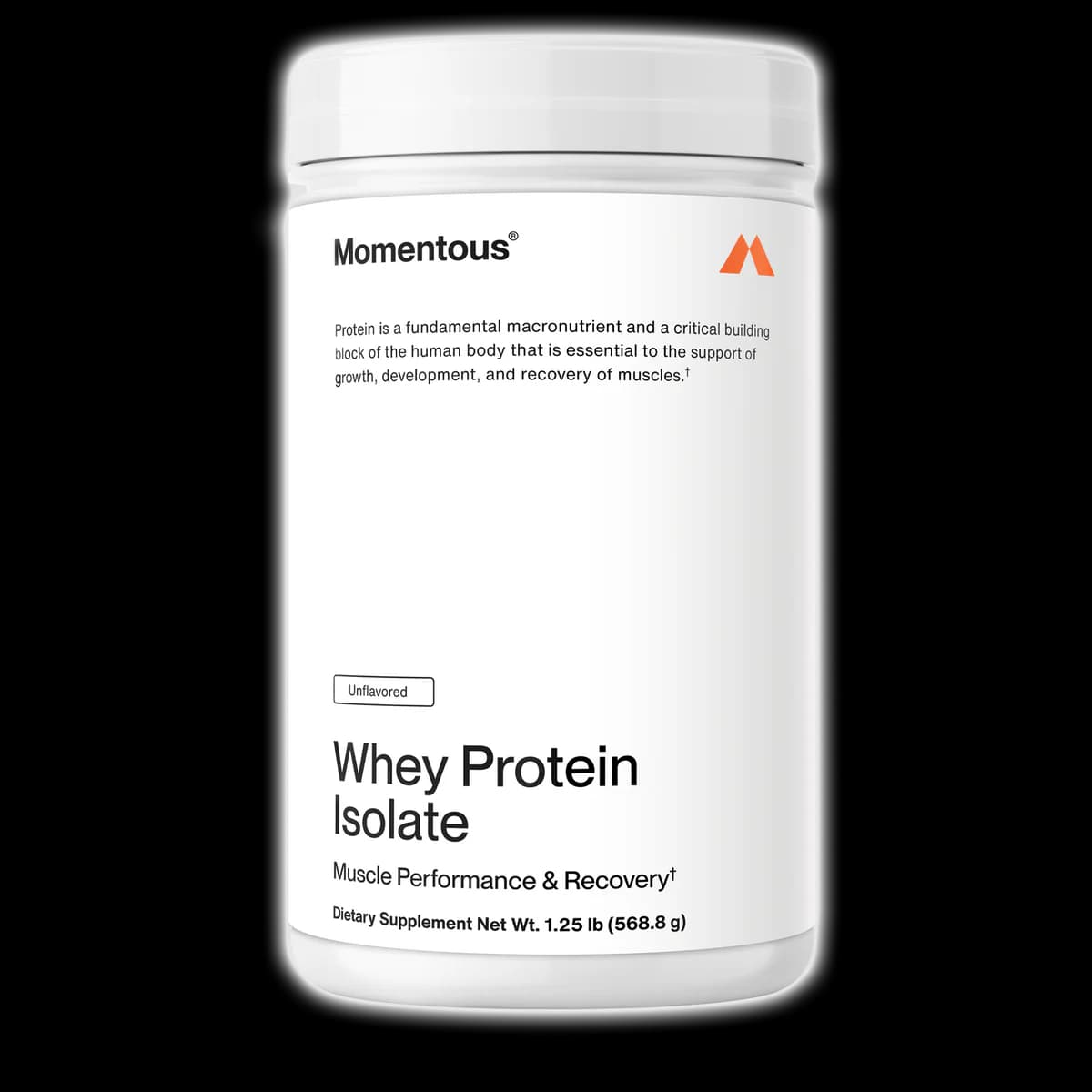
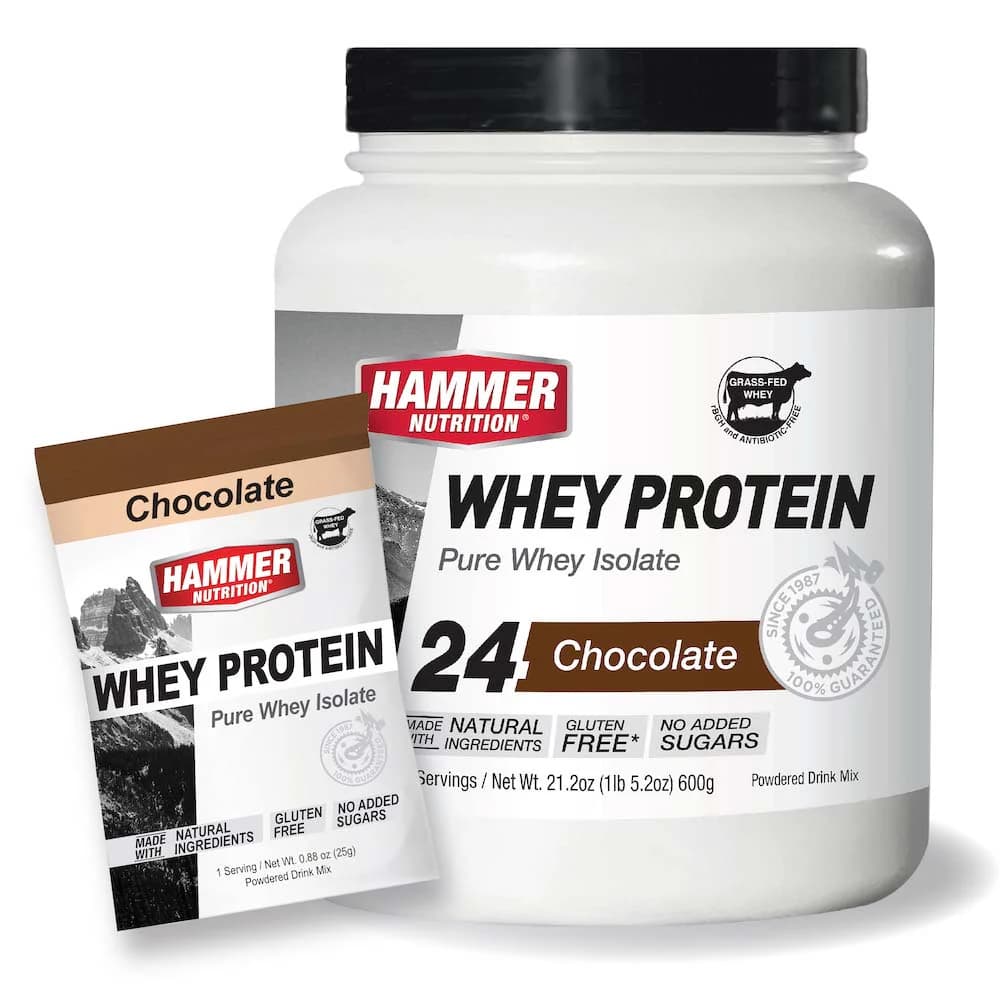
Whey Protein Isolate
•Muscle Gain & Recovery20–40 g per serving (shake or powder) post‑workout or to reach ~1.6–2.2 g/kg/day total protein; choose low‑lactose isolate.
Beta‑Alanine
•High‑Intensity Performance3.2–4.0 g per day in divided doses or sustained‑release form for 8–12 weeks.
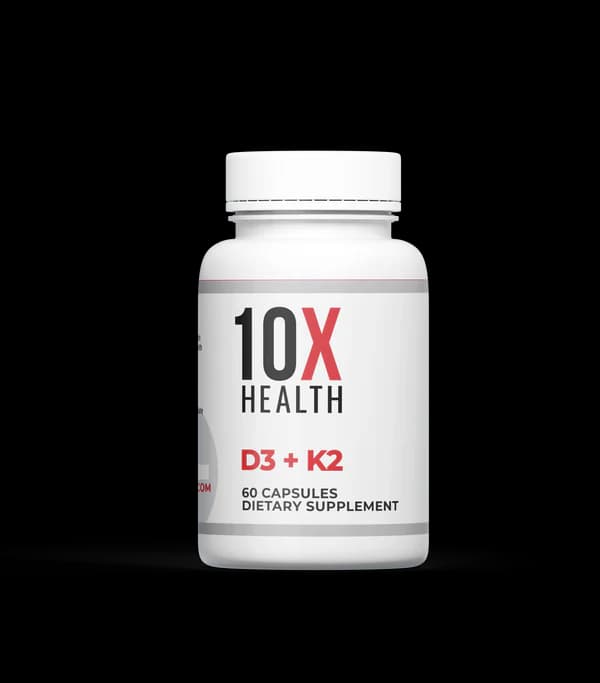
Vitamin D3
•Immune & Muscular Support1,000–2,000 IU daily with a meal containing fat; consider 25‑OH vitamin D testing, especially in fall/winter at Philadelphia latitude.
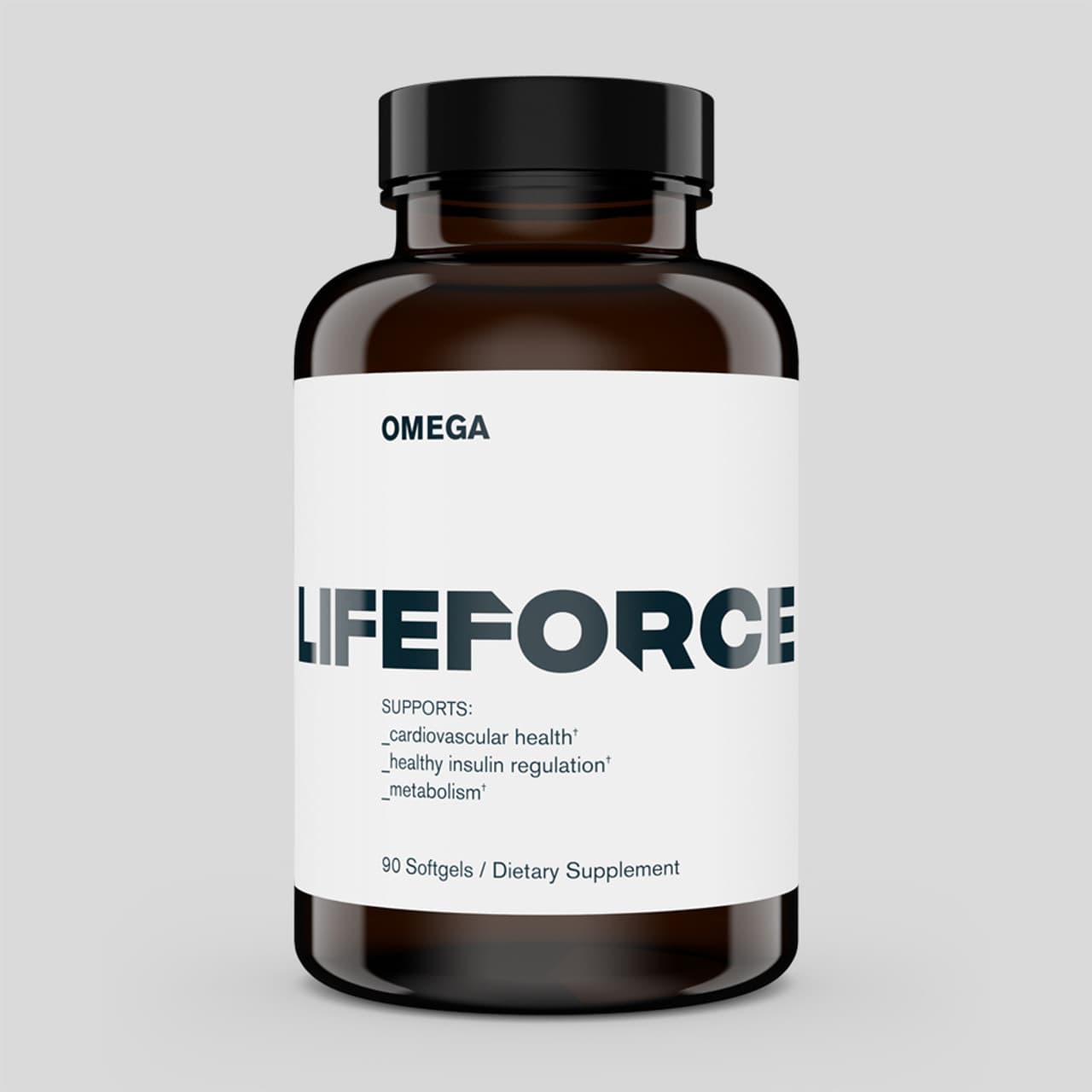
Omega‑3 Fish Oil (EPA+DHA)
•Recovery & Inflammation1–2 g/day combined EPA+DHA with meals; choose a quality‑tested triglyceride or re‑esterified TG form.
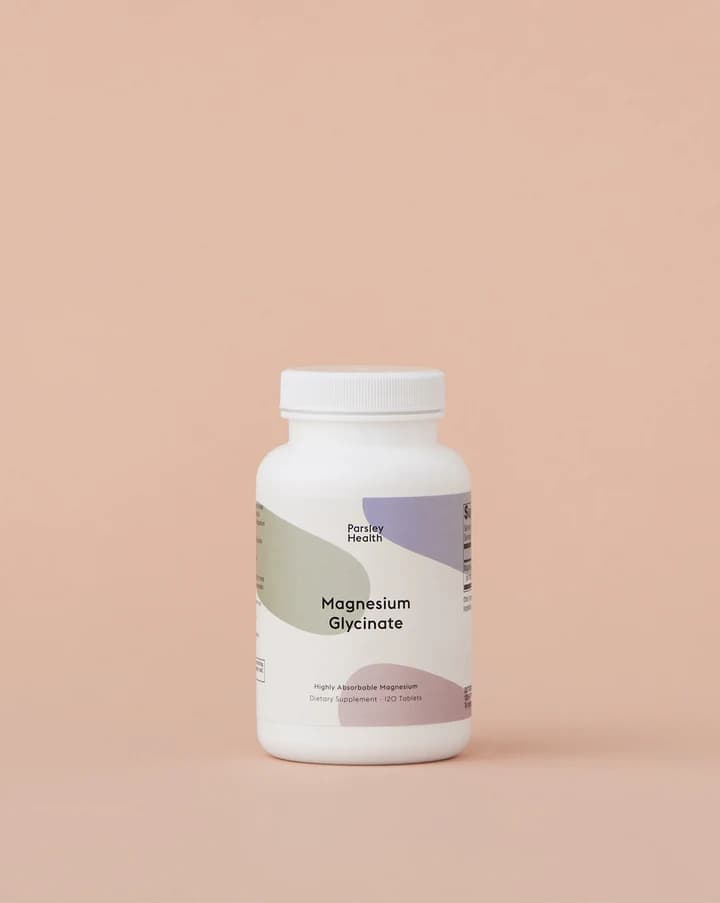
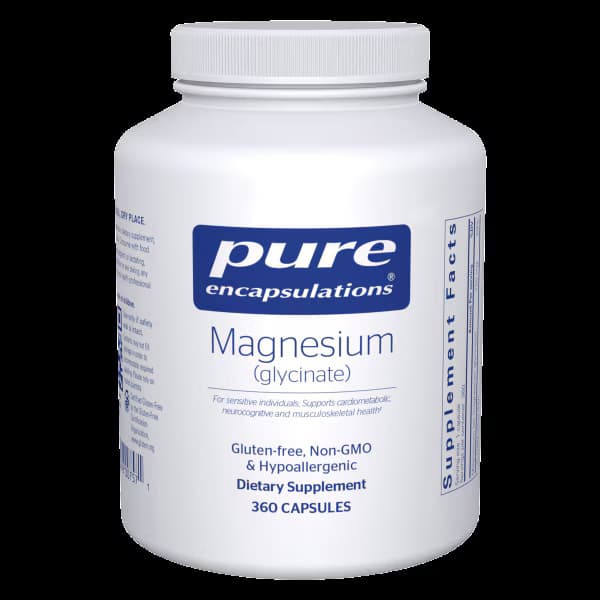
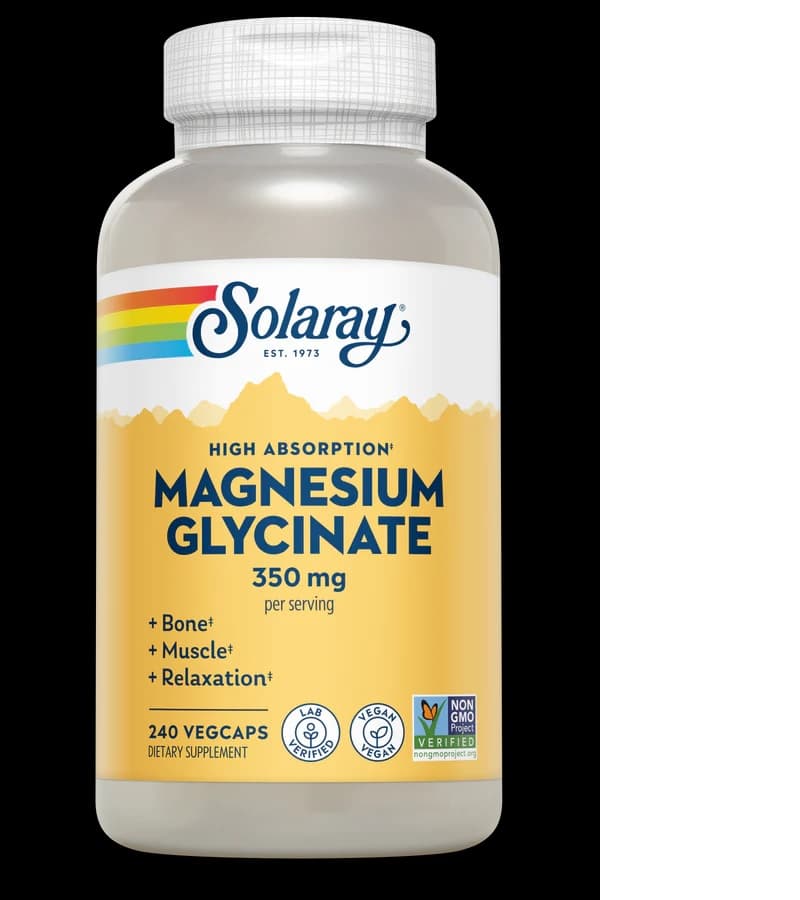
Magnesium Glycinate
•Recovery & Sleep Quality200–300 mg elemental magnesium in the evening with or without food.
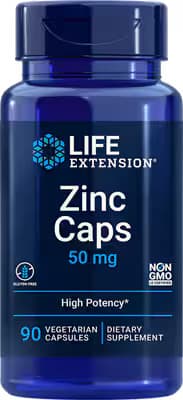
Zinc (Picolinate or Gluconate)
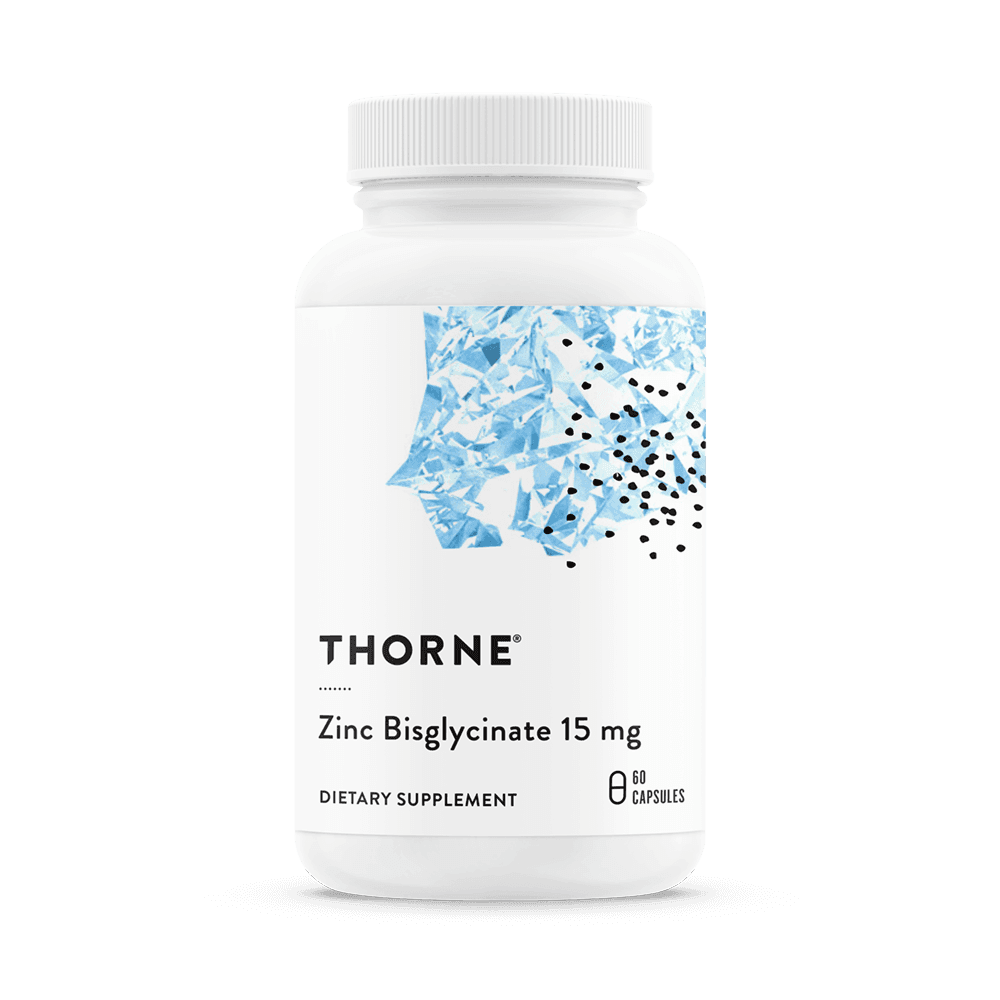
•Immune Support15 mg elemental zinc daily with food; use mainly during cold/flu season or heavy training blocks.
Rhodiola rosea
•Energy & Stress Resilience200–400 mg standardized extract (≈3% rosavins, 1% salidroside) taken in the morning or 30–60 min pre‑workout.
Recommended Products






















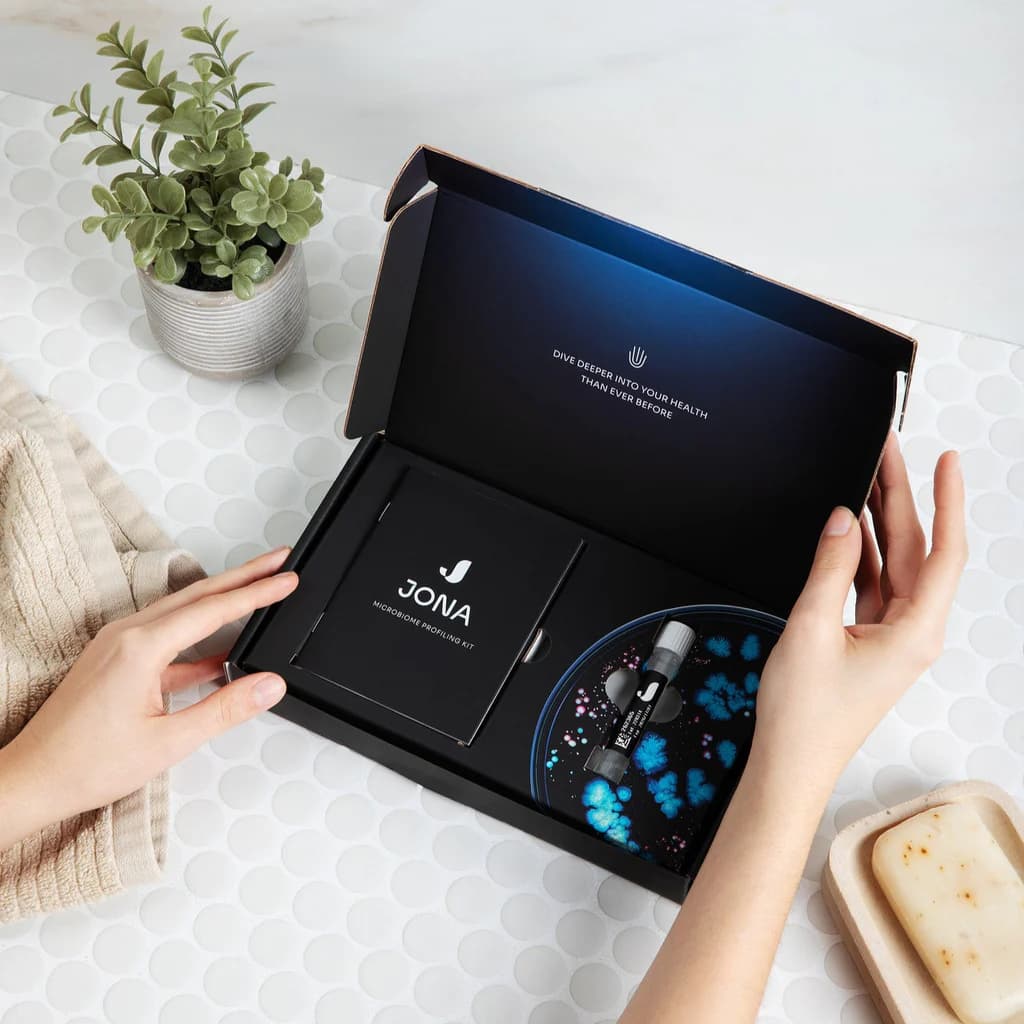
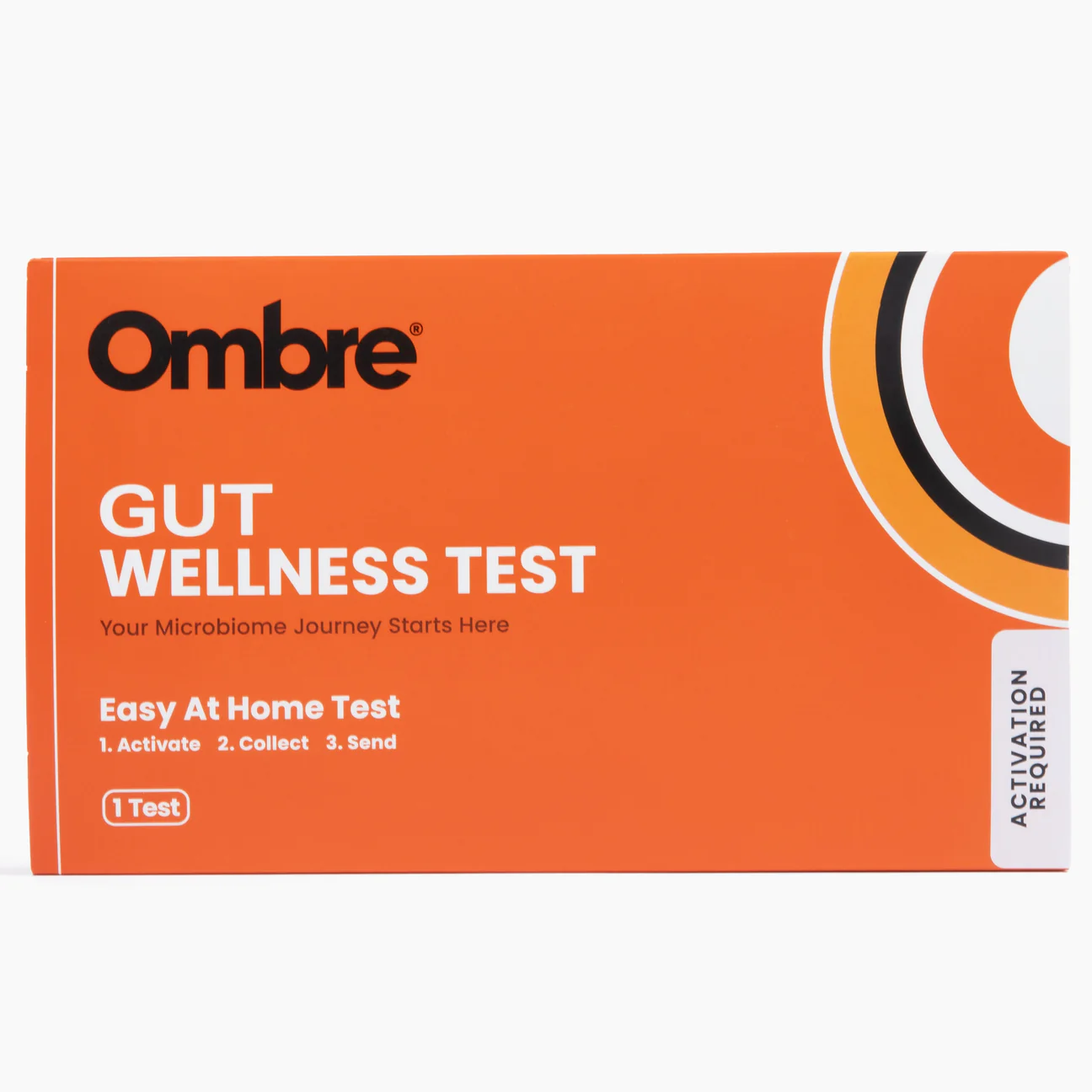
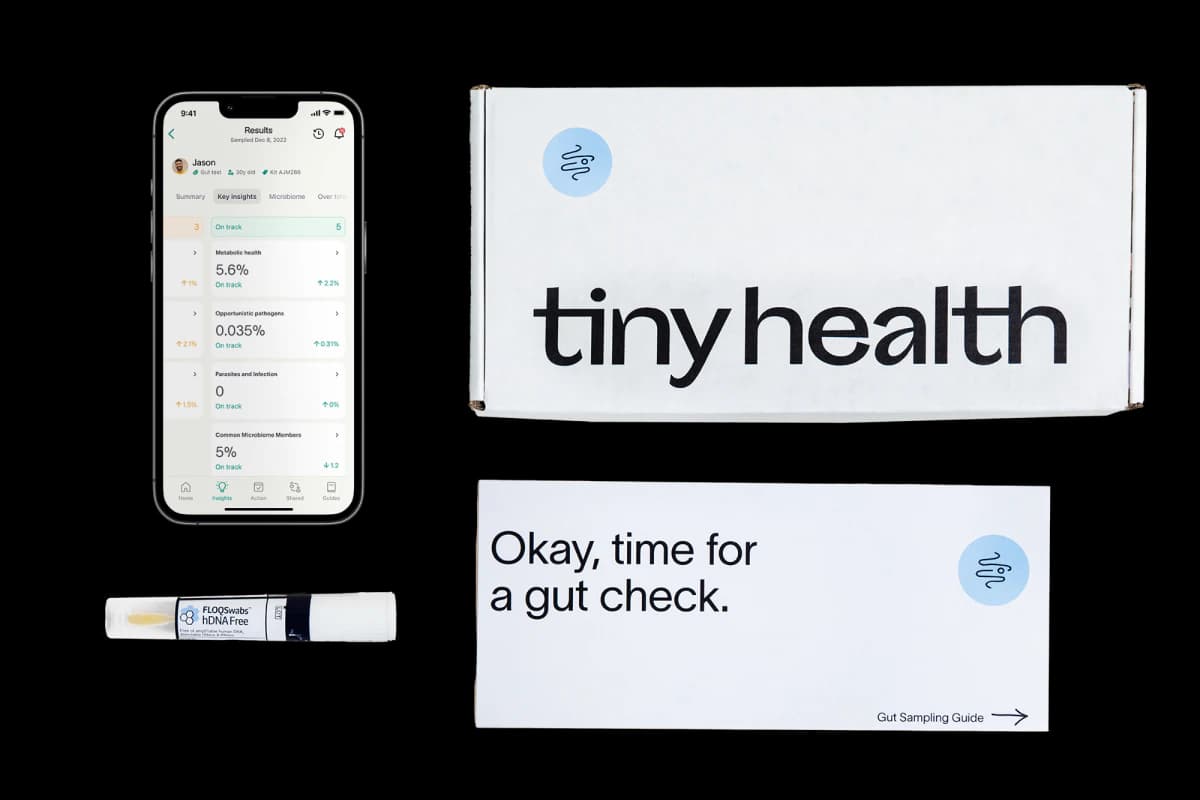
Gut Health & Microbiome
For a 22‑year‑old male training for muscle and performance, prioritize a diverse microbiome, consistent fermented foods, targeted pre/probiotics, gut–brain recovery habits, and “gut training” for fueling. These steps support immune resilience, steady energy, efficient digestion, and lower gut inflammation without unnecessary supplements.
Recommendations
Microbiome Diversity
Aim for ~30 different plants per week, emphasizing prebiotic-rich foods (onions/garlic/leeks, oats/barley, beans/lentils, asparagus, green bananas) and resistant starch (cooled rice or potatoes). Increase fiber gradually (≈5 g/week).
Fermented Foods
Include 1–2 daily servings of live‑culture foods (kefir or live‑culture yogurt, tempeh, miso, kimchi, or sauerkraut). Rotate types and choose low‑added‑sugar options.
Targeted Probiotics for Athletes
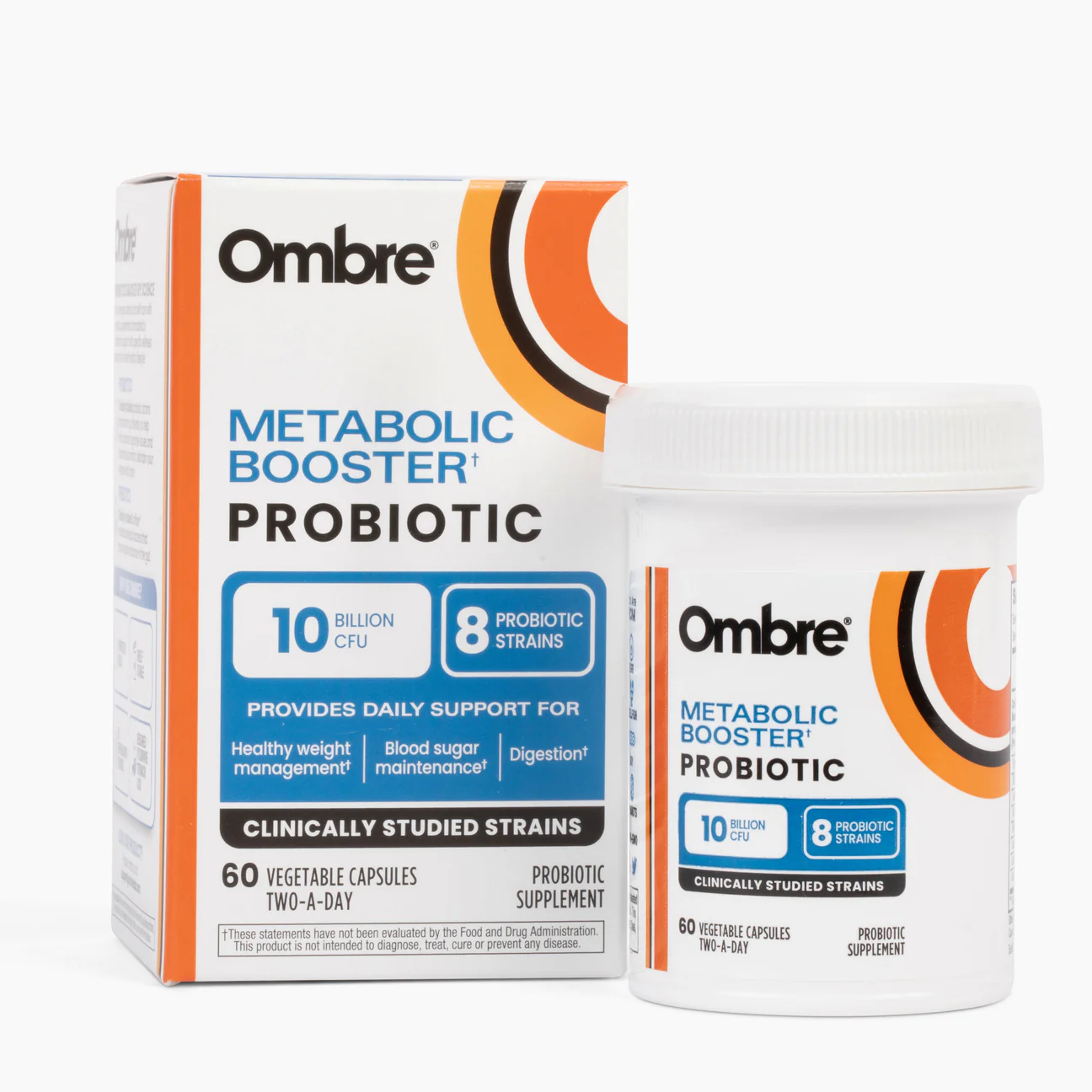
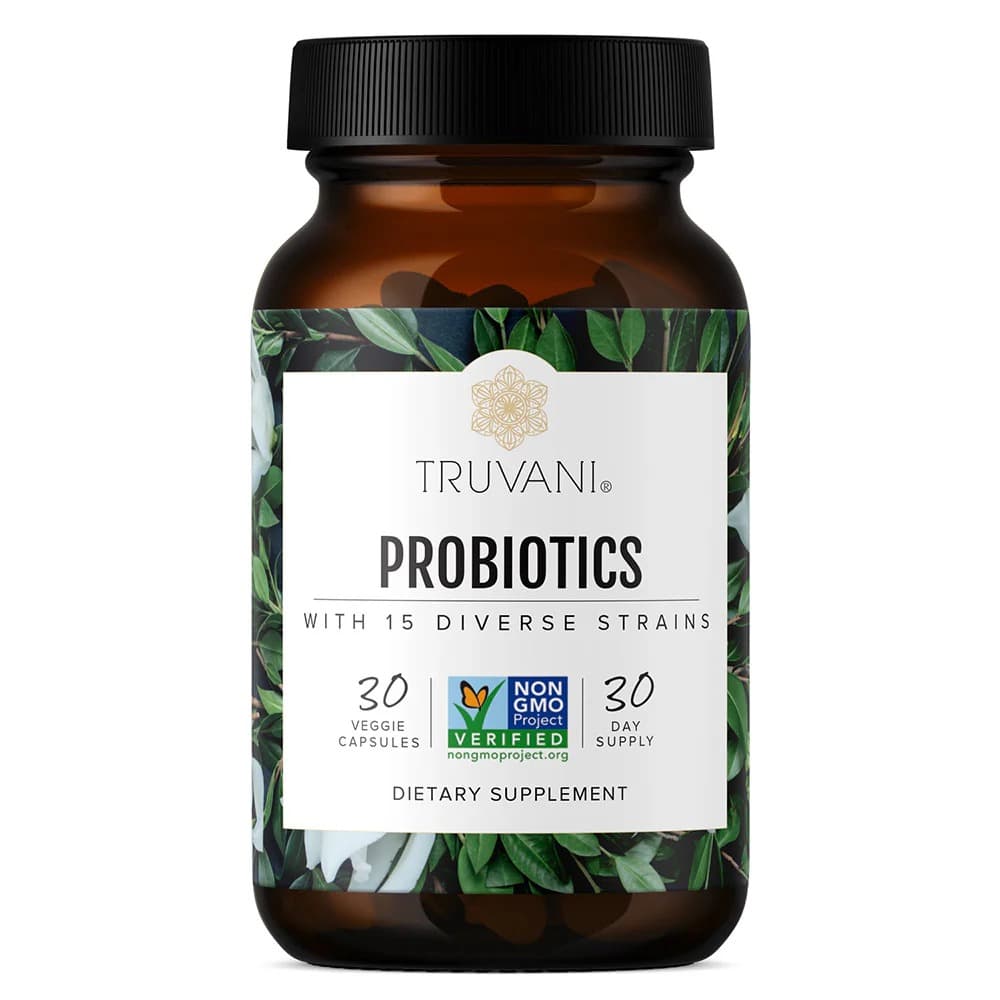
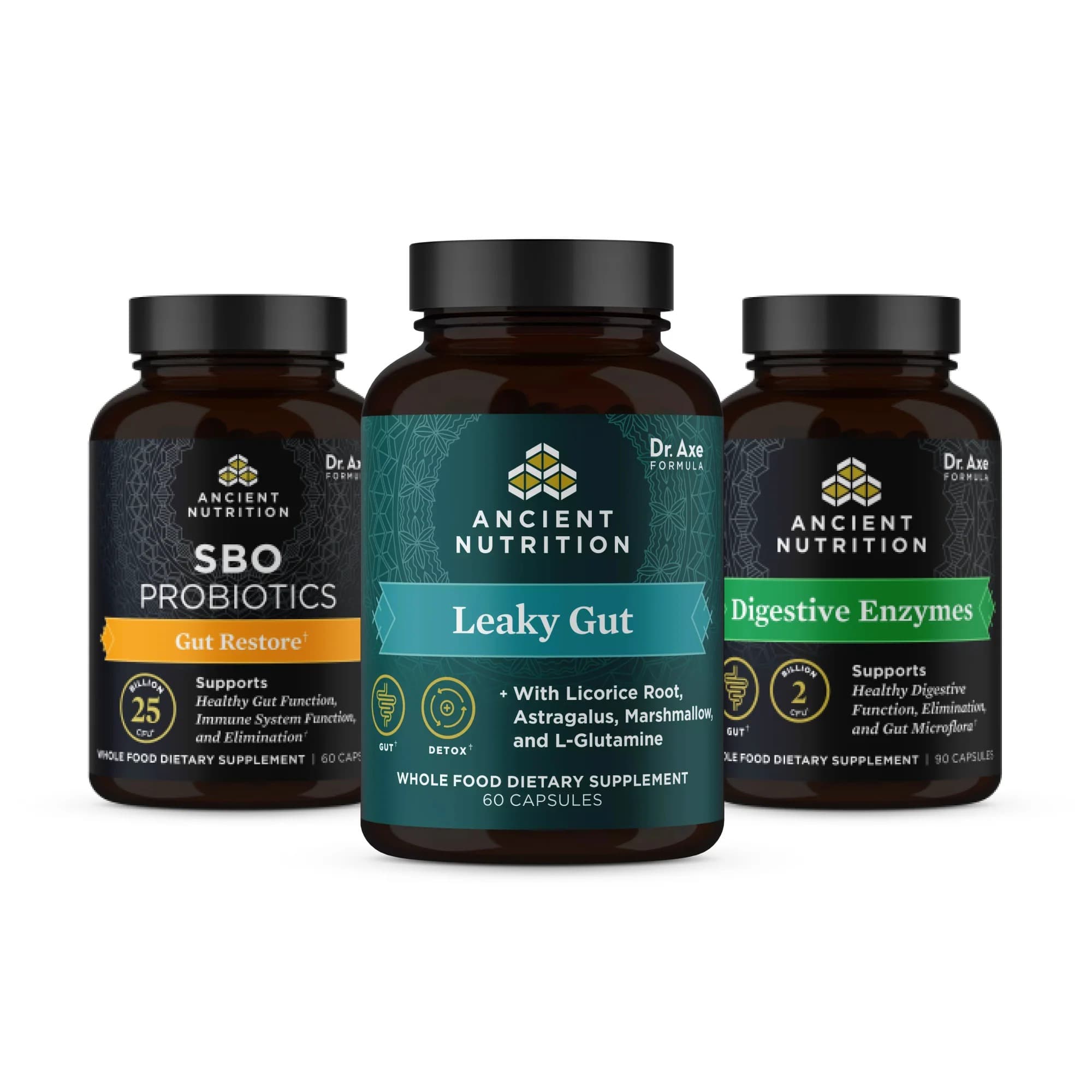
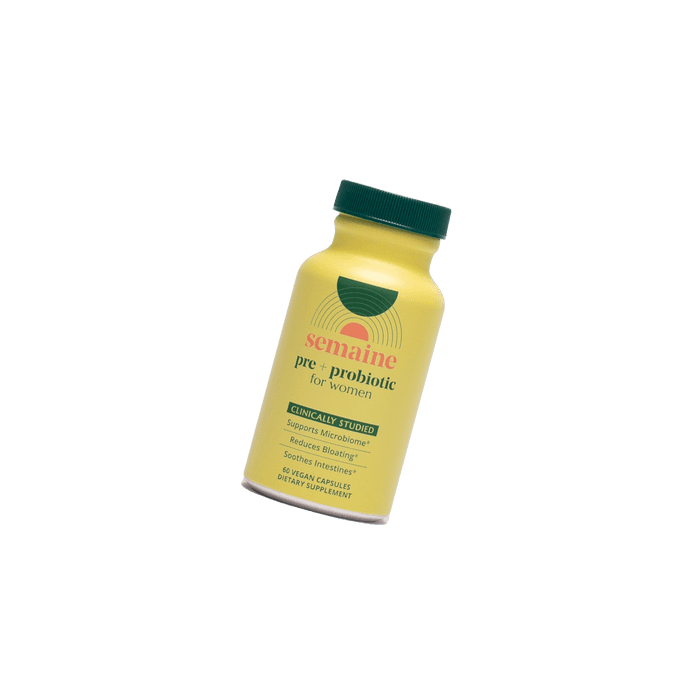
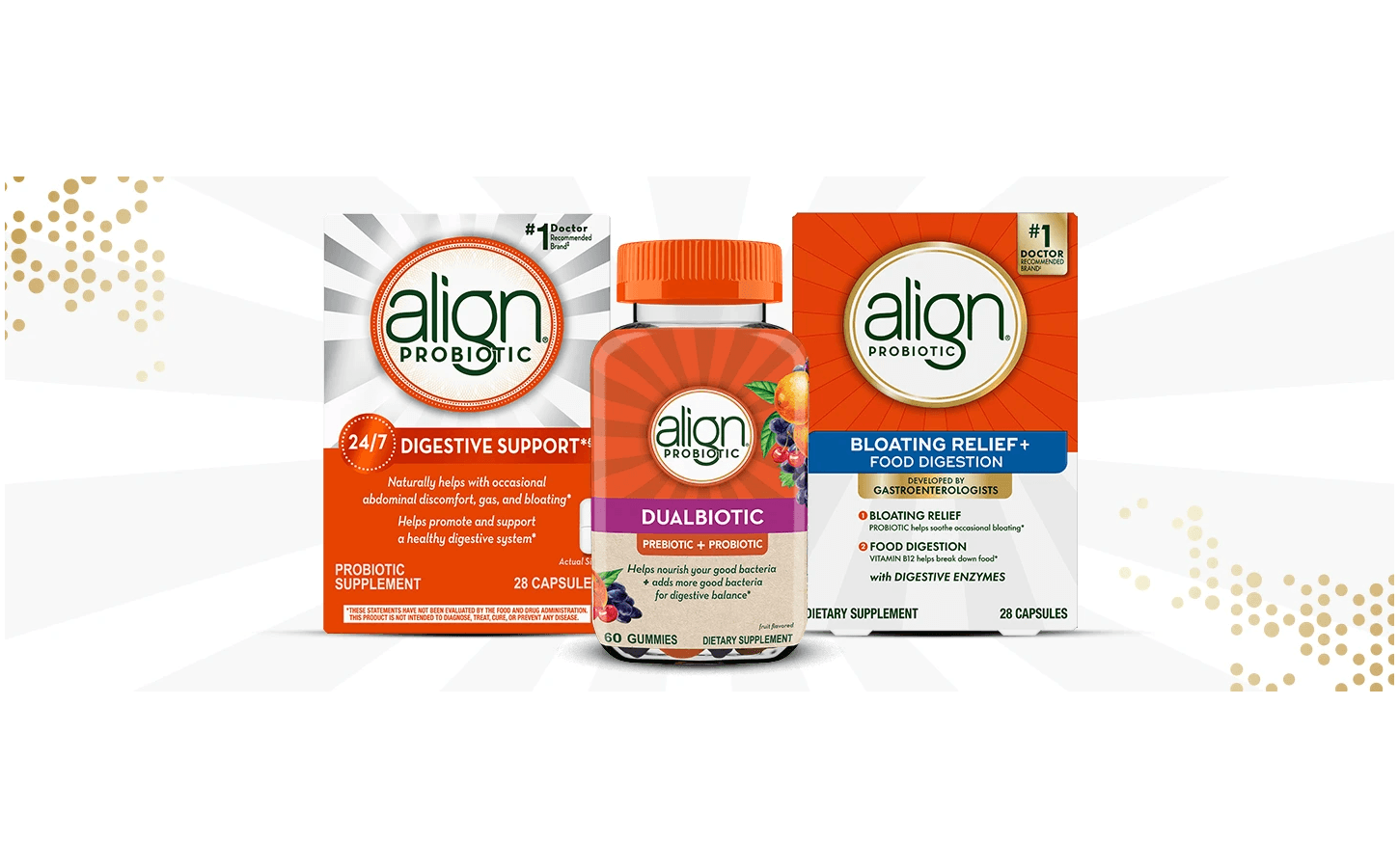
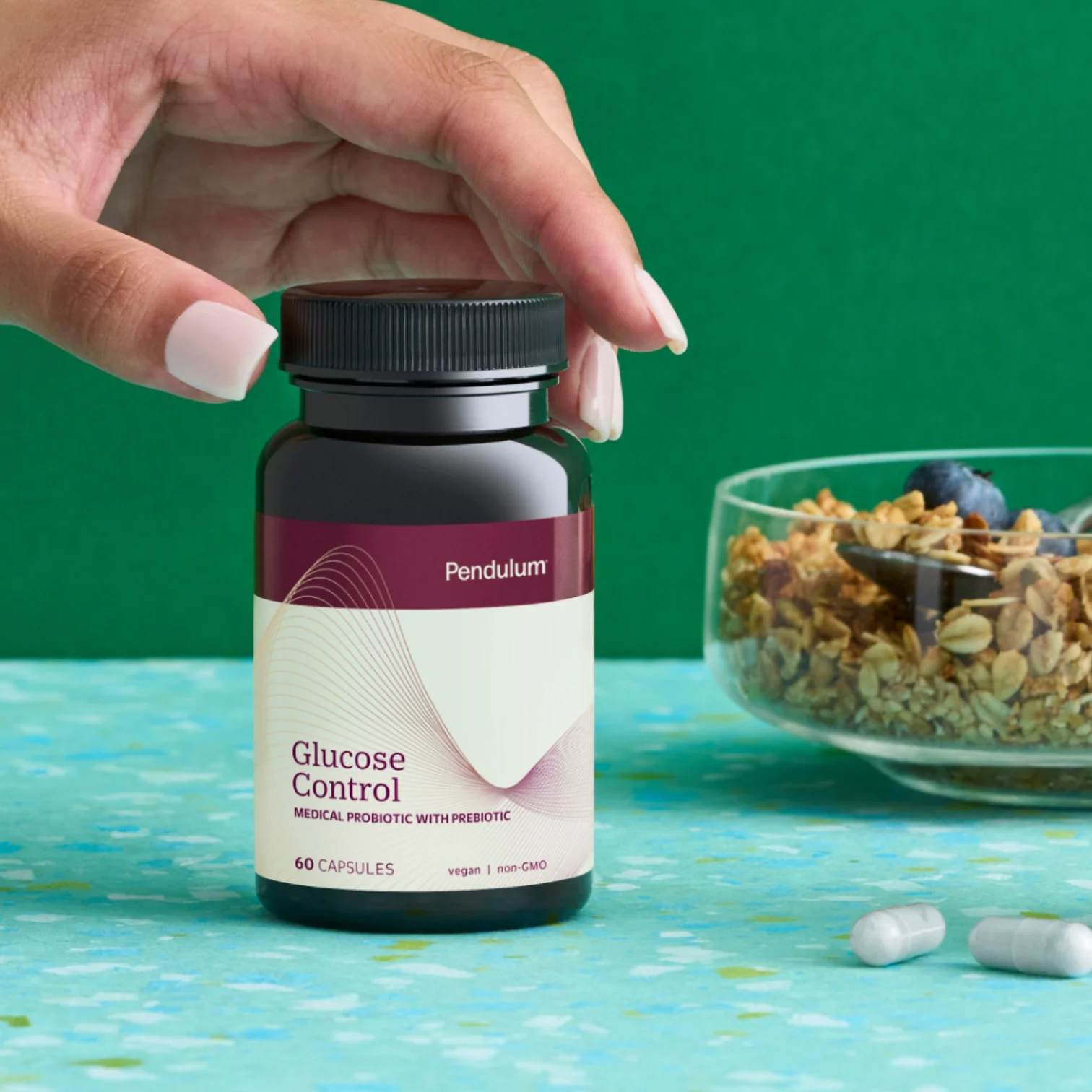
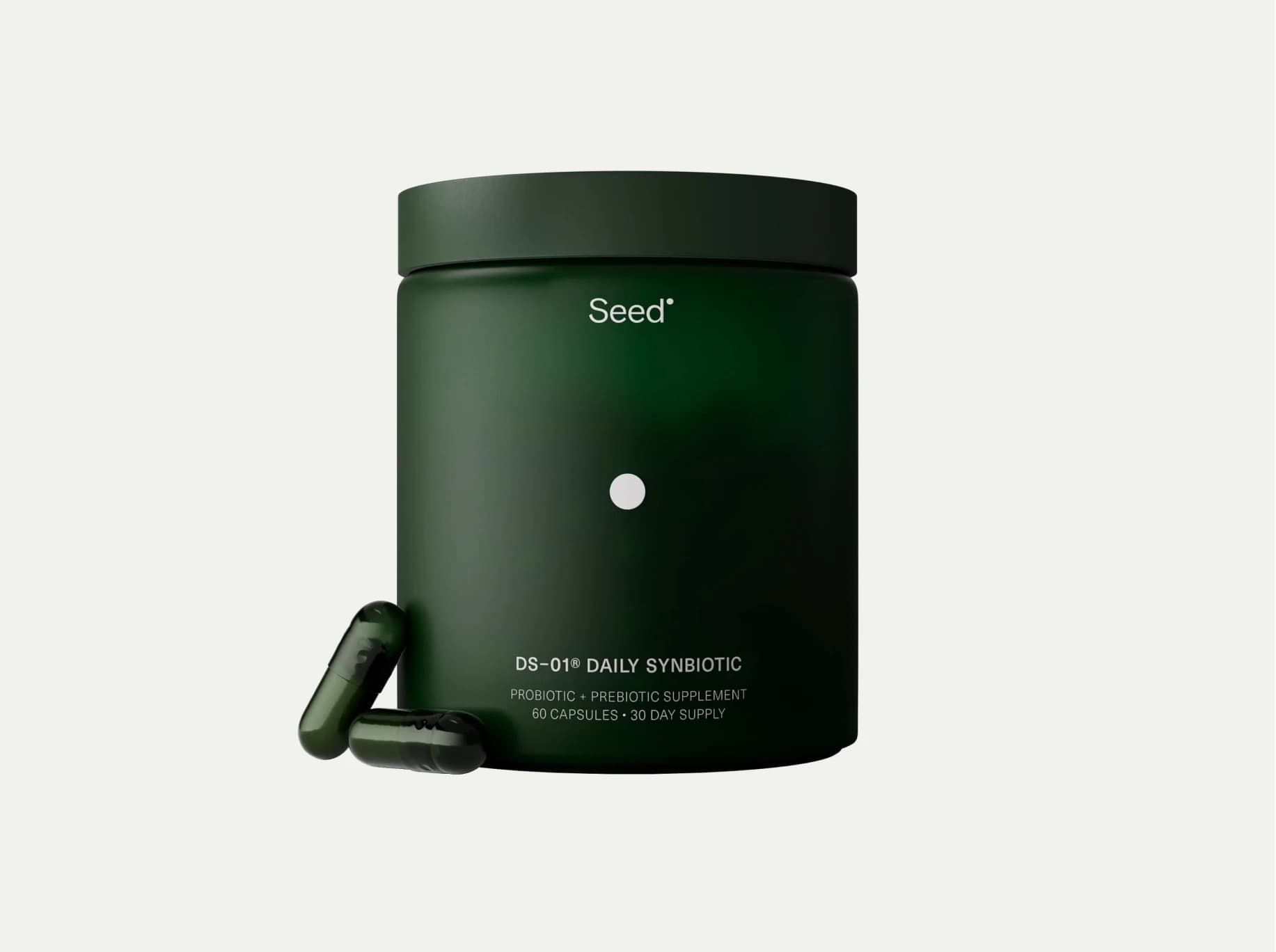
Consider a daily multi‑strain probiotic taken with food for 8–12 weeks, especially during intense blocks or travel. Look for strains studied for immune/GI support (e.g., Lactobacillus rhamnosus GG, L. casei Shirota, Bifidobacterium lactis Bl‑04 or B. longum).
Prebiotic Support (Optional)
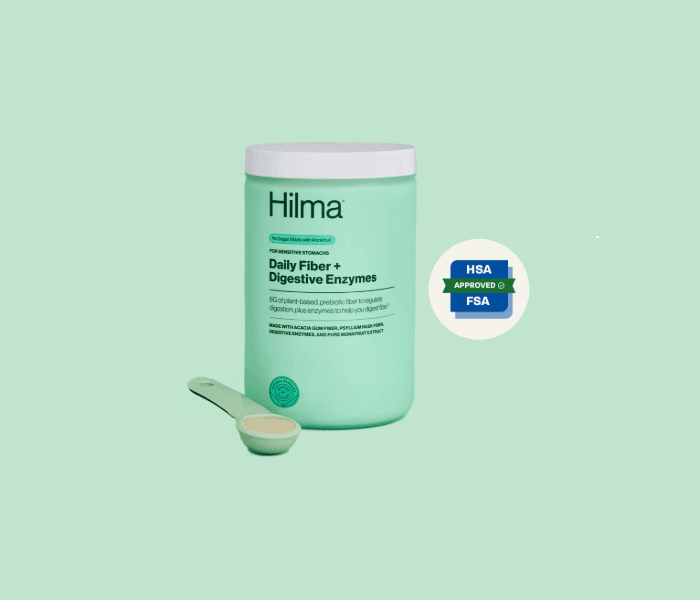
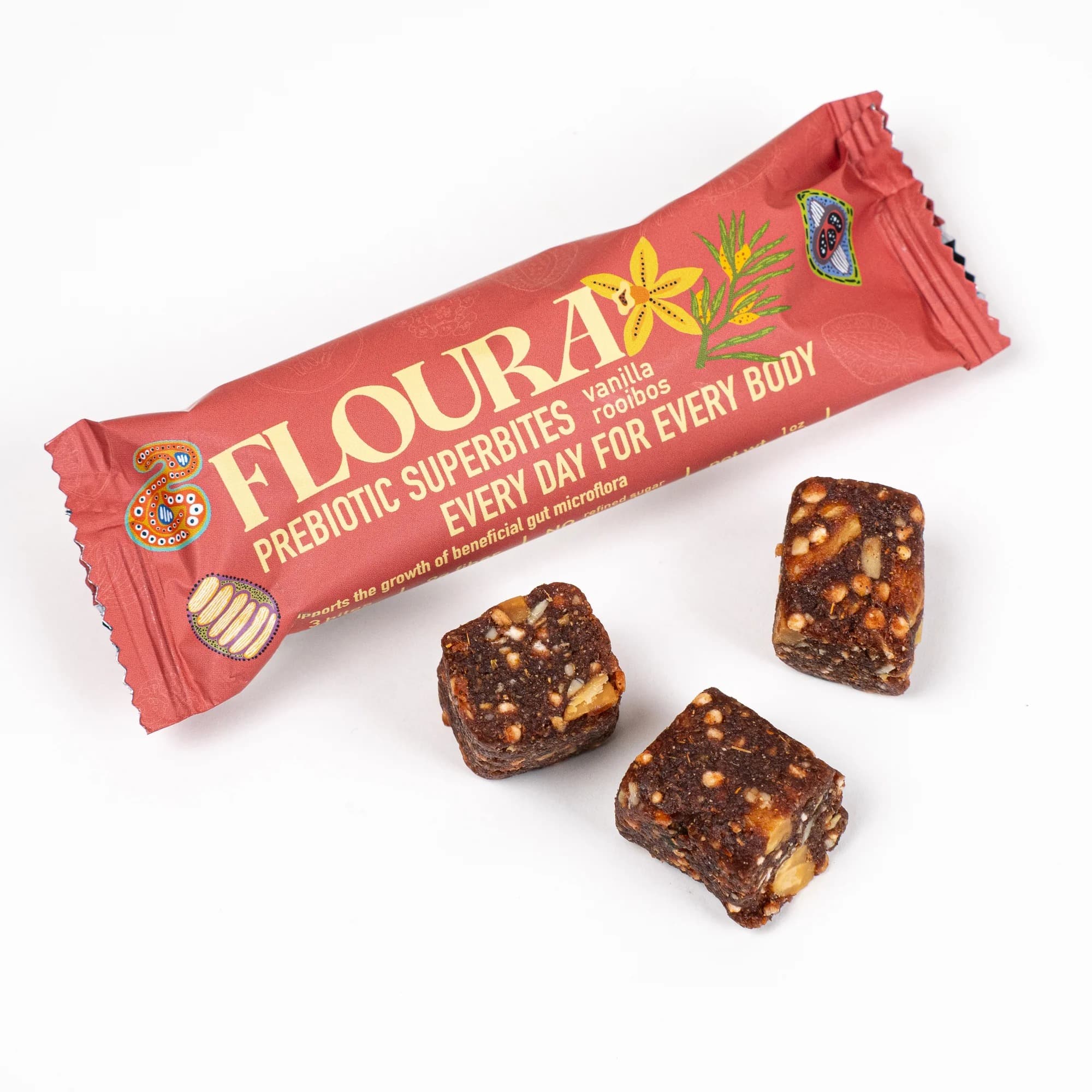
If fiber intake is low or stools are inconsistent, add a gentle prebiotic like PHGG or inulin/GOS, starting at 1–2 g/day and increasing slowly to 3–5 g/day as tolerated.
Gut–Brain Axis Recovery
After hard sessions, do 5–10 minutes of slow nasal breathing (4–6 breaths/min) or humming to stimulate the vagus nerve. Finish large meals 2–3 hours before sleep and get morning daylight exposure.
Digestive Function with High‑Protein Diets
Distribute protein across meals using gut‑friendly options (e.g., kefir/live‑culture yogurt, tempeh). Chew thoroughly, leave 3–4 hours between meals to allow the migrating motor complex, and limit emulsifiers (polysorbate‑80, carboxymethylcellulose). Use lactose‑free options or lactase if dairy causes symptoms.
Athletic Gut Training & Hydration
Practice your in‑training fueling: use low‑FODMAP, 6–8% carb solutions with mixed sugars and 300–600 mg sodium per liter; avoid sugar alcohols and excess fructose; test during workouts, not on race/game day.
Recommended Products




















Energy
Energy plan for a 22-year-old male athlete in Philadelphia: prioritize consistent sleep, strategic fuel timing, smart hydration/electrolytes, and targeted use of creatine/caffeine while screening for nutrient gaps. These steps support steady daytime energy and stronger training sessions without sacrificing recovery.
Recommendations
Sleep optimization & circadian rhythm
Set a consistent sleep window of 7.5–9 hours, get 10–20 minutes of outdoor morning light, keep pre-bed wind-down (30–60 minutes, low light), limit screens/blue light after dusk, and keep naps to 20–30 minutes before 3 pm.
Daily fuel and workout timing
Anchor each meal with protein (target ~1.6–2.2 g/kg/day spread over 3–5 meals) and slow carbs; 1–2 hours pre-workout aim 30–60 g carbs + 20–30 g protein; for sessions >60–90 minutes use 30–60 g carbs/hour; post-workout within 1–2 hours have ~1–1.2 g/kg carbs plus ~0.3 g/kg protein.
Hydration and electrolytes
Start the day with ~500 mL fluids; drink ~3–4 mL/kg 2–4 hours pre-training and ~0.4–0.8 L/hour during based on sweat rate; include 300–600 mg sodium/hour in heat/humidity; aim for pale-yellow urine.
Creatine monohydrate (performance energy)
Take 3–5 g creatine monohydrate daily with a carb/protein meal and maintain good hydration; no loading or cycling needed.
Caffeine timing (use strategically)
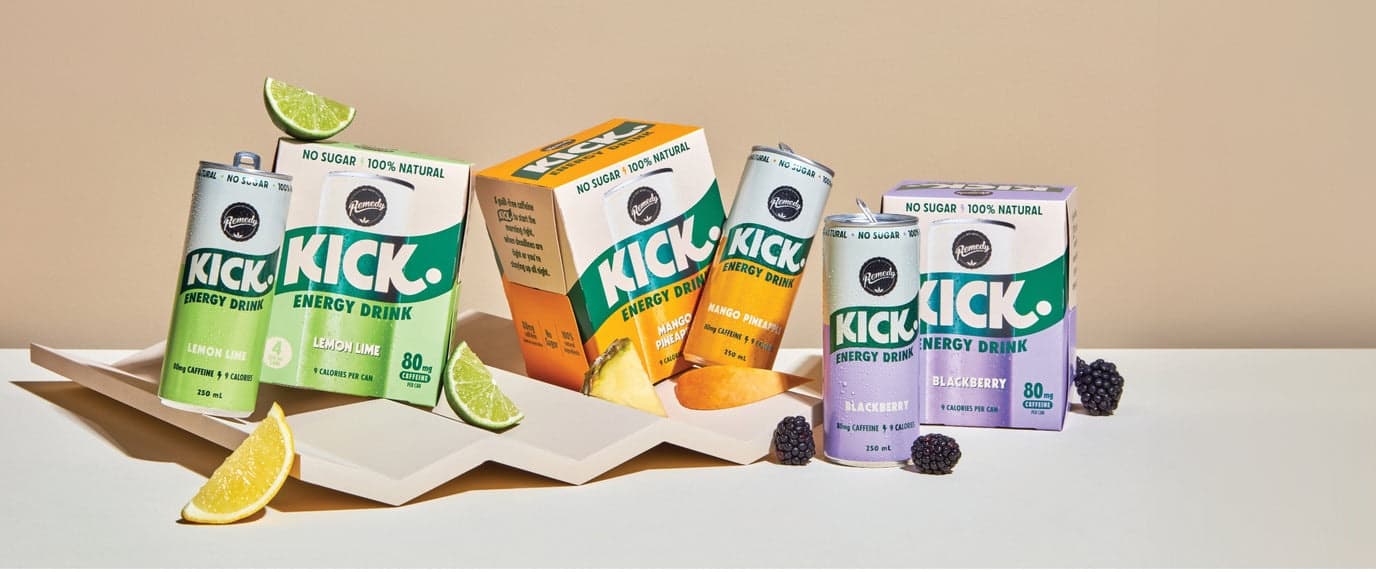
Use 1–3 mg/kg caffeine 30–60 minutes before key sessions; cap total intake at ≤400 mg/day and avoid within ~8 hours of bedtime (e.g., no caffeine after ~2 pm).
Rule out nutrient gaps (labs + food focus)
If fatigue persists, ask your clinician for labs (CBC, ferritin, B12, vitamin D). Emphasize foods like lean red meat/shellfish (iron, zinc), eggs/dairy or fortified alternatives (B12), and consider vitamin D per provider guidance—especially Nov–Mar in PA.
Recommended Products










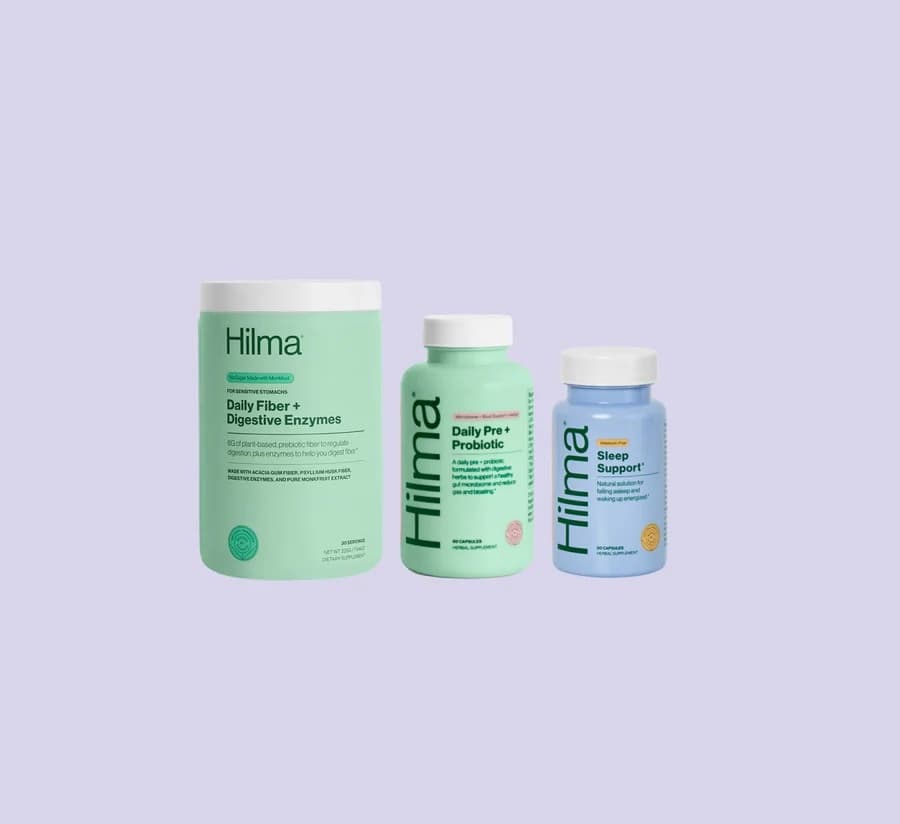


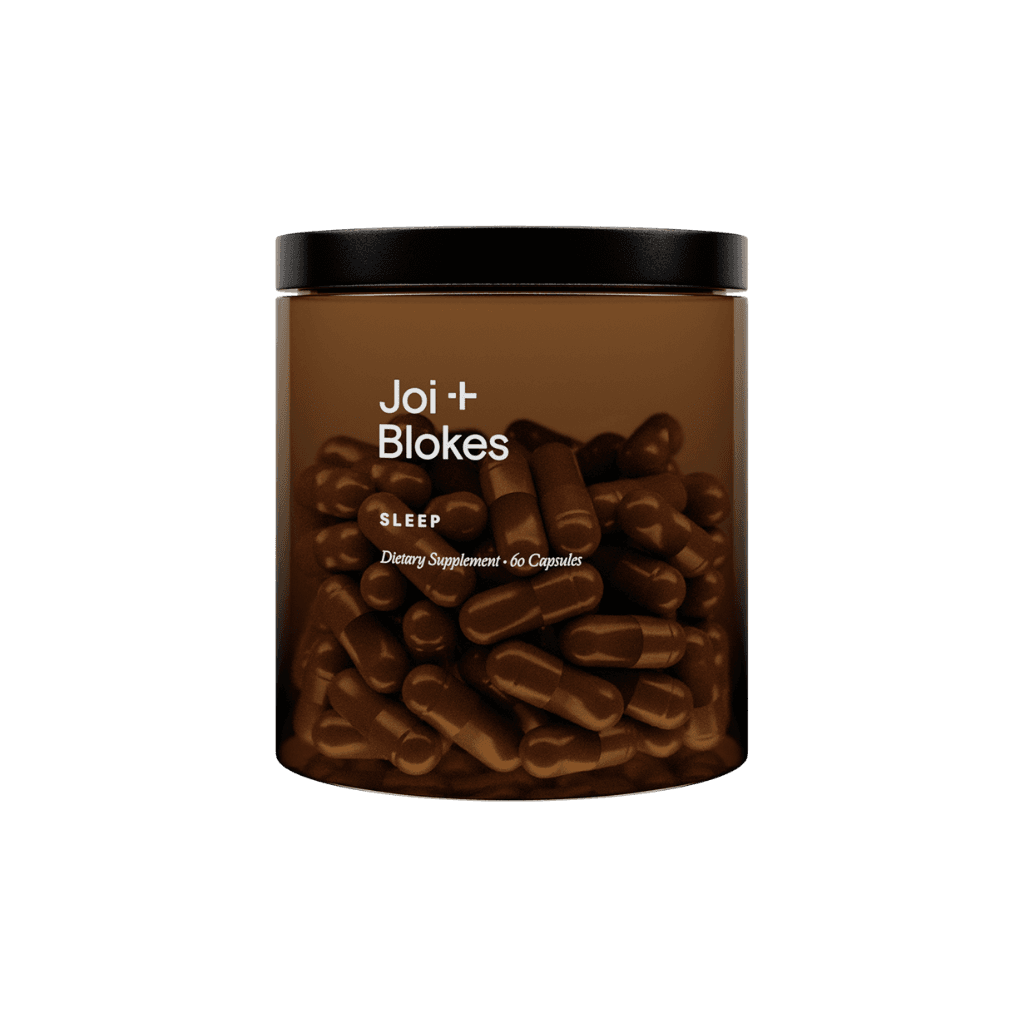


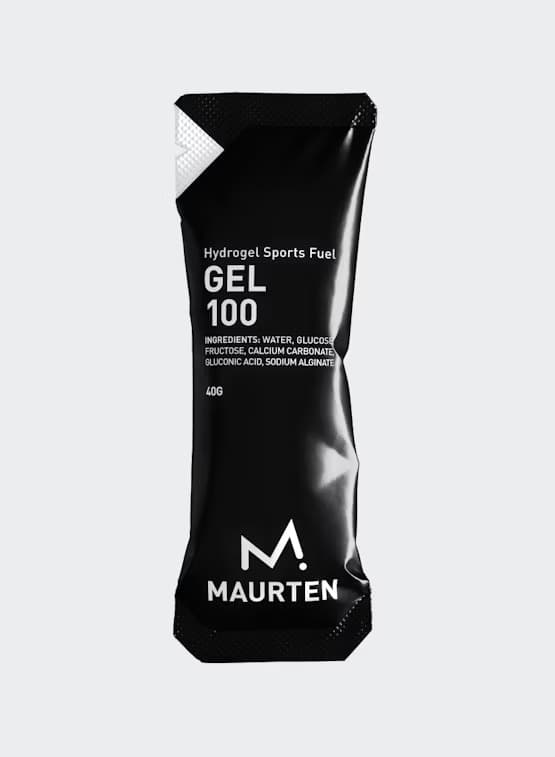
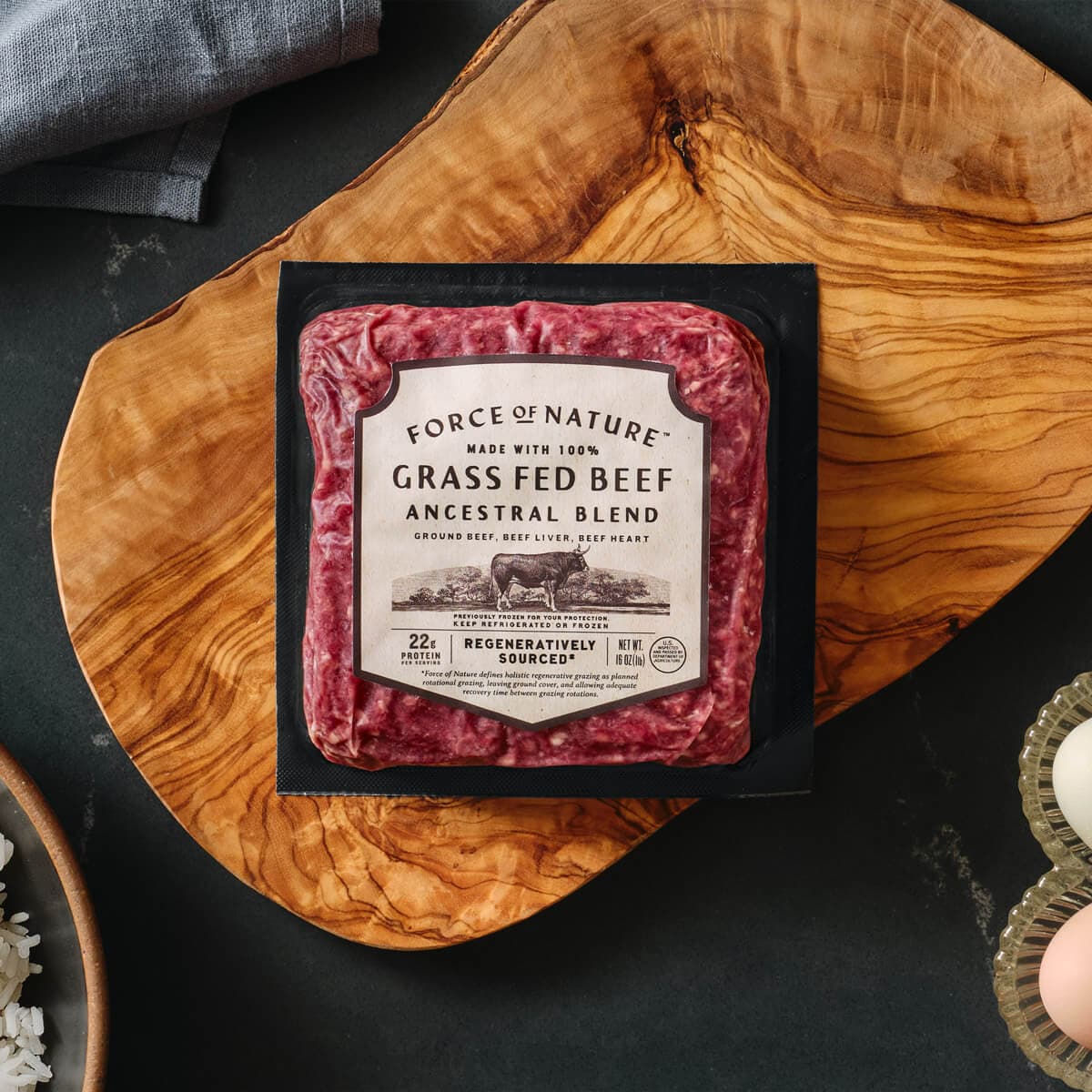









Immune Support
For a 22-year-old male athlete in Philadelphia, focus on sleep consistency, up‑to‑date vaccines and hygiene, nutrient-dense fueling and hydration, winter vitamin D, smart training load, and optional targeted supplements to keep your immune system resilient while supporting energy and muscle gains.
Recommendations
Sleep and Circadian Routine
Aim for 7.5–9 hours nightly with a fixed sleep/wake time; shut screens 60 minutes before bed, keep your room cool (60–67°F), and get outdoor morning light within 30 minutes of waking. If you’re short on sleep, use a 20–30 minute nap before 3 pm.
Vaccines and Hygiene
Stay current: annual flu shot (ideally by Oct), COVID‑19 booster per CDC updates, Tdap every 10 years, and complete HPV series if not finished (recommended through age 26). Wash hands 20 seconds, carry ≥60% alcohol sanitizer, avoid sharing bottles, and disinfect phone/gym gear. Skip intense training if febrile (>100.4°F) and return once symptom‑free for 24–48 hours.
Fueling for Immunity and Performance
Daily: 5+ servings colorful fruits/vegetables and a fermented dairy source (yogurt/kefir). Protein 1.6–2.2 g/kg/day; carbs 3–6 g/kg/day (higher on heavy days). Within 60 minutes post‑workout, target ~0.3 g/kg protein plus ~1 g/kg carbs. Eat fatty fish 2x/week; include garlic, ginger, and mushrooms. Hydrate 30–35 mL/kg/day plus 500–1000 mL per hour of heavy sweating with electrolytes.
Vitamin D Strategy (Philadelphia)
From Oct–April, prioritize midday sun exposure when UV index >3 (arms/legs 10–20 minutes as skin type allows) and consider vitamin D3 1,000–2,000 IU daily if sun is limited. Ask your clinician for a 25‑OH vitamin D test to individualize; take D3 with a meal containing fat.
Training Load and Recovery
Increase total weekly load by ≤10%; schedule 1–2 rest days/week and a lighter deload week every 4–6 weeks. After intense sessions, include an easy recovery session and 5–10 minutes of nasal or box breathing. Track resting heart rate, sleep, and mood for early overreaching signs.
Evidence‑Informed Supplements (optional)
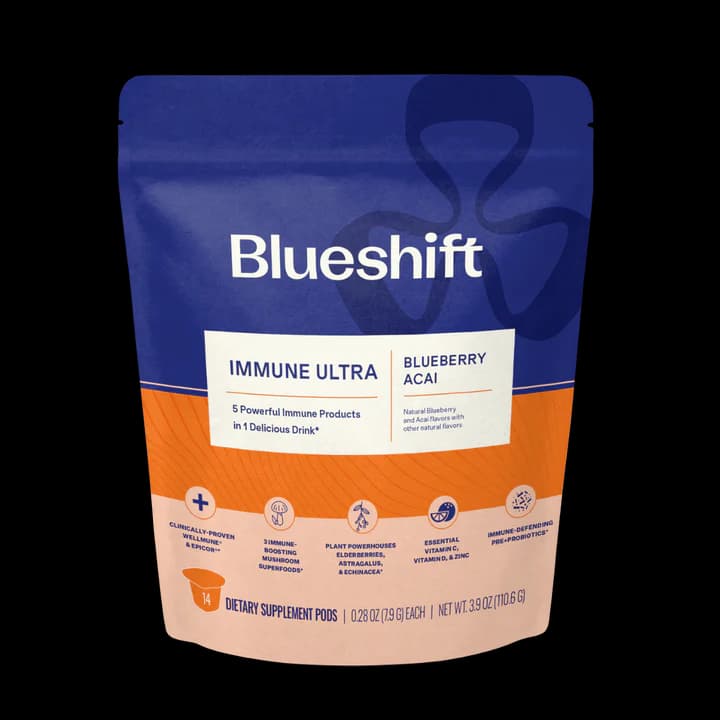
If diet is consistent, consider: (a) probiotic containing Lactobacillus rhamnosus GG or Bifidobacterium lactis, 10–20 billion CFU daily for 8–12 weeks; (b) vitamin C 200–500 mg/day during heavy training or low produce intake; (c) at first cold symptoms, zinc acetate/gluconate lozenges totaling 75–90 mg elemental zinc/day for ≤48 hours (avoid intranasal zinc and do not exceed 40 mg/day long‑term).
Recommended Products


















Muscle Gain for Athletic Training
To build lean muscle while training athletically, prioritize a small calorie surplus, evidence-based hypertrophy programming with progressive overload, strategic protein/carbohydrate timing, proven ergogenics (creatine), high-quality sleep, and micronutrients that support recovery and immunity.
Recommendations
Calorie and Protein Targets
Eat a modest surplus of ~250–400 kcal/day. Aim for protein at 1.6–2.2 g/kg/day, spread across 4–5 meals (≈0.3–0.4 g/kg per meal with 25–35 g high‑quality protein). On training days, target carbohydrates at 3–6 g/kg; keep fats around 0.6–1.0 g/kg.
Hypertrophy Training Structure
Train 4–6 days/week using a balanced split. Accumulate 10–20 hard sets per major muscle group weekly, mostly in the 5–12 rep range, leaving 1–3 reps in reserve. Progress loads or reps by 2.5–5% week to week, emphasizing compound lifts (squat, deadlift, bench, row, overhead press) plus targeted accessories. Deload every 4–6 weeks.
Creatine Monohydrate
Take 3–5 g creatine monohydrate daily (no loading needed); timing is flexible. Pair with a carb/protein meal and maintain good hydration.
Post-Workout Fueling and Hydration
Within 1–2 hours after lifting, consume 20–40 g protein plus ~1.0–1.2 g/kg carbohydrate. Hydrate with fluids containing 500–700 mg sodium per liter; in hot/humid Philadelphia summers or >60‑minute sessions, use an electrolyte drink.
Sleep and Recovery
Get 7.5–9 hours of sleep nightly on a consistent schedule. Consider 30–40 g casein 30–60 minutes before bed. Limit alcohol (≤1 drink/day, avoid within 3 hours of bedtime). Include 1–2 rest days weekly and 5–10 minutes of mobility work daily.
Micronutrients and Immune Support
Eat 5+ servings/day of colorful fruits and vegetables and include probiotic foods (yogurt/kefir, kimchi). Consider vitamin D3 1,000–2,000 IU/day in fall–spring or if levels are low, and omega‑3s providing 1–2 g/day EPA+DHA.